Best Books on How to Win Debates and Argue Persuasively
Winning a debate is less about talking louder and more about understanding how persuasion actually works. These books cover the full craft: classical rhetoric, the psychology of influence, spotting faulty logic, negotiating under pressure, and the quiet tactics that turn an argument your way.
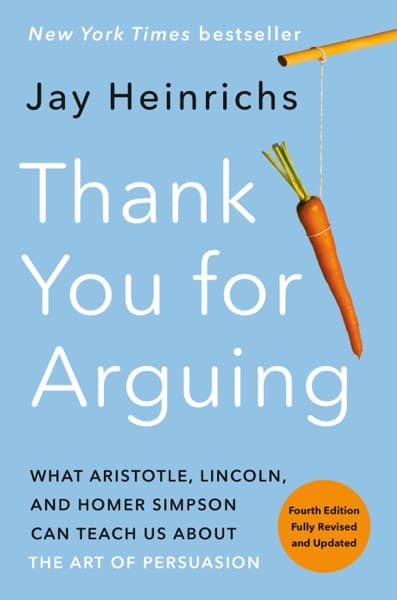
Thank You for Arguing
Jay Heinrichs
A modern field manual for everyday persuasion, built on 2,000 years of rhetoric.
Argue about the future, not the past. Debates over what already happened stall, while debates over what to do next give people somewhere to go.
Heinrichs translates Aristotle, Cicero, and Lincoln into tactics you can use in a meeting or at the dinner table, showing how ethos, logos, and pathos combine to move an audience toward yes.
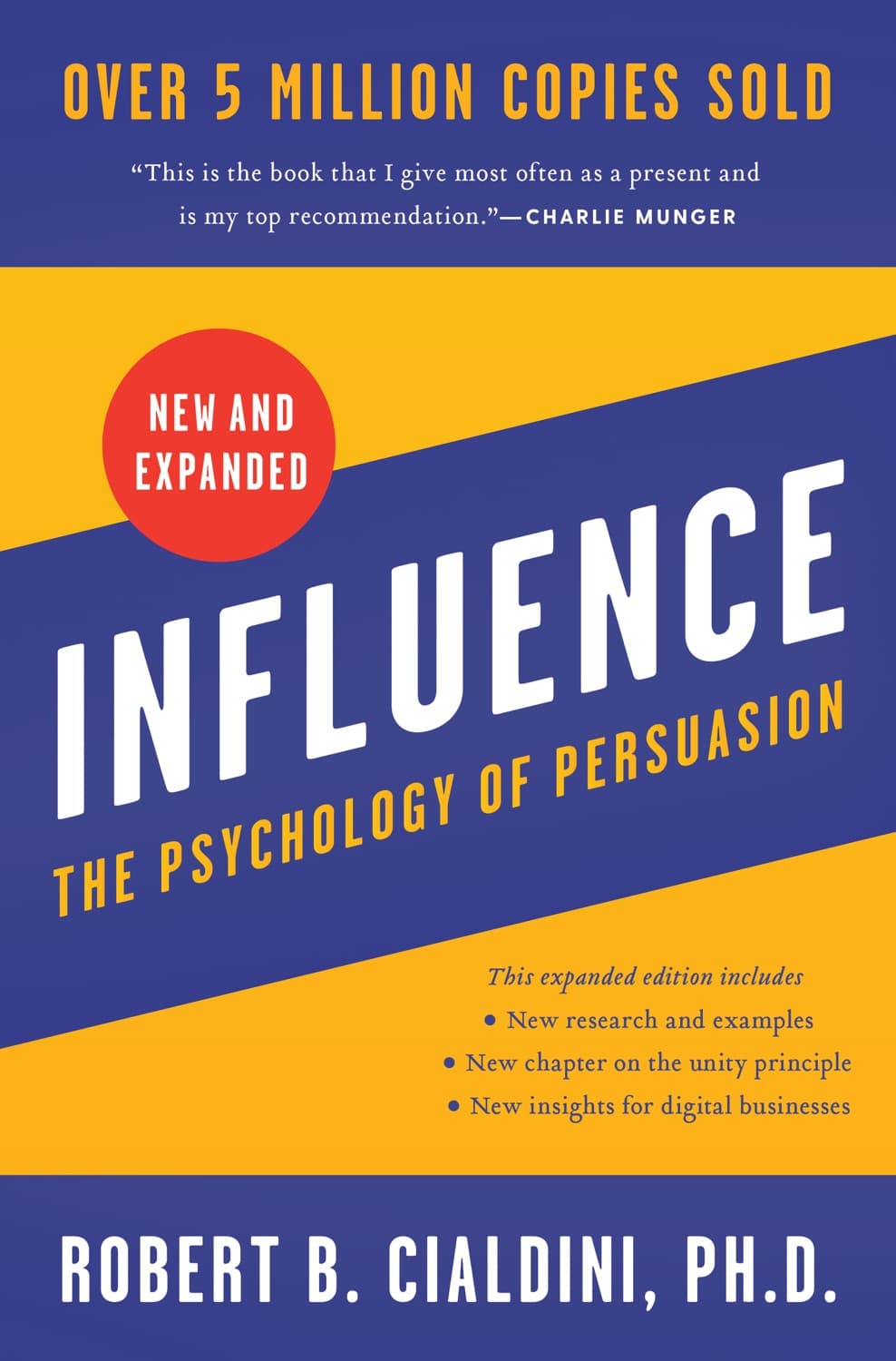
Influence
Robert B. Cialdini
The definitive account of why people say yes, and how to ask so they do.
Consistency is a weapon. Get someone to agree to a small point out loud, and they will defend the larger position built on it.
Cialdini's six principles, from reciprocity to social proof, explain the psychological levers that decide arguments before logic ever enters, backed by decades of field research into compliance.
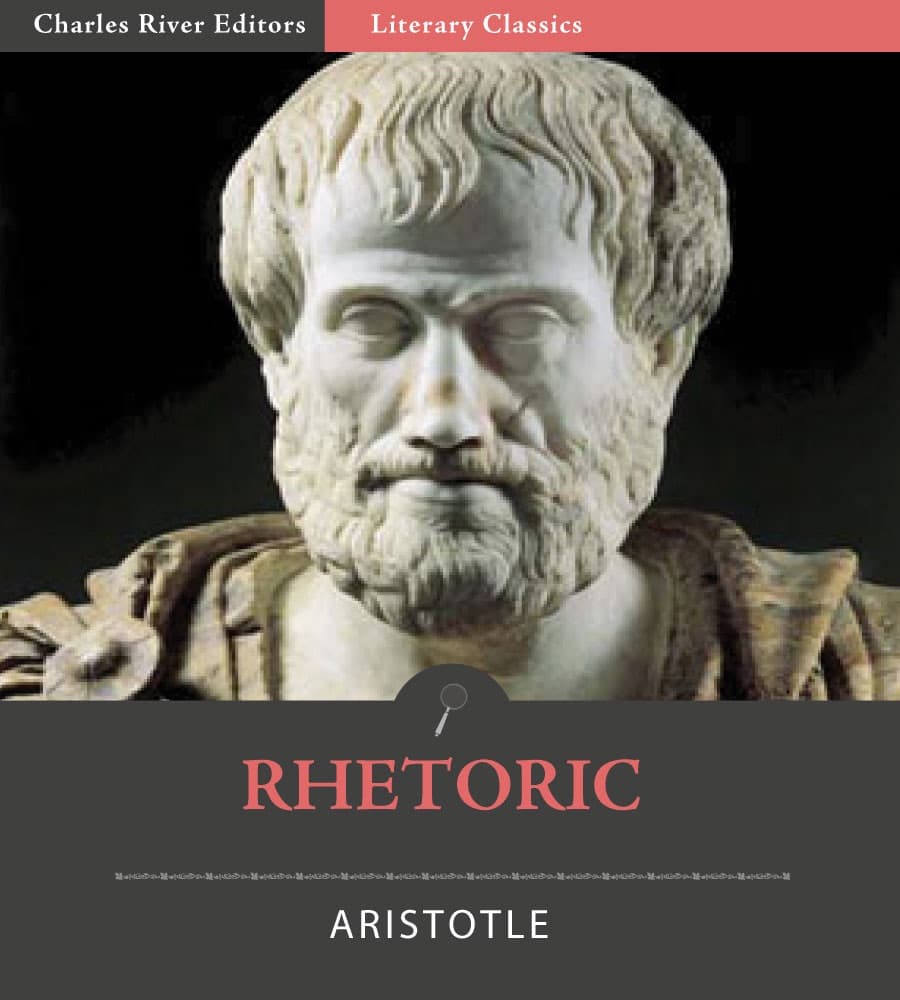
Rhetoric
Aristotle
The foundational text every later book on argument is quietly rewriting.
Credibility is argued, not assumed. Your character has to be constructed inside the speech itself, not carried in from outside.
Aristotle's dissection of ethos, pathos, and logos remains the clearest map of how persuasion works, defining the modes of proof and the appeals that debaters still lean on twenty-three centuries later.
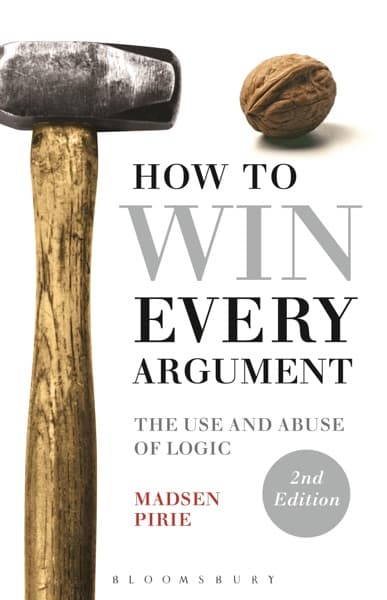
How to Win Every Argument
Madsen Pirie
A witty catalogue of every fallacy, so you can deploy one or dismantle it.
Naming a fallacy mid-argument is itself persuasive. The audience trusts the person who can label the trick.
Pirie walks through more than seventy logical fallacies with examples, teaching you to recognize the sleight of hand in an opponent's reasoning and to name it out loud before it lands on the audience.
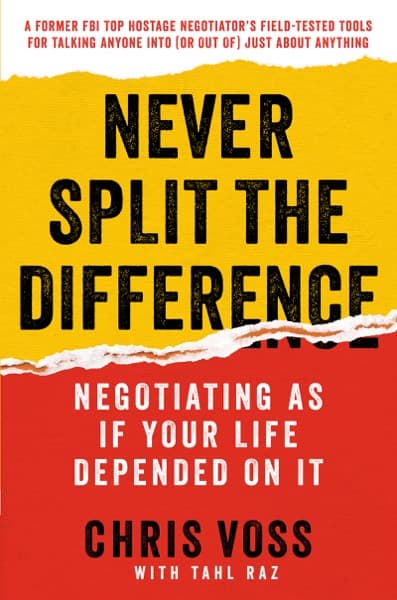
Never Split the Difference
Chris Voss, Tahl Raz
A former FBI hostage negotiator on winning when the stakes are real.
A well-placed 'how am I supposed to do that?' forces the other side to start solving your problem for you.
Voss replaces win-win platitudes with tactical empathy, labeling, and calibrated questions, showing how to steer a high-pressure exchange by making the other side feel heard before they concede a thing.
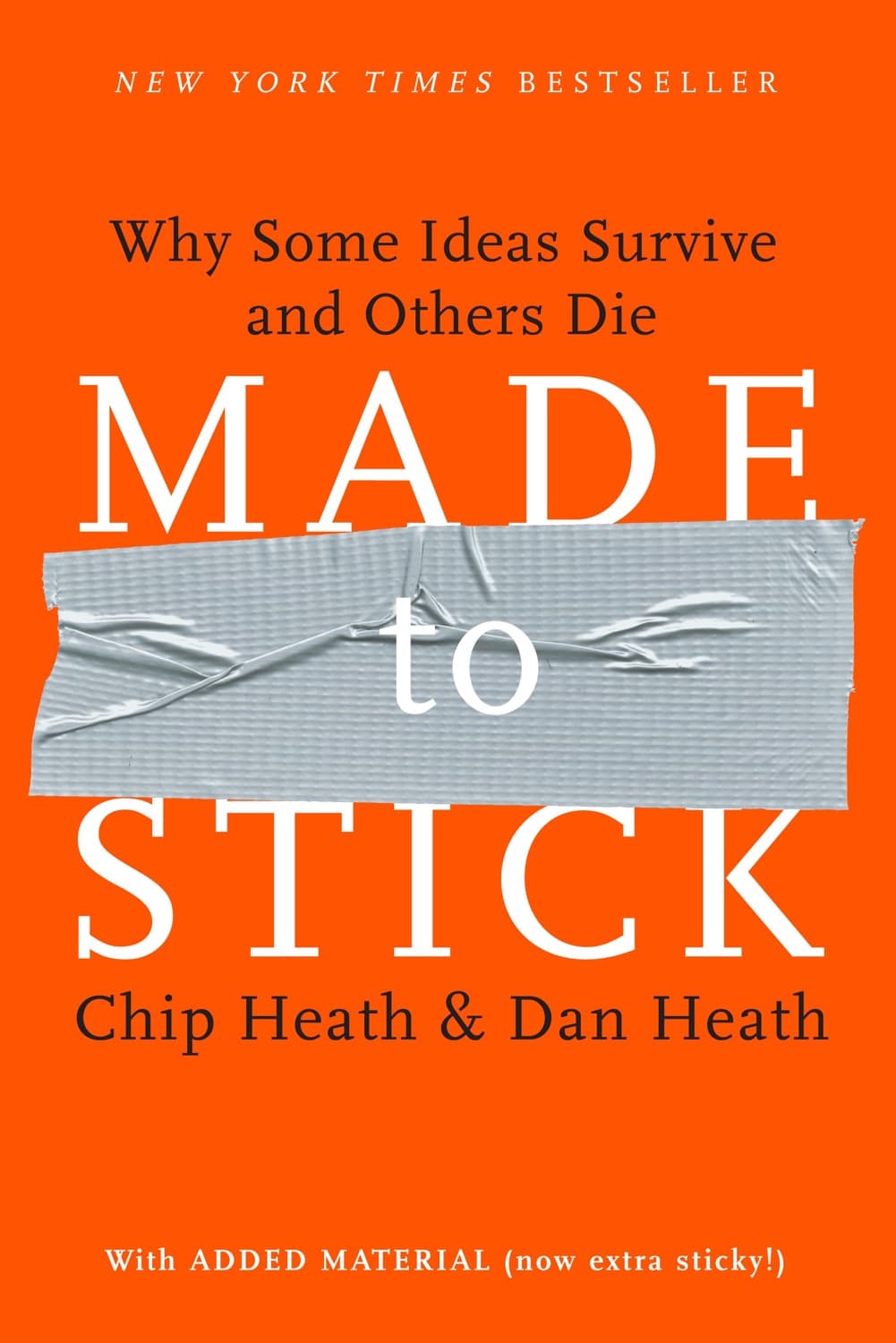
Made to Stick
Chip Heath
Why some arguments lodge in memory while better ones evaporate.
Concrete beats abstract. A single vivid example outperforms a stack of statistics almost every time.
The Heath brothers reverse-engineer what makes a message stick, from concreteness to unexpected framing, giving debaters a checklist for turning a sound point into one the audience remembers and repeats.
Consistency is a weapon. Get someone to agree to a small point out loud, and they will defend the larger position built on it.
The Art of Being Right
Arthur Schopenhauer
Thirty-eight stratagems for winning an argument whether or not you are correct.
When you cannot win on the point, opponents attack the person. Knowing this trap is the strongest defense against it.
Schopenhauer's short, cynical handbook lays bare the dirty tricks of debate, from reframing an opponent's claim to provoking their anger, so you can wield them or, more usefully, catch them being used on you.
Words Like Loaded Pistols
Sam Leith
A lively tour of rhetoric through the speeches that changed history.
Every memorable line hides a named device. Learn the figure and you can build the line on purpose.
Leith turns the dusty terminology of classical rhetoric into a working toolkit by showing it at play in Cicero, Churchill, and Obama, making the ancient devices feel usable rather than academic.
Can we tailor this list for you?
Type your question in the bar below and the AI will tailor a fresh set of picks just for you.