Best Books for Digital Nomads: Remote Work, Portable Income, Life on the Move
Working from anywhere sounds simple until the logistics arrive: portable income, internet, visas, time zones, and staying grounded while everything changes. The nomad life is less about travel than about designing work that needs no fixed address. These books span the founding manifesto, remote-work strategy, portable income, and life on the road.
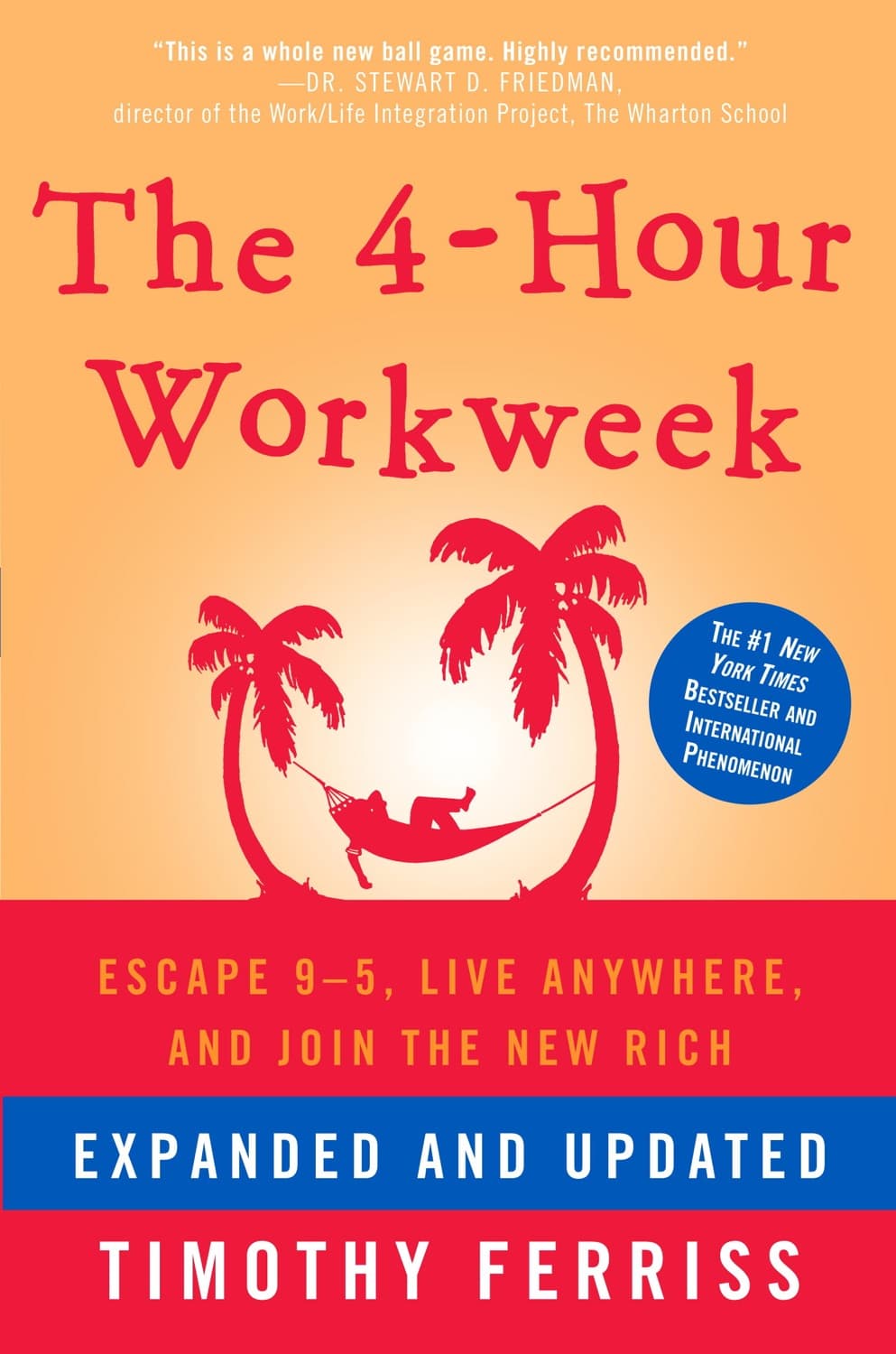
The 4-Hour Workweek
Timothy Ferriss
The book that launched the movement.
Define exactly what your ideal life costs, then build income to cover it; freedom is a number, not a vague dream.
Ferriss popularized the idea that you can detach income from a desk through automation, outsourcing, and what he calls mini-retirements. Flawed in places and hugely influential, it is the cultural starting point almost every digital nomad traces back to.
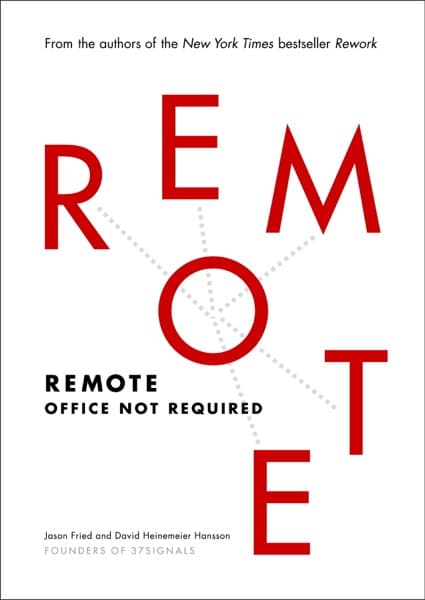
Remote
Jason Fried, David Heinemeier Hansson
The clear-eyed case for working anywhere.
Judge work by output, not hours seen at a desk; the moment you measure results, location stops mattering.
The founders of Basecamp argue that talent is everywhere but opportunity is not, and lay out how remote work actually functions day to day. It is the most credible answer to the boss, or the doubt, that says work has to happen in one room.
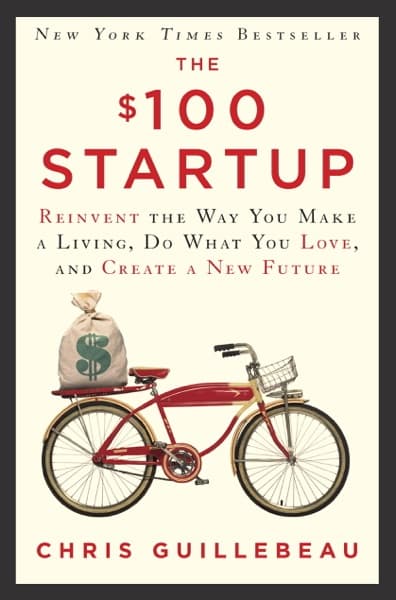
The $100 startup
Chris Guillebeau
Fund the life with a small, portable business.
You do not need a big idea, just an overlap between something you can offer and something people will pay for now.
Guillebeau profiles dozens of people who built location-independent businesses on tiny budgets, distilling the patterns that worked. It is the most concrete guide here to the central nomad problem: where the money actually comes from.
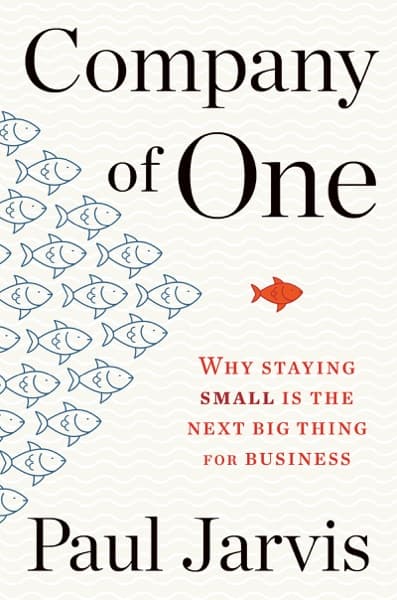
Company of One
Paul Jarvis
Why staying small is the goal, not a stage.
Ask what is enough before you ask how to grow; a business sized to your life buys more freedom than a bigger one.
Jarvis makes the case that a deliberately small business, run by one person or a few, offers more freedom than one built to scale. For a nomad funding a mobile life, it reframes growth as a choice rather than an obligation.
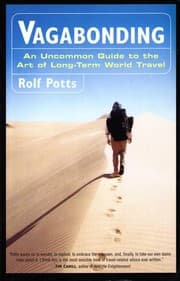
Vagabonding
Rolf Potts
The philosophy of long-term travel.
Long-term travel is funded by simplicity, not riches; the real currency is time you have freed up, not money.
Written before the term digital nomad existed, Potts argues that extended travel is bought with time and intention, not wealth. It is the lifestyle conscience of the movement, focused on why to go and how to travel well, not just how to pay for it.
The Digital Nomad Handbook
Lonely Planet
The practical logistics, in one place.
Pick a base for its internet, cost, and visa rules before its beaches; the boring criteria decide whether the life lasts.
Lonely Planet's guide covers the unglamorous machinery of the life: visas, taxes, connectivity, choosing a base, and managing the road. It is the reference to keep for the questions the inspirational books skip.
Judge work by output, not hours seen at a desk; the moment you measure results, location stops mattering.

The Year Without Pants
Scott Berkun
Inside a fully distributed company.
Distributed teams run on writing; when no one shares an office, clear written communication becomes the whole job.
Berkun left a traditional job to lead a team at Automattic, the all-remote company behind WordPress, and reports candidly on how distributed work succeeds and where it strains. A rare honest look from inside a company that bet entirely on remote.
Can we tailor this list for you?
Type your question in the bar below and the AI will tailor a fresh set of picks just for you.