Best Audiobooks on Executive Presence: Gravitas and Command
Executive presence is the quality everyone names and no one can quite define: the person who walks into a tense room and settles it. It is built, not born, from how you carry yourself, speak, and make others feel. These audiobooks break the mystique into learnable parts, from gravitas to the nonverbal signals that decide who gets heard.
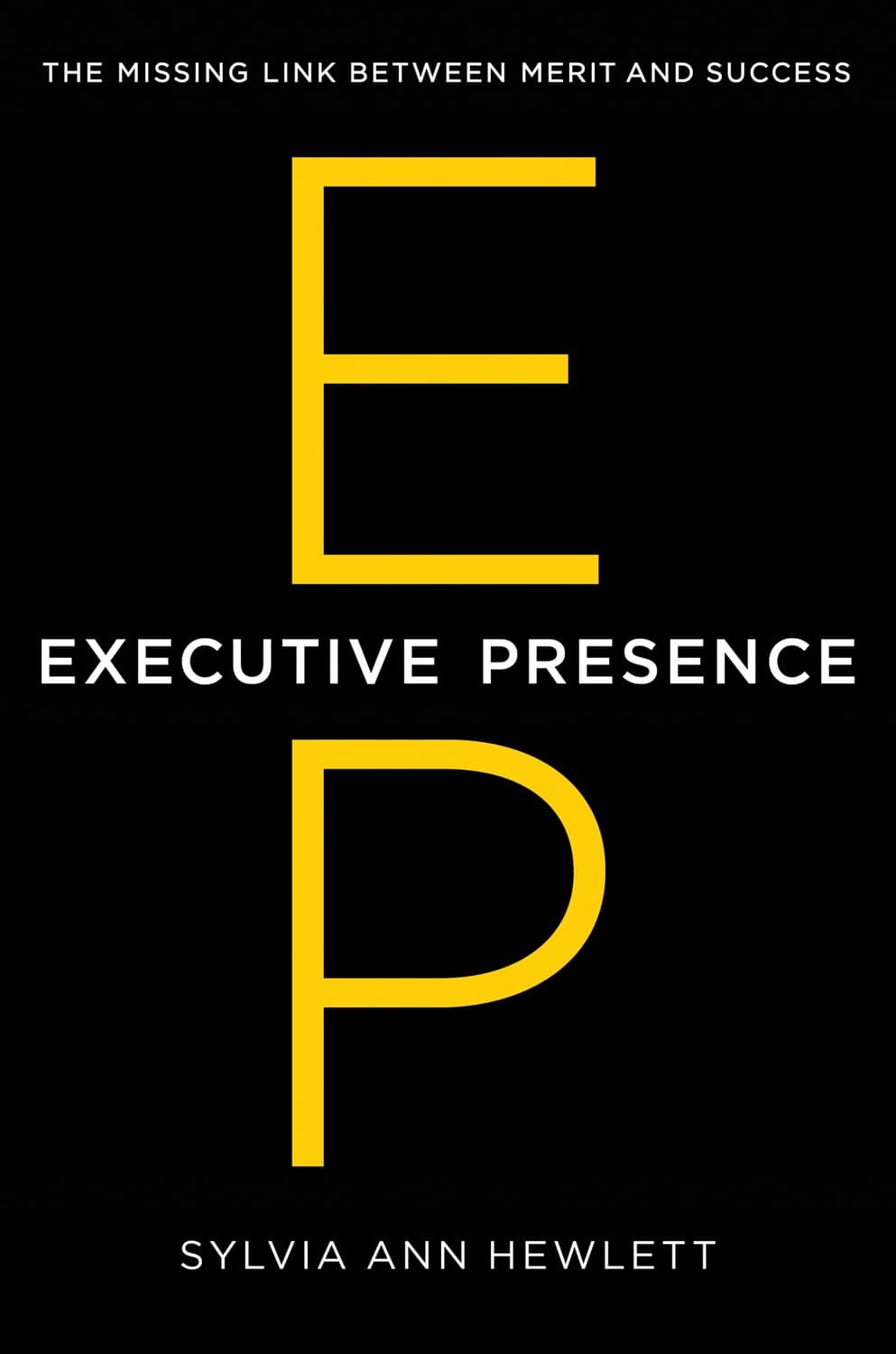
Executive Presence
Sylvia Ann Hewlett
The book that put a name and a structure to the thing standing between merit and promotion.
Gravitas accounts for the largest share of how leaders judge presence; competence gets you noticed, but the sense that you can be trusted under pressure is what actually gets you promoted.
Hewlett draws on surveys of senior leaders to break presence into three pillars, gravitas, communication, and appearance, and shows with data how each one shapes who gets sponsored into the top jobs.
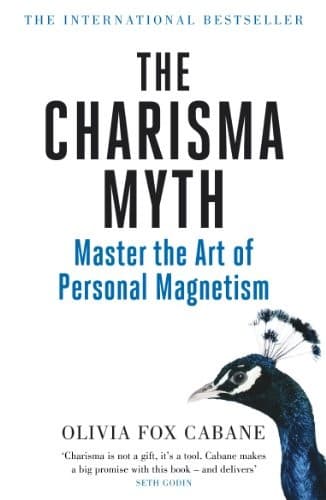
The Charisma Myth
Olivia Fox Cabane
Charisma reframed as a set of behaviors anyone can practice rather than a personality you either have or lack.
Charisma starts with full presence; people read a wandering mind instantly, and simply being completely there in a conversation reads as magnetic because so few people manage it.
Cabane breaks charisma into presence, power, and warmth, then supplies specific drills for each, treating the whole thing as a skill you rehearse rather than a gift you are stuck without.
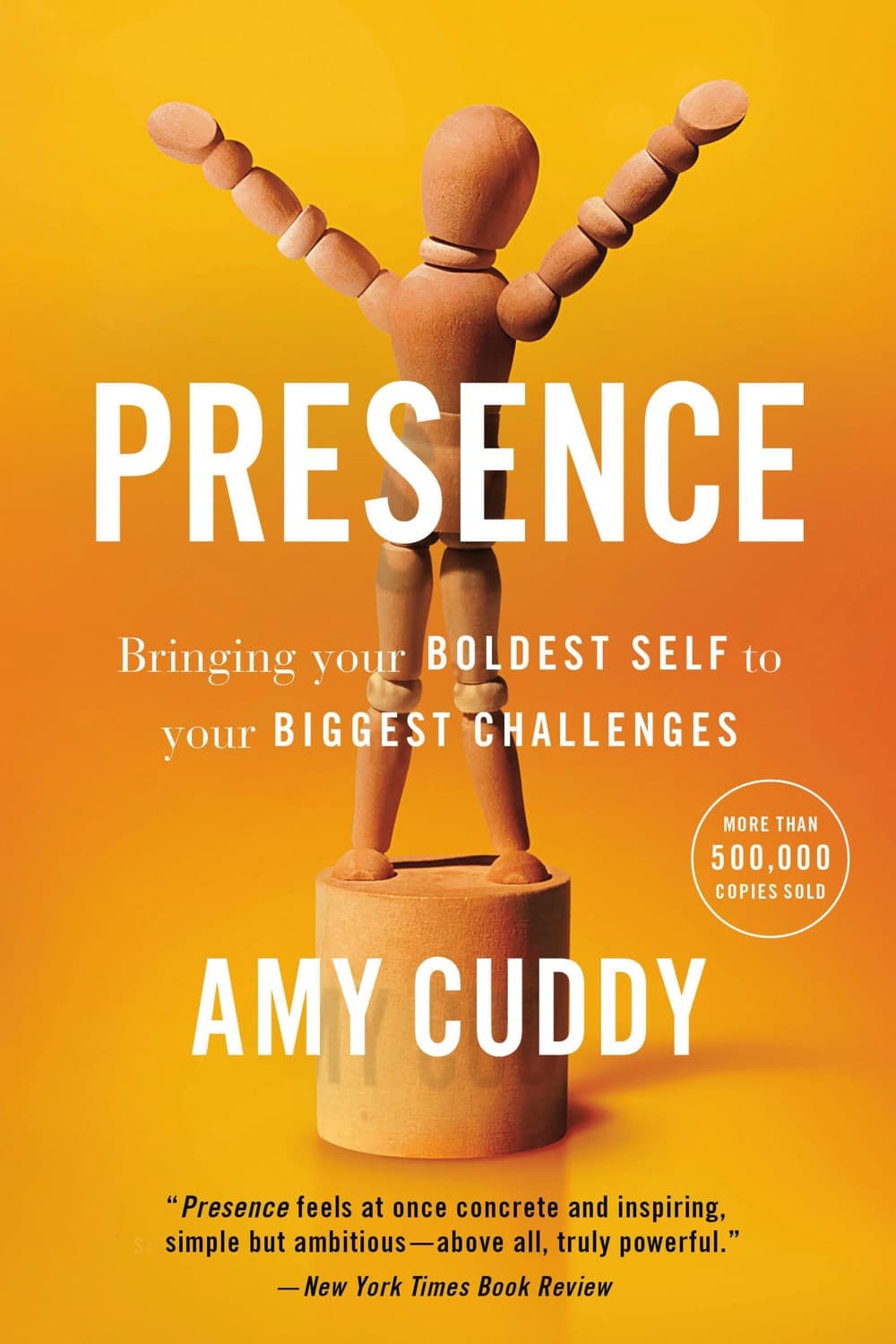
Presence
Amy Cuddy
A social psychologist on bringing your boldest self to the moments that intimidate you most.
You do not talk yourself into confidence, you act your way in; small shifts in posture and self-talk before a challenge change your physiology enough to change the outcome.
Cuddy argues that presence comes from closing the gap between how you feel inside and how you appear, and shows how adjusting your body and mindset before a high-stakes moment changes how you actually perform in it.
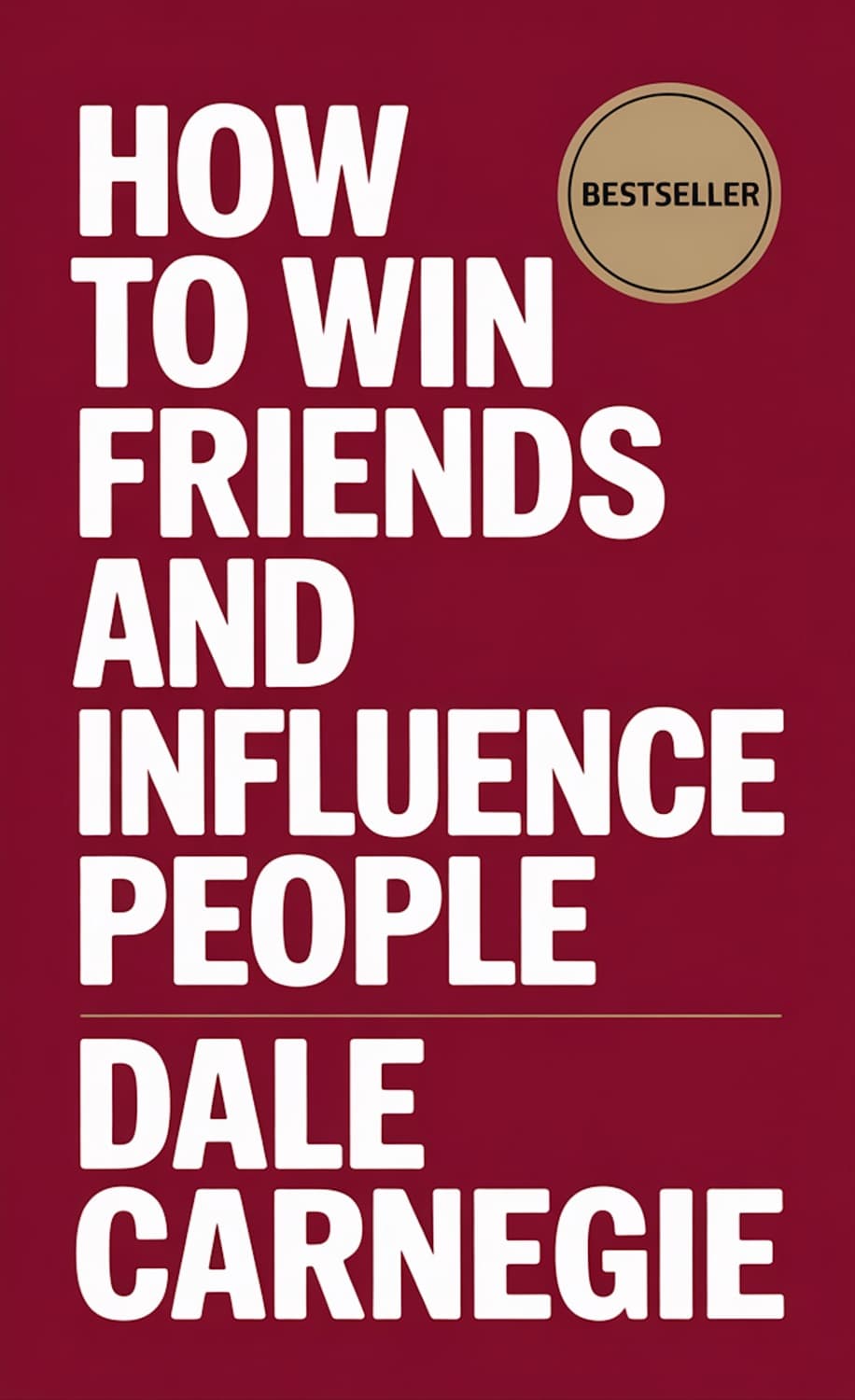
How to Win Friends and Influence People
Dale Carnegie
The century-old classic on making people feel important that still underwrites every book on presence.
You gain more influence by becoming genuinely interested in other people than by trying to make them interested in you; attention given freely is the rarest form of flattery.
Carnegie's principles about genuine attention, remembering names, and letting others feel heard remain the foundation that later executive-presence research keeps rediscovering and dressing in new language.
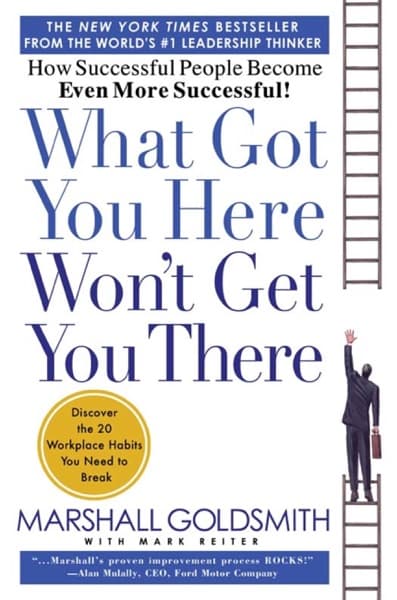
What Got You Here Won't Get You There
Marshall Goldsmith, Mark Reiter
An executive coach on the small habits that quietly cap successful people short of the top.
The higher you rise, the more your flaws are behavioral rather than technical; the compulsion to add your two cents to every discussion costs more standing than it ever earns.
Goldsmith catalogs the interpersonal tics that undermine senior leaders, like winning every argument or adding value to every idea, and shows that presence at the top is often about subtraction rather than adding new skills.
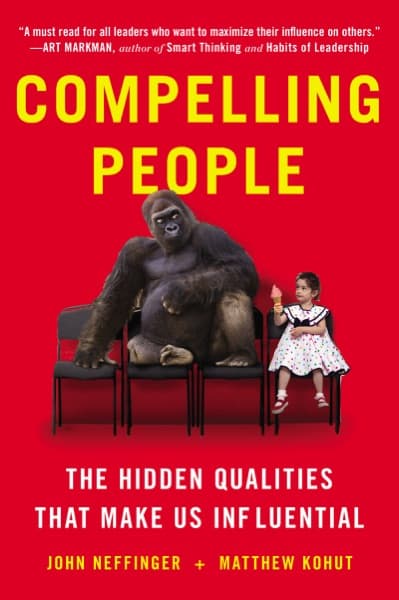
Compelling People
John Neffinger, Matthew Kohut
The two hidden dimensions, strength and warmth, that decide how everyone reads you within seconds.
Most people lean on either strength or warmth and lose the other; true presence is holding both together, which is why a warm handshake with steady eye contact outperforms either alone.
Neffinger and Kohut, who coach politicians and executives, show that every judgment of a person maps onto strength and warmth, and that presence is the rare trick of projecting both at once instead of trading one for the other.
Charisma starts with full presence; people read a wandering mind instantly, and simply being completely there in a conversation reads as magnetic because so few people manage it.
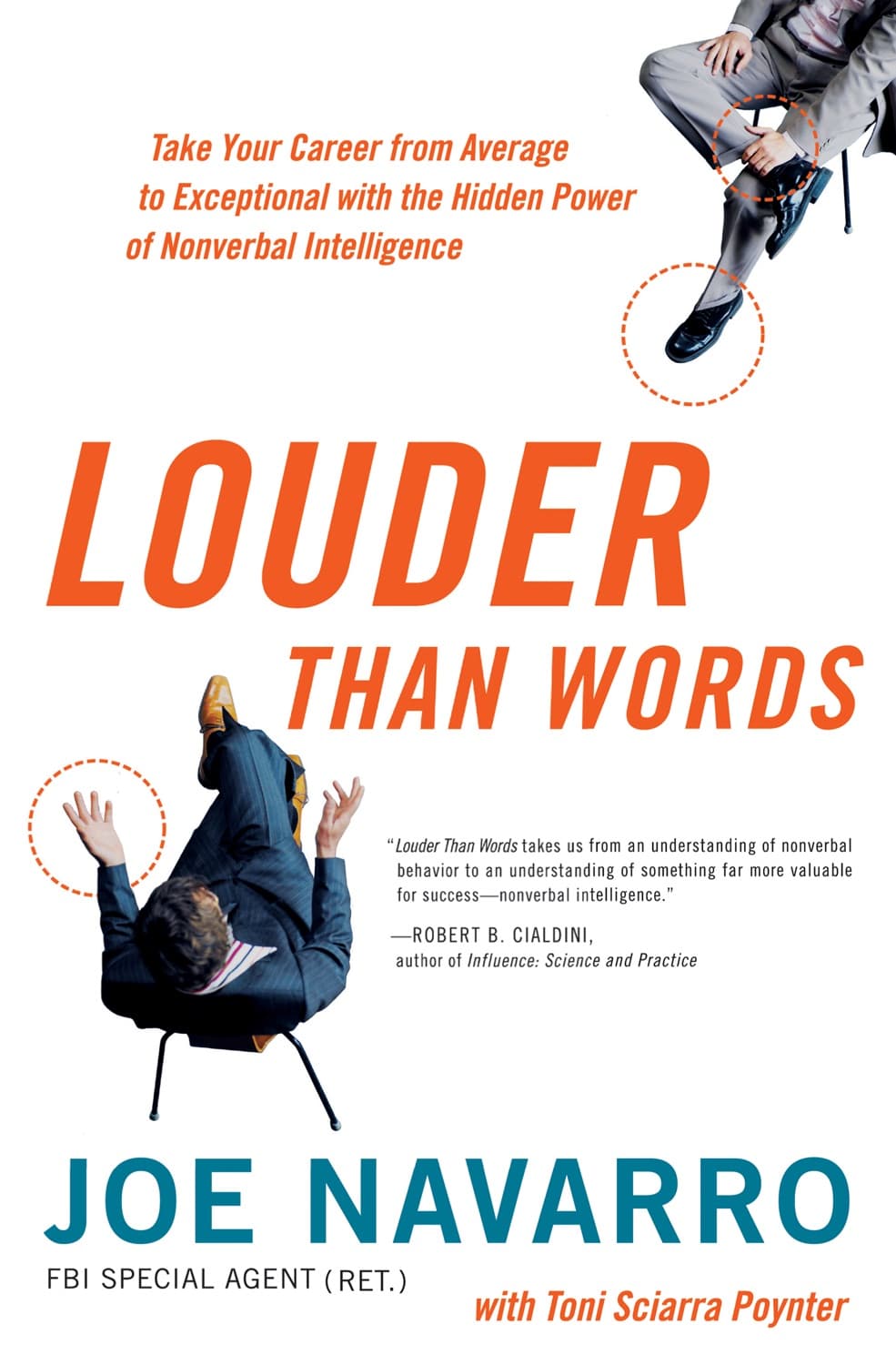
Louder Than Words
Joe Navarro, Toni Sciarra Poynter
A former FBI profiler decodes the nonverbal signals that shape your standing before you say a word.
People form a read on your competence and confidence from posture and hands long before they weigh your words; the body is the channel your audience trusts most when the two disagree.
Navarro applies decades of behavioral surveillance to the workplace, cataloging the specific gestures, postures, and expressions that broadcast confidence or doubt and quietly steer how colleagues rank you.
The Power of Presence
Kristi Hedges
An executive coach turns presence into a daily practice of intention rather than a fixed trait.
Presence is decided before you arrive; naming the specific impression you intend to leave, then holding it, does more than any technique you try to perform in the moment.
Hedges argues that presence begins with the mindset you set before you walk into a room, and offers concrete routines for aligning your intentions so that people leave every interaction with you feeling energized rather than managed.
Can we tailor this list for you?
Type your question in the bar below and the AI will tailor a fresh set of picks just for you.