Best Books for Naval Ravikant Fans: Wealth, Leverage, and Clear Thinking
Naval Ravikant built a following on one promise: wealth and happiness are skills you can learn, not luck you wait for. These books map the terrain he keeps returning to. Compounding leverage, first-principles thinking, evolutionary economics, and a stubborn insistence on living deliberately. Read together, they show how his worldview was assembled.
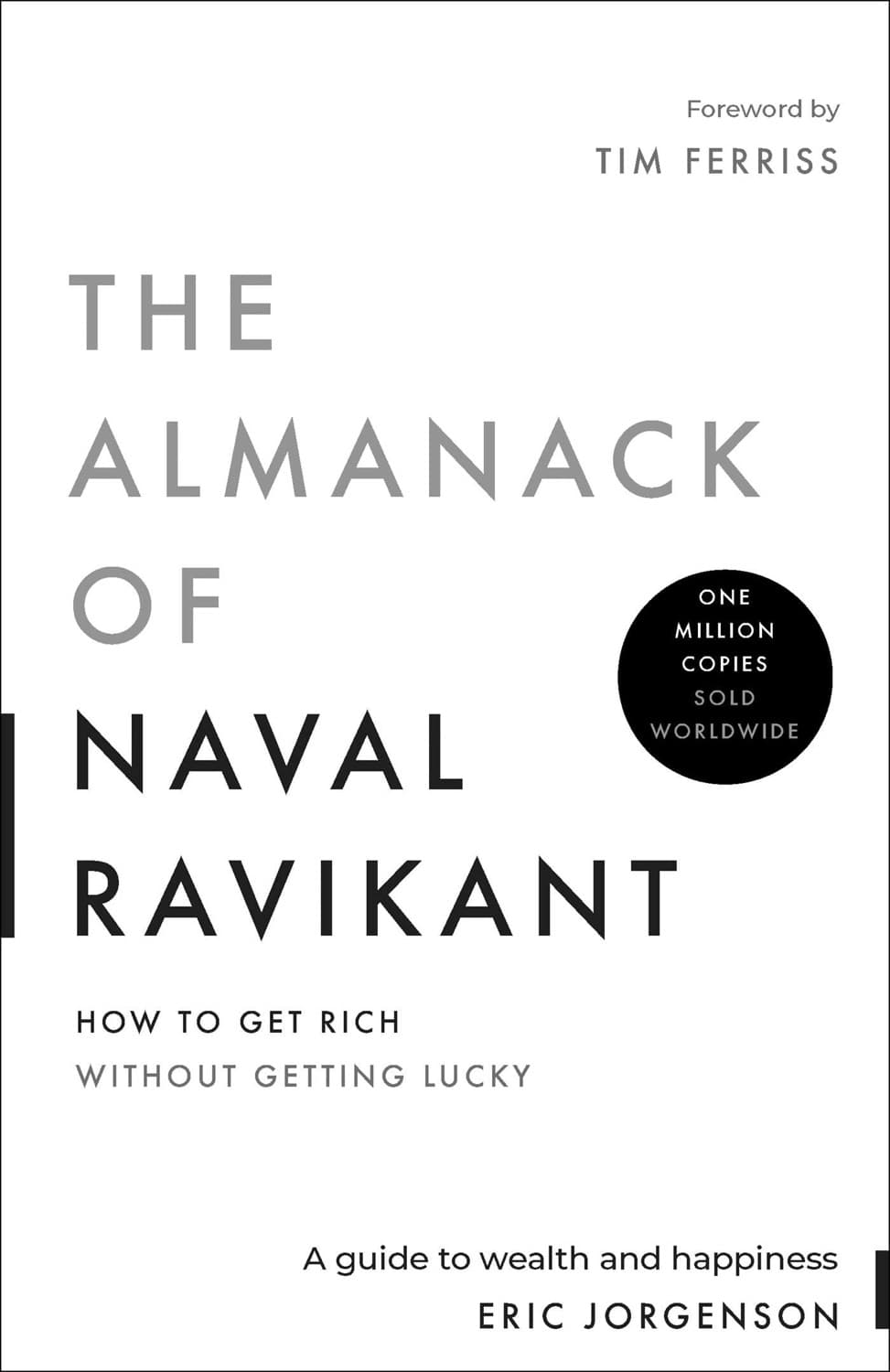
The Almanack of Naval Ravikant
Eric Jorgenson
The closest thing to Naval's collected works, pulled from a decade of tweets and talks.
Seek wealth, not money or status; wealth is assets that earn while you sleep.
It is the source text for everything else on this shelf, organizing Naval's scattered thoughts on wealth and happiness into a coherent, quotable system you can actually apply.

Poor Charlie’s Almanack
Charles T. Munger
Munger's latticework of mental models, the thinking style Naval champions constantly.
Invert, always invert: solve a hard problem by studying how it fails.
Naval treats multidisciplinary mental models as the highest-leverage skill, and this is the canonical field manual for building that latticework across psychology, mathematics, and economics.
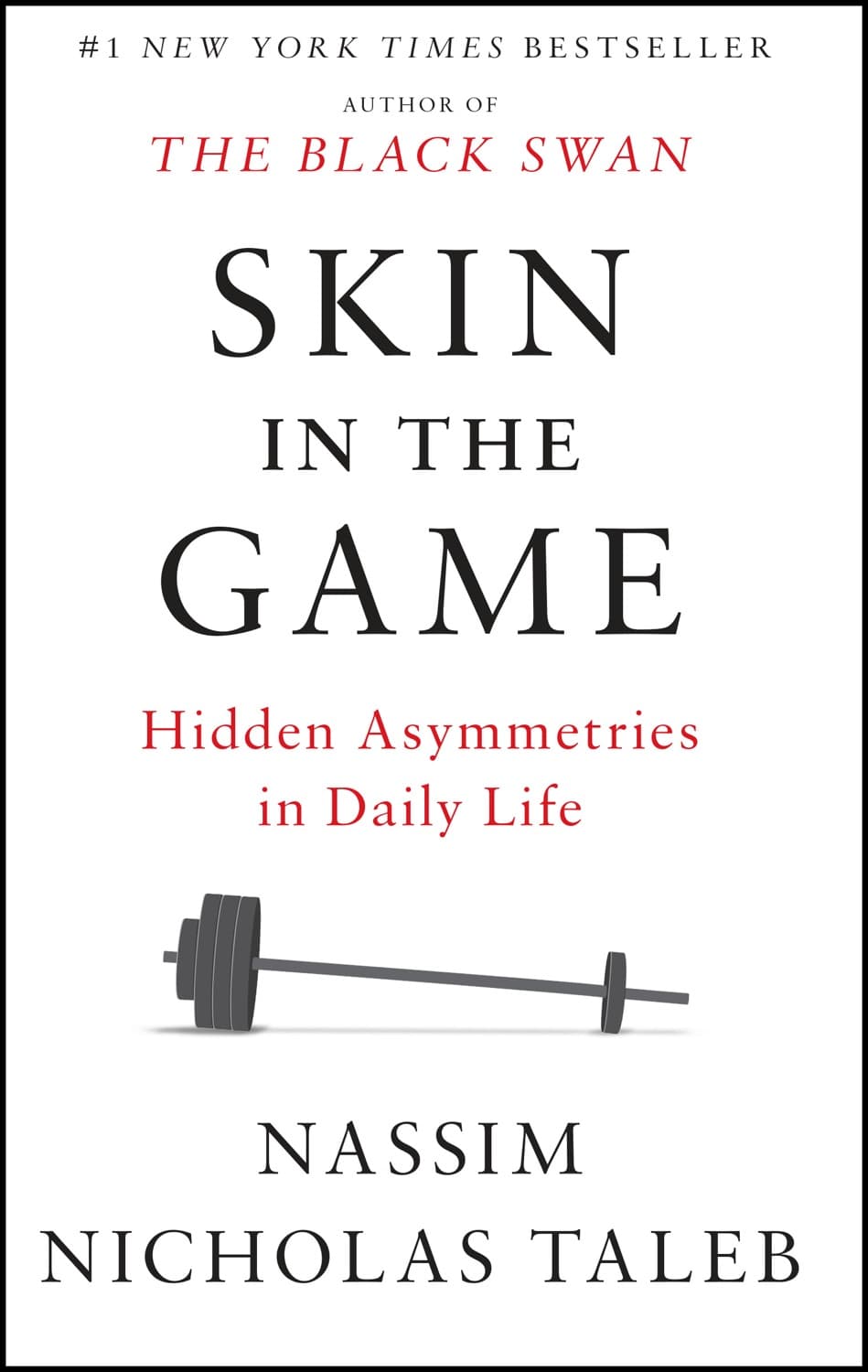
Skin in the Game
Nassim Nicholas Taleb
Taleb on why real knowledge comes from bearing your own risk.
Never trust advice from someone who pays no price when they are wrong.
Naval's emphasis on accountability, ownership, and equity over salary maps directly onto Taleb's thesis that only people who share in the downside are worth listening to.
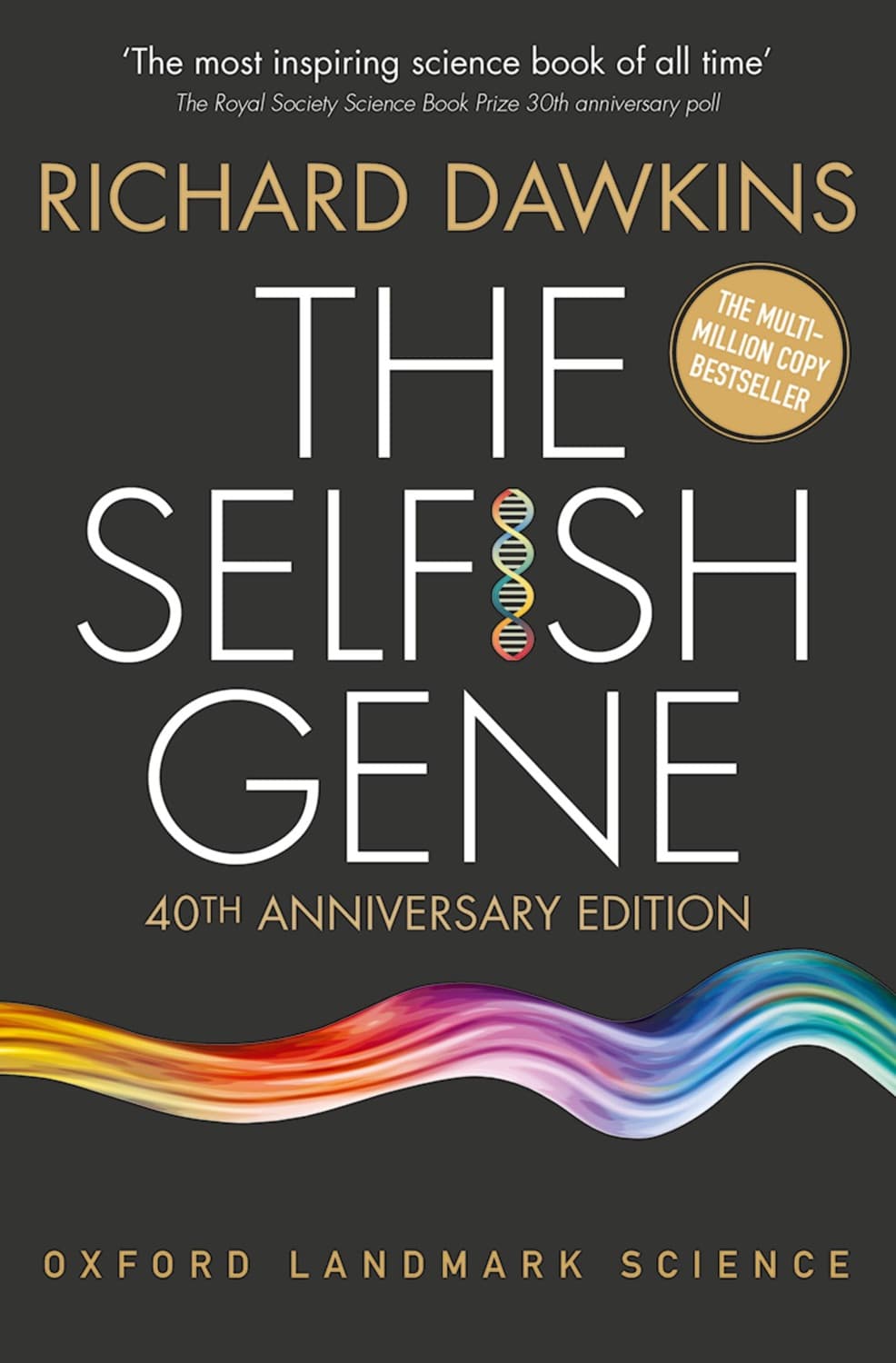
The Selfish Gene
Richard Dawkins
Dawkins on how the quiet logic of genes shapes behavior.
We are survival machines built by our genes, yet able to rebel against them.
Naval leans on evolutionary thinking to explain incentives and cooperation, and Dawkins supplies the foundational lens, reframing life as strategies competing to replicate rather than creatures merely surviving.
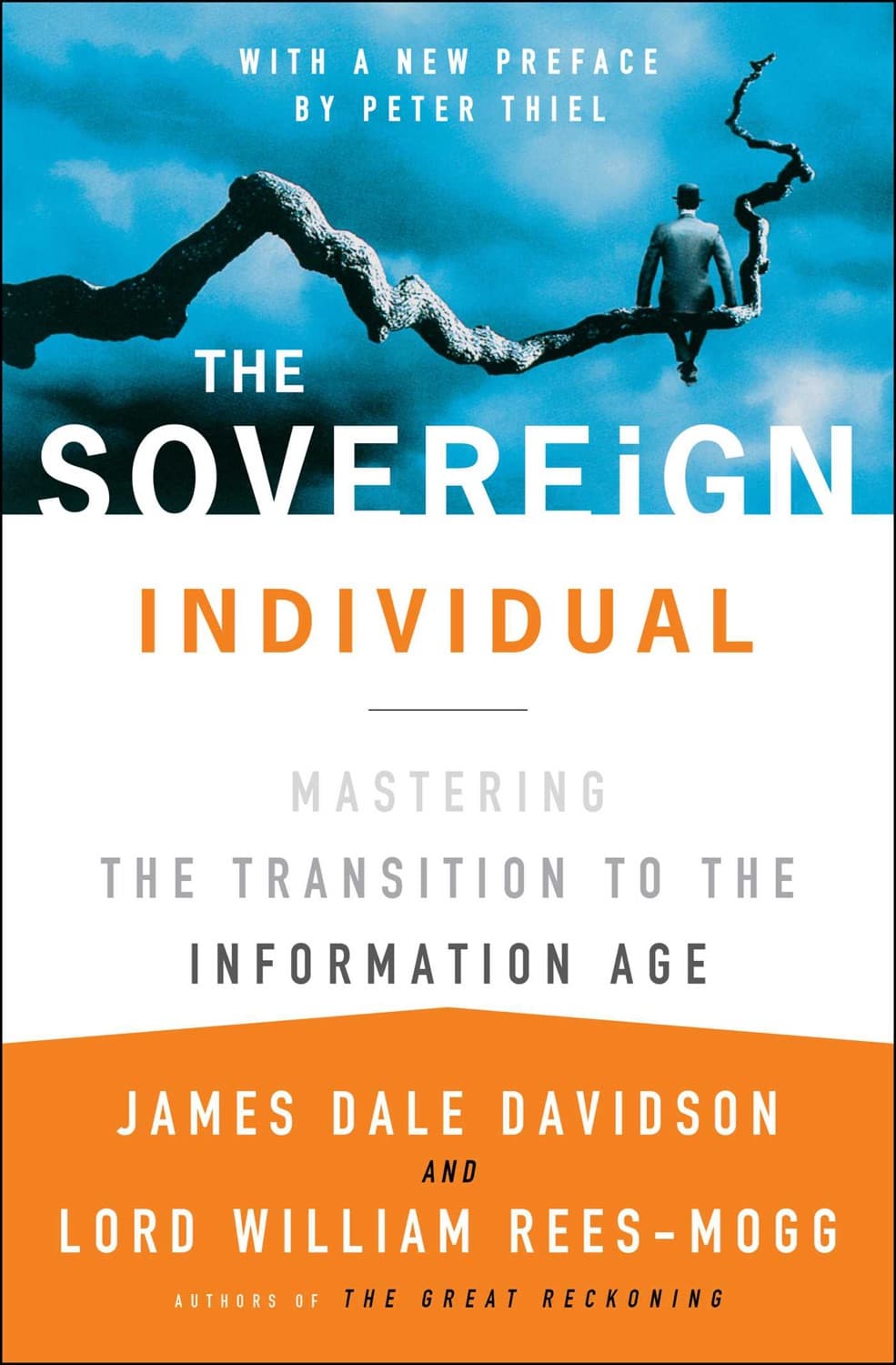
The Sovereign Individual
James Dale Davidson, Lord William Rees-Mogg
A 1997 forecast of the digital age that Naval calls prophetic.
The most valuable asset of the coming era is a mind that can move anywhere.
Its prediction that technology would unbundle the nation-state and empower mobile, self-directed individuals reads like a blueprint for the borderless, leveraged life Naval advocates.

Meditations
Marcus Aurelius
A Roman emperor's private notes on staying calm and clear.
You have power over your mind, not outside events; that is where peace lives.
Naval's take on happiness leans hard on Stoic practice, and these journals are the original manual for the equanimity and present focus he describes as a trainable habit.
Invert, always invert: solve a hard problem by studying how it fails.
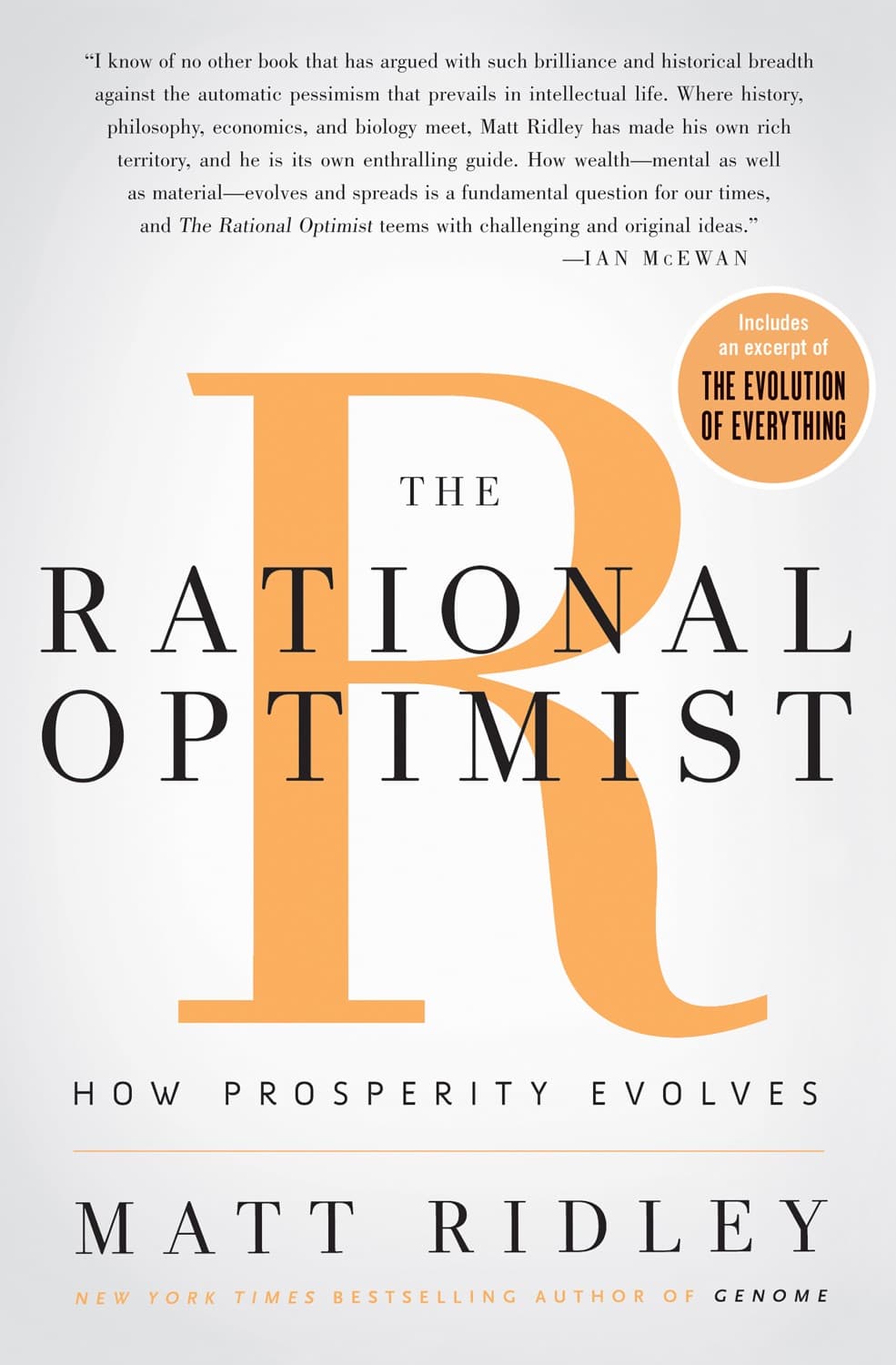
The Rational Optimist: How Prosperity Evolves
Matt Ridley
Ridley on how exchange and specialization keep raising human prosperity.
Prosperity comes from people quietly working for each other through exchange.
Naval's belief that trade and technology compound into abundance finds its clearest evidence here, where Ridley shows how the exchange of ideas drives the wealth of the whole species.

The Book
Alan Watts
Alan Watts on dissolving the illusion of the separate self.
The self you defend so fiercely is a costume, not the actor wearing it.
When Naval talks about happiness as the absence of the anxious, grasping ego, he is echoing Watts, whose slim book is the deepest and least obvious cut in his reading canon.
Can we tailor this list for you?
Type your question in the bar below and the AI will tailor a fresh set of picks just for you.