Best Books on Public Speaking
Public speaking spans rhetoric, slide craft, and the nerve to hold a room. Dale Carnegie covers the fundamentals, Chris Anderson and Carmine Gallo decode the modern TED talk, and Sam Leith traces the rhetorical tradition back to its roots.
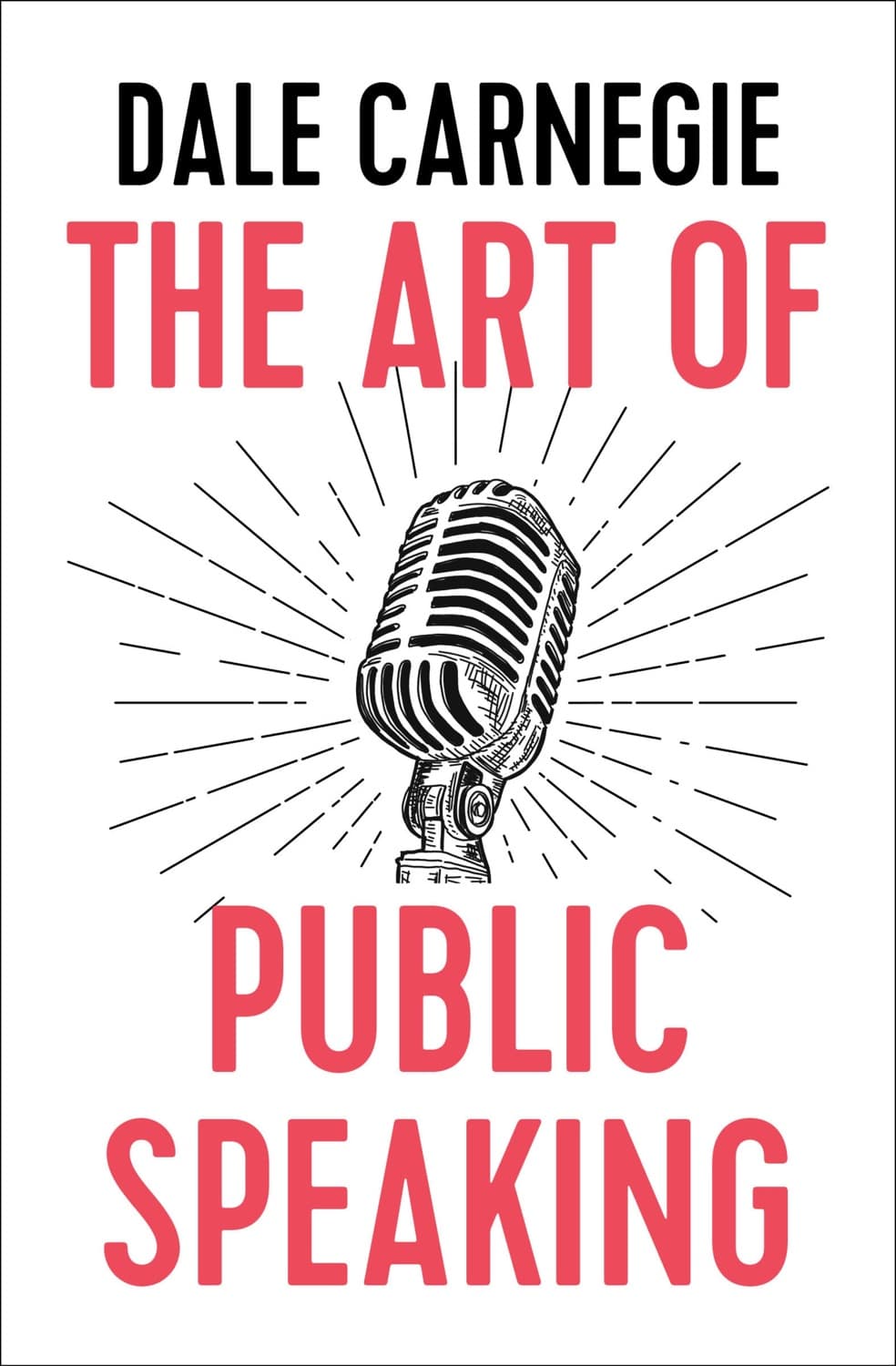
The Art of Public Speaking
Dale Carnegie
The grandfather of the speaking handbook, still drilling the basics that hold a room.
Earn the right to speak through preparation.
Dale Carnegie's early manual works through nerves, memory, delivery, and audience connection one practice at a time. It is for the speaker who wants to build a foundation through repetition rather than tricks.
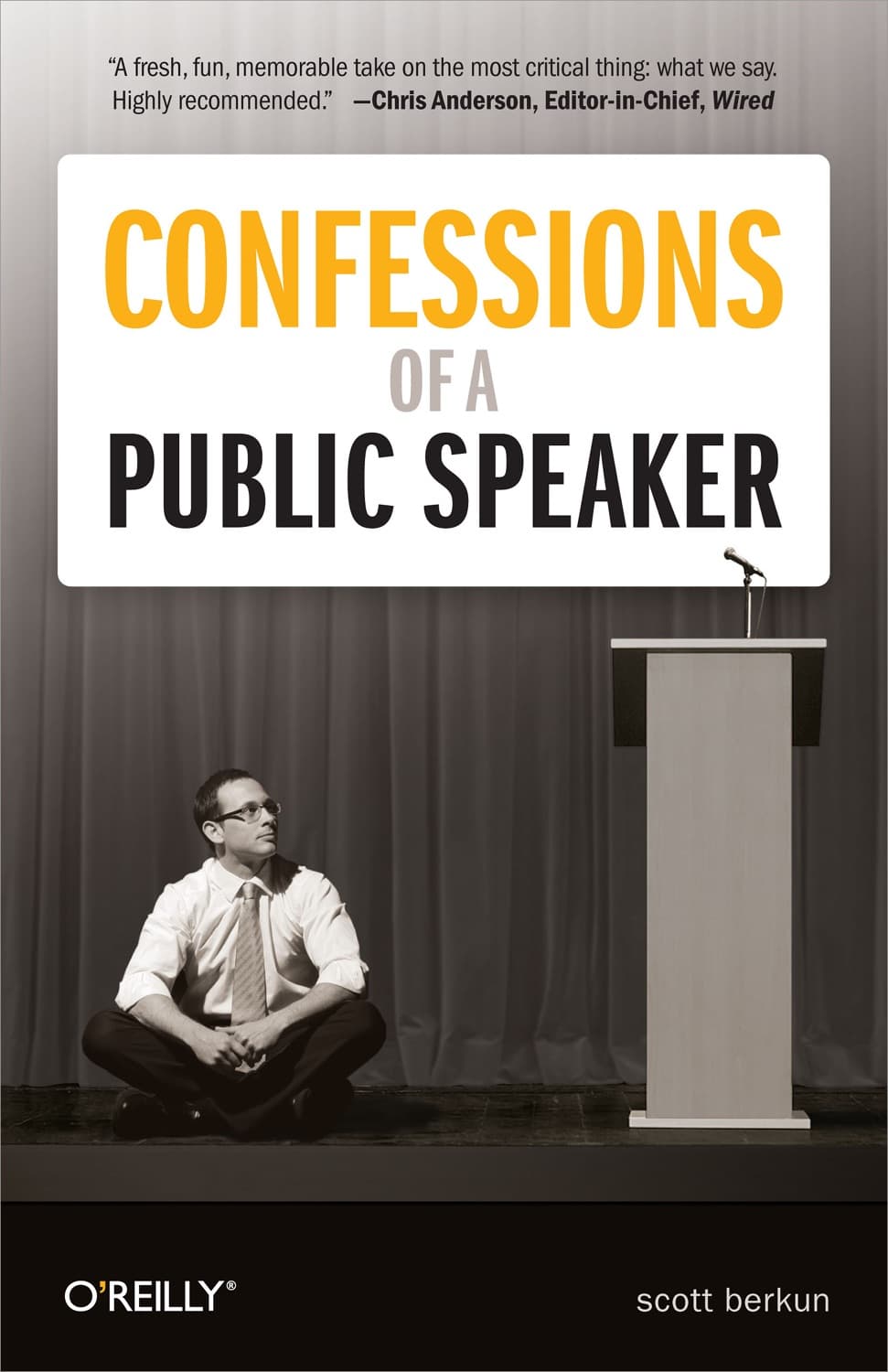
Confessions of a Public Speaker
Scott Berkun
A working speaker admits, in detail, everything that goes wrong on stage.
Confidence comes from rehearsal, not from feeling ready.
Scott Berkun pulls back the curtain on stage fright, hostile rooms, and his own bombed talks, then explains how he recovers. It is for anyone who finds most speaking advice too polished to trust.
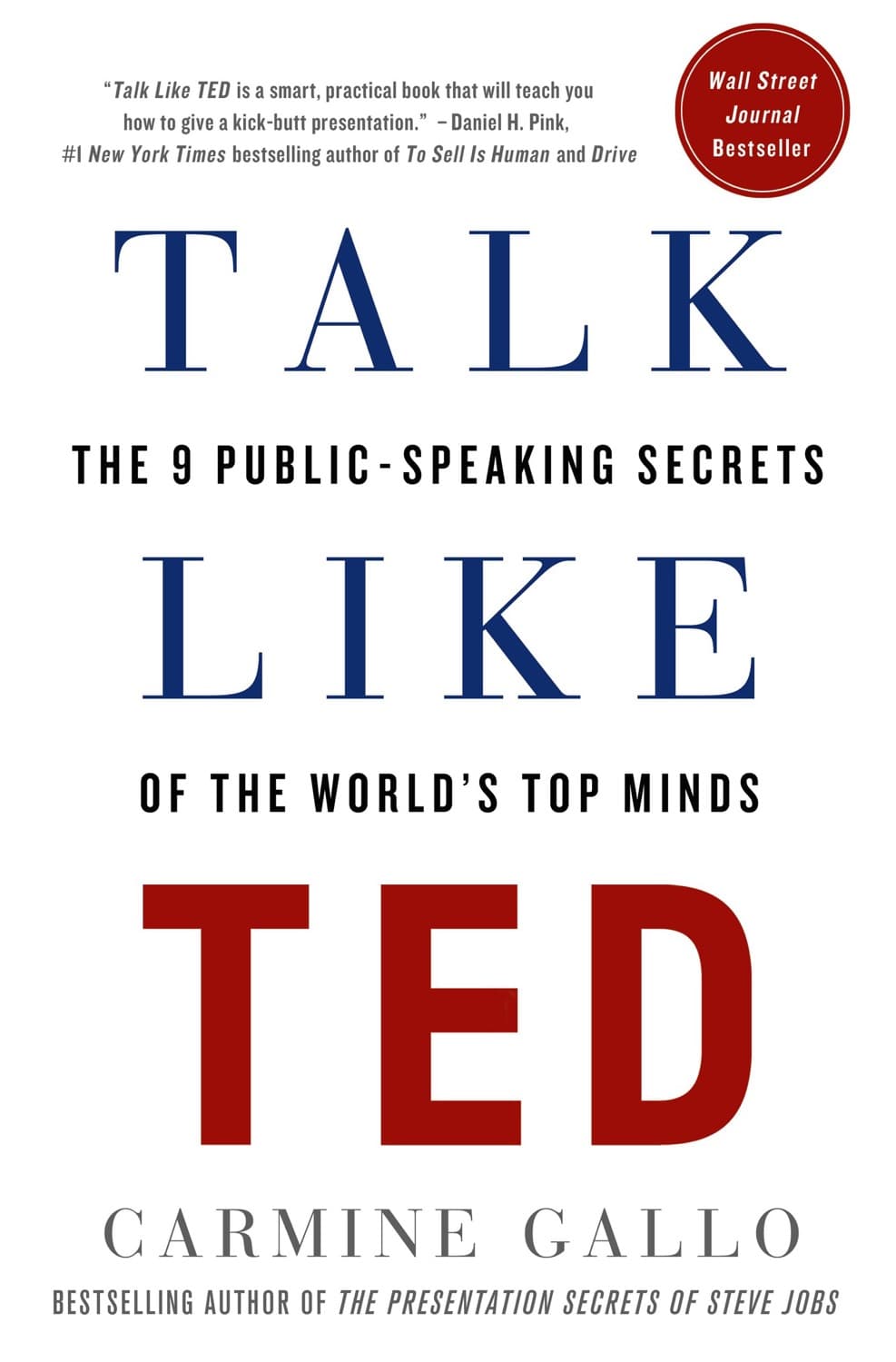
Talk Like TED
Carmine Gallo
Reverse-engineers what the most watched TED talks actually do.
Stories beat statistics for holding attention.
Carmine Gallo breaks popular talks into repeatable moves: emotion, novelty, a memorable line, the eighteen-minute limit. It is for the speaker preparing a specific high-stakes talk who wants a concrete checklist.
TED Talks
Chris Anderson
The head of TED on how to shape an idea worth spreading.
Build every talk around one core idea.
Chris Anderson, who runs TED, walks through finding your throughline, scripting, and rehearsing a talk built around a single idea. It is for speakers who want guidance on substance and structure, not just stage presence.
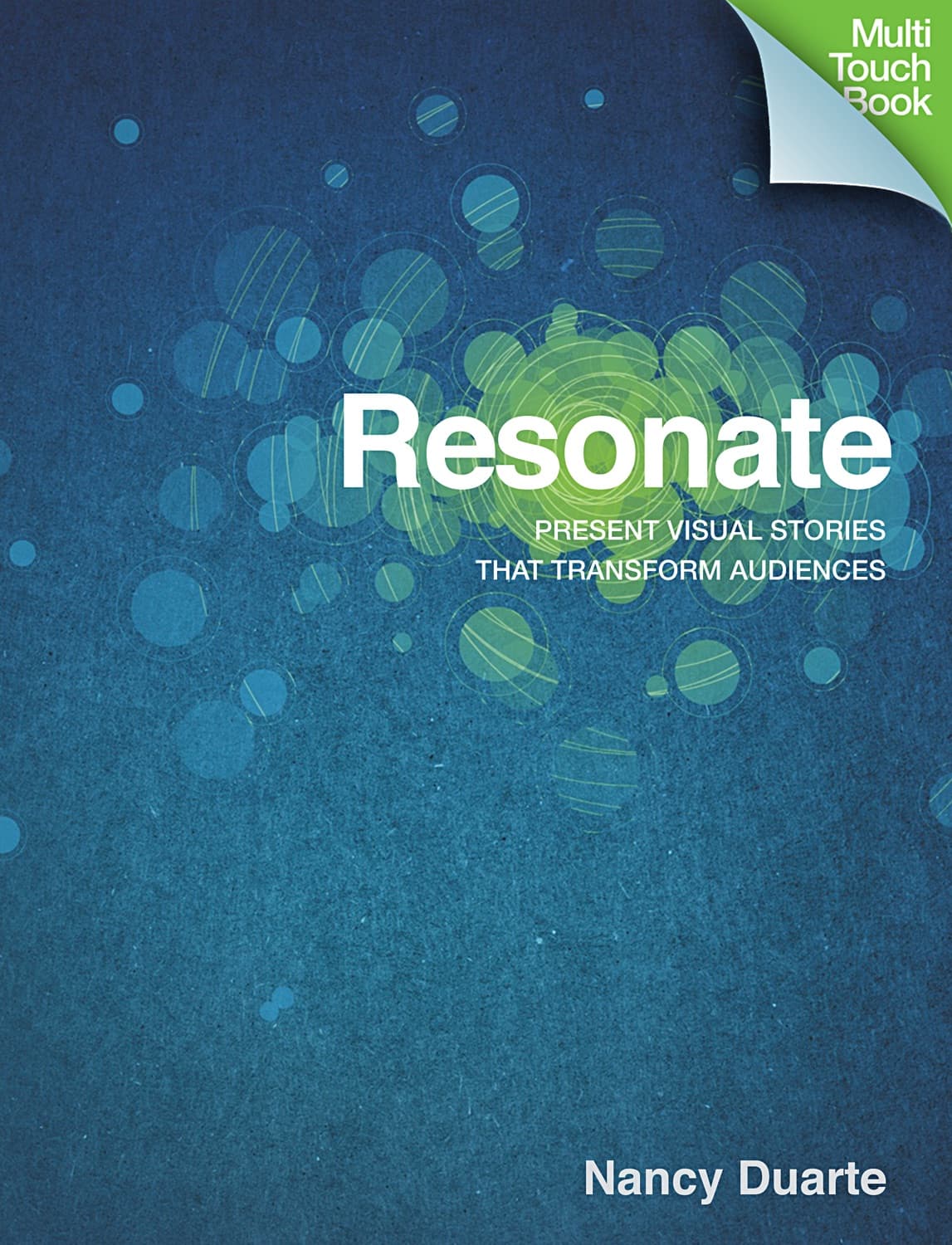
Resonate
Nancy Duarte
Treats a presentation as a story with a hero: the audience.
Position the audience as hero, you as mentor.
Nancy Duarte borrows from film and literature to map the emotional arc of a persuasive talk, contrasting what is with what could be. It is for presenters who can make slides but struggle to make them move people.
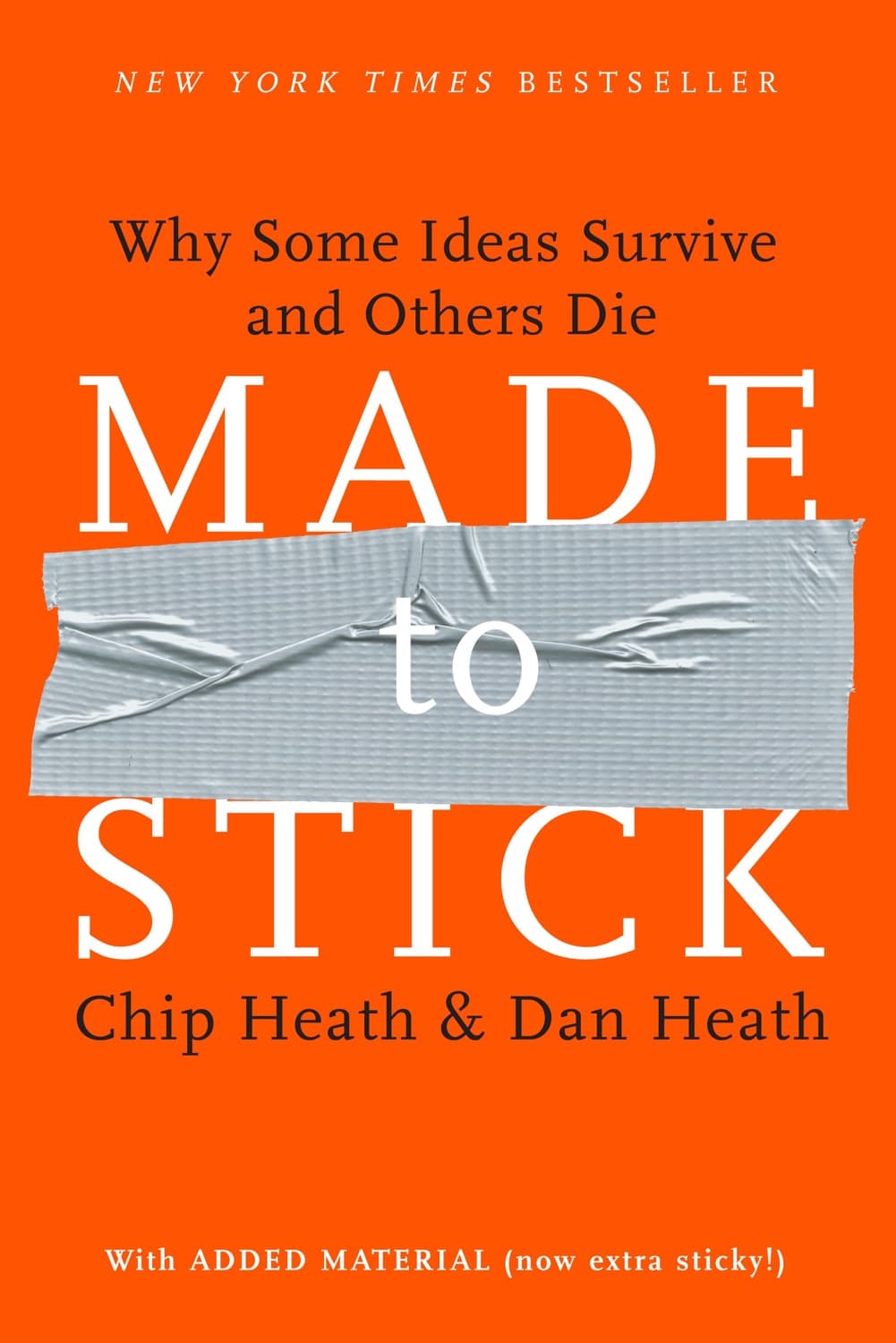
Made to Stick
Chip Heath
Explains why some ideas lodge in memory while others evaporate.
Strip an idea to one concrete, surprising core.
Chip Heath and Dan Heath distill stickiness into a framework: simple, unexpected, concrete, credible, emotional, story. It is for any speaker whose problem is not delivery but a message that does not survive the walk to the parking lot.
Confidence comes from rehearsal, not from feeling ready.
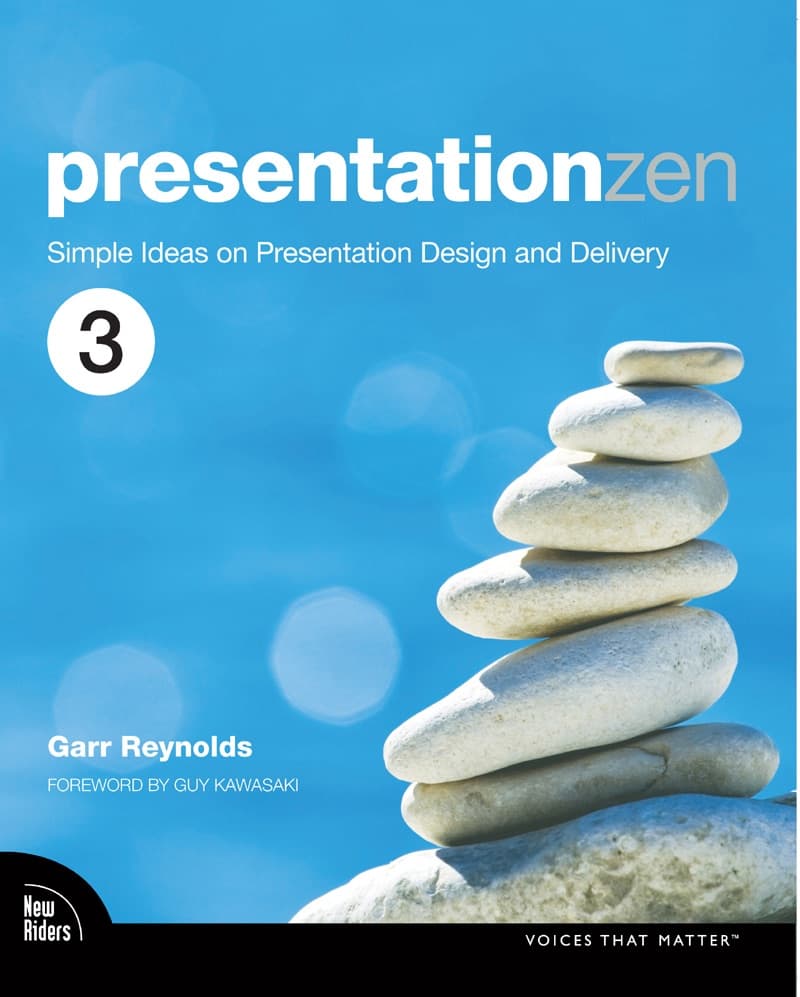
Presentation Zen
Garr Reynolds
Argues that the best slide is often the emptiest one.
One idea per slide, almost no text.
Garr Reynolds applies principles of restraint and visual simplicity to kill the bullet-point deck. It is for the speaker who wants slides that support a talk instead of competing with it.
Words Like Loaded Pistols
Sam Leith
Carries the art of persuasion from Aristotle to the modern podium.
Ethos, pathos, and logos still carry every argument.
Sam Leith lays out classical rhetoric, its five canons and three appeals, then shows them at work in real speeches across history. It is for the speaker who wants the underlying theory behind why persuasive language works.
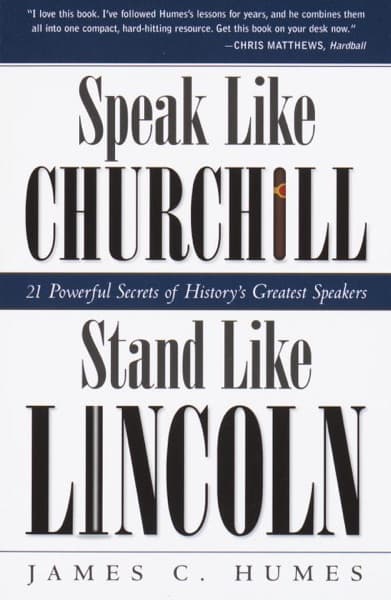
Speak like Churchill, stand like Lincoln
James C. Humes
Mines famous orators for techniques you can borrow tomorrow.
Open strong, close strong, pause for weight.
James C. Humes, a speechwriter for several presidents, breaks great speeches into reusable devices: the power pause, the strong opening, the memorable close. It is for the speaker who learns best by studying and imitating proven models.
Can we tailor this list for you?
Type your question in the bar below and the AI will tailor a fresh set of picks just for you.