Best Books for Aspiring Philosophers
Becoming a philosopher begins not with memorizing systems but with learning to ask sharper questions and follow them without flinching. These books build that habit: maps of the tradition, primers that teach the moves, a toolkit for clean argument, thought experiments to practice on, and a primary text showing what the examined life asks.
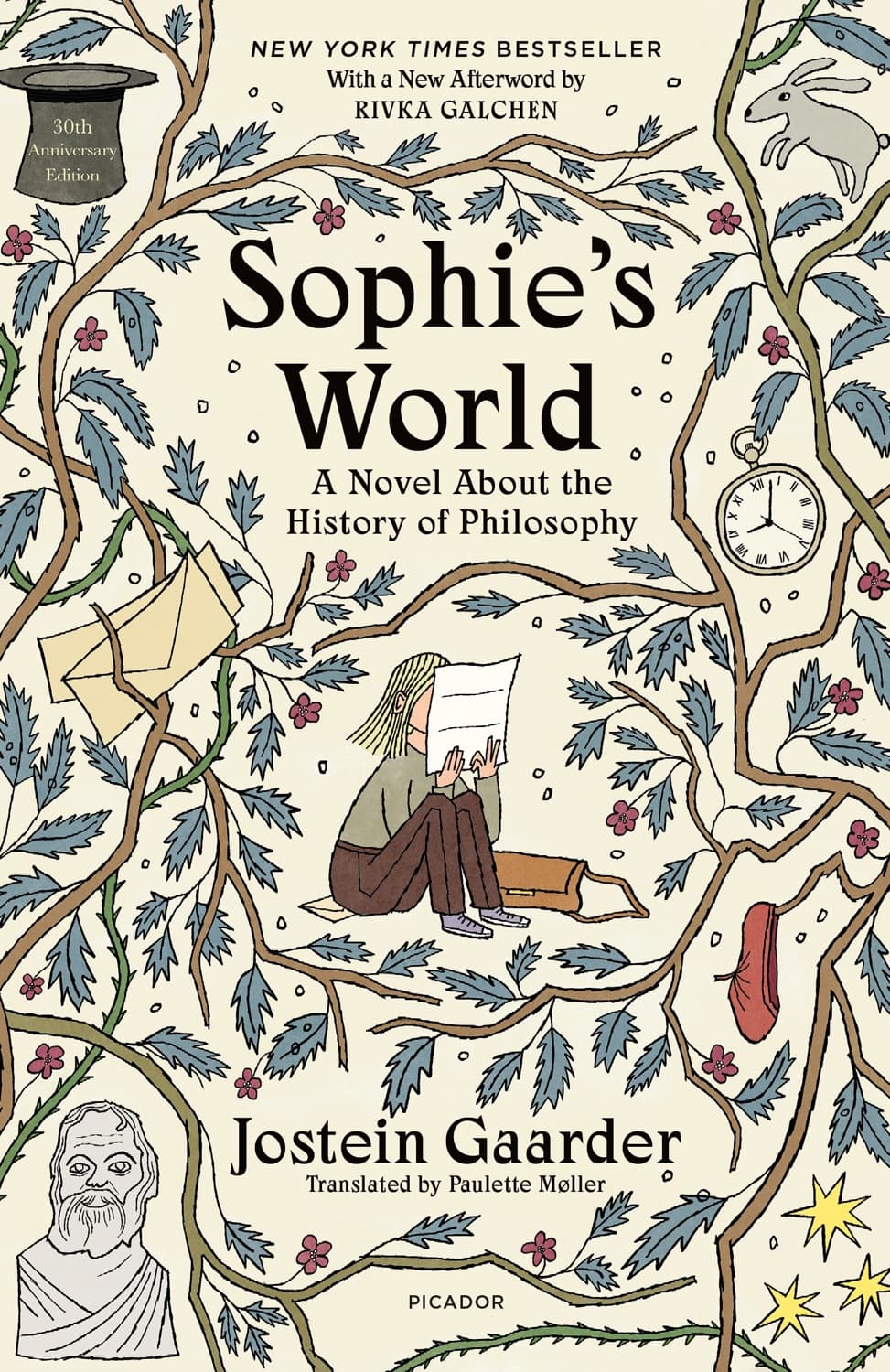
Sophie's world
Jostein Gaarder
A teenage girl gets mysterious letters that smuggle in the whole history of philosophy.
The questions a child asks, why am I here and what is real, are the same ones the great philosophers never stopped asking.
It teaches the entire Western tradition as a story, so a beginner absorbs Socrates, Descartes, and Kant as living questions rather than names to memorize before opening a single real text.
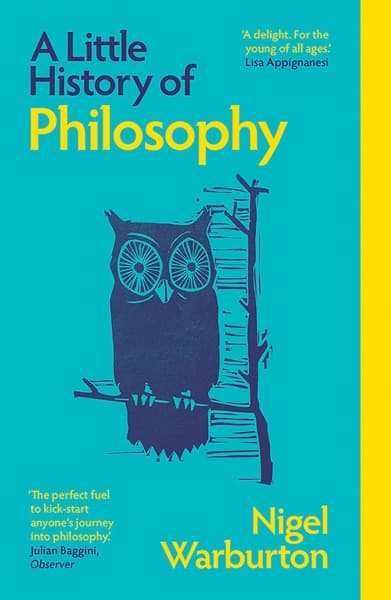
A little history of philosophy
Nigel Warburton
Forty short chapters, each a philosopher and the problem that obsessed them.
Philosophy advances less by answers than by sharper questions handed from one thinker to the next.
Warburton compresses two and a half millennia into clear, connected episodes, giving an aspiring philosopher a mental map of who argued with whom and why those fights still matter.
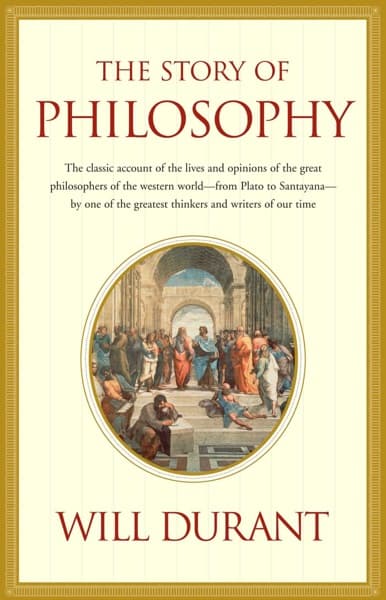
The Story of Philosophy
Will Durant
A 1926 bestseller that made philosophy feel like the best gossip about the smartest people alive.
Every philosophy is partly autobiography, the shape a particular mind gives to the chaos it was born into.
Durant ties each system to the life and temperament of the thinker who built it, showing a newcomer that ideas come from people wrestling with their own age, not from a vacuum.
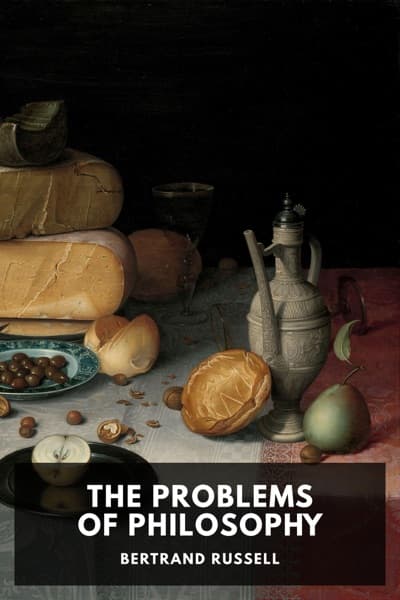
The Problems of Philosophy
Bertrand Russell
The shortest serious introduction to what philosophy actually does.
Philosophy is valuable not for settled answers but for the way its questions enlarge the mind that holds them.
Russell takes one ordinary question, is that table really there, and shows how rigorous thinking turns it into appearance, reality, and knowledge, modeling the moves you must learn to make yourself.
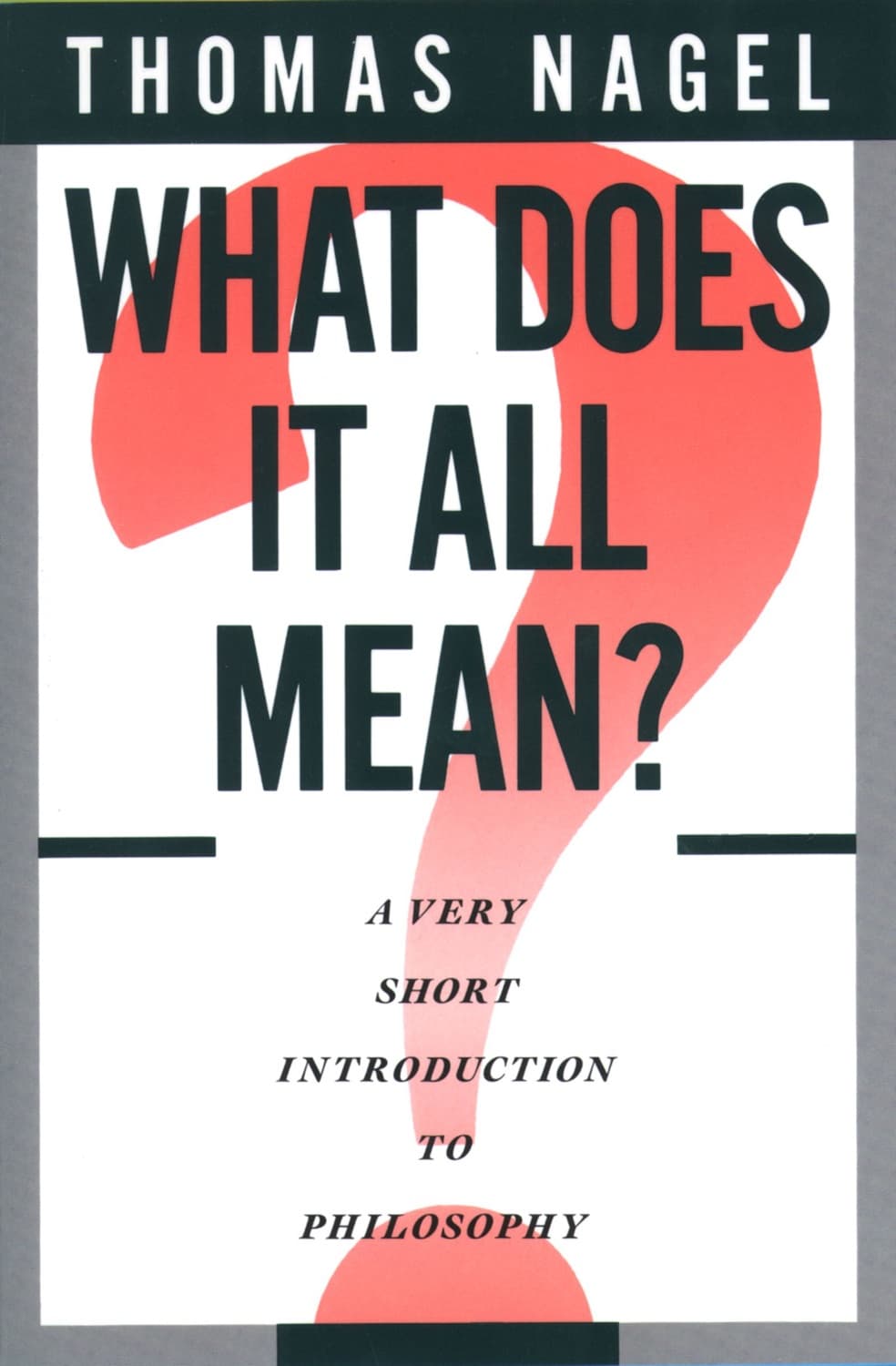
What does it all mean?
Thomas Nagel
Nine of philosophy's hardest problems in under a hundred pages.
You can do real philosophy with nothing but your own mind, an honest question, and the patience to not look away.
Nagel refuses to hide behind jargon, walking through free will, consciousness, and the meaning of life so a reader practices reasoning about them instead of being handed the conclusions.
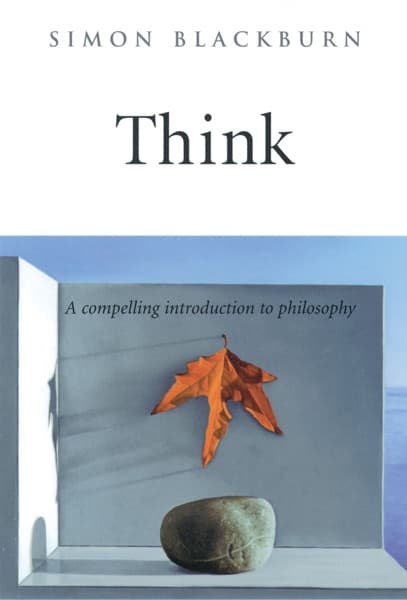
Think
Simon Blackburn
A rigorous on-ramp into how professional philosophers actually argue.
Clear thinking is not a gift you are born with but a discipline built one careful distinction at a time.
Blackburn covers knowledge, mind, free will, and God with the precision of analytic philosophy while staying readable, bridging the gap between popular intros and the technical literature.
Philosophy advances less by answers than by sharper questions handed from one thinker to the next.
Thinking from A to Z
Nigel Warburton
An alphabetical field guide to good and bad arguments.
Knowing the name of a fallacy is the fastest way to stop being fooled by it, including when you are the one committing it.
It names the moves, the straw man, the slippery slope, the false dilemma, handing an aspiring philosopher the practical toolkit for dismantling weak reasoning and building strong cases of their own.
The pig that wants to be eaten
Julian Baggini
A hundred bite-sized thought experiments that force you to actually decide.
A vivid imaginary case can expose a belief you did not even know you were holding.
Each scenario hands you a puzzle, the teleporter or the lifeboat, and leaves you to reason it out, which is the single best exercise for building the philosophical instinct to test ideas against hard cases.
The Last Days of Socrates
Plato
Plato's account of the trial and death of the man who invented the examined life.
Socrates chose death over silence, proving that to him philosophy was not an occupation but the only life worth living.
Reading a primary source is non-negotiable for an aspiring philosopher, and these dialogues show philosophy as a way of living and dying rather than a subject, through Socrates refusing to stop questioning.
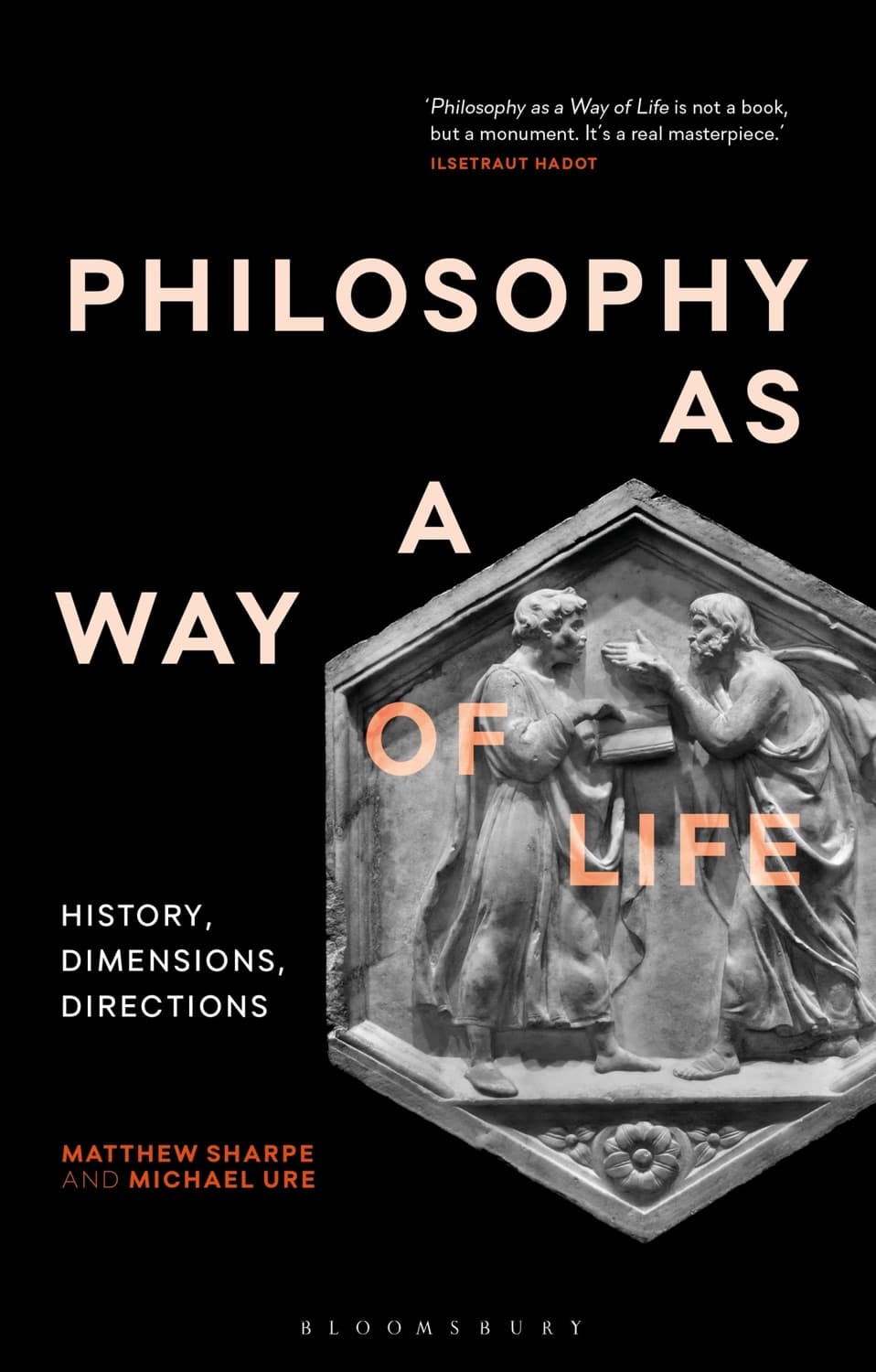
Philosophy as a way of life
Pierre Hadot
A scholar's argument that ancient philosophy was a practice, not a set of doctrines.
The ancients did not study philosophy to know more but to become different, treating each idea as an exercise to live by.
Hadot shows that for the Greeks and Romans philosophy meant daily spiritual exercises aimed at transforming how you live, reframing the whole project for anyone who assumed it meant mastering theories.
Can we tailor this list for you?
Type your question in the bar below and the AI will tailor a fresh set of picks just for you.