Best Books on Mineral Dependency
Mineral dependency is a supply chain story and a power story. Michael Klare and Guillaume Pitron show how scarce inputs reshape geopolitics, industry, and everyday technologies.
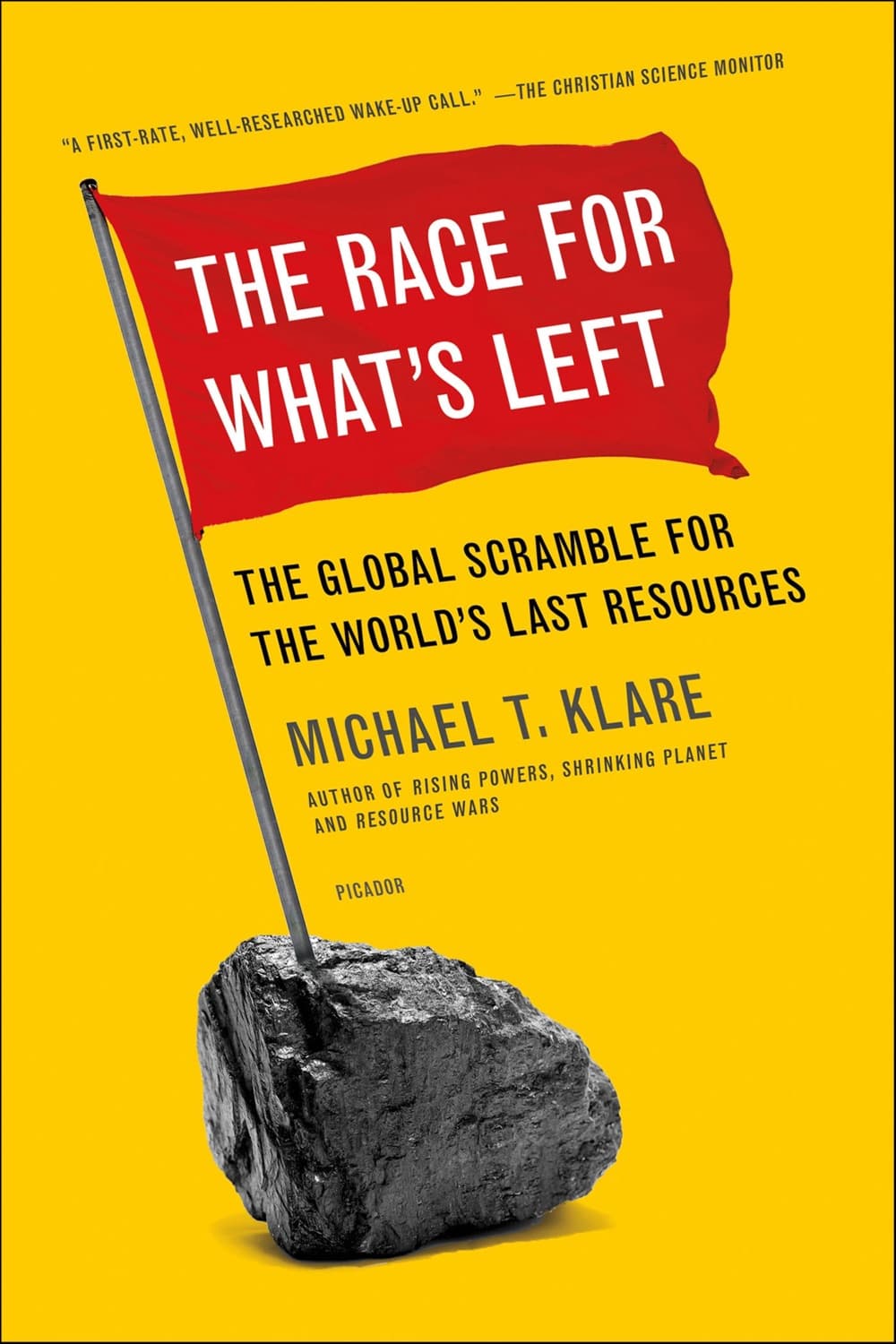
The Race for What's Left
Michael Klare
Competition for dwindling strategic resources pulls governments from energy planning into direct rivalry over the stuff behind modern life.
Scarcity turns resources into strategy.
Klare connects mineral dependency to the geopolitical habits that follow scarcity: leverage, coercion, and preemptive moves. It fits mineral dependency because it treats inputs as security problems, not just market items.
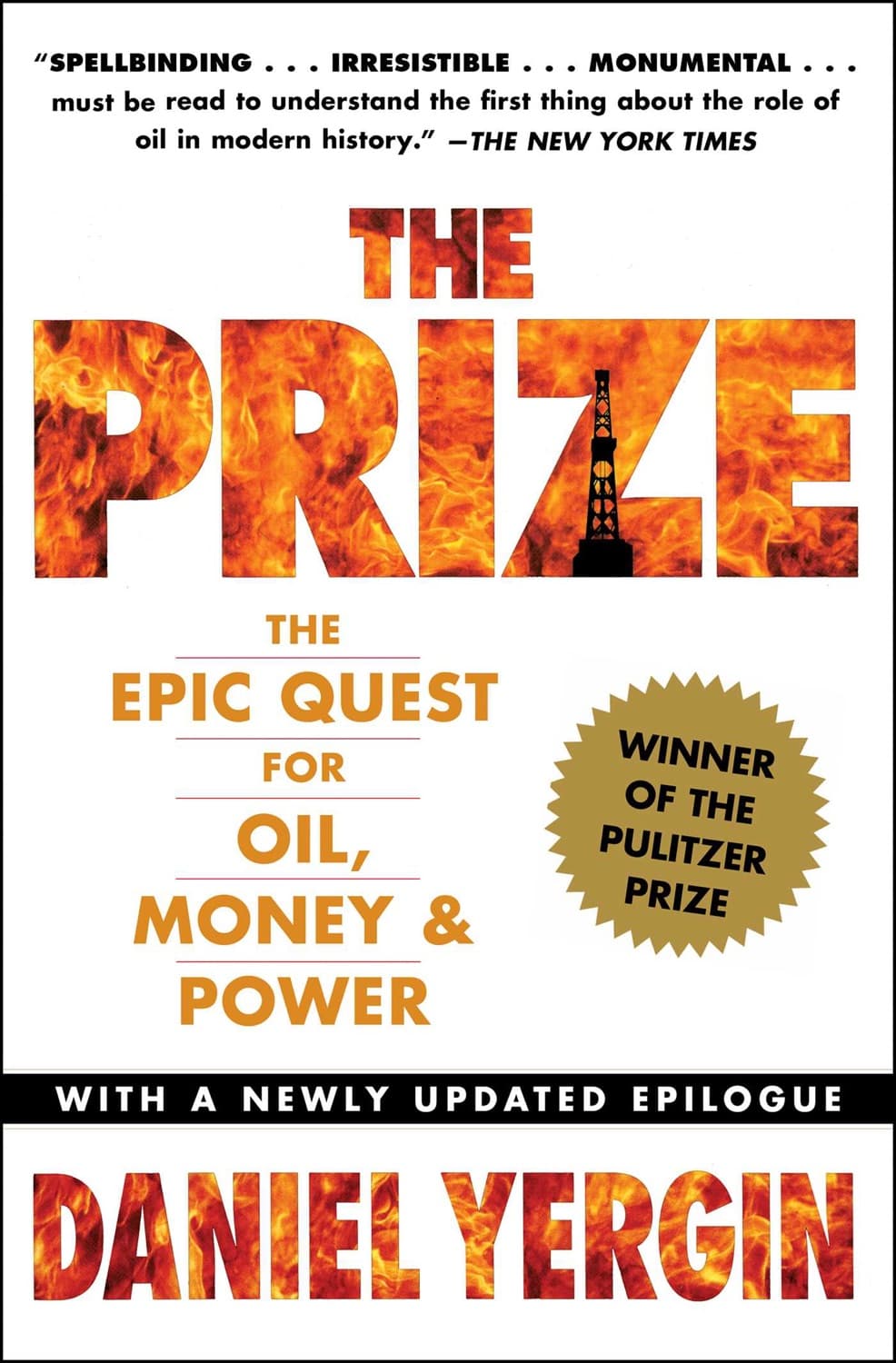
The Prize
Daniel Yergin
The same pattern that shaped oil empires also explains why mineral dependence becomes a high-stakes scramble for control.
Resource power rewards coordination and punishes delay.
Yergin offers a sweeping resource-dependence lens, even when the narrative center is energy. It matters for minerals because the core mechanics of extraction, state power, and corporate risk travel across commodities.
The Elements of Power
David S. Abraham
Rare metals stop being background inputs and become the deciding factor in whether modern technologies can scale at all.
Technologies hinge on specific elements, not averages.
Abraham explains rare-metals dependence in plain terms, grounding the reader in why specific elements bottleneck innovation and industry. If you want mineral dependency that connects to real products, this gives the clearest cause-effect map.
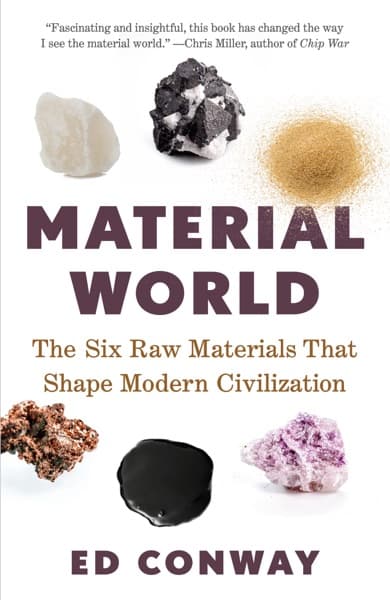
Material World
Ed Conway
Civilization runs on materials you rarely think about, and the next bottleneck arrives when those materials fail to keep up.
Supply bottlenecks are as political as they are technical.
Conway pulls mineral and materials dependence into a civilization-scale explanation, emphasizing how demand, processing, and geopolitics collide. It fits the theme because it shows dependency as a system, not a single headline crisis.

Cobalt Red
Siddharth Kara
Cobalt, the battery mineral that promises cleaner transport, is tied to brutal extraction realities that markets can’t easily sanitize.
A battery mineral can carry a supply-chain moral bill.
Kara traces cobalt dependency from mines to manufacturing, showing how supply chains absorb risk and responsibility. It matters for mineral dependency because it forces the moral and human cost of “essential inputs” into the foreground.
The Rare Metals War
Guillaume Pitron
Green technology shifts the battleground: instead of oil, nations and firms compete over rare-earth and processing capacity.
Refining capacity can matter more than mining volume.
Pitron makes rare-metals dependence concrete by following how strategic materials move through trade chokepoints and industrial bottlenecks. It fits mineral dependency because it treats “transition minerals” as the new leverage in global power games.
Resource power rewards coordination and punishes delay.
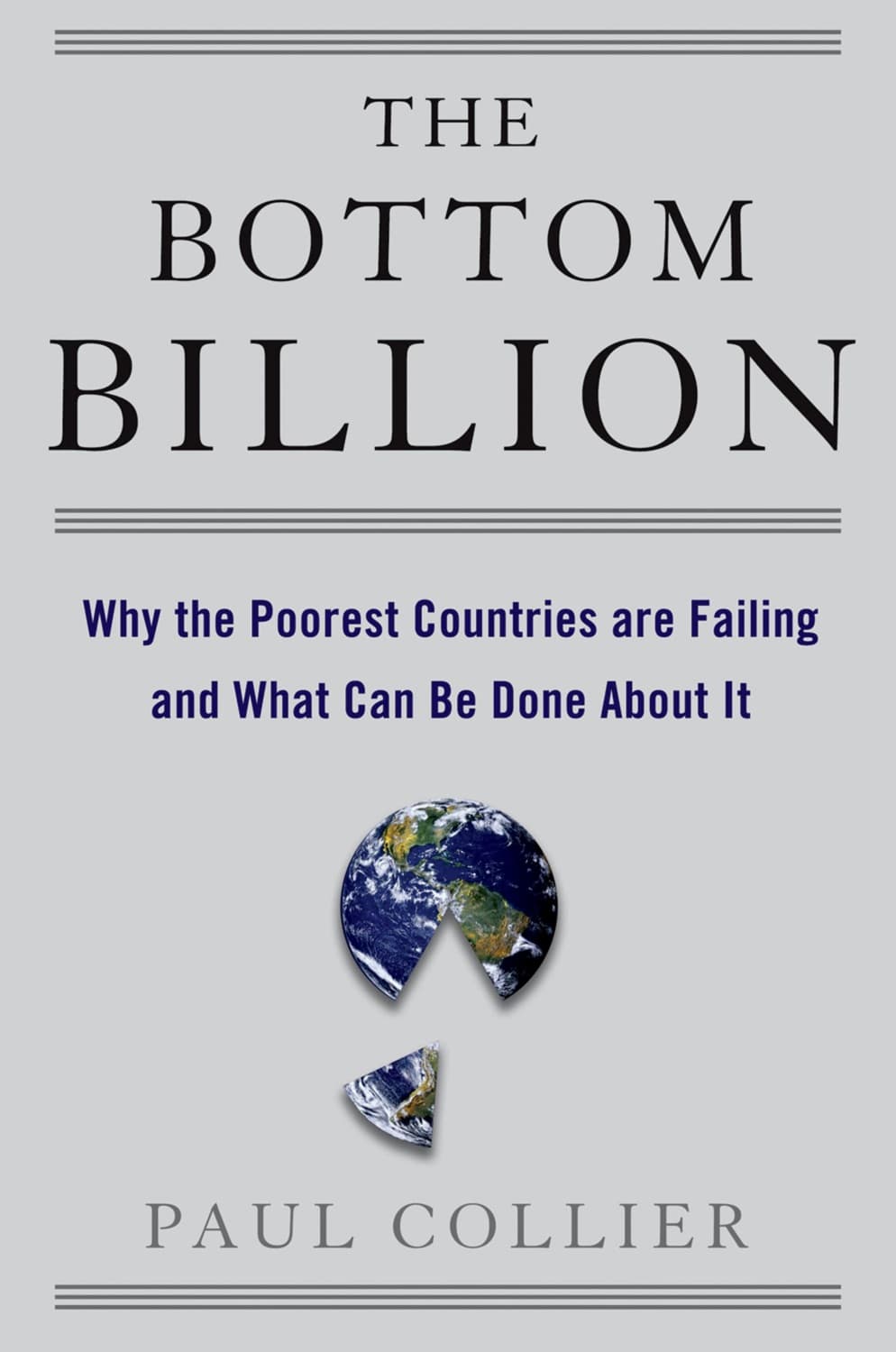
The bottom billion
Paul Collier
Resource reliance can trap countries in conflict and stagnation by weakening incentives for diversified growth.
Resource dependence can crowd out diversification.
Collier connects commodity dependence to governance breakdown and economic bottlenecks, giving a development-focused explanation of why minerals can worsen outcomes. If mineral dependency is your lens for inequality and instability, this supplies the classic structural argument.

The looting machine
Tom Burgis
Mineral wealth becomes a financing engine for power struggles when institutions can’t stop extraction from turning into extraction-of-the-state.
When governance fails, minerals fund predation.
Burgis centers the on-the-ground mechanics of corruption, armed influence, and dependency in African mineral sectors. It helps mineral dependency thinking by showing how revenues, enforcement, and incentives shape outcomes at every step.
Escaping the Resource Curse
Macartan Humphreys, Jeffrey Sachs, Joseph E. Stiglitz
Resource dependence doesn’t doom countries automatically, but escaping it requires better rules for how value is managed and shared.
Institutions, not minerals, determine outcomes.
This collection is built around policy: governance design, transparency, and institutions that reduce the volatility and rent-seeking that accompany resource booms. It fits your topic by turning mineral dependency into an actionable problem of incentives.
Can we tailor this list for you?
Type your question in the bar below and the AI will tailor a fresh set of picks just for you.