Best Books on Geopolitics
Geopolitics books that sharpen the lens: Mearsheimer on great-power rivalry, Kaplan on how geography sets the constraints, and Zeihan on demographics and trade.
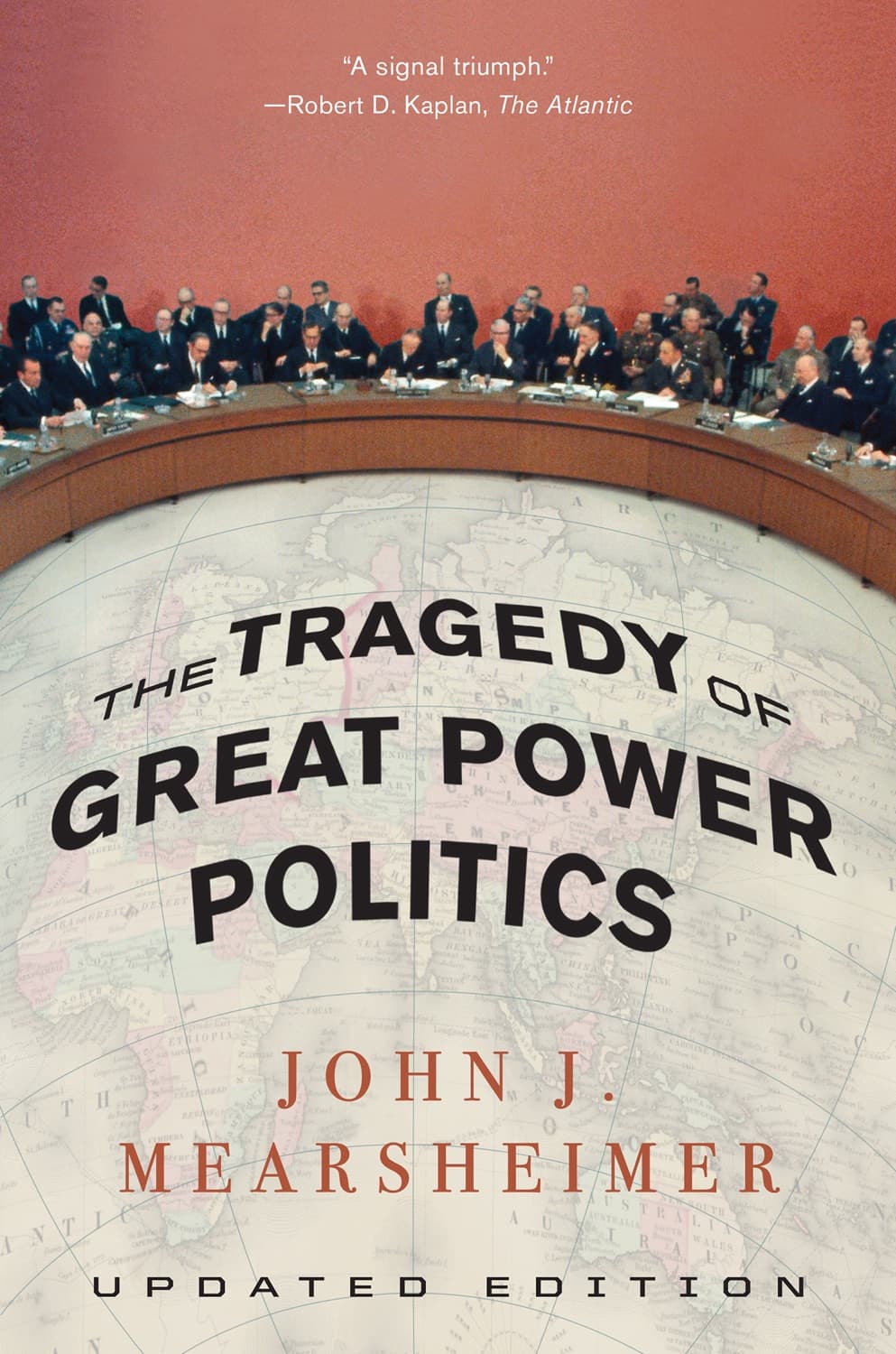
The Tragedy of Great Power Politics
John J. Mearsheimer
After finishing Mearsheimer, you will interpret alliances and arms build-ups as predictable reactions to fear and power, not as moral choices.
Security dilemma: fear turns into arms races.
Mearsheimer’s realist framework makes state behavior legible under uncertainty: survival pressures, security dilemmas, and power-maximizing incentives. For geopolitics, it gives you a durable baseline model so other books can be tested against it instead of read as one-off stories.
The Revenge of Geography
Robert D. Kaplan
Kaplan argues that maps are not scenery: rivers, coasts, and corridors quietly decide which strategies are viable.
Terrain determines friction, not slogans.
He translates geographic constraints into geopolitical intuition, linking terrain to trade routes, defensive depth, and expansion incentives. If you want geopolitics that feels grounded and practical, this trains you to see why some borders and regions invite conflict despite ideology or leaders.
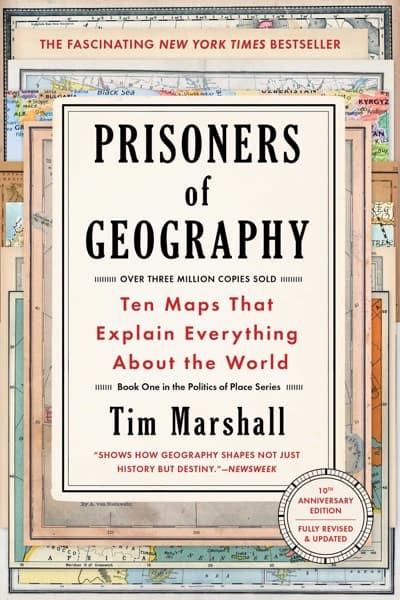
Prisoners of geography
Tim Marshall
Marshall’s country-by-country approach makes “where” feel as decisive as “who,” turning headlines into predictable geographic problems.
Chokepoints are leverage under pressure.
The book differs by teaching through clear geographic drivers like distance, water access, natural barriers, and chokepoints. It matters for your goal because it reduces the intimidation factor of geopolitics while still giving you a framework to interpret strategic choices.
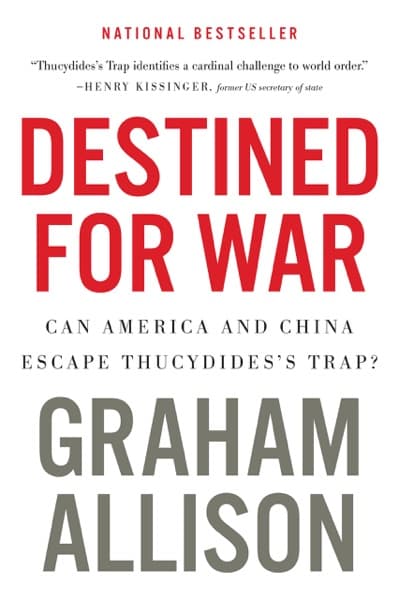
Destined for War
Graham Allison
Allison shows how the US and China can stumble into catastrophe through rigid assumptions and mismanaged signals, not just deliberate aggression.
Kissinger’s question: how leaders misread each other.
Instead of treating rivalry as a single storyline, he uses competing explanatory lenses to analyze US-China tensions. That matters if you want geopolitical understanding that survives contact with complexity: incentives, perceptions, institutions, and leadership psychology all get weighed.

The accidental superpower
Peter Zeihan
Zeihan’s demographic and supply-chain argument flips the script: global power shifts can hinge on logistics bottlenecks as much as military strength.
Logistics beats grand strategy when systems strain.
Where many geopolitics books emphasize borders or ideology, this one foregrounds how food, energy flows, and population trajectories shape state leverage. For your reading goal, it adds a surprising operational angle that helps you interpret crises as systems failures and constraints, not just clashes of wills.
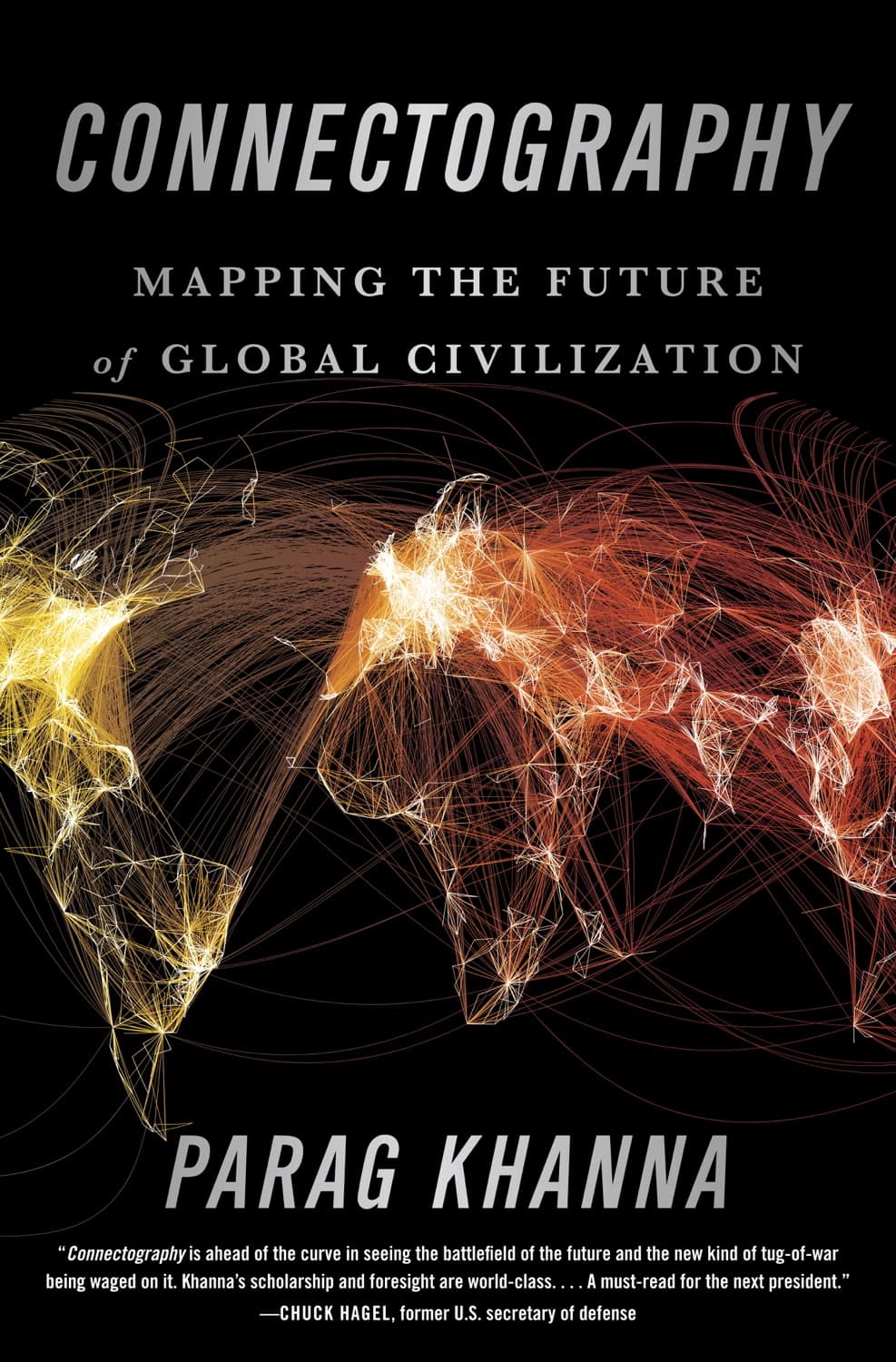
Connectography
Parag Khanna
Khanna pushes you to treat infrastructure networks as the real map, where pipelines, cables, and ports can outrank sovereignty.
Networks route power: trade follows nodes.
This book’s distinctive contribution is its thesis that connectivity and network effects increasingly govern geopolitical outcomes. For geopolitics, it gives you a lens to connect economics, technology, and security into one story without losing attention to real-world leverage points.
Terrain determines friction, not slogans.
The New Map
Daniel Yergin
Yergin makes energy geography feel like destiny: oil and gas dynamics, and now renewables, reorder alliances and risk.
Energy transitions redraw leverage.
He differs by linking multiple energy forms to conflict incentives and national strategies, rather than treating energy as a background variable. For geopolitics, it sharpens your ability to read wars, embargoes, and investments as energy-driven moves on a changing map.
World order
Henry Kissinger
Kissinger reframes geopolitics as an argument about order: different regional concepts of legitimacy compete until they collide.
Order is sustained by rules, not wishes.
His approach is historical and diplomatic, emphasizing how powers justify themselves and how systems of order form and decay. This matters for your goal because it gives you the “why now” behind rivalry beyond immediate crises: it is rooted in competing models of stability.
The Shortest History of War
Gwynne Dyer
Dyer’s sweeping argument is that the causes of war repeat, but the timing changes, as technology and systems shift the odds.
War odds change when power and technology change.
He stands out by compressing patterns of conflict into an accessible argument about state power, incentives, and constraints across time. For geopolitics, this gives you a quick mental model to place today’s crises into longer arcs without drowning in jargon.
Can we tailor this list for you?
Type your question in the bar below and the AI will tailor a fresh set of picks just for you.