Best Books for Aspiring Prime Ministers
Leading a country is an ambition no classroom fully prepares anyone for - not for aspiring prime ministers, future presidents, or anyone drawn to the weight of political leadership. The work runs from winning power to wielding it without being corrupted, and then to building institutions that outlast a single term. These books trace that arc, from the cold mechanics of power to why some nations prosper and others stay poor.
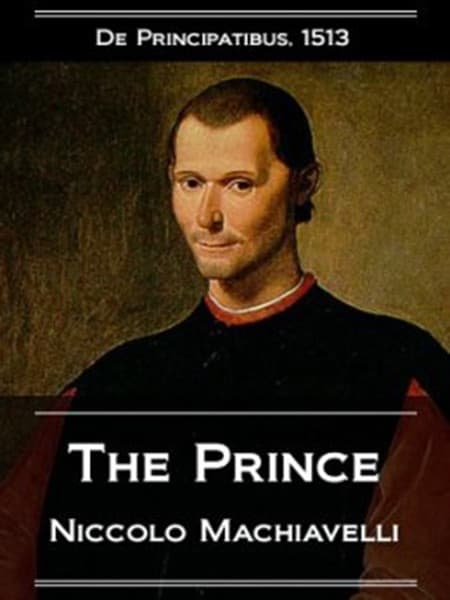
The Prince
Niccolo Machiavelli
The 500-year-old field manual for seizing and keeping power.
It is safer to be feared than loved if you cannot be both, because fear is held in your own hands while love depends on the goodwill of others.
Machiavelli stripped away the pretense that a ruler can govern by virtue alone and showed how power is actually won, lost, and held. Every later book on leadership is in conversation with it.
Leadership
Henry Kissinger
Six modern leaders and the strategic instinct that set each apart.
Leadership is the art of bridging the gap between a society's experience and its aspirations.
Kissinger knew most of his subjects personally and dissects how Adenauer, de Gaulle, Nixon, Sadat, Lee Kuan Yew, and Thatcher each translated a vision into national strategy under real constraints.
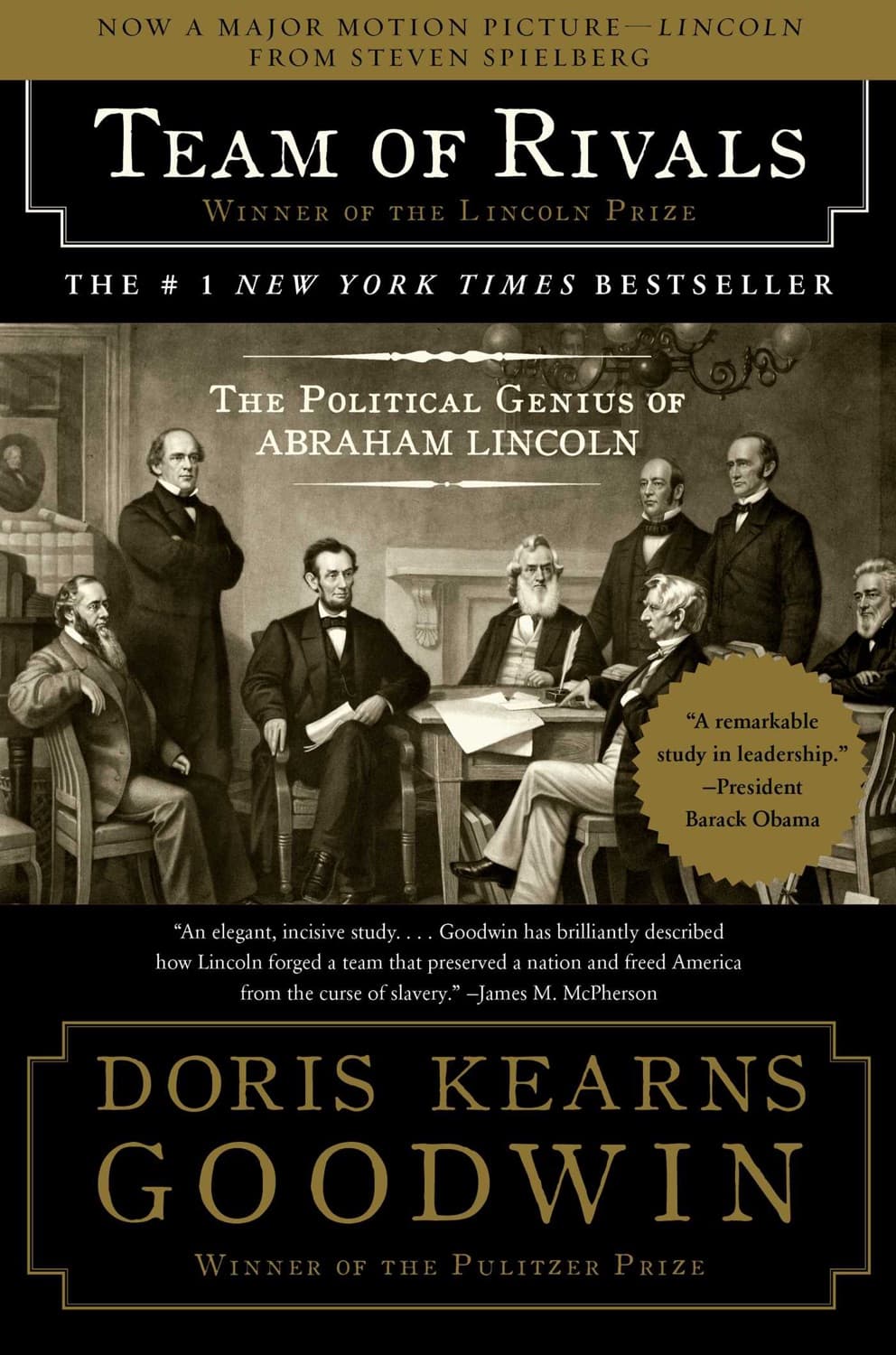
Team of Rivals
Doris Kearns Goodwin
How Lincoln governed by hiring the men who wanted his job.
Surrounding yourself with rivals who outmatch you in their own fields is a sign of confidence, not weakness.
Goodwin shows Lincoln building a cabinet from his fiercest political opponents and managing their egos into a functioning wartime government, a leadership lesson drawn from the rare act of actually holding office.
The power broker: Robert Moses and the fall of New York
Robert A. Caro
The man who reshaped a city without ever winning an election.
Power does not always corrupt, but it always reveals; what a leader does with it exposes who they already were.
Caro's portrait of Robert Moses is the definitive study of how power is accumulated quietly through unelected offices, and how it slowly corrupts the idealism that first reached for it.
From Third World to First : The Singapore Story
Lee Kuan Yew
The actual playbook for building a nation from almost nothing.
A leader's first duty is to deliver results ordinary people can feel, because legitimacy follows competence rather than rhetoric.
Lee recounts turning Singapore from a poor port into a global hub in one generation, with candid detail on the trade-offs between growth, order, and freedom that nation-builders rarely admit out loud.
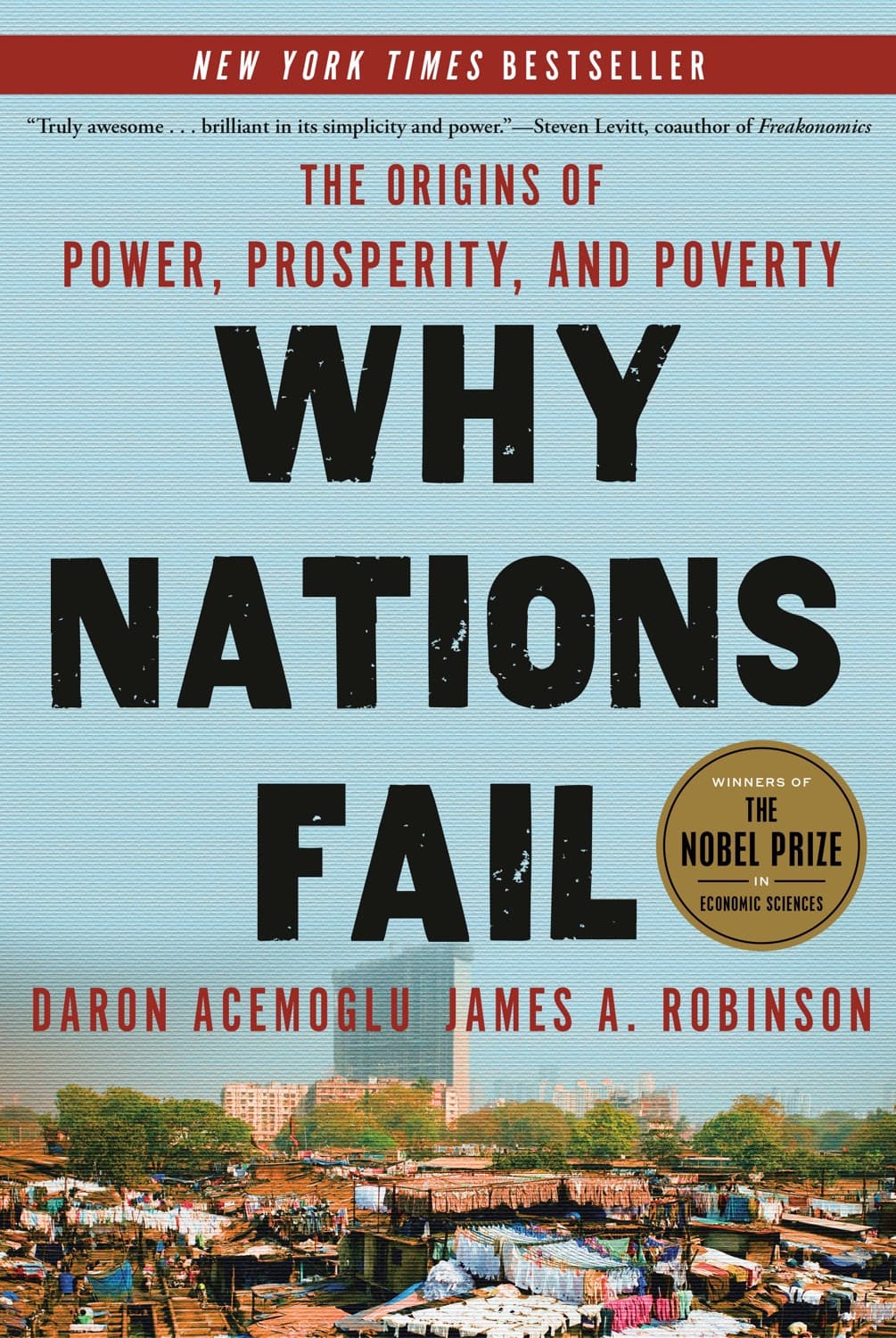
Why Nations Fail
Daron Acemoglu, James A. Robinson
Why some countries are rich and free, and others poor and stuck.
Nations fail when those in power build institutions that extract from the many to enrich the few.
Acemoglu and Robinson argue that inclusive institutions, not geography or culture, decide whether nations prosper, a framework any would-be leader needs before making promises about growth.
Leadership is the art of bridging the gap between a society's experience and its aspirations.
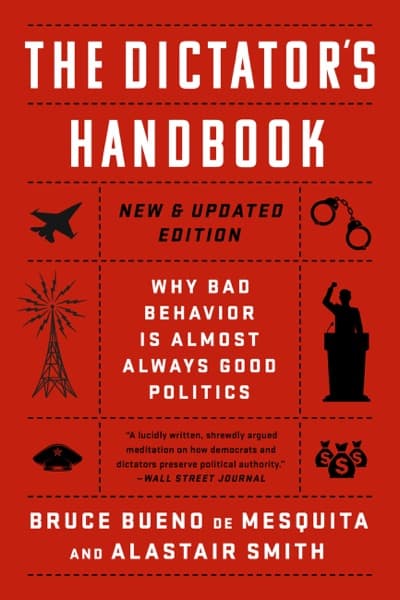
The dictator's handbook
Bruce Bueno de Mesquita, Alastair Smith, Bruce Bueno de Mesquita
The cynical logic that keeps every leader, good or bad, in office.
No leader rules alone; political survival depends entirely on keeping your essential backers paid before anyone else.
The authors reduce politics to one ruthless rule: leaders survive by rewarding the small group that keeps them in power, which explains behavior that otherwise looks irrational or simply evil.
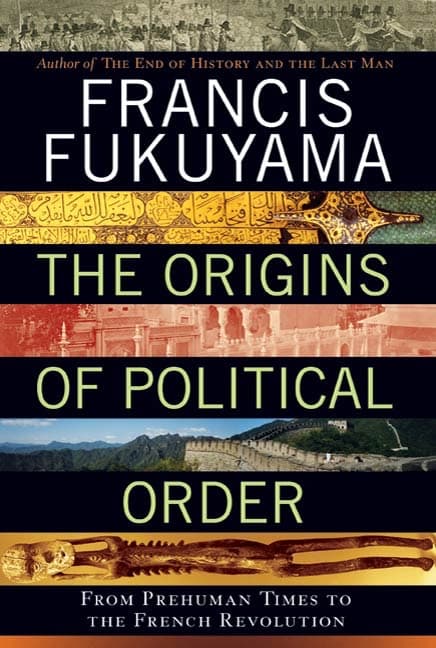
The origins of political order
Francis Fukuyama
Where the state, the rule of law, and accountability came from.
A stable state needs a strong government, the rule of law, and accountability together; any one of the three without the others decays.
Fukuyama traces how the three pillars of functioning modern government emerged across millennia, showing why they are so hard to build in the first place and so easy to lose once you have them.
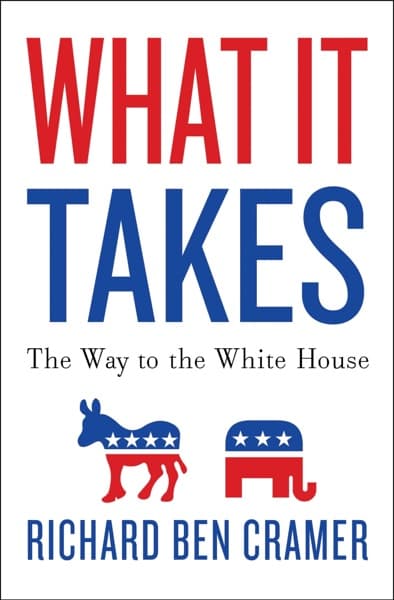
What It Takes
Richard Ben Cramer
What the pursuit of the highest office does to the people who chase it.
The drive to lead a country is itself a character trait worth examining honestly before you decide you have it.
Cramer followed the 1988 presidential candidates so closely that the book becomes a study of political ambition itself, the hunger and self-belief required to ask a whole nation to choose you.
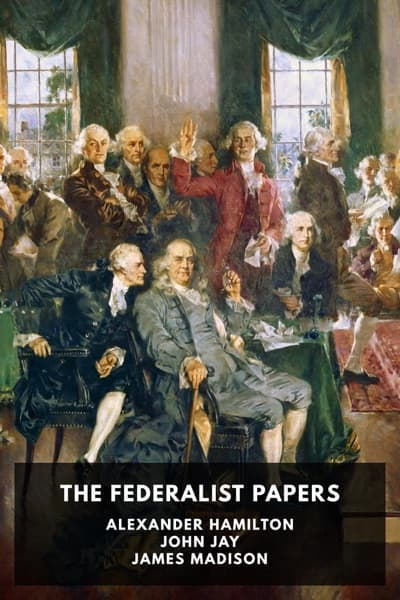
The Federalist papers
Alexander Hamilton
The blueprint for designing a government that survives bad leaders.
If men were angels no government would be necessary; design your institutions for the leaders you fear, not the ones you hope for.
Written to sell a constitution, these essays are the clearest argument ever made for structuring power so that ambition checks ambition and no single office can capture the whole of the state.
Can we tailor this list for you?
Type your question in the bar below and the AI will tailor a fresh set of picks just for you.