Best Books on the Roman Empire
Rome's thousand-year arc, from village to superpower to ruin, comes alive through Mary Beard's SPQR, Tom Holland's Rubicon, and Edward Gibbon's Decline and Fall, with ancient voices like Suetonius and Tacitus standing beside modern scholarship.

SPQR
Mary Beard, Silvia Furió
One thousand years of Rome, from a muddy riverside village to the largest empire the West had ever seen.
Rome's citizenship, not its army, built the empire.
Mary Beard's SPQR is the best single-volume introduction in print, skeptical of Rome's own myths and just as curious about slaves, women, and soldiers as about emperors. It teaches you how to think about Roman history, not just memorize it. Ideal first book for anyone.
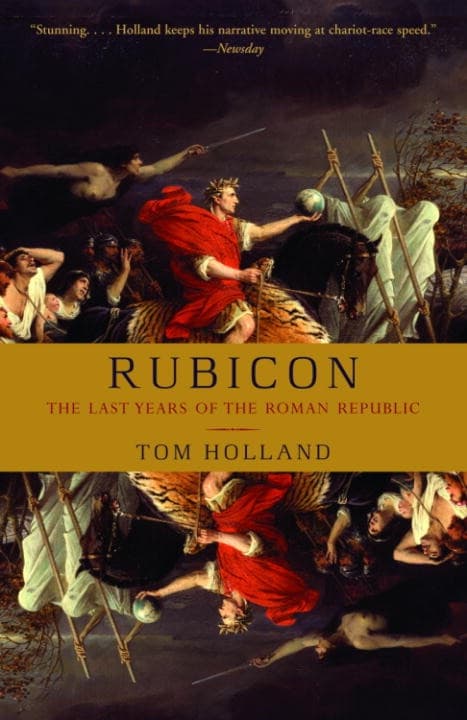
Rubicon
Tom Holland
The Roman Republic tears itself apart in a generation of civil war, ambition, and assassination.
Republics die when ambition outgrows their rules.
Tom Holland turns the fall of the Republic into a propulsive narrative running from Sulla to the rise of Caesar and Augustus. It is the most readable account of how a free state slid into one-man rule, perfect for readers who want history that moves like fiction.
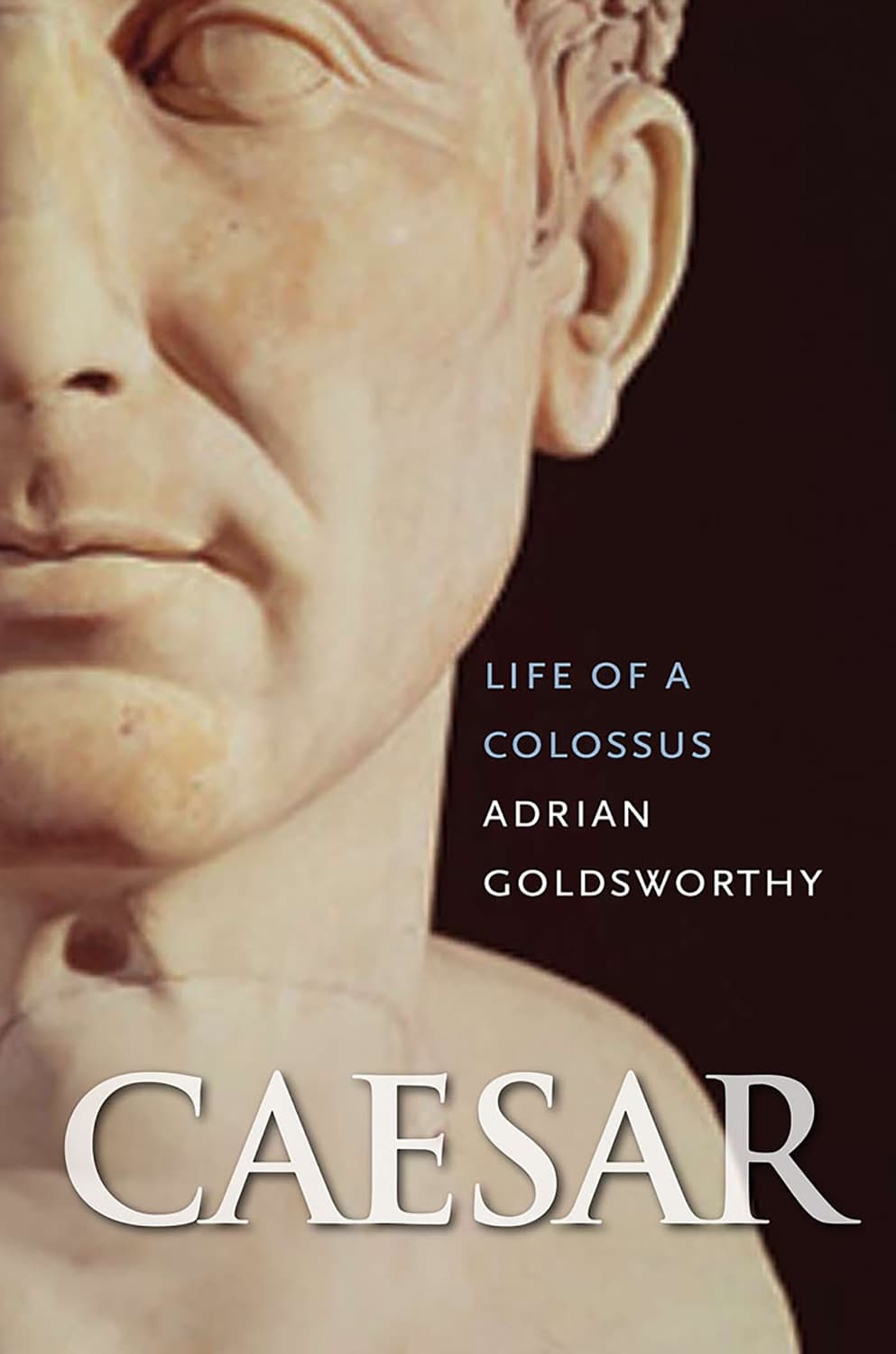
Caesar
Adrian Goldsworthy
The definitive life of the general whose crossing of one small river ended five centuries of Roman liberty.
Caesar won by speed his rivals could not match.
Adrian Goldsworthy, a military historian, gives Julius Caesar the full biographical treatment: soldier, politician, writer, and dictator. It is rigorous yet readable, the best place to understand the single most consequential Roman. For anyone fascinated by Caesar the man.
The Twelve Caesars
Suetonius, Michael Grant
Gossip, scandal, and statecraft from Julius Caesar to Domitian, written by a man with palace access.
Absolute power magnifies every private flaw.
Suetonius served as imperial secretary and packed his biographies with the rumors, omens, and vices the official record left out. The Twelve Caesars is the original source for nearly every lurid emperor story you know. Essential, and surprisingly entertaining, primary reading.
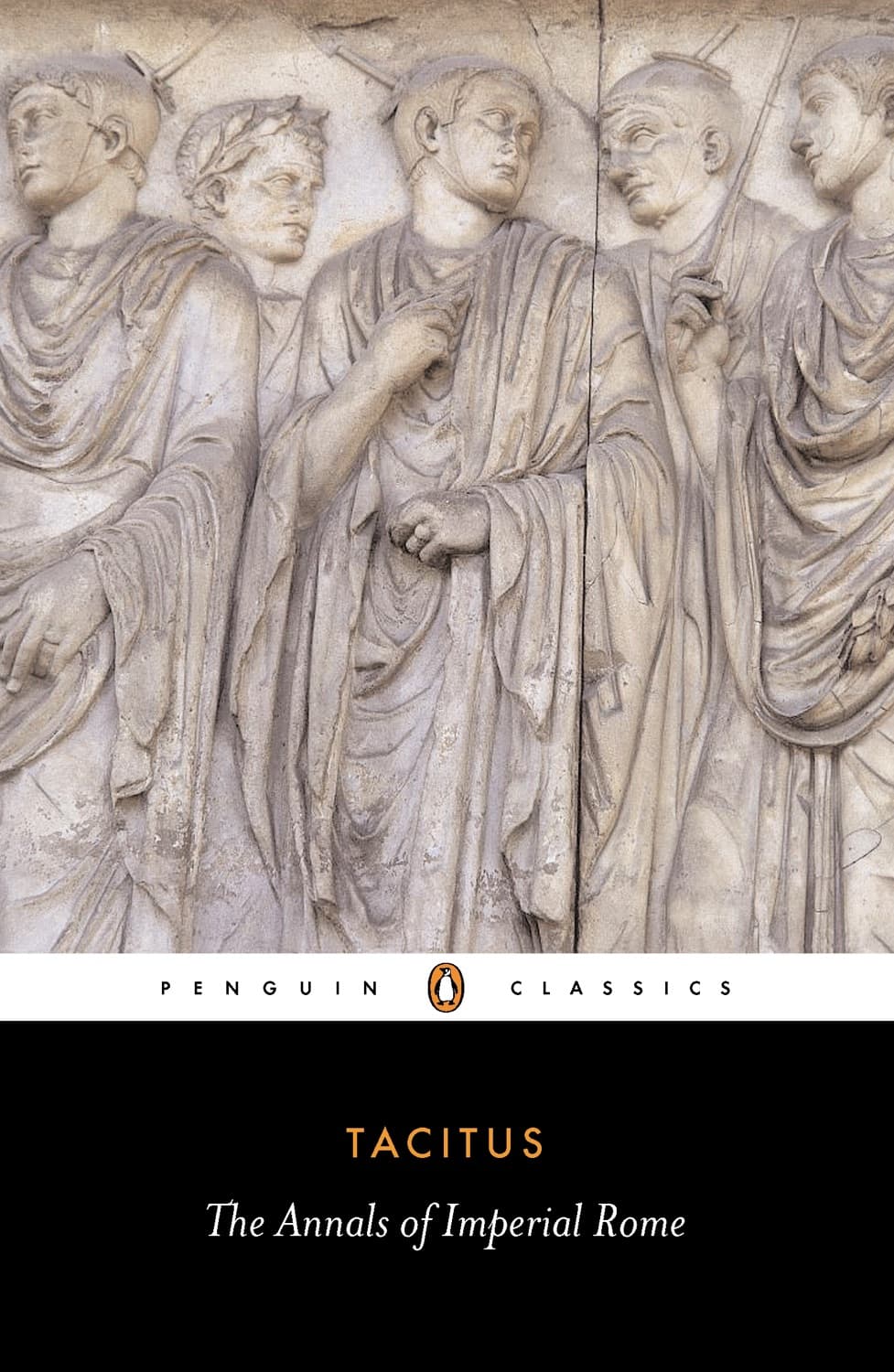
The Annals of Imperial Rome
Tacitus
Rome's greatest historian dissects the reigns of Tiberius, Claudius, and Nero with cold, unsparing prose.
Tyranny corrupts the watchers as much as the ruler.
Tacitus wrote the Annals a century after the events, mourning the lost Republic and exposing the paranoia of the early emperors. His psychological depth and biting style have shaped how the West writes history ever since. For readers ready for a primary source with bite.
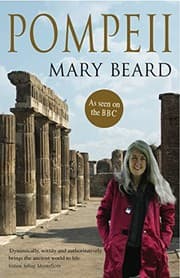
Pompeii
Mary Beard
A single town, frozen by Vesuvius, reveals how ordinary Romans actually lived, shopped, and worked.
Roman streets were noisier and dirtier than imagined.
Mary Beard walks the streets of Pompeii to reconstruct bakeries, brothels, graffiti, and dinner parties, correcting the myths tourists are sold. It is the best book on Roman daily life, grounded in real evidence rather than imperial drama. For readers curious about the everyday.
Republics die when ambition outgrows their rules.
The Fall of the Roman Empire
Peter Heather
How did an empire that ruled the known world for centuries actually collapse in the West?
Outside pressure, not decadence, finally broke Rome.
Peter Heather makes the case that Rome did not simply rot from within but was broken by waves of barbarian pressure it could no longer absorb. Rigorous and persuasive, it is the modern counterweight to Gibbon. For readers who want the fall explained with real argument.
The Fate of Rome
Kyle Harper
The empire was defeated not only by armies but by volcanoes, climate shifts, and pandemic plagues.
Pandemics and climate broke Rome before the barbarians.
Kyle Harper merges climate science, genetics, and history to show how a warming-then-cooling climate and three great pandemics gutted Rome's resilience. This is the deep cut that reframes the fall through environment and disease. For readers wanting a genuinely new angle.
The Inheritance of Rome
Chris Wickham
Rome did not vanish in 476; it dissolved slowly into the kingdoms that became Europe.
Rome's end was a transformation, not an erasure.
Chris Wickham's sweeping survey of 400 to 1000 dismantles the idea of a sudden 'fall,' tracing how Roman structures, taxes, and culture transformed across the early Middle Ages. The expert's pick for what came after the empire. For readers who want the full arc through to the aftermath.
The History of the Decline and Fall of the Roman Empire
Edward Gibbon
The eighteenth-century masterpiece that defined how the West imagines the fall of Rome.
Gibbon blamed Rome's decline partly on its comforts.
Edward Gibbon's Decline and Fall is monumental, opinionated, and gorgeously written, tracing Rome's slow unraveling across centuries. Its scholarship is dated, but its prose and sweep remain unmatched. Best read once you know the story, by readers who want history as literature.
Can we tailor this list for you?
Type your question in the bar below and the AI will tailor a fresh set of picks just for you.