Best Middle East Geopolitics Books
For Middle East geopolitics, Daniel Yergin’s The New Map ties energy to borders and power shifts, giving you a single lens for what looks like chaos: resources plus strategy.
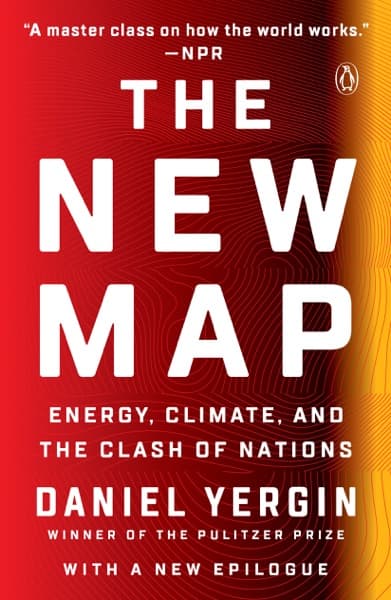
The New Map
Daniel Yergin
After finishing The New Map, you can predict how new pipelines, shipping routes, and sanctions translate into battlefield-style influence among states.
Energy infrastructure turns geography into leverage
Yergin tracks geopolitics through energy economics and the infrastructure that moves it, not just leaders’ speeches. That matters for Middle East geopolitics because oil, gas, and transit choke points often decide who gains leverage when alliances splinter.
Black Wave
Kim Ghattas
Black Wave compresses decades of Saudi-Iran rivalry into a single regional pattern: every escalation aimed at one capital ends up re-shaping politics across many others.
Rival blocs recruit through ideology and fear
Ghattas uses recent reporting and tight chronology to show how revolutionary ideology and security paranoia feed each other across the region. For Middle East geopolitics, it gives you the cause-and-effect chain behind proxy wars and diplomatic bargaining.
Interregionalism and the European Union
Mario Telò, Louise Fawcett, Frederik Ponjaert
Interregionalism and the European Union explains why “region-to-region” deals often matter more than country-to-country diplomacy during conflict.
Institutions create the bargaining space
This book reframes geopolitics as a system-level bargaining game, where rules, institutions, and regional orders shape outcomes. Even if your focus is the Middle East, it helps you understand how Europe’s approaches, incentives, and norms interact with conflicts and state behavior.
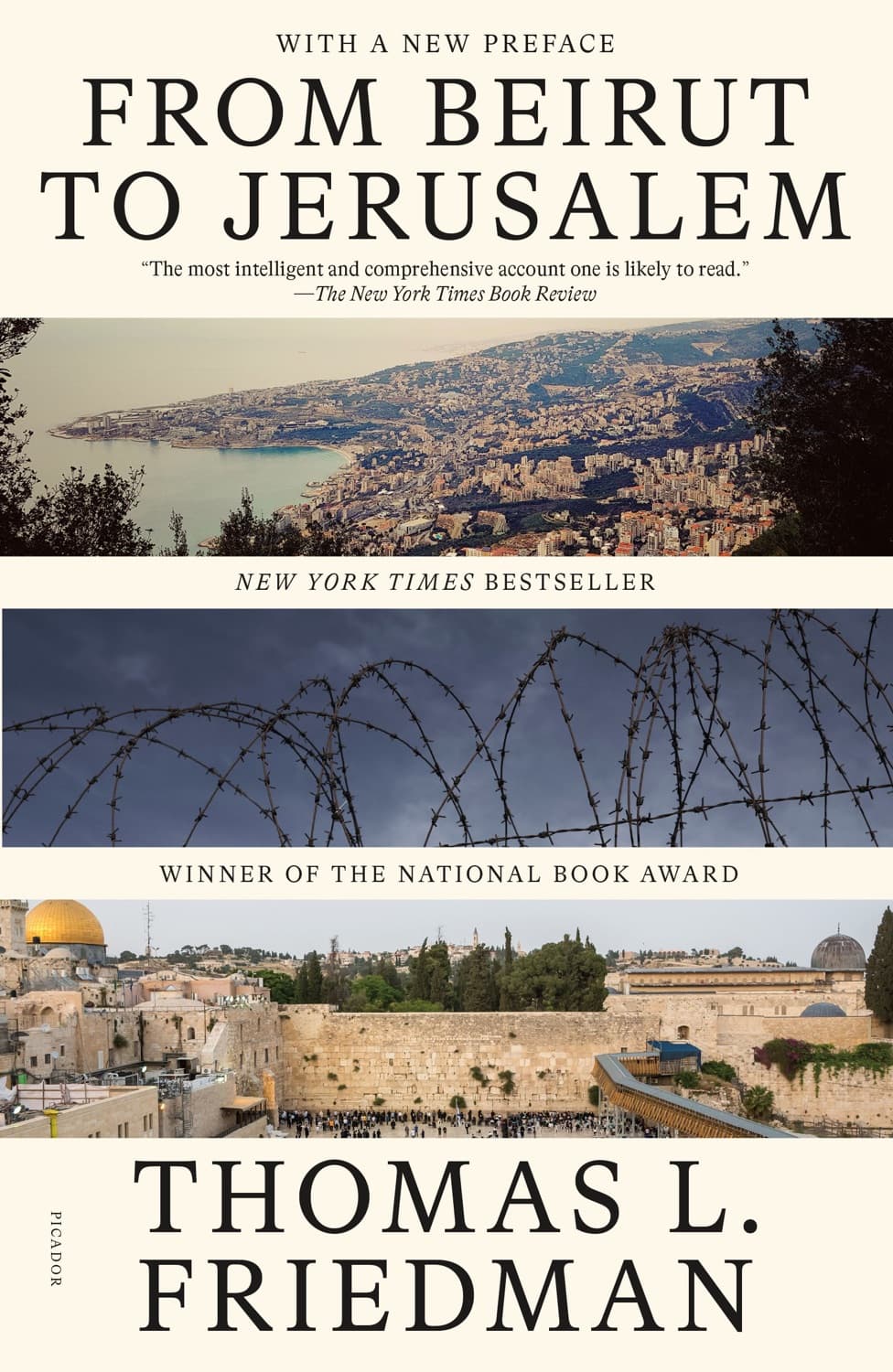
From Beirut to Jerusalem
Thomas L. Friedman
From Beirut to Jerusalem makes Middle East politics feel like a live argument between geography, economics, and ideology, with headlines as clues rather than trivia.
Follow infrastructure and markets to find strategy
Friedman’s reported narrative introduces key tensions through places and people, so the region’s conflicts stop feeling abstract. It is useful when you want a readable on-ramp to Lebanon, Israel, and the wider strategic environment driving the politics.
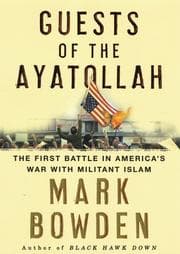
Guests of the Ayatollah
Mark Bowden
Guests of the Ayatollah shows how detention, intelligence, and ideology inside one system can become a regional signal to the entire international order.
Mistaken signals harden policy
Bowden’s pace and access illuminate Iran, US decision-making, and revolutionary politics as one interacting machine. For Middle East geopolitics, that perspective sharpens how misreads, captives, and signals can lock states into escalatory paths.
The Hundred Years' War on Palestine
Rashid Khalidi
The Hundred Years' War on Palestine reframes today’s conflict as the long continuation of competing national movements and the geopolitics that empowered them.
Grievance is geopolitics over time
Instead of treating events as sudden shocks, the book builds a historical map of decisions, alliances, and constraints that keep reproducing grievance. For Middle East geopolitics, it gives you a sturdier mental model for why borders, recognition, and security dilemmas persist.
Rival blocs recruit through ideology and fear
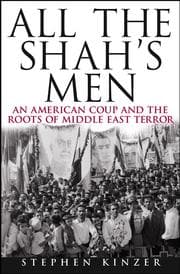
All the Shah's Men
Stephen Kinzer
All the Shah's Men turns one coup into a durable regional reflex: distrust of outside power becomes policy for decades.
A coup can outlive the coup-makers
Kinzer connects the 1953 overthrow to the longer arc of Middle East alignment choices and internal legitimacy struggles. That matters because many contemporary geopolitical positions in the region still echo the incentives created by that rupture.
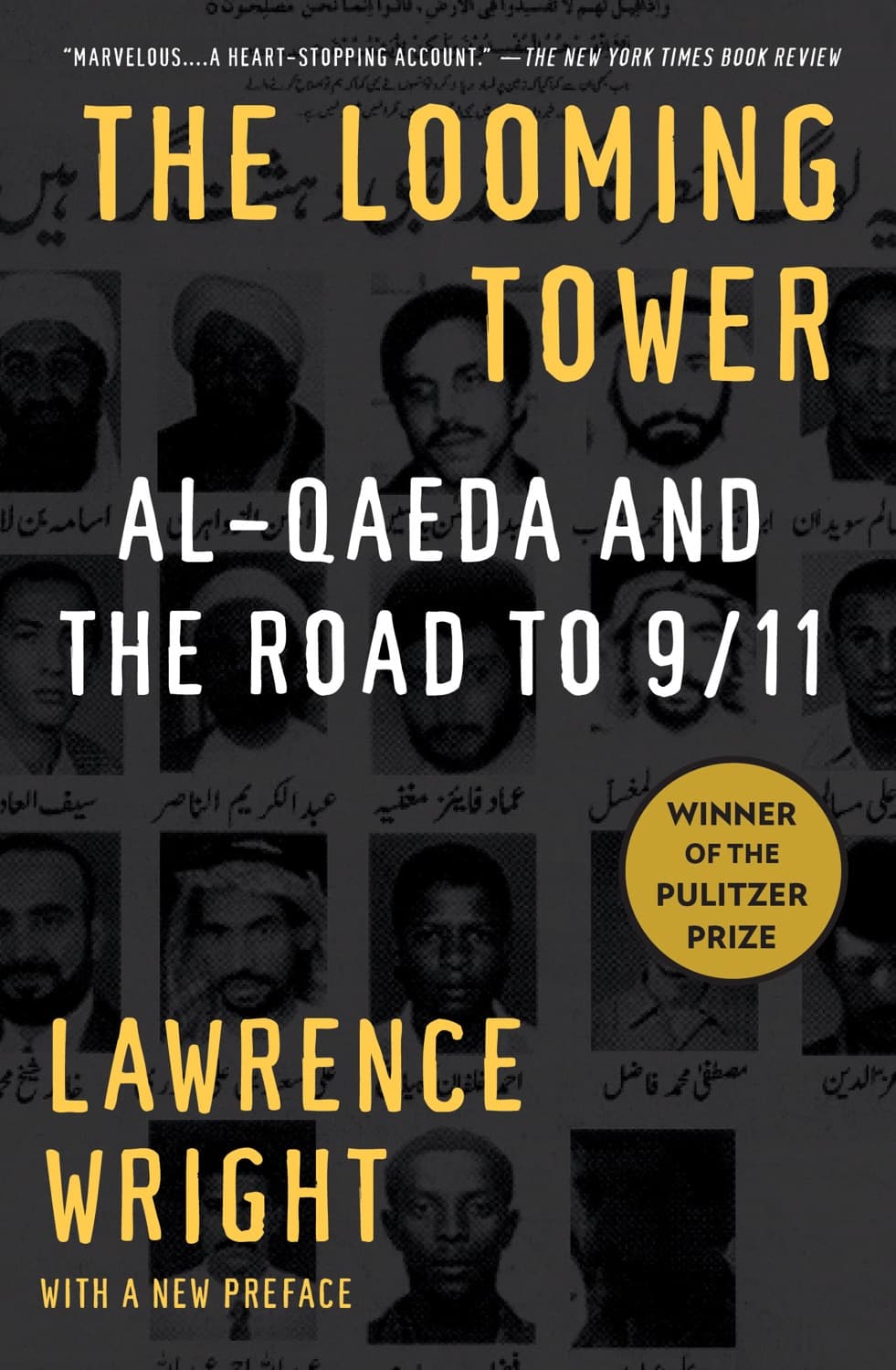
The Looming Tower
Lawrence Wright
After The Looming Tower, you see that the road to 9/11 ran through organizational failures and geopolitical blind spots, not just ideology.
Institutional rivalry beats good intentions
Wright blends人物-driven narrative with institutional analysis, showing how systems respond under uncertainty and rivalry. For Middle East geopolitics, it helps connect Islamist movements, state breakdown, and international intelligence politics into one intelligible chain.
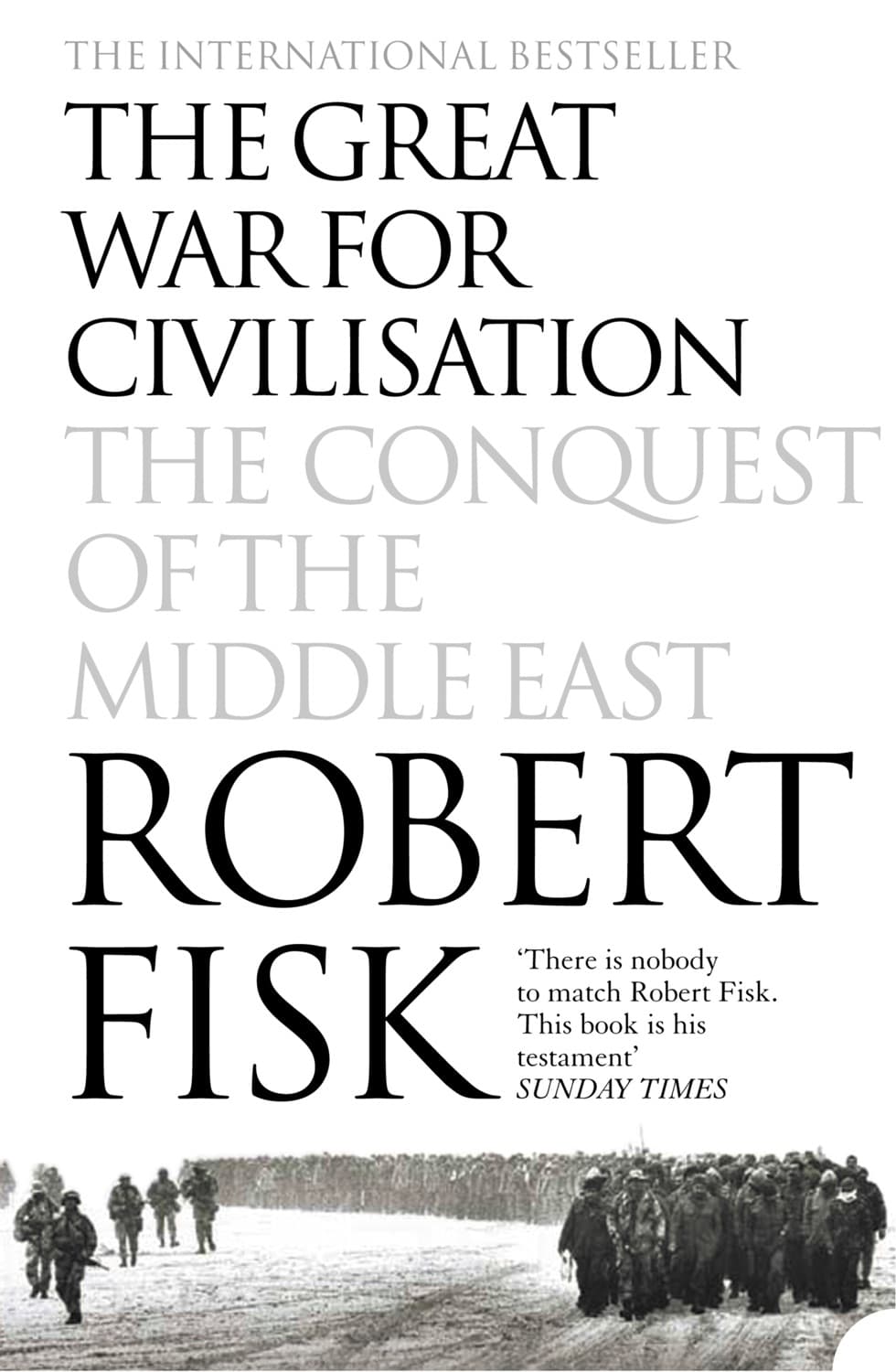
The Great War for Civilisation
Robert Fisk
The Great War for Civilisation makes interventions feel less like strategy and more like a gravity well that pulls every actor into the same escalation spiral.
Escalation follows incentives, not narratives
Fisk’s method is wide-angle and personal at once, capturing how conflicts, propaganda, and regional power dynamics interlock. If you want geopolitical clarity with emotional weight, this approach helps you track interventions and local consequences as one connected story.
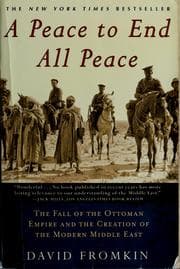
A Peace to End All Peace
David Fromkin
A Peace to End All Peace shows how a few 1919 decisions wrote the region’s border logic and grievance engine that later actors inherited.
Treaty architecture becomes future conflict
Fromkin traces the origins of modern borders and mandates to the diplomatic bargaining of great powers. For Middle East geopolitics, it gives historical depth to today’s territorial disputes and legitimacy battles.
Can we tailor this list for you?
Type your question in the bar below and the AI will tailor a fresh set of picks just for you.