Best Books on Chokepoints
Chokepoints make shipping, energy, and geopolitics converge. Marc Levinson’s The Box explains how containers reshaped trade routes, and Daniel Yergin’s The New Map shows why today’s vulnerabilities cluster along the same arteries.
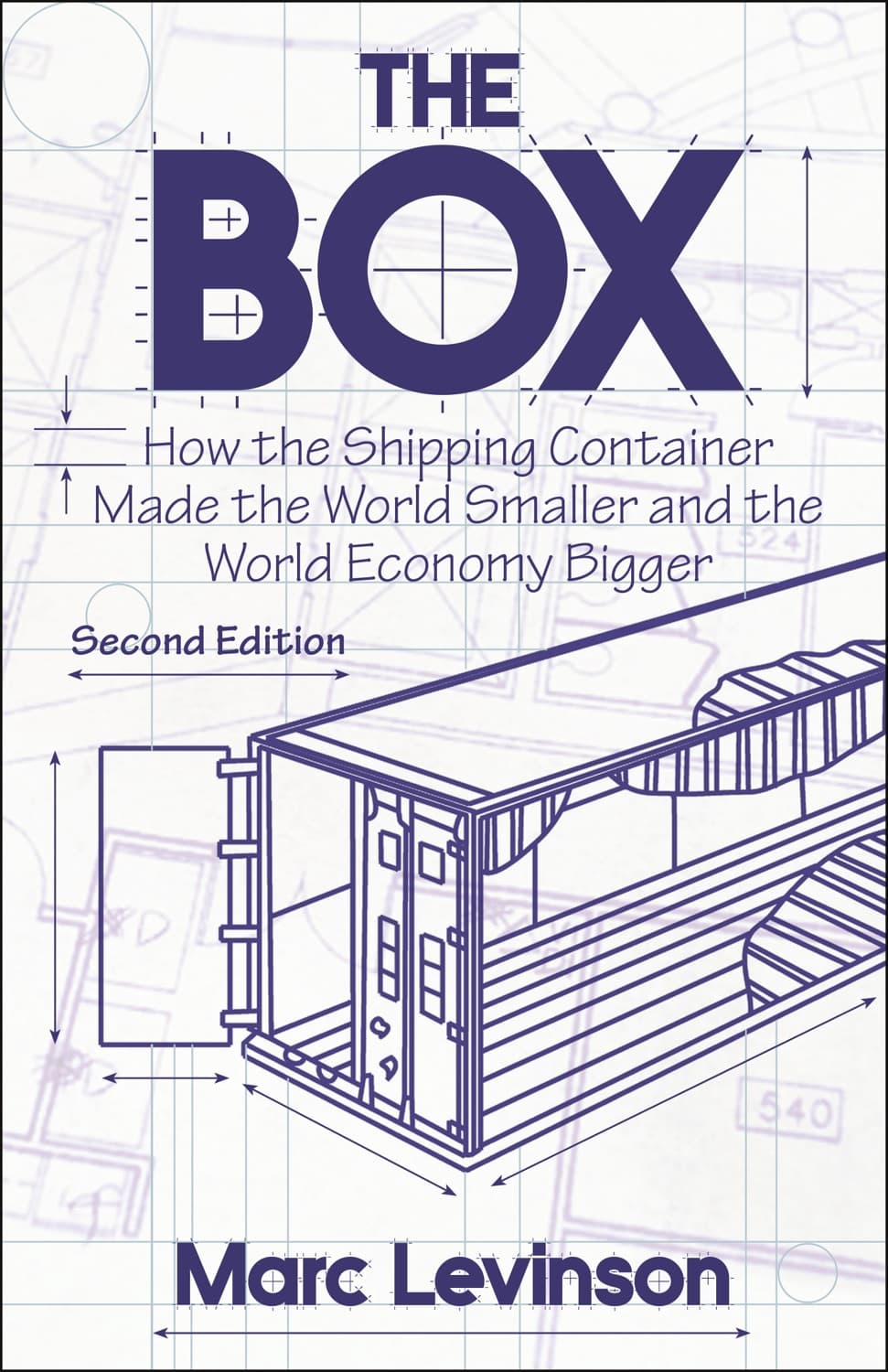
The Box
Marc Levinson
After The Box, “chokepoint” stops being geography alone and becomes a logistics interface you can trace through standards, ports, and pricing power.
Container standards shifted power to port systems
Levinson shows how containerization reorganized global trade and concentrated pressure points at specific operational chokepoints. That matters because chokepoints often persist where systems meet: handoffs, infrastructure limits, and the economics of moving cargo.
The New Map
Daniel Yergin
The New Map reframes energy chokepoints as a constantly rerouted network of risk, not a fixed list of places.
Energy routes move with politics and infrastructure
Yergin connects energy routes to policy shocks, infrastructure constraints, and the vulnerabilities that appear when demand and supply disagree. If your goal is to understand chokepoints as they function in real markets, this turns “where” into “how the risk propagates.”

The World for Sale
Javier Blas, Jack Farchy
Reading The World for Sale makes market chatter feel like a map of chokepoints, where physical bottlenecks and financial pressures reinforce each other.
Bottlenecks become strategy through timing and scarcity
Blas and Farchy track commodity flows and the choke moments that decide outcomes, from bottleneck timing to strategic scarcity. For chokepoints, this is useful because it treats leverage as both logistical and informational.
Seapower States
Andrew D. Lambert
Seapower States teaches you to see chokepoints as maritime “control problems” where fleets, geography, and enforcement capacity determine outcomes.
Sea control hinges on enforcement, not intentions
Lambert’s focus on naval history and strategic logic clarifies how sea control is contested at straits, lanes, and chokepoint regions. That helps translate abstract chokepoints into real constraints on power projection and deterrence.
The Revenge of Geography
Robert D. Kaplan
The Revenge of Geography makes straits, terrain, and distance feel like persistent variables that keep reappearing under new politics and new technologies.
Geography reasserts itself through chokepoint pressure
Kaplan connects physical geography to enduring patterns of conflict and alignment, including the strategic importance of narrow passages. If you want a chokepoint lens that survives changing headlines, this supplies the baseline logic.
The dictator's handbook
Bruce Bueno de Mesquita, Alastair Smith, Bruce Bueno de Mesquita
The dictator's handbook makes scarce access and control at the center of power, so chokepoints look like incentives, not just locations.
Winning coalitions shape how leaders use scarce leverage
The authors’ framework explains how leaders allocate leverage and manage threats when resources are constrained and populations are strategic. That matters for chokepoints because access to trade or routes often creates the bargaining and coercion dynamics power relies on.
Energy routes move with politics and infrastructure
Sea Power
Admiral James Stavridis, USN
Sea Power gives chokepoints an operational meaning: lanes, escorts, presence, and deterrence rather than only maps and history.
Deterrence at sea is about sustained presence
Stavridis emphasizes how modern navies think about maritime routes and strategic constraints, translating geography into decision-making. If your chokepoint interest includes what countries can realistically do, this connects the dots between risk and capability.
Can we tailor this list for you?
Type your question in the bar below and the AI will tailor a fresh set of picks just for you.