Best Eurasia Geopolitics Books
Eurasia geopolitics is energy corridors, chokepoints, and strategy: these books give you frameworks for how power moves across the map.
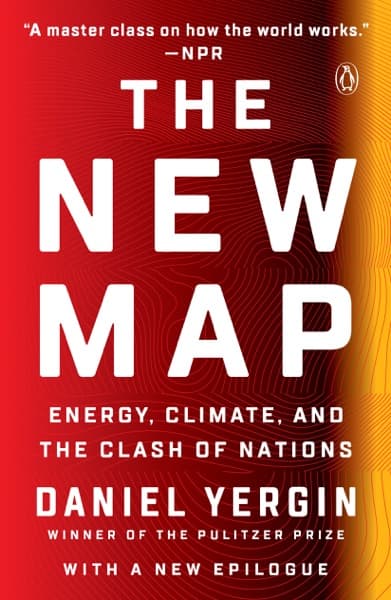
The New Map
Daniel Yergin
By tracing energy corridors across Eurasia, Yergin shows how pipelines, ports, and sea lanes quietly steer alliances as much as armies do.
Infrastructure makes geopolitics tangible: flows beat slogans.
Yergin treats Eurasia geopolitics as a competition over energy flows and the infrastructure that enables them, not as abstract statecraft. That emphasis helps you see why some conflicts, sanctions, and partnerships cluster around specific routes across the continent.
The Grand Chessboard
Zbigniew Brzezinski
Brzezinski argues that controlling key Eurasian regions shapes the global order, turning geography into a strategic scoreboard.
Eurasia is the strategic prize in global politics.
This is the classic framework for why Eurasia matters, and it gives you a way to map current events onto long-run strategic logic. When you are trying to make sense of Eurasian balance of power, it provides the mental model to evaluate influence rather than just headlines.

The Return of Marco Polo's World
Robert D. Kaplan
Kaplan’s lens links the rise of Eurasian interdependence to familiar human pressures: security, migration, and identity under strain.
Follow the connections: they generate the pressures.
Instead of staying in capitals, this book grounds geopolitics in how places connect, then shows how those connections change incentives for states. It fits Eurasia because the politics of the region often follows the paths of people and goods.
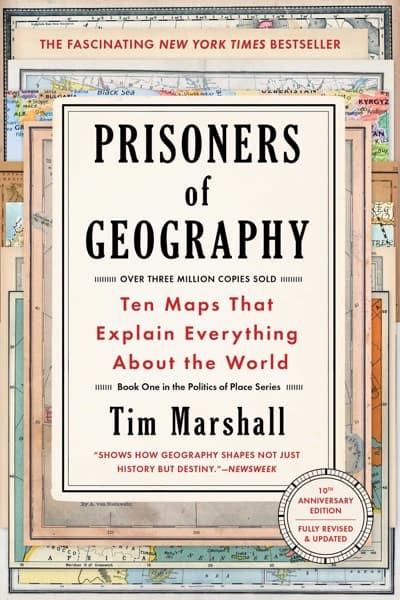
Prisoners of geography
Tim Marshall
Marshall makes you see borders and coastlines as fate: geography turns ordinary choices into high-stakes constraints.
Mountains, rivers, and seas shape options.
The book translates geography into plain, memorable causal stories, which helps when Eurasia feels too large to reason about. For geopolitics, that clarity matters because routes, distances, and natural barriers often determine what strategy can even attempt.
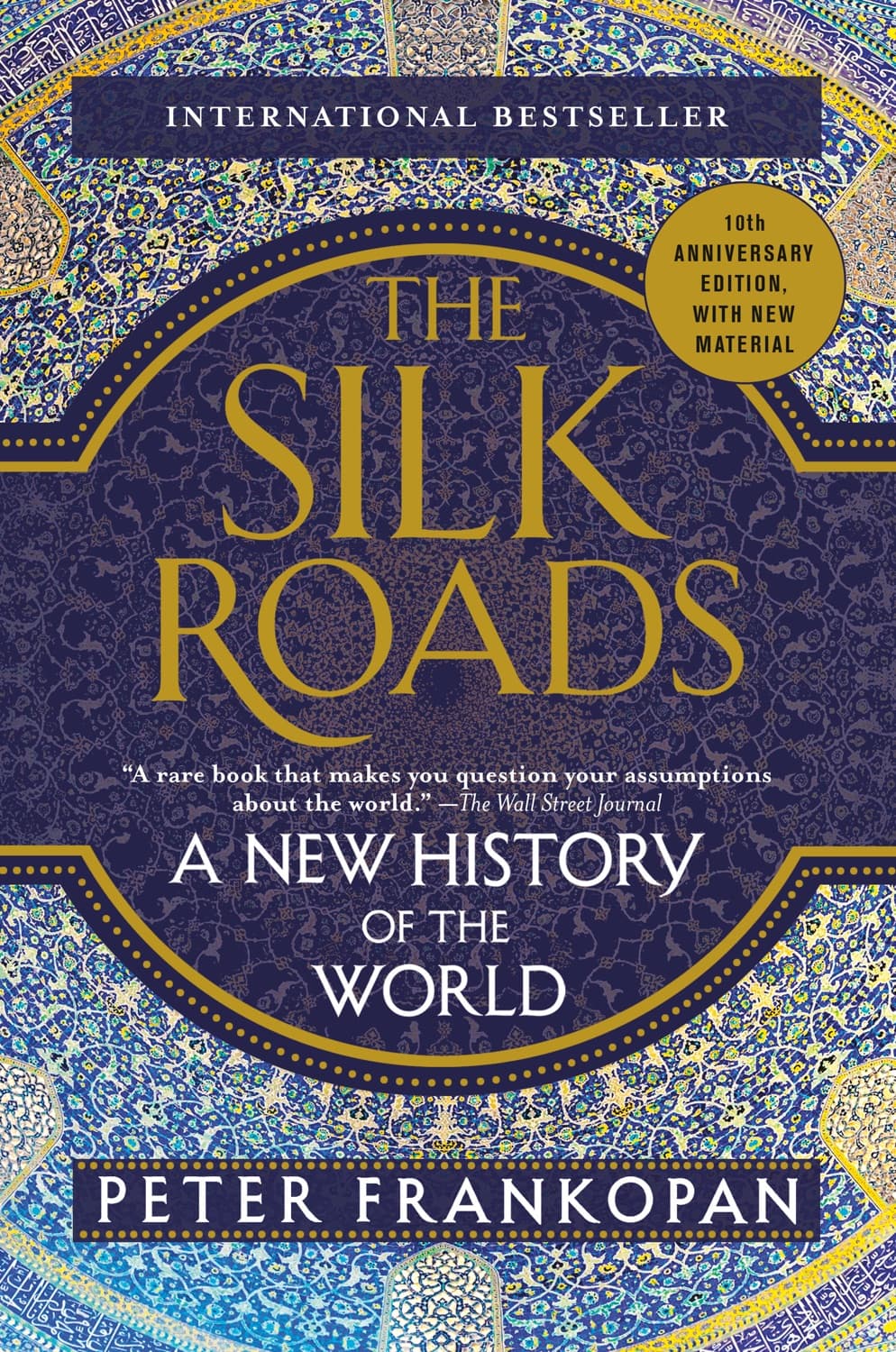
The Silk Roads
Peter Frankopan
Frankopan reframes Eurasia by showing how trade routes carried ideas and empires in both directions, not just from west to east.
Trade routes are political highways, always.
It changes your baseline: Eurasian geopolitics is not only great-power rivalry, it is also the long history of movement, dependence, and interference along corridors. That broader temporal view helps you interpret today’s competition for influence as part of a recurring pattern.
From the Ruins of Empire
Pankaj Mishra
Mishra argues that Asia’s modern politics can be read as responses to empire, not as late arrivals to Western history.
Ideas of humiliation shape later strategies.
This is a different kind of geopolitics: it explains the intellectual and emotional terrain behind state behavior across Eurasia. When you want to go beyond tactics into why societies react the way they do, it adds depth to how power is experienced and resisted.
Eurasia is the strategic prize in global politics.
The New Continentalism
Kent E. Calder
Calder shows that Eurasia-Europe integration can be driven by institutions, standards, and regional bargains, not only by superpower confrontation.
Integration tools: rules, standards, and networks.
This book sharpens your understanding of the Eurasia dimension that often gets lost: economic and governance linkages across the continent. It helps you see how cooperation and interdependence coexist with strategic rivalry, especially in Asia-Europe institutional space.
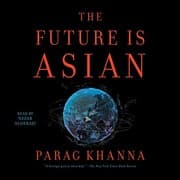
The Future Is Asian
Parag Khanna
Khanna’s thesis is that Asia-centered supply chains and institutions will reorder the rest of Eurasia’s strategic calculations.
Power follows connectivity and institutional scale.
It pushes you to treat Eurasia as a living network of cities, logistics, and regional governance, not just a battlefield of empires. That shift in perspective is useful for tracking how power drifts through economic gravity rather than only military events.
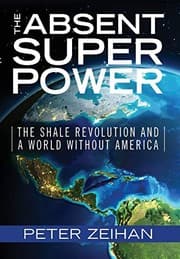
The Absent Superpower
Peter Zeihan
Zeihan argues that geography and demographic mismatches make the United States less able to shape Eurasia, even while others feel the pressure more directly.
Logistics constraints drive Eurasia more than ideology.
You get a provocative framework that centers trade routes, logistics constraints, and Eurasian vulnerability. If you want a hard-edged way to think about why certain regions become more volatile or strategic when dependencies tighten, this offers a distinct causal story.
Can we tailor this list for you?
Type your question in the bar below and the AI will tailor a fresh set of picks just for you.