Best Americas Geopolitics Books
From the Monroe Doctrine to Mearsheimer realism, these picks trace how power, economics, and borders shape America’s neighborhood, with both strategy and lived consequences.
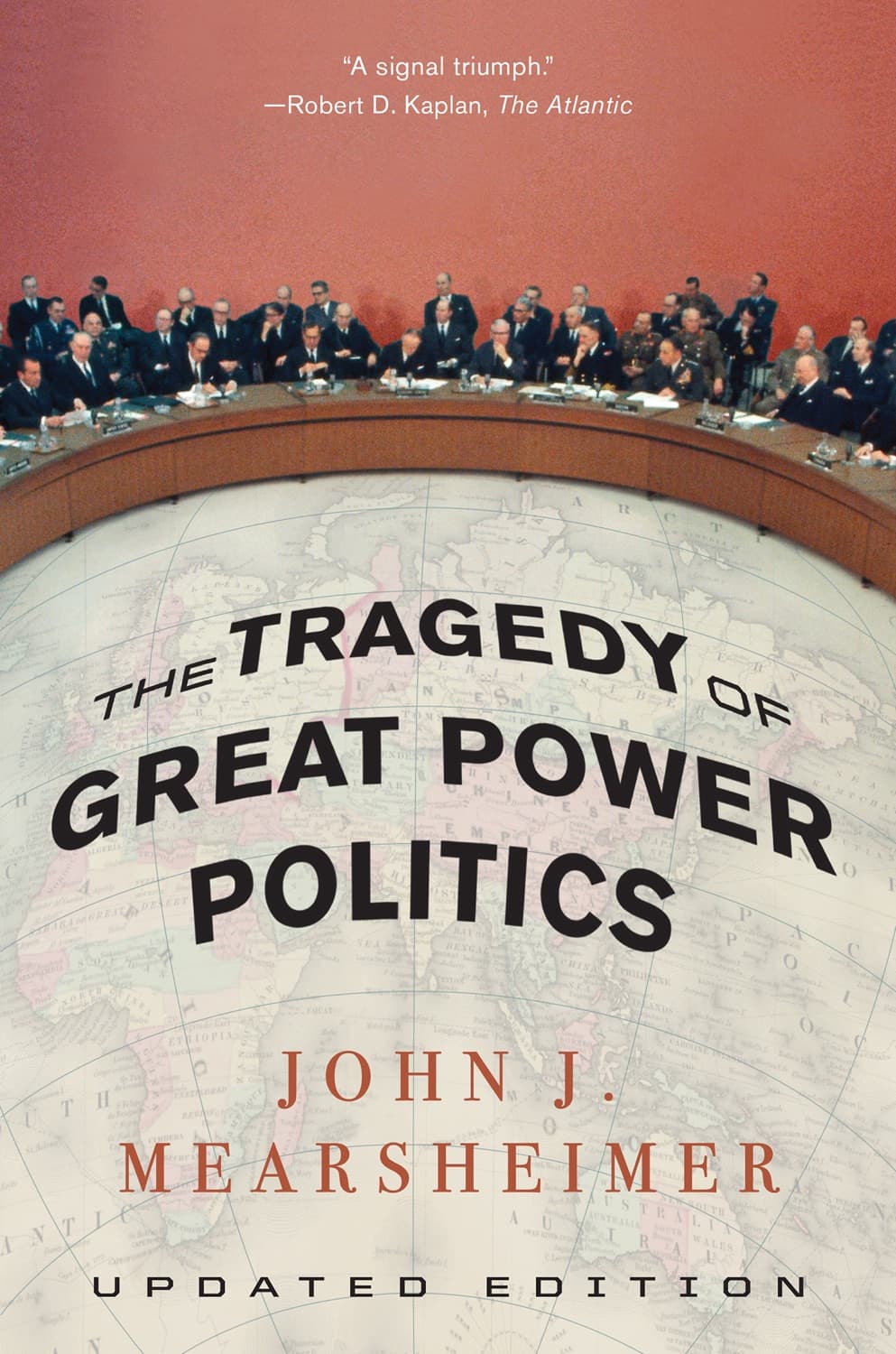
The Tragedy of Great Power Politics
John J. Mearsheimer
Treats every great-power rivalry as a feedback loop: fear drives offense, offense drives arms, and security becomes the problem.
Security is sought through moves that create insecurity
This book gives Americas geopolitics a single analytic engine: power competition under anarchy. That matters because it turns regional events in the hemisphere into predictable incentives and constraints rather than moral narratives.
Back Channel to Cuba
William M. LeoGrande, Peter Kornbluh
Shows US-Cuba diplomacy working through secret, low-visibility talks despite public posturing and bureaucratic resistance.
Back-channel bargaining shifts leverage before publics notice
It replaces headline explanations with how negotiation actually happens: internal politics, credibility, and the leverage of constraints. For Americas geopolitics, that makes strategy feel operational, not theoretical.

The Penguin History of Latin America
Edwin Williamson
Builds a long arc from colonial structures to modern states, tying political outcomes to recurring patterns of land, labor, and external pressure.
Long-run structures outlast policy swings
This gives the depth that US-focused analysis often skips: why today’s alignments make sense against older formations. It matters for Americas geopolitics because it explains persistence, not just causes.
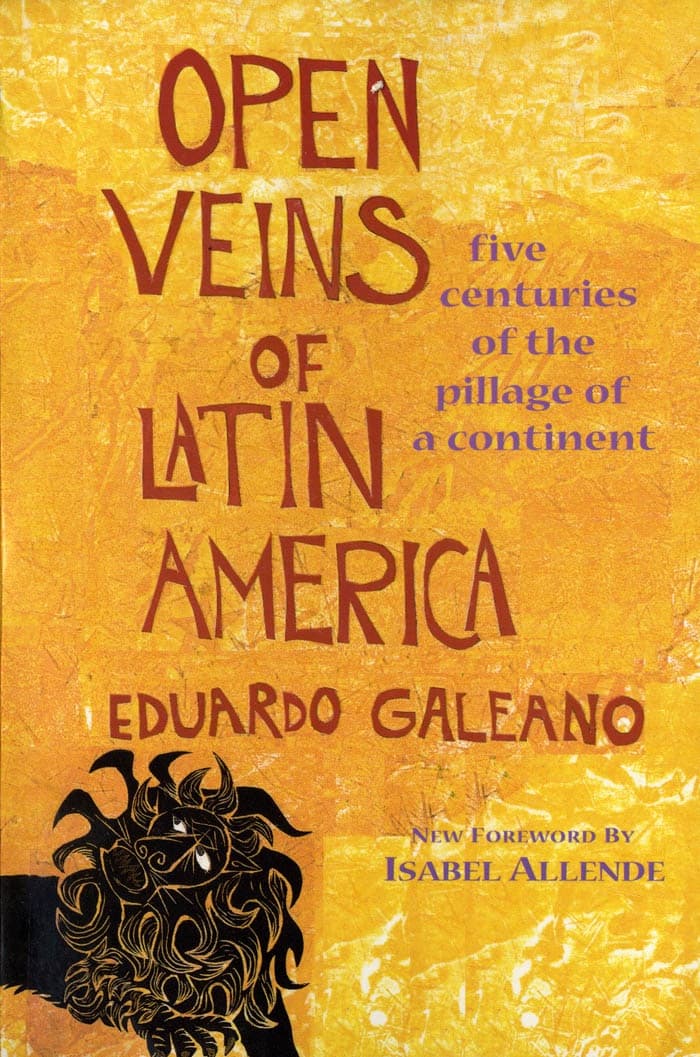
Open Veins of Latin America
Eduardo Galeano
Argues the region’s wealth is repeatedly extracted outward, leaving politics to manage the resulting inequality and dependency.
Extraction produces dependency that returns as politics
Galeano sharpens your instincts for the economic memory behind geopolitical choices. If you want hemispheric politics beyond military narratives, this supplies the emotional and historical logic of extraction.

The Fish That Ate the Whale
Rich Cohen
Traces how corporate power and media influence helped make the banana republic dynamic feel unstoppable.
Private corporate leverage can act like state power
It re-centers geopolitics on the Caribbean as a system of economic leverage, not just diplomacy. That helps for Americas geopolitics because it shows how private interests can steer strategic outcomes.
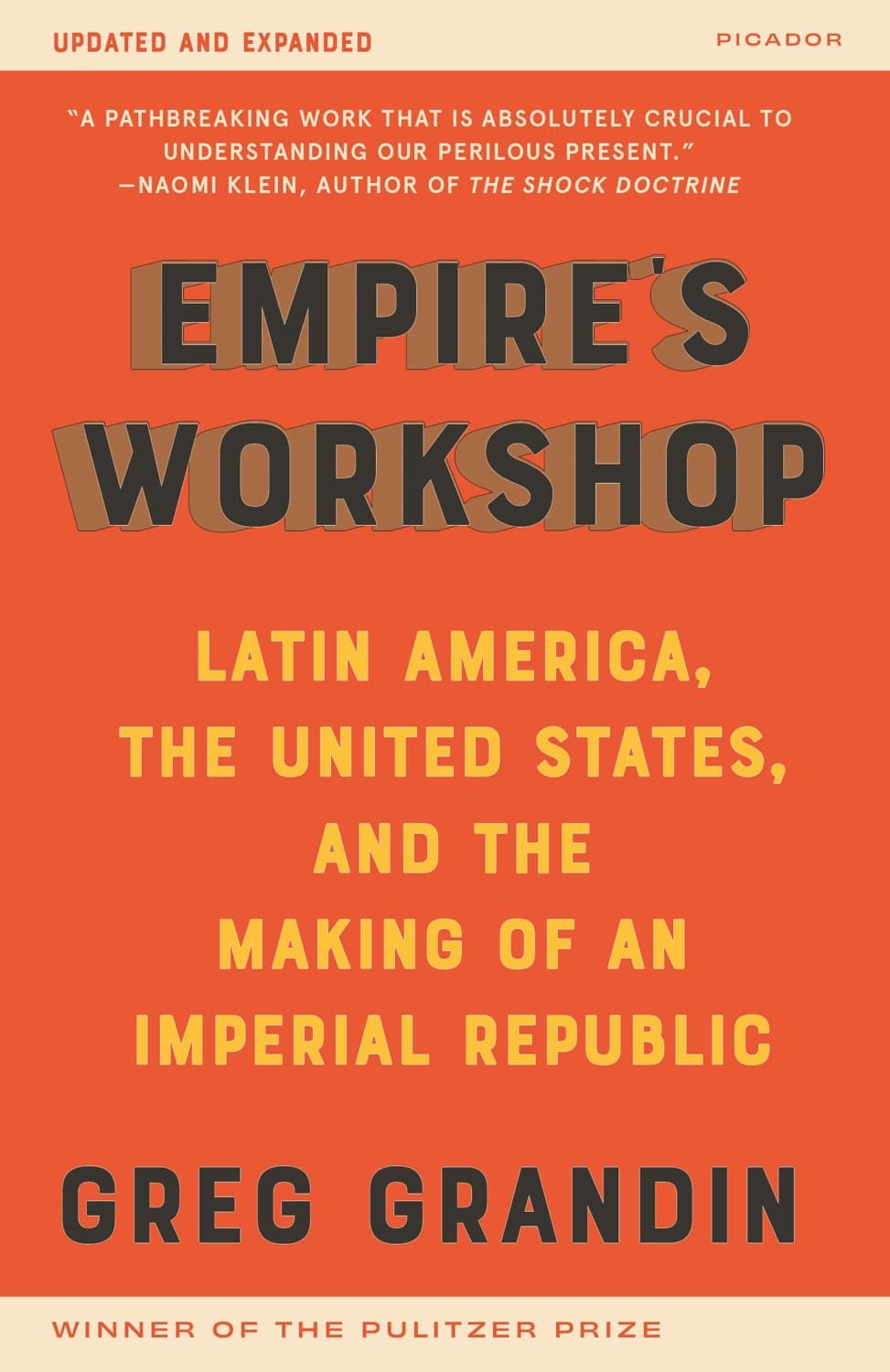
Empire's workshop
Greg Grandin, Greg Grandin
Connects US intervention patterns in Latin America to a broader imperial logic of knowledge, logistics, and coercion learning.
Interventions export methods as much as outcomes
Instead of treating interventions as isolated episodes, it frames them as experiments that refine a wider imperial toolkit. For the hemisphere, that gives you a lens for continuity across administrations and regimes.
Back-channel bargaining shifts leverage before publics notice
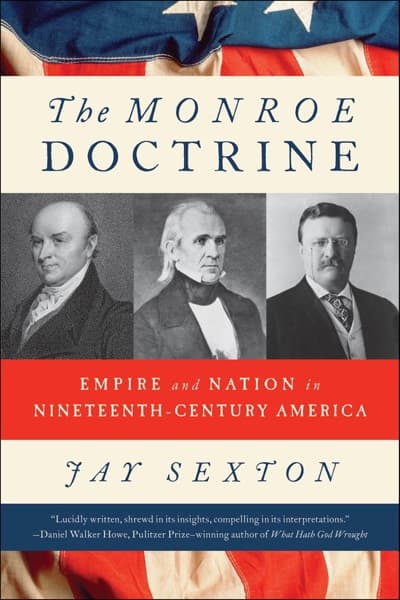
The Monroe Doctrine
Jay Sexton
Shows how a slogan of hemispheric protection became a justification for expanding US influence by redefining Europe’s role and then enforcing it.
Protection rhetoric becomes power permission
It grounds Americas geopolitics in the doctrine that still haunts strategic language and policy instincts. Understanding how the doctrine was interpreted and used makes modern “security” rhetoric easier to decode.

The Shock Doctrine
Naomi Klein
Argues that major economic overhauls often follow crises, when societies are too disoriented to resist.
Crisis creates permission to restructure society
This book links economic shock to political opportunity in the hemisphere, where crises have frequently been geopolitical openings. It changes how you read policy: not as technocratic inevitability, but as timing, leverage, and constraint.
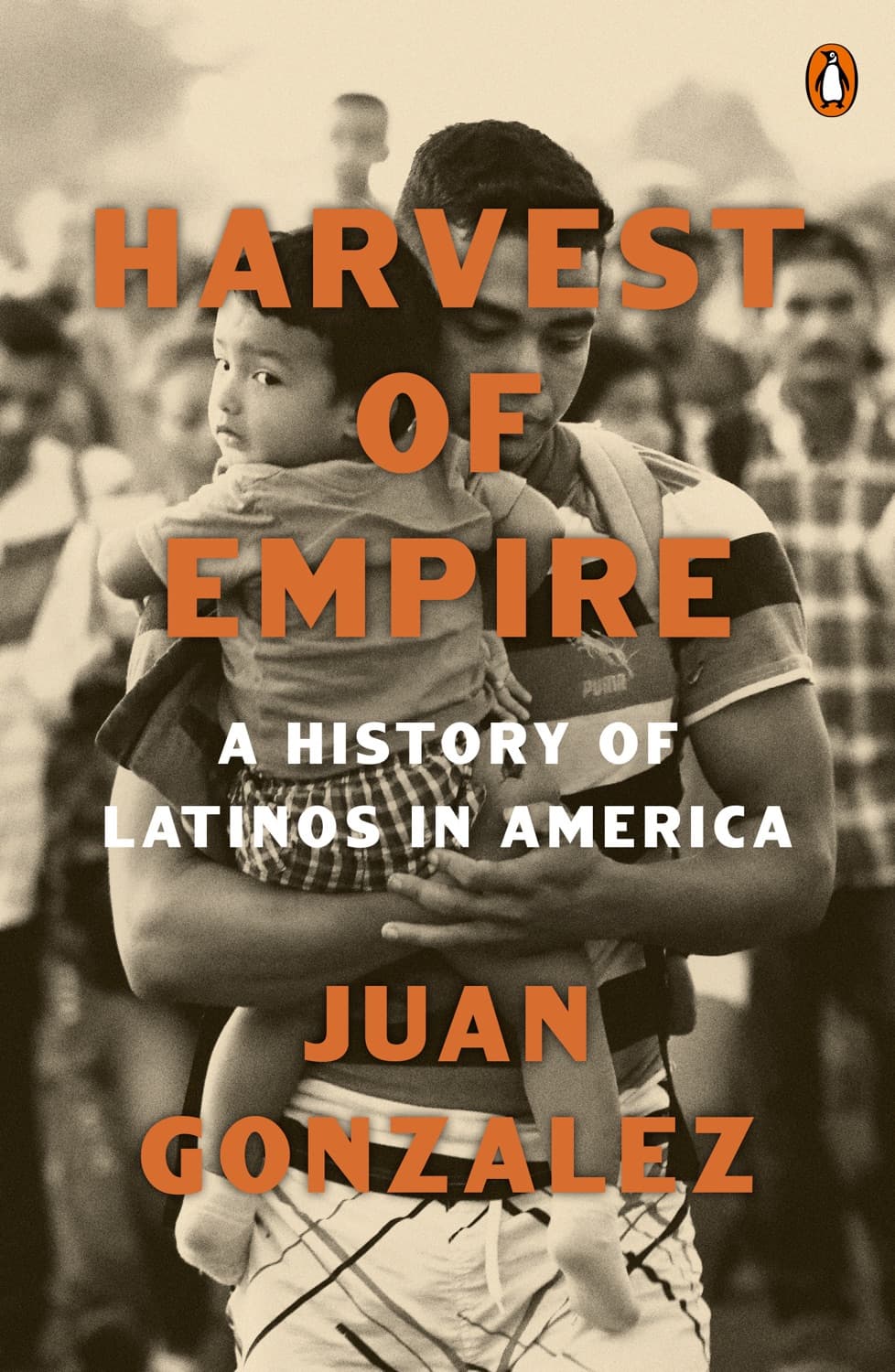
Harvest of Empire
Juan Gonzalez
Shows how foreign policy and economic strategies can echo across decades through migration and labor demands.
Migration is a geopolitical effect, not just a choice
It makes the geopolitics of the Americas tangible by tracking consequences into everyday movement. For your focus, it widens the map: border policy is downstream from interventions, trade, and extraction.
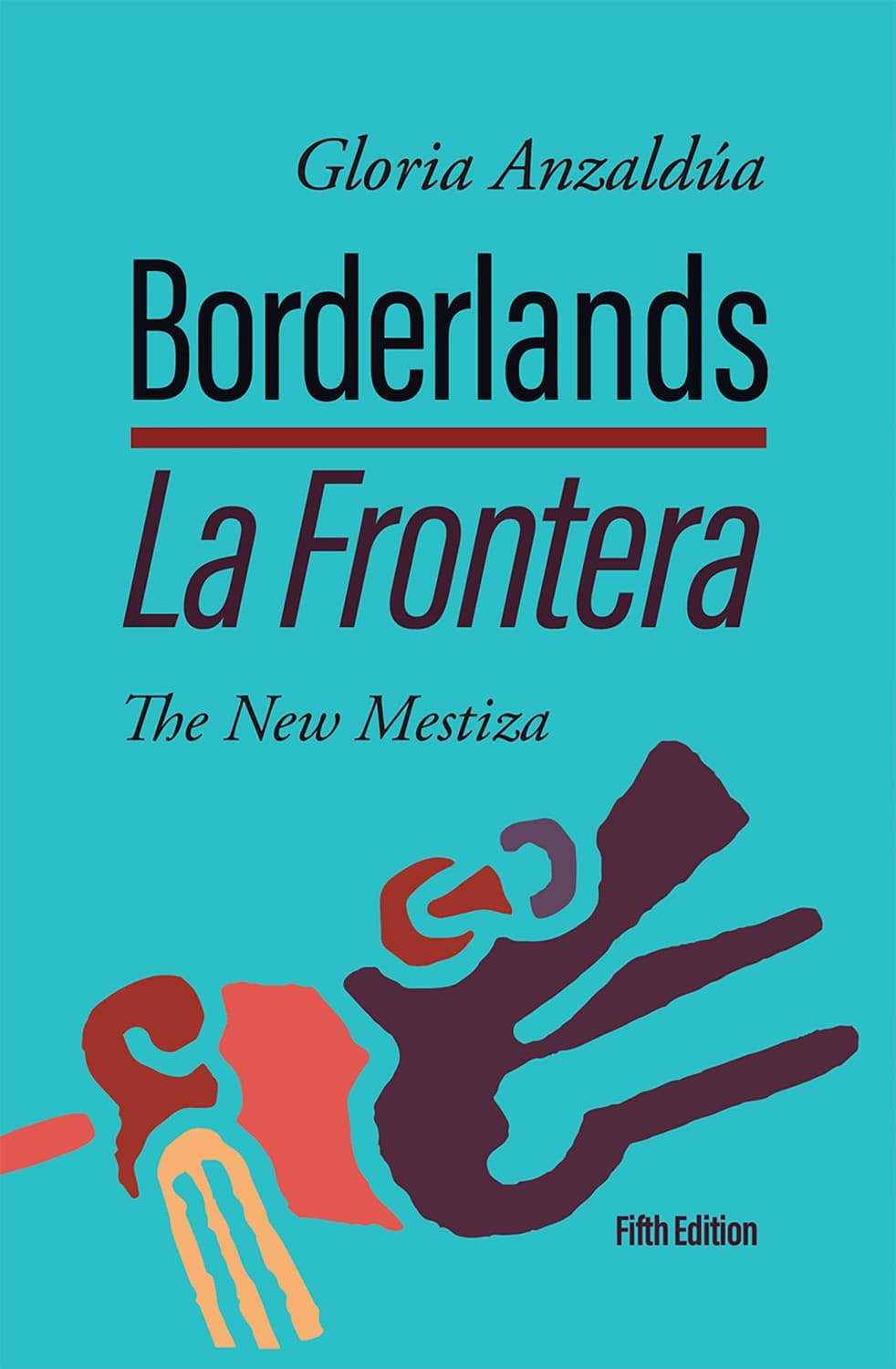
Borderlands / La Frontera
Gloria E. Anzaldua
Treats the border as a living political creation where identities, language, and power collide and reshape each other.
The border produces identity and resistance
Strategy texts often erase the human texture of control, but borders are where geopolitics becomes daily reality. This gives you a necessary cultural-political lens for understanding how hemispheric power is experienced and contested.
Can we tailor this list for you?
Type your question in the bar below and the AI will tailor a fresh set of picks just for you.