Best Books on How Elections Are Rigged and Defended
Rigged elections run on a small, repeatable set of moves: draw the districts before any vote is cast, decide who may register, flood the race with lies, then capture or reject the count. These books explain how votes are stolen and, just as important, how they are defended, from Tammany Hall to the modern global playbook.
How to Rig an Election
Nic Cheeseman, Brian Klaas
The global menu of dirty tricks, written by two scholars who studied elections in dozens of countries.
Faking democracy has become more attractive than abandoning it: a rigged vote buys legitimacy at home and aid from abroad, so the number of elections keeps rising even as honest ones do not.
Cheeseman and Klaas catalog the strategies counterfeit democrats rely on, from gerrymandering and vote-buying to hacking and violence, and explain why holding a flawed election is now safer for an autocrat than holding none at all.
How Democracies Die
Steven Levitsky, Daniel Ziblatt
How elected leaders dismantle the elections that brought them to power, without a single tank in the street.
Democracies now die at the ballot box more often than by coup, and the killers are frequently elected officials who erode institutions slowly enough that each step still looks legal.
Levitsky and Ziblatt compare democratic breakdown across Europe, Latin America, and the United States to show how would-be autocrats capture referees, sideline rivals, and quietly rewrite electoral rules while preserving the appearance of a free vote.
Unrigged
David Daley
The other half of the story: how voters are clawing back districts that were gerrymandered against them.
Gerrymanders are not permanent: where voters handed redistricting to independent commissions by ballot measure, maps that looked unbeatable came undone within a single election cycle.
Daley follows the citizens, lawsuits, and ballot initiatives undoing extreme gerrymanders state by state, showing both how the maps were captured through the REDMAP strategy and how independent commissions and courts can pry them back open.
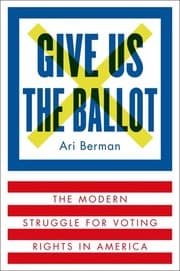
Give Us the Ballot
Ari Berman
The fifty-year fight over who actually gets to cast a vote in America.
Suppression rarely announces itself, arriving instead as paperwork, shortened hours, and closed polling places that quietly raise the cost of voting for specific communities.
Berman traces the Voting Rights Act from its 1965 triumph through decades of rollback, documenting how voter ID laws, roll purges, and poll closures became the modern, legal-looking face of disenfranchisement.
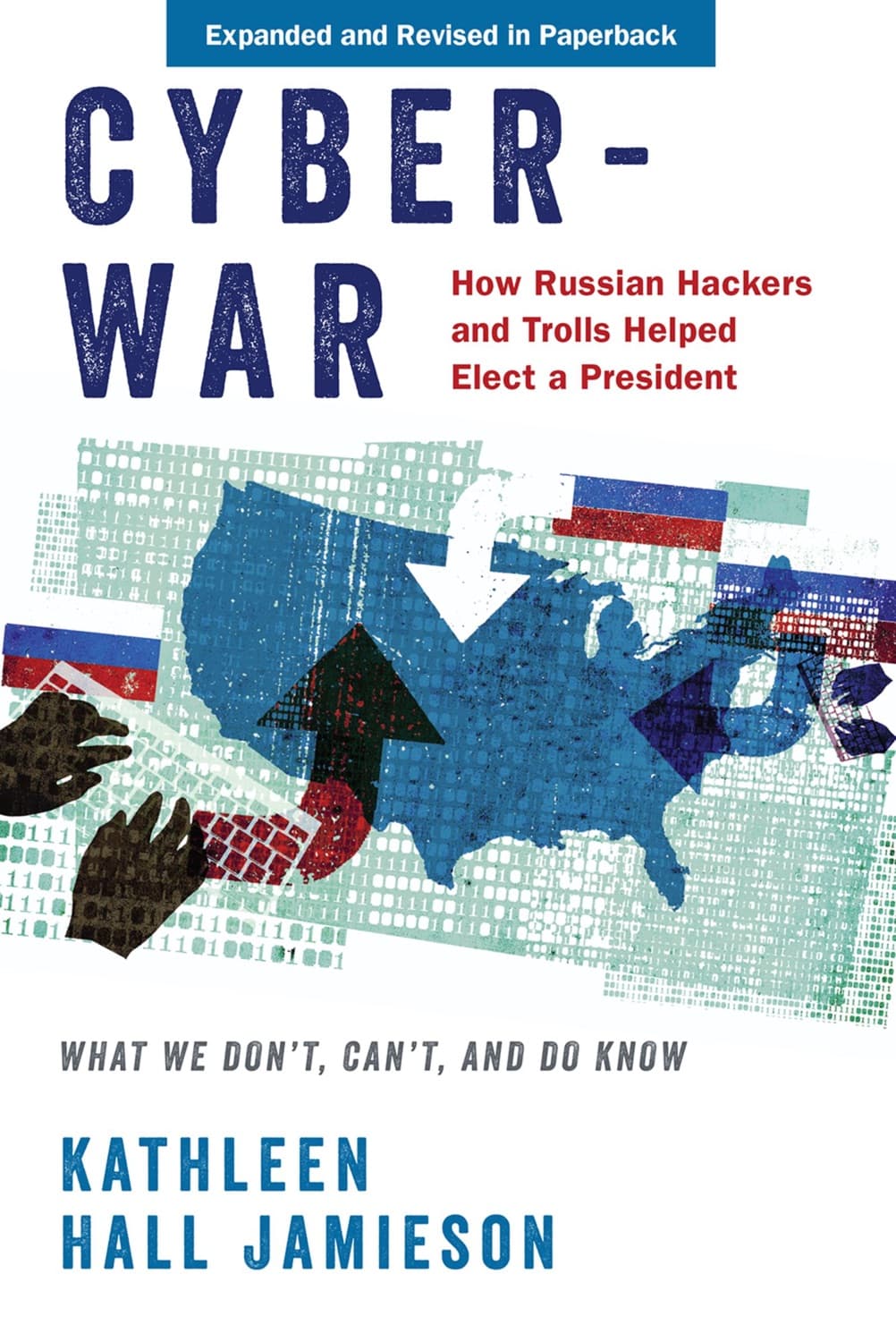
Cyberwar
Kathleen Hall Jamieson
A communications scholar's forensic case that hacking and trolling were enough to tip a presidential race.
Foreign interference works less by changing votes directly than by setting the media agenda, so a leak does its damage through the way newsrooms choose to cover it.
Jamieson dissects the 2016 Russian influence operation, carefully separating measurable effects on voters from speculation, and shows how stolen emails and social media manipulation reach the electorate through ordinary press coverage.
Ballot Battles
Edward Foley
What actually happens when nobody agrees who won, traced across two centuries of contested American elections.
The deepest danger is not fraud on election night but the absence of trusted, agreed rules for counting and challenging votes once the margin is too narrow to settle cleanly.
Foley, an election-law scholar, walks through disputed contests from the 1790s to Bush v. Gore to reveal how thin and improvised the machinery for resolving them remains, leaving democracies exposed whenever a result is close.
Democracies now die at the ballot box more often than by coup, and the killers are frequently elected officials who erode institutions slowly enough that each step still looks legal.
The Dictator's Learning Curve
William J. Dobson
Modern strongmen have traded brute force for lawyers, fake NGOs, and elections they fully intend to win.
The sophisticated autocrat does not cancel the election, he hollows it out, controlling the rules, the referees, and the airwaves so the outcome is effectively settled before voting begins.
Dobson reports from Russia, Venezuela, Egypt, and China to show how today's authoritarians manage rather than abolish elections, using courts, media, and bureaucracy to defeat the opposition while keeping a democratic veneer intact.
Deliver the Vote
Tracy Campbell
A buried history arguing that election fraud is not an aberration in America but a tradition.
Treating fraud as exceptional is itself a kind of cover, because the historical record shows manipulation woven through routine American elections for centuries.
Campbell documents ballot theft, bribery, and rigged counts from 1742 to 2004, building the unsettling case that stealing votes has been a persistent feature of American politics rather than a rare and shocking scandal.
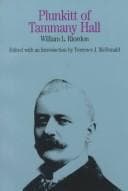
Plunkitt of Tammany Hall
William L. Riordon
A Tammany boss explains, in his own unrepentant words, how to turn neighborhood favors into reliable votes.
Plunkitt's cheerful distinction between honest and dishonest graft shows how vote-buying gets rationalized from the inside as nothing more than neighborly service.
These turn-of-the-century talks by ward boss George Washington Plunkitt lay bare how patronage and what he called honest graft delivered a dependable vote, the original blueprint for the American political machine.
Can we tailor this list for you?
Type your question in the bar below and the AI will tailor a fresh set of picks just for you.