Best Non-Technical Books Every AI Engineer Should Read
Non-technical essentials for AI engineers: Daniel Kahneman’s Thinking, Fast and Slow clarifies human judgment, while Don Norman’s The Design of Everyday Things helps ship AI that people can actually use.

Thinking, fast and slow
Daniel Kahneman
After Kahneman, you stop treating user behavior as “data” and start treating it as judgment under bias.
Bias lives in the shortcuts: System 1 vs System 2.
It gives you a practical map of how people reason, including the predictable shortcuts they take when stressed, rushed, or overconfident. For AI engineering, that lens prevents product failures caused by mismatched assumptions about how users interpret model outputs.
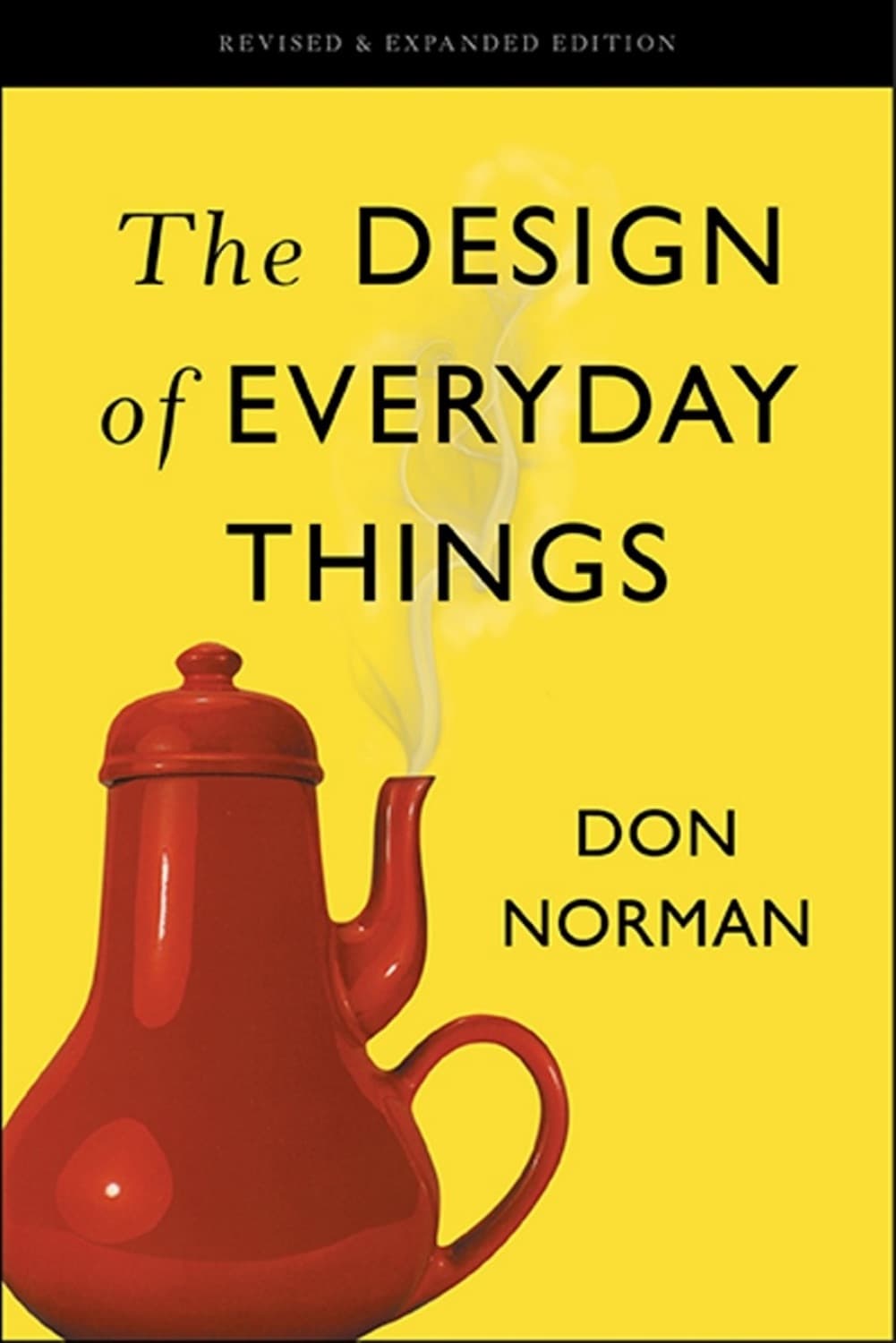
The Design of Everyday Things
Don Norman
Norman turns “why didn’t users get it?” into a design diagnosis, not a blame game.
Good design reduces error with feedback and constraints.
It lays out usability principles grounded in how people perceive, learn, and make mistakes. For AI products, those principles help you design interfaces that communicate uncertainty, constraints, and next actions clearly, so users trust the right parts of the system.
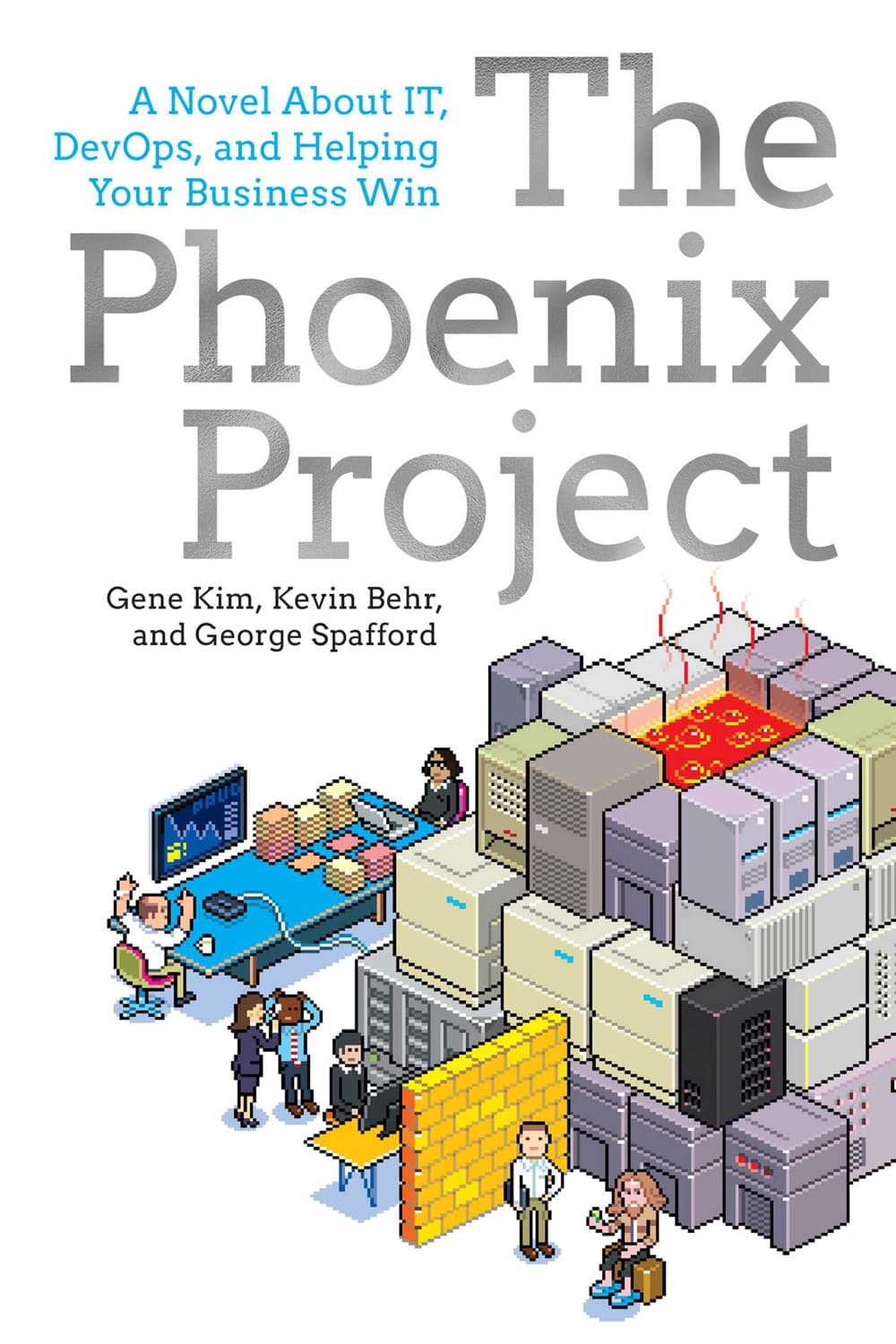
The Phoenix Project
Gene Kim, Kevin Behr, George Spafford
One narrative shows how bottlenecks and bad handoffs quietly throttle even the best engineering teams.
It is throughput vs bottlenecks, not heroics.
It reframes technology work as a flow problem, connecting operations, organizational friction, and delivery outcomes. For AI engineers, that systems perspective makes model work fit the real-world constraints of reliability, change management, and cross-team dependencies.
Measure What Matters
John Doerr
OKRs push AI efforts from “shipping features” to measurable outcomes that survive stakeholder scrutiny.
Set Objectives, then Key Results you can measure.
It teaches a repeatable alignment mechanism for goals, metrics, and accountability, grounded in how organizations actually execute. For AI teams, that discipline clarifies what success means for humans and the business, not just for model scores.
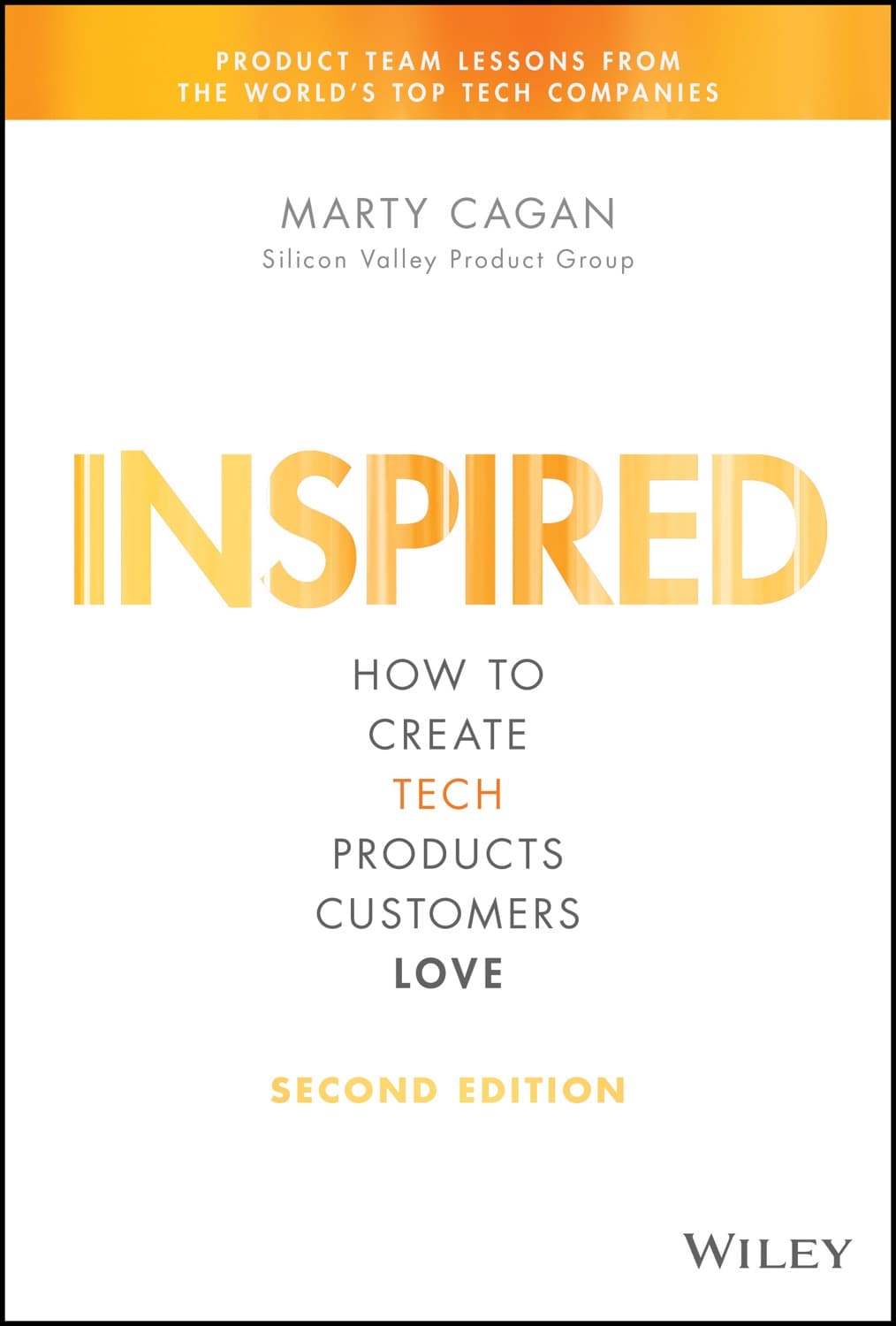
Inspired
Marty Cagan
Cagan makes product outcomes depend on discovery and strong product thinking, not more engineering horsepower.
Good product work beats great engineering-by-default.
It defines how great products translate technical capability into customer value using clear problem framing and iterative discovery. For AI engineers, it helps you stop treating “the model” as the product and start treating user needs and measurable value as the center of gravity.
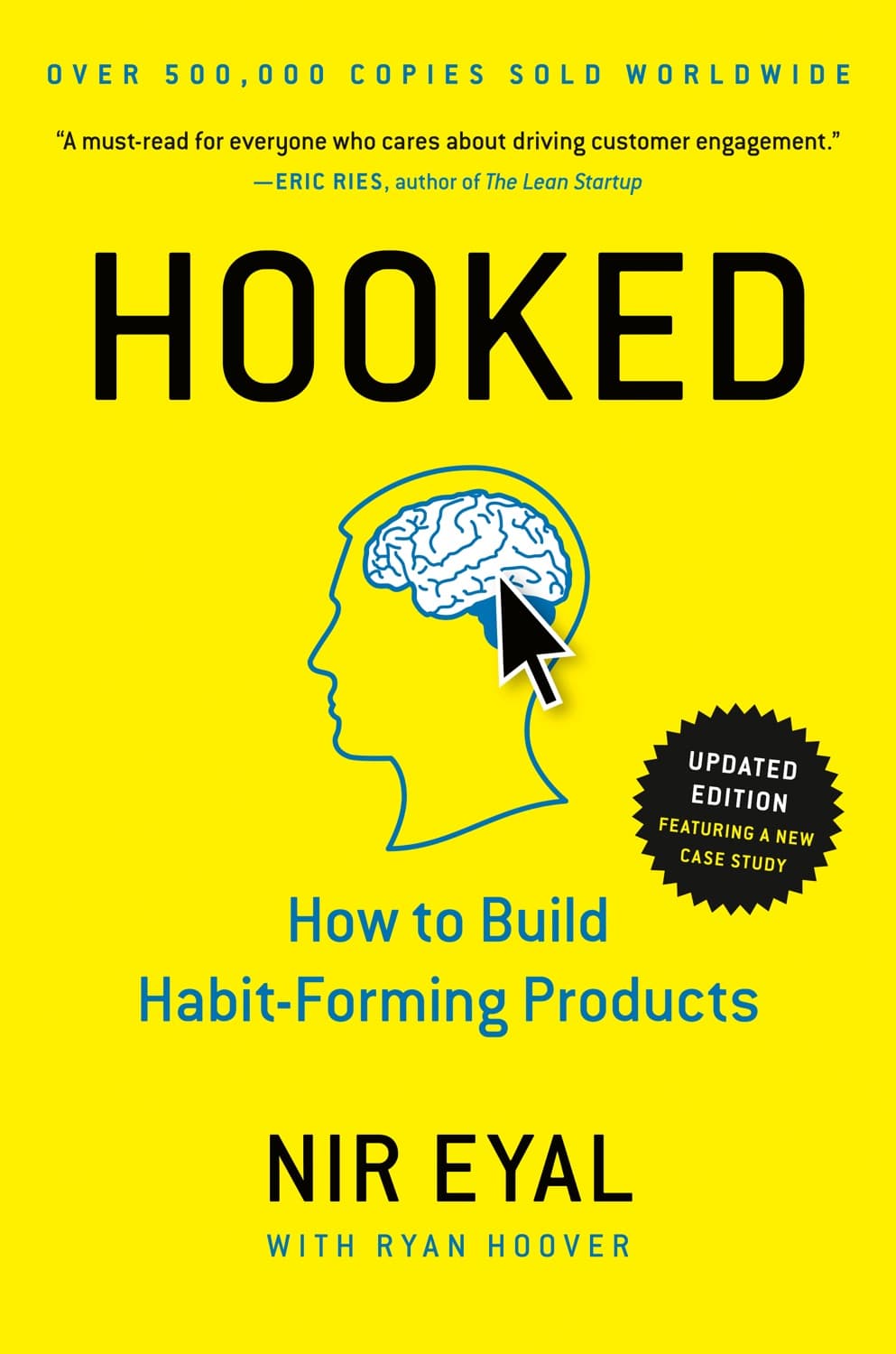
Hooked
Nir Eyal
Hooked helps you redesign AI experiences so users form habits around value, not friction.
The habit loop: Trigger, Action, Variable Reward, Investment.
It offers a behavioral model for creating engagement that respects how people respond to triggers, rewards, and friction. For AI applications, that framework is useful when you want repeated use without manipulative design choices or confusing interaction patterns.
Good design reduces error with feedback and constraints.
The Lean Startup
Eric Ries
Lean Startup changes your default from “build then test” to continuous learning under uncertainty.
Validated learning beats opinions and assumptions.
It formalizes experimentation mindset and iteration cycles that are especially relevant when you cannot fully know how users will react to new AI capabilities. For AI engineering, it turns ambiguity into a planned process: hypotheses, learning, and adjustment.
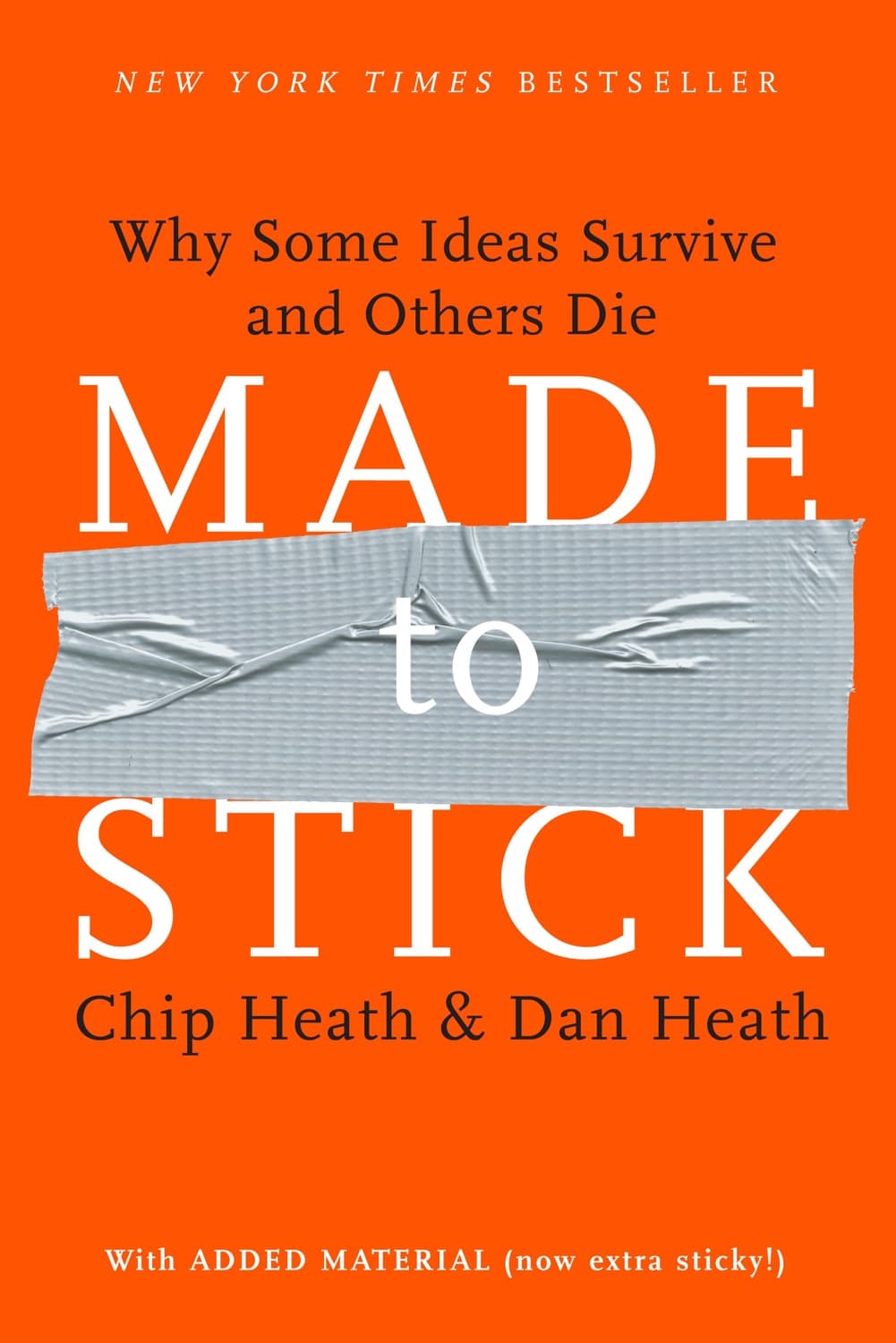
Made to Stick
Chip Heath
Made to stick helps AI explanations stop sounding like dashboards and start sticking in memory.
Use simplicity: remove curse of knowledge with one clear idea.
It teaches how to craft messages that are clear, concrete, and emotionally resonant, using principles that improve comprehension. For AI engineers, this matters when you need users and stakeholders to understand risks, limits, and value without technical fog.
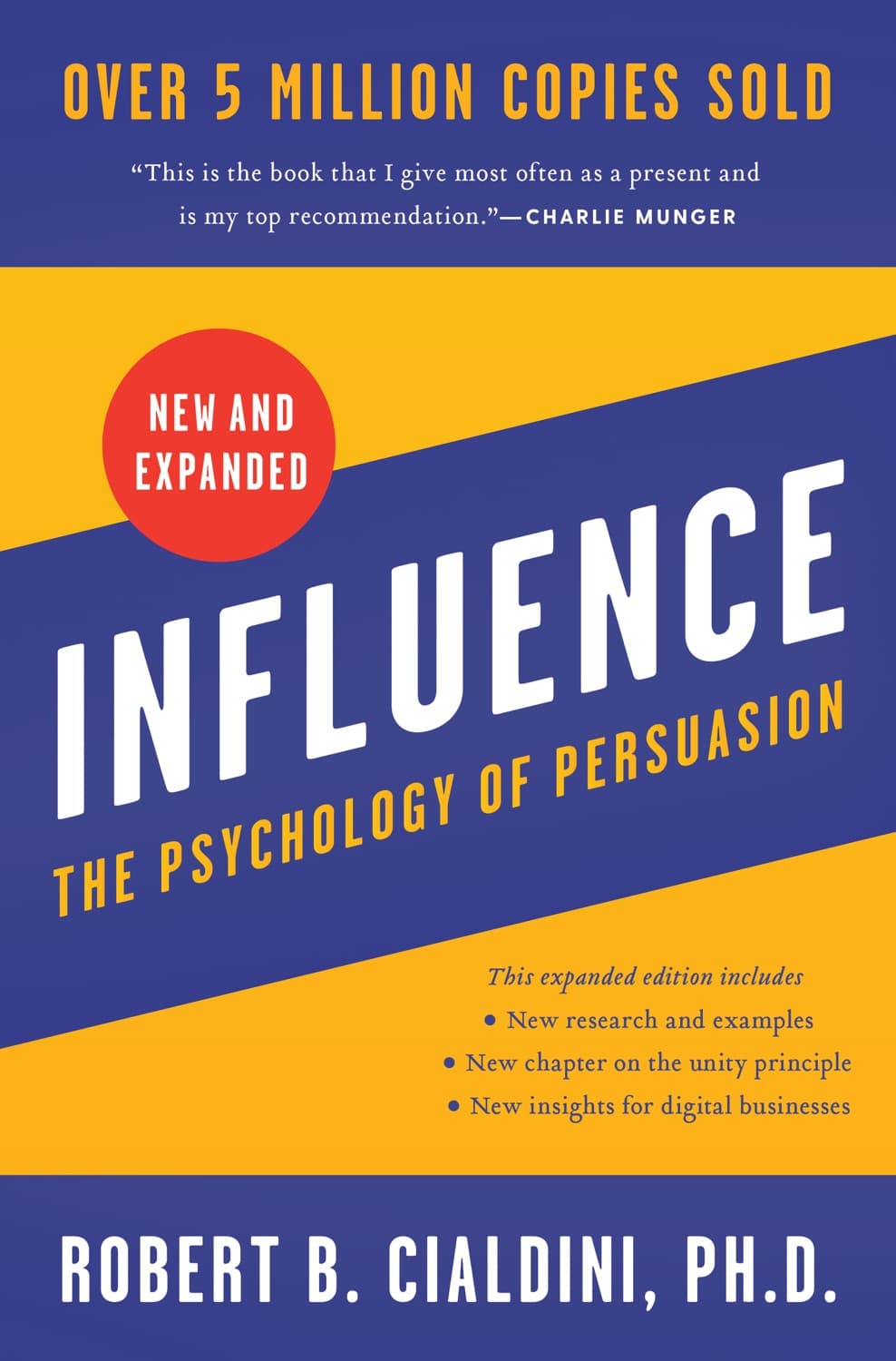
Influence
Robert B. Cialdini
Influence teaches you how decisions actually happen, so you can earn trust in AI rather than just persuade.
Reciprocity, commitment, social proof: triggers of yes.
It explains key persuasion mechanisms that shape compliance, uptake, and perceived credibility. For AI systems, that insight helps you design explanations, defaults, and interactions that reduce skepticism and encourage appropriate adoption.
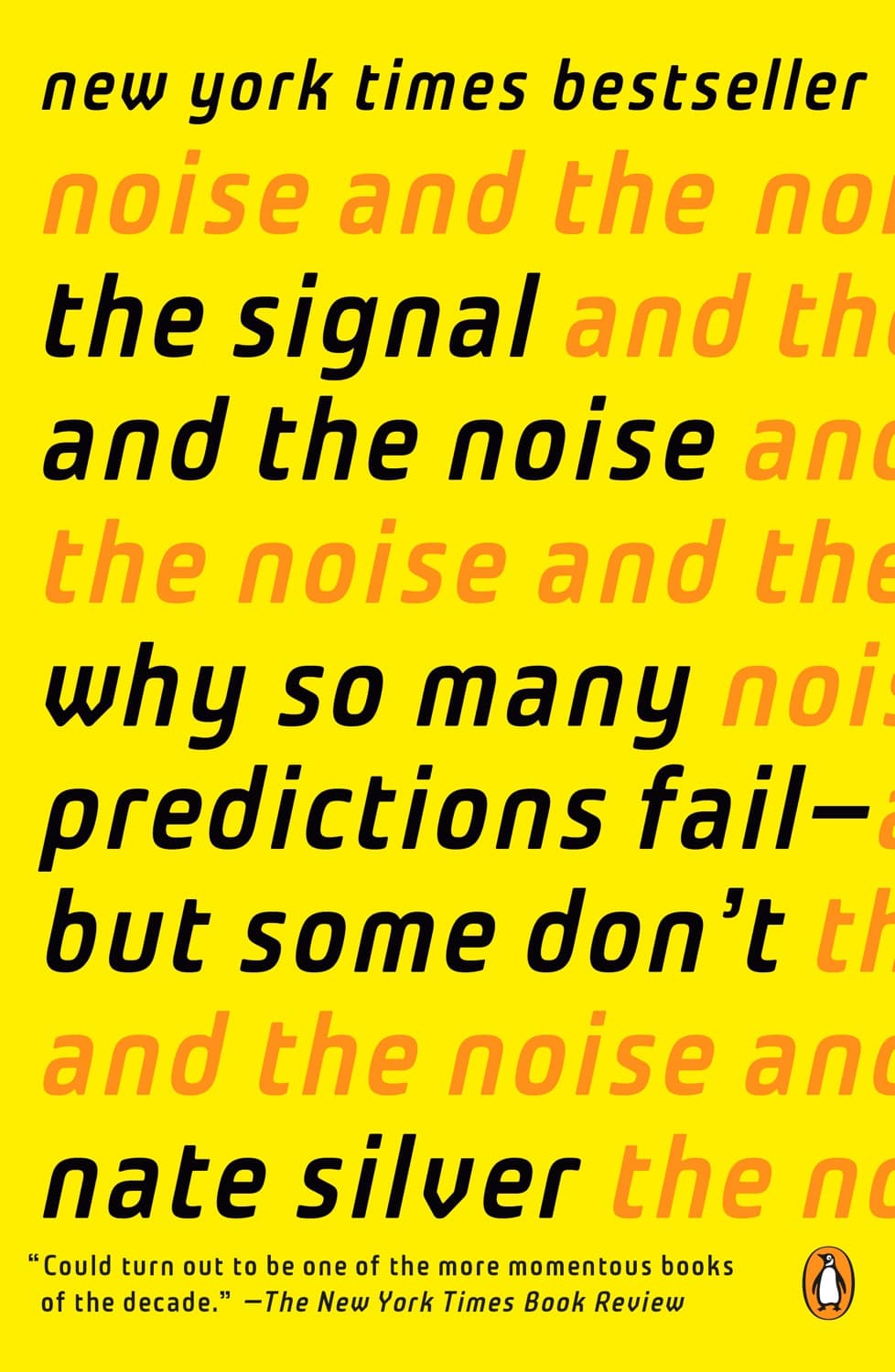
The Signal and the Noise
Nate Silver
After Silver, you treat uncertainty as information, not an inconvenience.
Beware base rates: they often beat clever narratives.
It builds intuition for prediction, base rates, and why even good models can mislead when randomness and bias mix. For AI engineering, it sharpens how you interpret metrics and communicate when outcomes should be expected to vary.
Can we tailor this list for you?
Type your question in the bar below and the AI will tailor a fresh set of picks just for you.