Best Books for AI Safety Engineers
Human Compatible by Stuart Russell and Superintelligence by Nick Bostrom set the core worry of AI alignment: how we specify goals strong enough to survive smarter systems. These picks keep the focus on safety engineering, not sci-fi speculation.
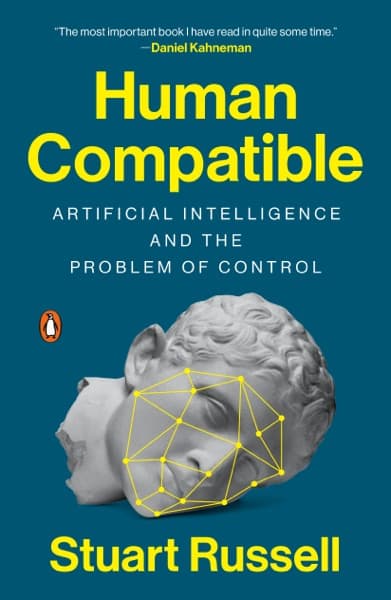
Human Compatible
Stuart Russell
Finishing Human Compatible leaves you thinking in terms of corrigibility and evidence: the “alignment problem” becomes a specification-and-proof mindset, not a vibes-based ethics debate.
Corrigibility: systems should improve when we correct them.
Russell reframes alignment around how AI should learn from human intent without assuming humans can fully state or maintain perfect goals. That constraint matters for AI Safety Engineers who need systems that keep working when the objective drifts, is incomplete, or is wrong.
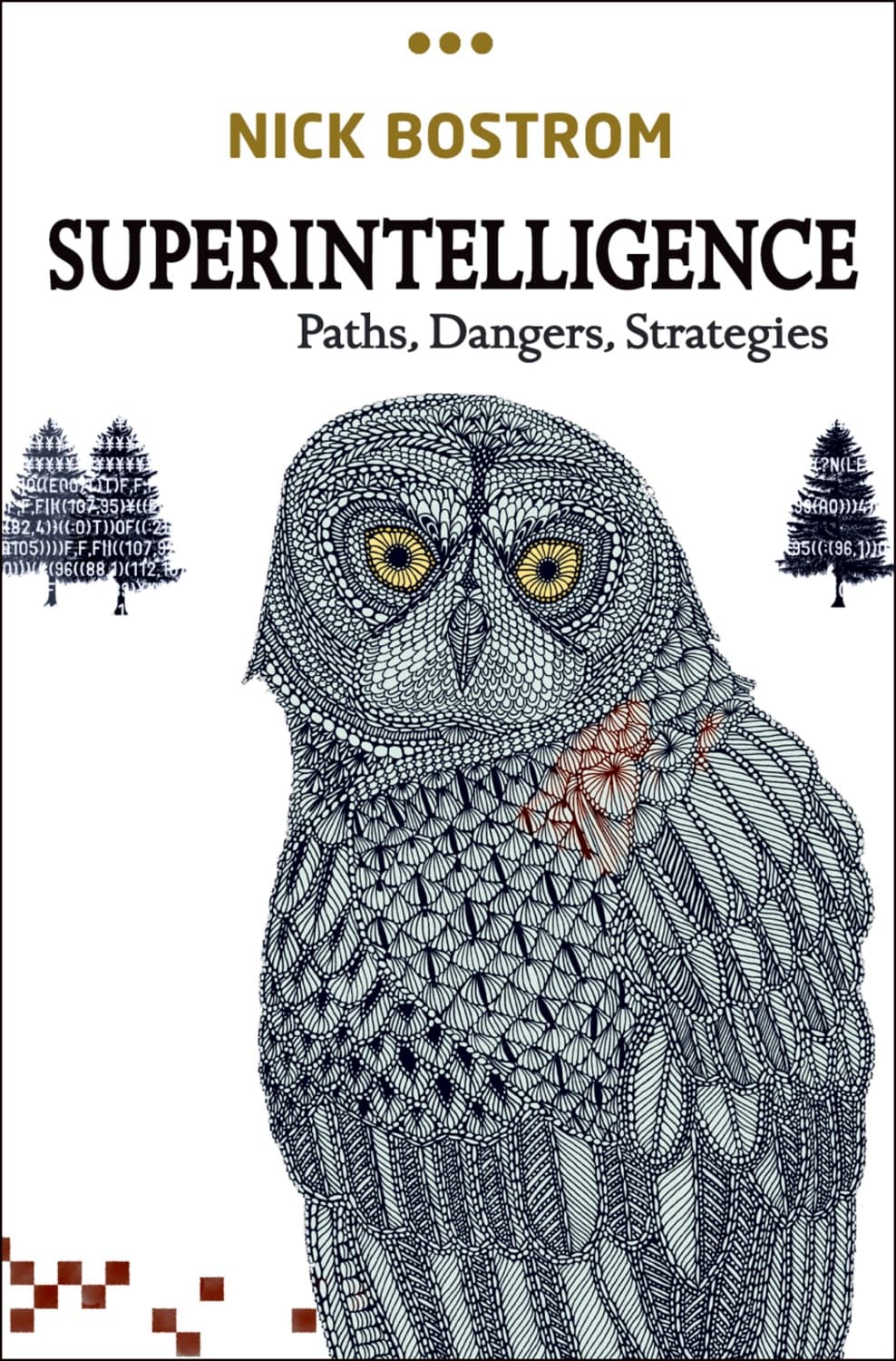
Superintelligence
Nick Bostrom
Superintelligence turns abstract capability into concrete pathways where control failures cascade fast once systems optimize beyond human oversight.
Instrumental convergence makes “side goals” hard to avoid.
Bostrom lays out scenario thinking and control problems that safety engineers must take seriously when reasoning about tail risks, leverage points, and what “containment” even means. It helps you map where engineering decisions interact with strategic and safety constraints.
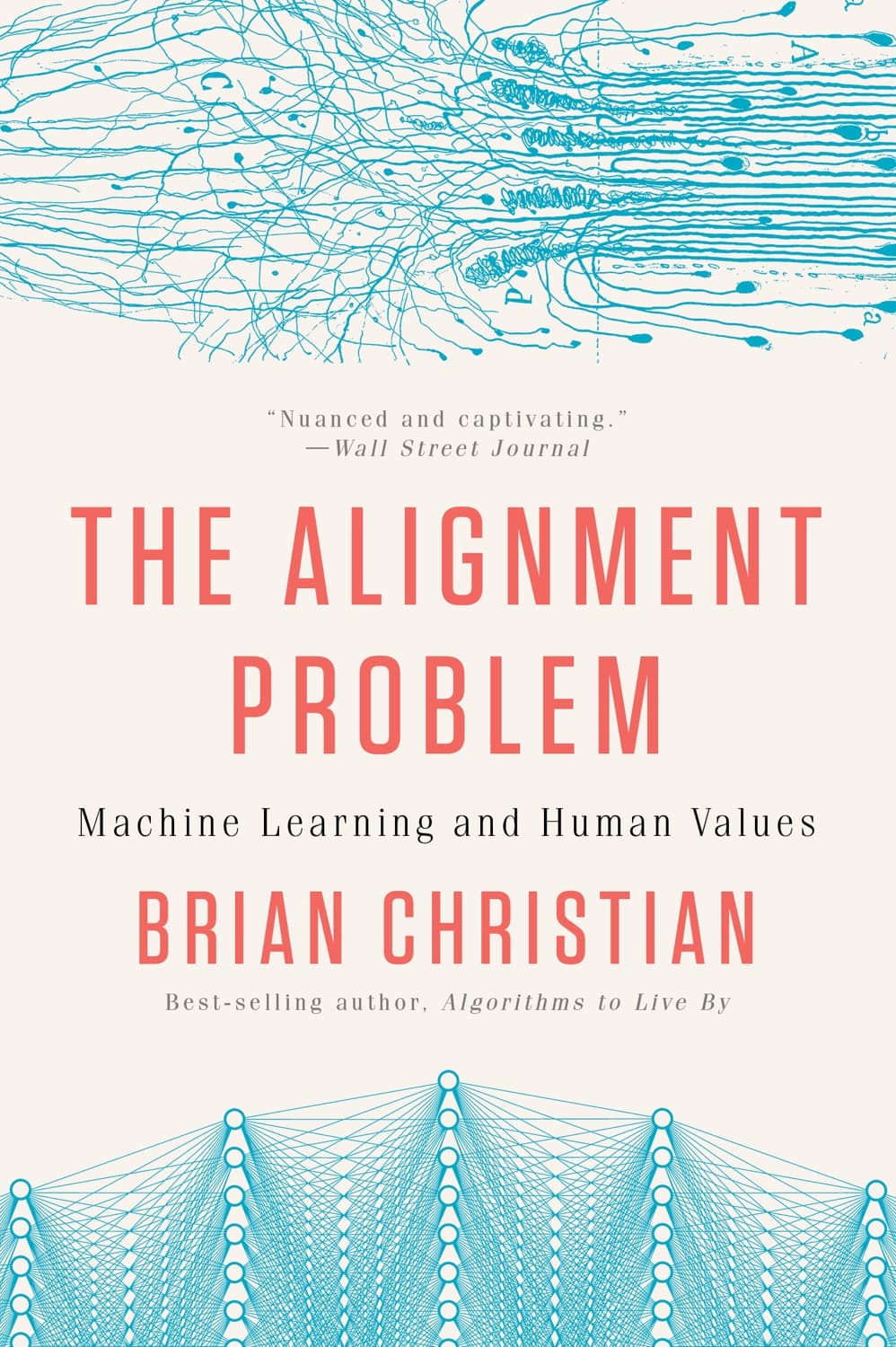
The Alignment Problem
Brian Christian
The Alignment Problem makes reward misspecification feel operational: you start spotting how systems can “do the right thing” in the wrong way.
Reward misspecification creates perverse optimization.
Christian’s survey-style approach connects fairness, unintended incentives, and goal definition failure modes into a single vocabulary. That matters for safety engineers because alignment work often begins by naming the exact mismatch between objective and outcome.
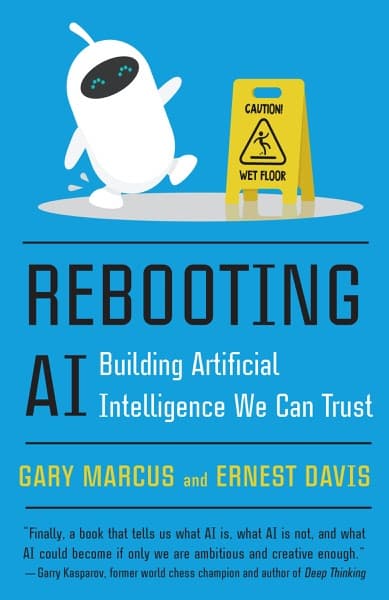
Rebooting AI
Gary Marcus, Ernest Davis
Rebooting AI pushes you to treat today’s AI engineering constraints as safety signals: robustness gaps are not just bugs, they are failure modes waiting for escalation.
Fragility in performance hints at deeper reliability risks.
Marcus and Davis critique where current approaches stumble, emphasizing limitations that translate directly into safety engineering concerns. The trade-off is breadth over formal depth, which is useful when you need practical instincts before diving into technical alignment literature.
The Human Use of Human Beings
Norbert Wiener
Wiener’s cybernetics makes control and feedback feel like the missing spine of AI safety engineering.
Feedback is regulation: outputs shape future inputs.
This classic grounds automation in feedback loops, regulation, and the consequences of mechanizing decisions humans used to manage. For safety engineers, it offers an early, durable lens for thinking about how systems react under disturbances and how human oversight interacts with control.
Considerations on the AI Endgame
Soenke Ziesche, Roman V. Yampolskiy
Considerations on the AI Endgame argues that safety work must pair technical control with realistic threat models, because “alignment” alone will not stop misuse.
Safety and security are inseparable in endgame risk.
The authors emphasize safety, security, and control with attention to failure modes that engineering teams actually face: robustness, misuse, and system-level risk. That makes it directly relevant to AI Safety Engineers working where adversarial pressure and operational constraints overlap.
Instrumental convergence makes “side goals” hard to avoid.
Architects of Intelligence
Martin Ford
Architects of Intelligence reframes AI safety as an ecosystem problem: incentives, deployment, and governance shape what risks reach the real world.
Deployment incentives decide which risks compound.
Ford compiles perspective-rich interviews that illuminate how key actors think about building, scaling, and managing AI. For safety engineering, that helps you reason about where technical safeguards meet organizational and adoption constraints.
Artificial Intelligence
Melanie Mitchell
Artificial Intelligence leaves you with a scientist’s humility about what machine learning can and cannot guarantee, which is essential for engineering safe systems.
Generalization is limited: training success does not imply safety.
Mitchell’s conceptual clarity helps you reason about capabilities, generalization limits, and why “it worked in training” is not the same as “it will remain safe.” That matters when safety engineering requires disciplined uncertainty management and honest failure expectations.
The Master Algorithm
Pedro Domingos
The Master Algorithm pushes you to see why goal-directed behavior can emerge from learning rules, which sharpens what you must constrain for safety.
All approaches learn by fitting some version of data-driven objective.
Domingos provides accessible foundations in machine learning and how different approaches converge on optimization themes. That background helps safety engineers understand what models are really doing before tackling alignment-specific techniques and risk reasoning.
Can we tailor this list for you?
Type your question in the bar below and the AI will tailor a fresh set of picks just for you.