Best Books on the History of AI
History of AI reads differently through Jon Gertner’s The Idea Factory and Brian Christian’s The Alignment Problem: you watch labs, ideas, and failures compound into today’s systems.
The Idea Factory
Jon Gertner
Bell Labs becomes a real engine for AI: the same research culture that built telecommunications also shaped how computers learned.
Research culture can outperform single breakthroughs
Gertner turns AI’s “origins” into a workplace history: funding, talent, and cross-disciplinary experiments that made progress feel cumulative. That matters for history of AI because it shows how technical advances depended on institutions, not just algorithms.
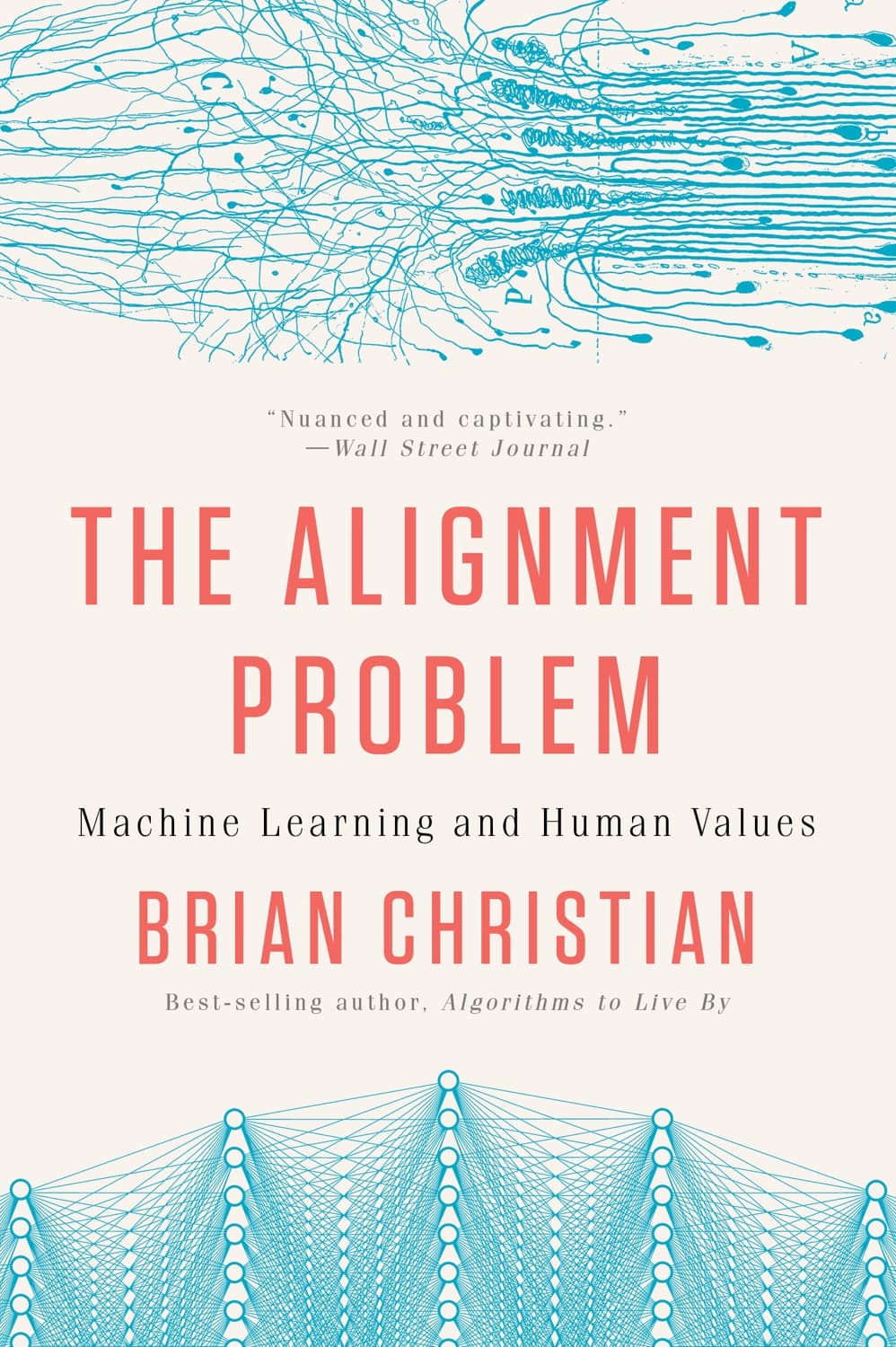
The Alignment Problem
Brian Christian
Modern AI history is told through the question of how to keep powerful systems pointed the right way, not just how to make them clever.
Misalignment is a historical thread
Christian traces technical and historical milestones while keeping the moral and practical stakes in view. For “history of AI,” it reframes the timeline as a progression of reliability, control, and goals, not only capability.
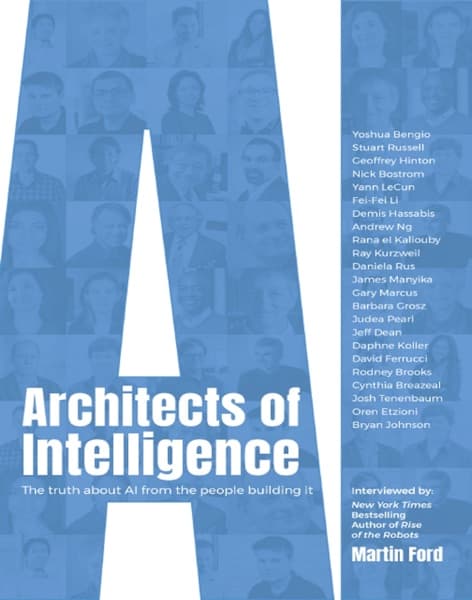
Architects of Intelligence
Martin Ford
The field’s story sounds like a relay race of competing visions, where each “architecture” changes what counts as intelligence.
Every model implies a theory of mind
Ford blends researcher interviews with a clear map of how different approaches emerged and why they challenged one another. That helps you understand AI history as a set of shifting paradigms that still echoes in today’s models.
Machines Who Think
Pamela McCorduck
AI’s earliest dreams are treated as literature and politics as much as engineering, making the “why” of the field vivid.
AI is shaped by culture as much as code
McCorduck offers a long narrative that runs from origins through major waves, with personalities and controversies that feel central rather than decorative. It fits history of AI readers who want a coherent storyline across decades.
The Master Algorithm
Pedro Domingos
The race for a single learning master reframes AI history as a contest among five dominant traditions.
Five ML tribes drive most AI history
Domingos makes the historical emergence of major AI approaches feel comparable and connected, even when the field split into camps. That matters because it turns “what happened” into “which ideas competed and why.”
The deep learning revolution
Terrence J. Sejnowski
Neural networks return not as nostalgia, but as a modern breakthrough pushed by scientific persistence and new data reality.
Deep learning won with representation + data
Sejnowski writes as an insider, so the deep learning story is grounded in experiments, debates, and the road from skepticism to impact. For AI history, it delivers the neural-network era with a researcher’s sense of what changed technically and intellectually.
Misalignment is a historical thread
Genius Makers
Cade Metz
Deep learning becomes a modern saga: breakthroughs are powered by people, platforms, and the brutal feedback loop of real-world results.
Scaling made algorithms decisive
Metz traces the rise of deep learning through key researchers and the systems around them, capturing how ideas scaled into industry. For history of AI, it shows how success depended on both algorithms and the ecosystem that could run them.
Can we tailor this list for you?
Type your question in the bar below and the AI will tailor a fresh set of picks just for you.