Best Books on Fine-Tuning and RLHF
Fine-tuning and RLHF stop being black boxes when you pair Sutton and Barto’s RL fundamentals with modern transformer post-training practice in books like Natural Language Processing with Transformers and Build a Large Language Model (from Scratch).
Natural Language Processing with Transformers, Revised Edition
Lewis Tunstall, Leandro von Werra, Thomas Wolf
Natural Language Processing with Transformers turns “fine-tuning” into repeatable engineering: tokenization, training setup, and Hugging Face workflows that behave predictably.
Treat your data pipeline as part of the model
It emphasizes practical transformer fine-tuning mechanics and the everyday pipeline decisions RLHF depends on, like dataset preparation and training configuration. That makes it a strong bridge from theory to the post-training work RLHF requires.
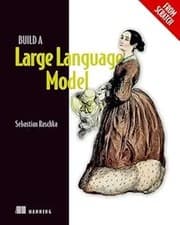
Build a Large Language Model (From Scratch)
Sebastian Raschka
Build a Large Language Model (from Scratch) makes alignment and post-training feel concrete by grounding RLHF in the actual mechanics of training modern language models.
Post-training starts with understanding pre-training dynamics
You get a modern, implementation-minded account of how LLMs learn before diving into adaptation and alignment concepts. That foundation sharpens how you think about fine-tuning objectives and why RLHF’s training signal works.
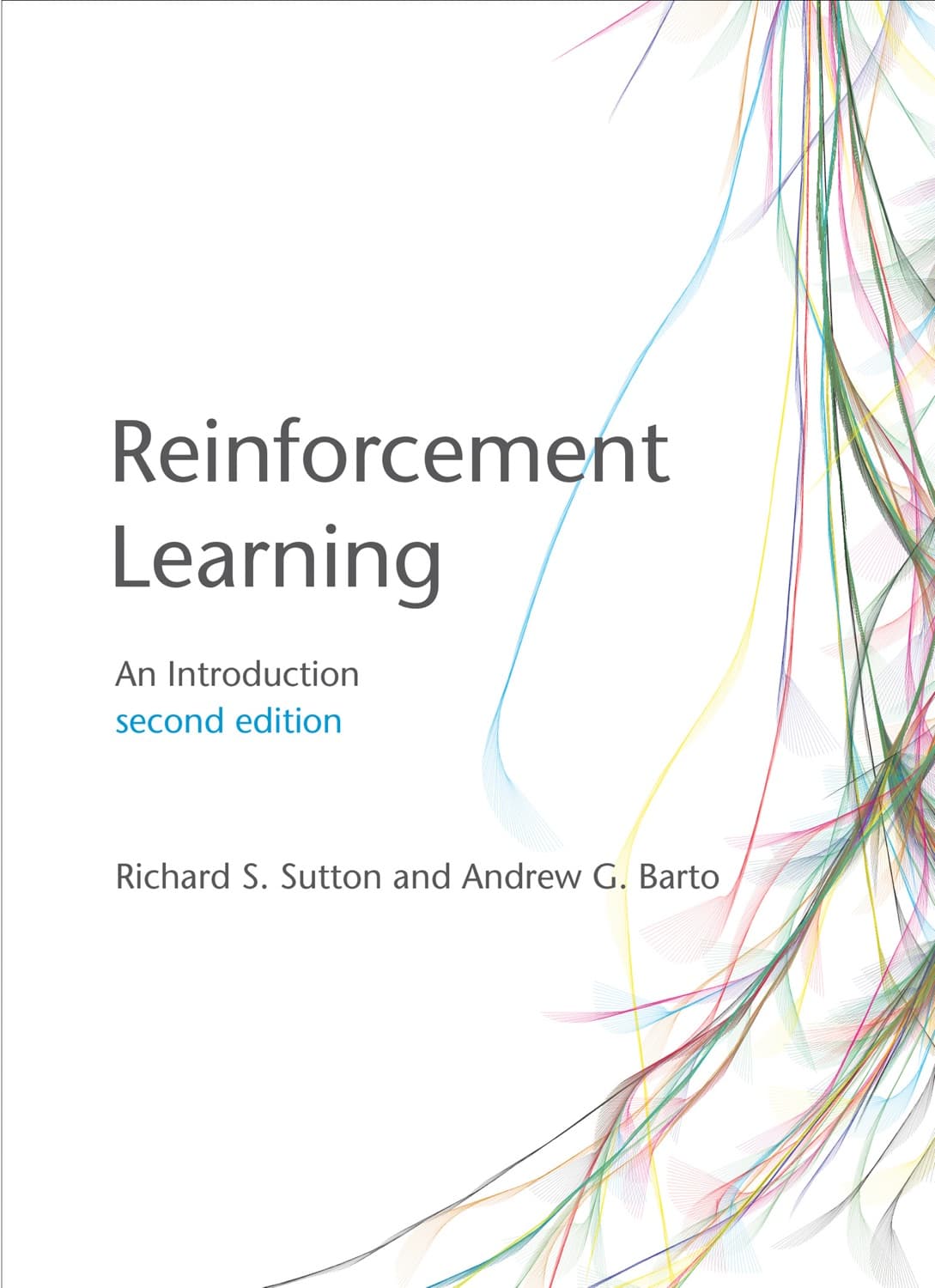
Reinforcement Learning, second edition
Richard S. Sutton, Andrew G. Barto
Sutton and Barto give RLHF its backbone: reward maximization is a control problem, not a magic alignment spell.
The policy learns to optimize expected return
RLHF’s policy optimization and reward learning logic rests on core RL concepts like value estimation, policies, and credit assignment. Revisiting these from the definitive source prevents “recipe learning” and improves how you evaluate reward models and objectives.
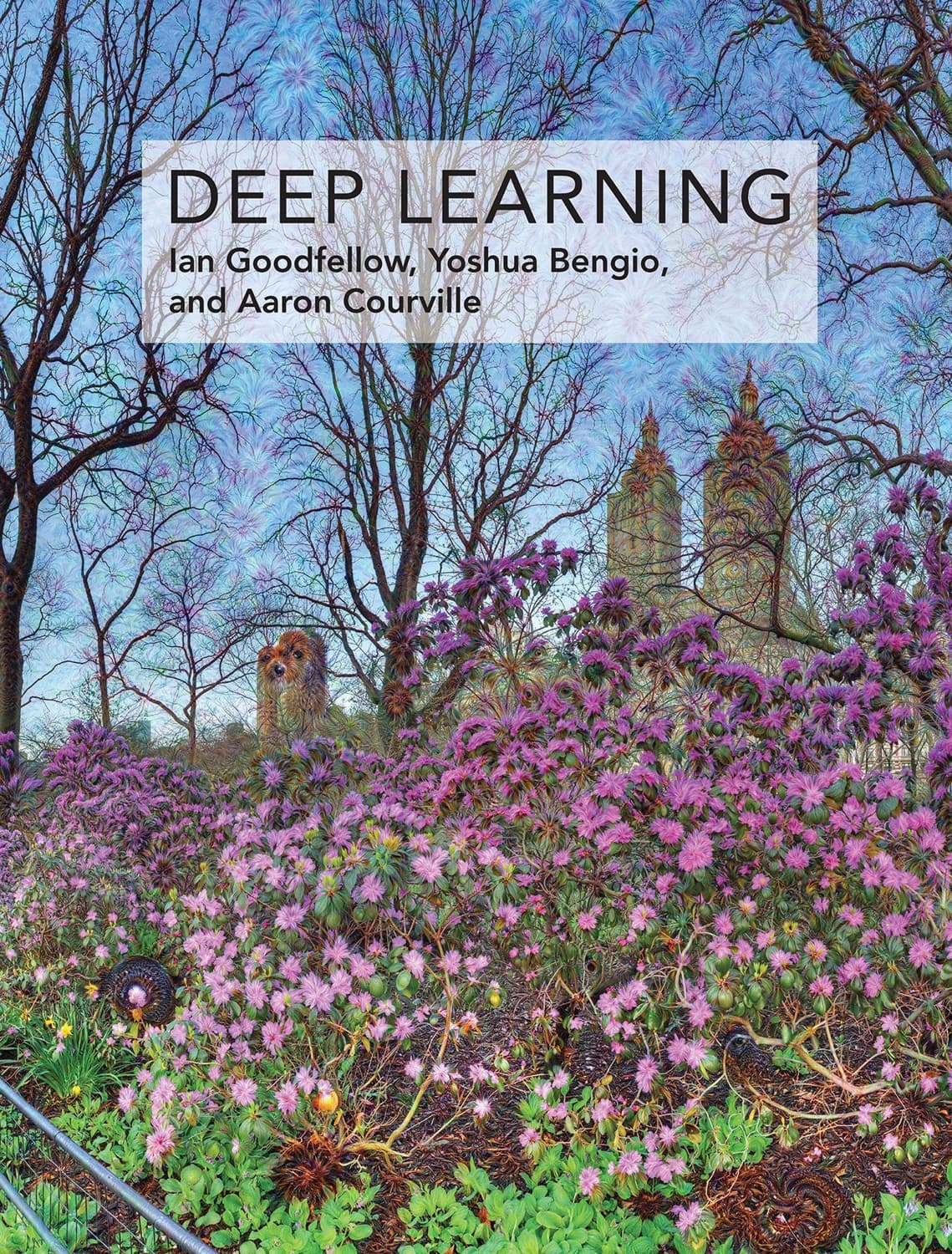
Deep Learning
Ian Goodfellow, Yoshua Bengio, Aaron Courville
Deep Learning clarifies why fine-tuning works at all: representation learning plus optimization choices determine what the model can reliably adapt.
Generalization comes from both models and data
Before reward modeling and RLHF, you need the fundamentals behind learning, generalization, and gradient-based optimization. This book supplies the conceptual tools to understand failure modes that show up during alignment fine-tuning.
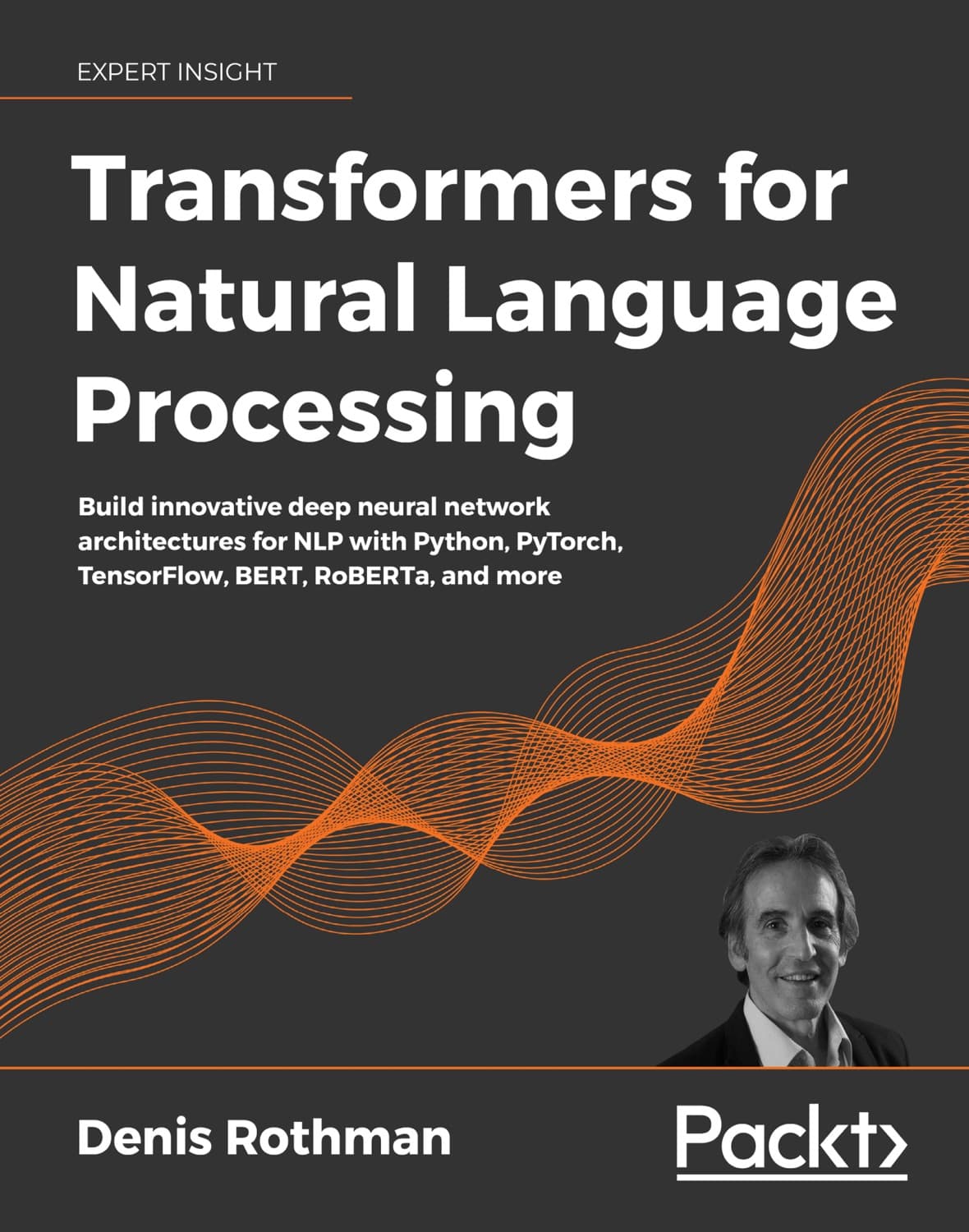
Transformers for Natural Language Processing and Computer Vision
Denis Rothman
Transformers for Natural Language Processing and Computer Vision treats transformer adaptation as a practical workflow you can reason about, not a black-box trick.
Think in attention patterns and training signals
Its approachable presentation helps you form a mental model of transformer behavior, then apply that understanding to fine-tuning scenarios that resemble RLHF post-training setups. It’s useful when you want clarity without losing sight of application.
Generative Deep Learning
David Foster
Generative Deep Learning makes “generation” mathematically meaningful, so later fine-tuning and RLHF training signals don’t feel arbitrary.
A generative model defines a distribution over outputs
A solid generative modeling background helps you interpret what changes when you shift objectives from likelihood training to reward-driven alignment. That conceptual shift is exactly where many RLHF attempts go wrong.
Post-training starts with understanding pre-training dynamics
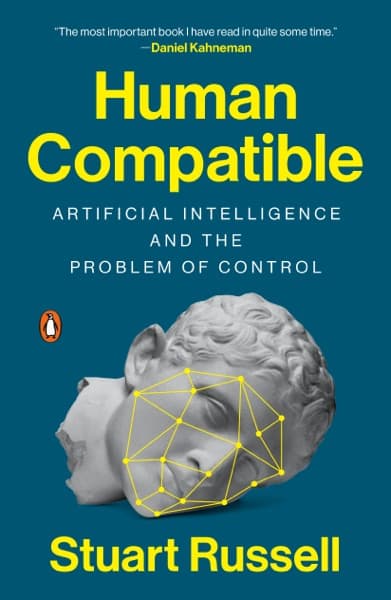
Human Compatible
Stuart Russell
Human Compatible reframes alignment from tactics to incentives: building systems that are corrigible by design, not just trained to please.
Corrigibility targets incentive misalignment
RLHF is about shaping preferences, and Russell’s framing helps you connect preference-learning approaches to broader alignment concerns. That perspective keeps “reward” from being treated as a purely technical knob.
Deep Reinforcement Learning Hands-On
Maxim Lapan
Deep Reinforcement Learning Hands-On translates RL concepts into implementable patterns, which makes reward-driven optimization for RLHF feel less theoretical.
Stability depends on algorithm and representation choices
It helps you operationalize RL ideas that RLHF relies on, like training stability concerns and how algorithms behave in practice. That practical RL grounding improves how you think about reward optimization and evaluation.
Hands-On Large Language Models
Jay Alammar, Maarten Grootendorst
Hands-On Large Language Models turns modern adaptation into something you can actually deploy, including the post-training mindset behind alignment-style work.
Fine-tuning is objective engineering plus tooling
It’s oriented toward practical LLM usage and adaptation, which supports understanding how fine-tuning and alignment steps fit together. That’s valuable when mapping RLHF ideas to the real engineering surface area.
Can we tailor this list for you?
Type your question in the bar below and the AI will tailor a fresh set of picks just for you.