Best Books on Space Exploration
Space exploration runs from the Mercury test pilots to a year aboard the ISS. Tom Wolfe's The Right Stuff, Andrew Chaikin's A Man on the Moon, and Michael Collins' Carrying the Fire trace the race to the Moon and the people who flew it.
The Right Stuff
Tom Wolfe
Seven test pilots get strapped to rockets while a nation decides what courage looks like.
Astronaut bravado was inherited from test-pilot culture.
Tom Wolfe follows the Mercury Seven from the high desert of experimental flight test into the glare of the early space program. It's about the unspoken code that separated the men who flew the hardest planes, and how that code met the cameras. Read it for the origins of the American astronaut.
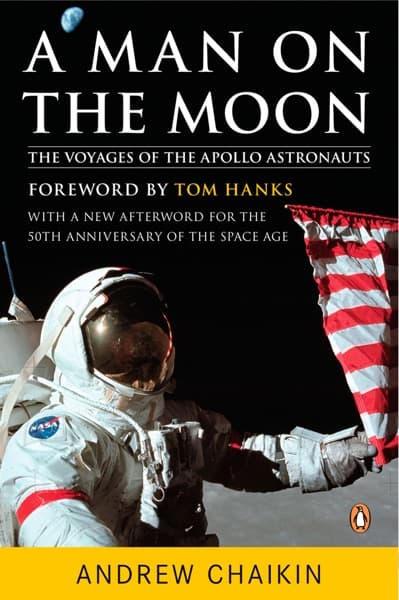
A Man on the Moon
Andrew Chaikin
The entire Apollo program, told through the people who walked on the Moon.
Apollo was many missions, not one famous landing.
Andrew Chaikin interviewed nearly every surviving Apollo astronaut and reconstructs each lunar mission in sequence. It teaches how the program actually unfolded, flight by flight, including the near-disasters between the triumphs. Best for readers who want the full Moon-landing story in one place.
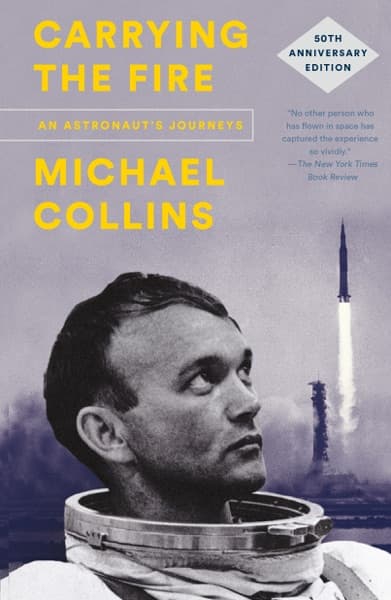
Carrying the Fire
Michael Collins
The astronaut who orbited alone while two crewmates took the Moon.
One crew member never set foot on the Moon.
Michael Collins wrote his own account of becoming a pilot, joining NASA, and flying the Apollo 11 command module. It's candid about fear, ambition, and the strange solitude of circling the far side of the Moon out of radio contact. For readers who want the experience from inside the suit, in the astronaut's own words.
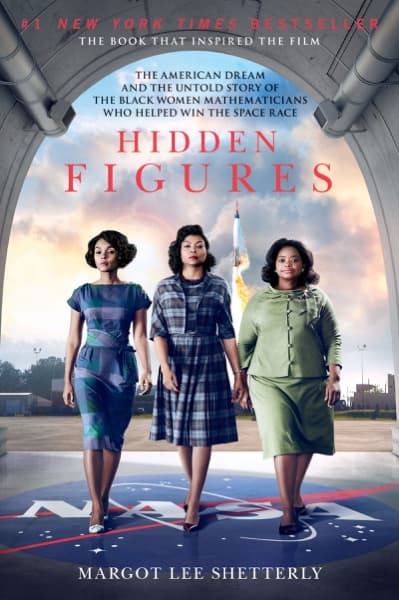
Hidden Figures
Margot Lee Shetterly
The Black women mathematicians whose calculations helped put Americans in orbit.
Human mathematicians checked the trajectories by hand.
Margot Lee Shetterly tells the story of the human computers at NASA's Langley center, women like Katherine Johnson who ran the trajectory math behind early spaceflight. It teaches the often-overlooked labor and the segregation those women worked against. For readers who want the people behind the numbers.
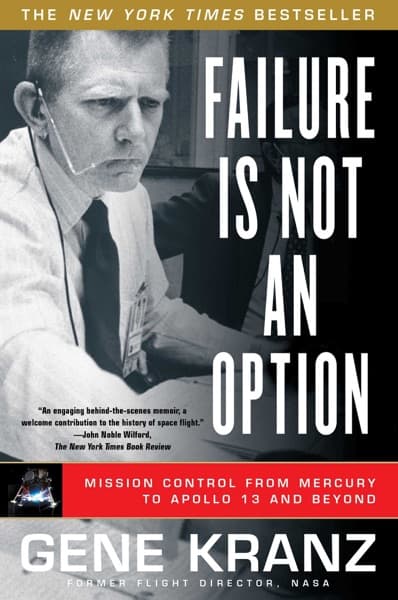
Failure is not an option
Gene Kranz
Mission Control from the chair of the flight director who ran it.
Crews were saved from the ground, not just in orbit.
Gene Kranz recounts his years directing flights from Mercury through Apollo, including the room that brought Apollo 13 home. It teaches how mission control actually worked under pressure and how procedures were built from earlier failures. For readers curious about the ground side of spaceflight rather than the cockpit.
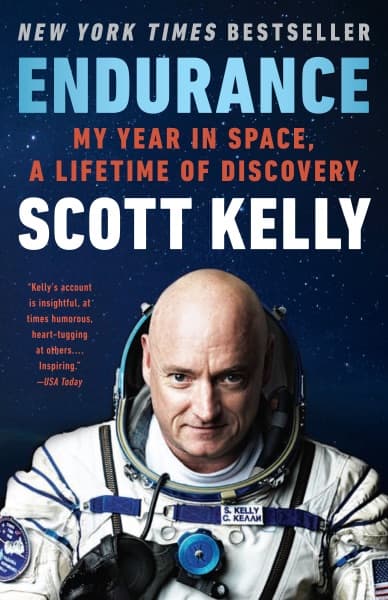
Endurance
Scott Kelly
A full year in orbit, and what that does to a human body.
Long missions reshape the body in measurable ways.
Scott Kelly recounts his nearly year-long mission aboard the International Space Station, part of a study comparing him to his identical twin on the ground. It teaches the daily reality of long-duration spaceflight: the tedium, the science, and the physical toll. For readers interested in where human spaceflight is heading.
Apollo was many missions, not one famous landing.
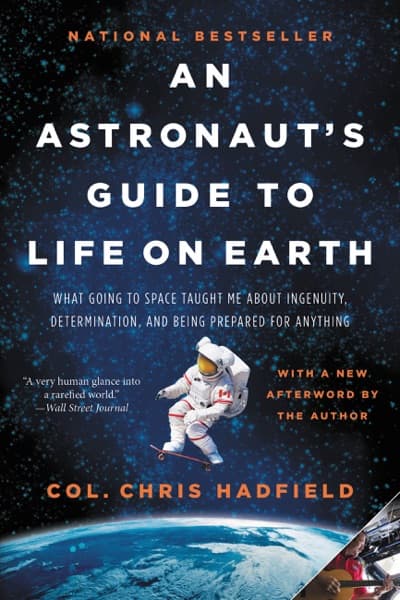
An Astronauts Guide to Life on Earth
Chris Hadfield
The commander who turned a routine ISS stint into a viral guitar performance.
Sweat the small details before they become emergencies.
Chris Hadfield draws lessons from his path to becoming an astronaut and commanding the space station. It teaches the preparation, mindset, and problem-solving that the job demands, framed as advice usable on the ground. For readers who want the working life of a modern astronaut.
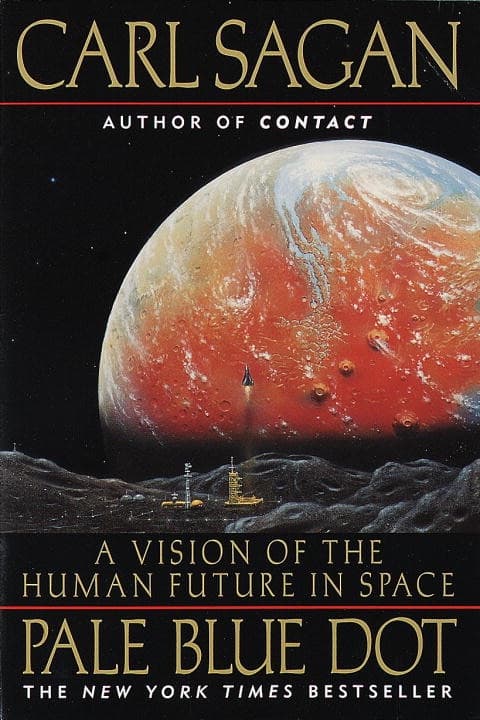
Pale Blue Dot
Carl Sagan
A photograph of Earth as a single pixel, and what it asks of us.
From deep space, Earth is one fragile dot.
Carl Sagan reflects on the Voyager image of Earth from billions of miles away and lays out a case for why humanity should keep reaching outward. It teaches the longer view of exploration, from robotic probes to eventual settlement. For readers who want the why and the future, not just the history.
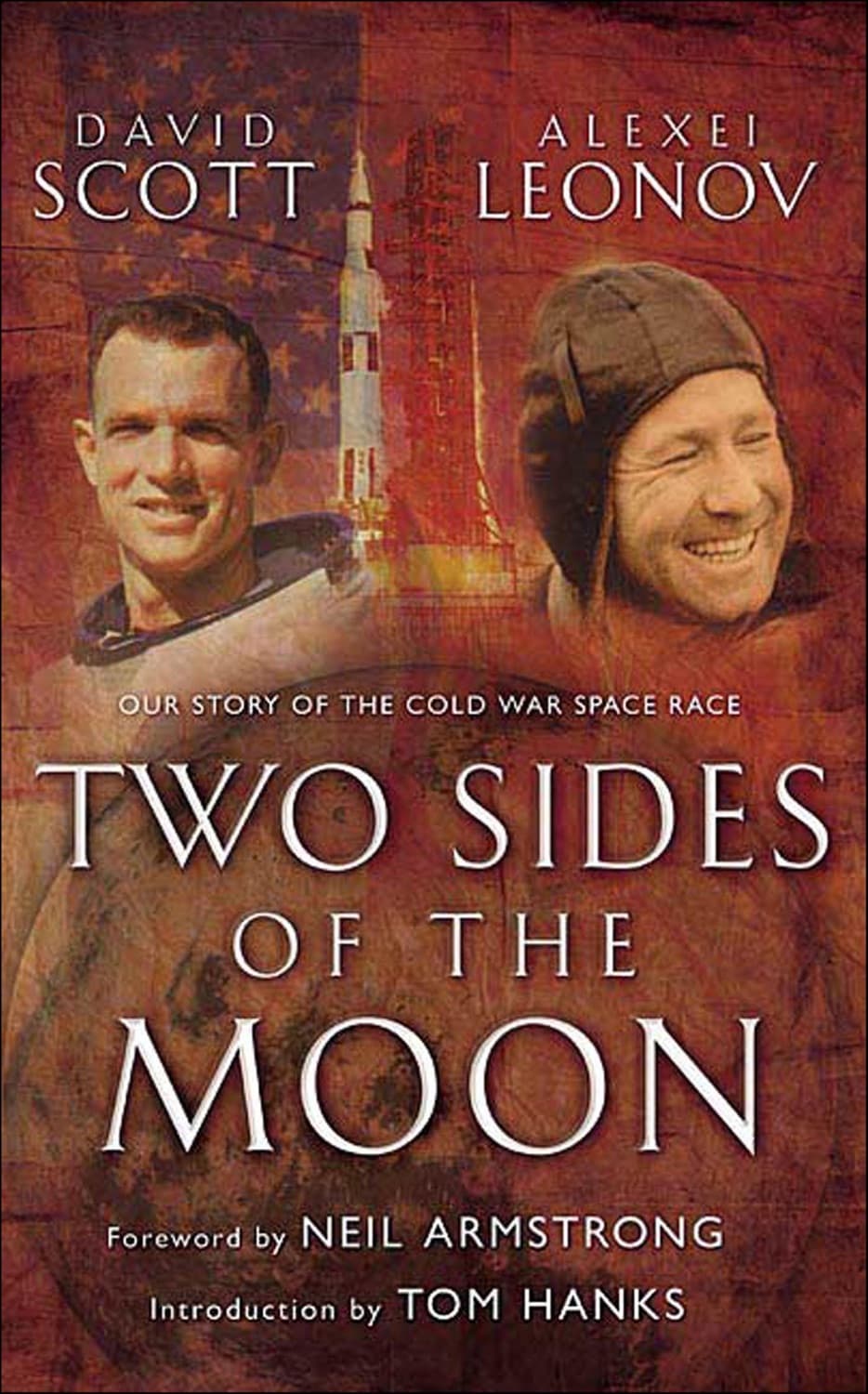
Two Sides of the Moon
David Scott, Alexei Leonov
Two rivals of the space race trade the story chapter by chapter.
The space race had two insiders, not one.
David Scott and Alexei Leonov, an Apollo astronaut and the first person to walk in space, alternate memoirs of the competition they lived on opposite sides. It teaches the race as both men experienced it, including the Soviet program's secrecy and setbacks. For readers who want both halves of the Cold War in space.
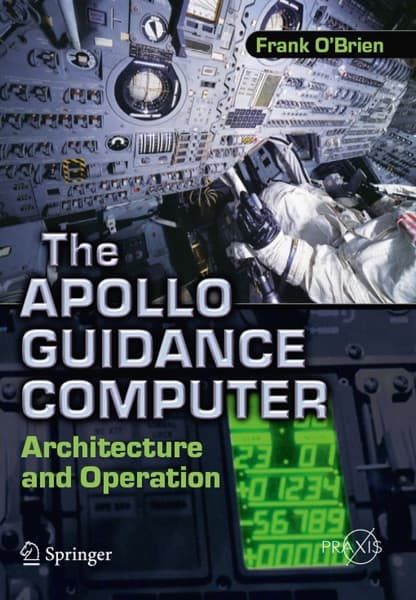
The Apollo Guidance Computer
Frank O'Brien
The computer that flew Apollo, built with a fraction of a phone's memory.
Apollo's flight computer ran on kilobytes of memory.
Frank O'Brien dissects the Apollo Guidance Computer, the onboard machine that navigated the spacecraft and famously kept running through alarms during the first landing. It teaches how 1960s engineers solved guidance with severe constraints. For readers who want the technical detail behind the missions.
Can we tailor this list for you?
Type your question in the bar below and the AI will tailor a fresh set of picks just for you.