Best Books on Poverty
Poverty seen from three angles: the daily arithmetic of getting by, the structures that hold people in place, and the evidence on what actually helps. Matthew Desmond, Banerjee and Duflo, and Amartya Sen anchor the shelf.
Evicted
Matthew Desmond
Eight families in Milwaukee lose their homes, one eviction notice at a time.
Eviction is a cause of poverty, not just a result.
Matthew Desmond embeds with tenants and landlords to show how housing instability drives, rather than follows, poverty in America. It is reporting for anyone who wants the lived mechanics before the policy debate, and it grounds eviction as a cause in its own right.
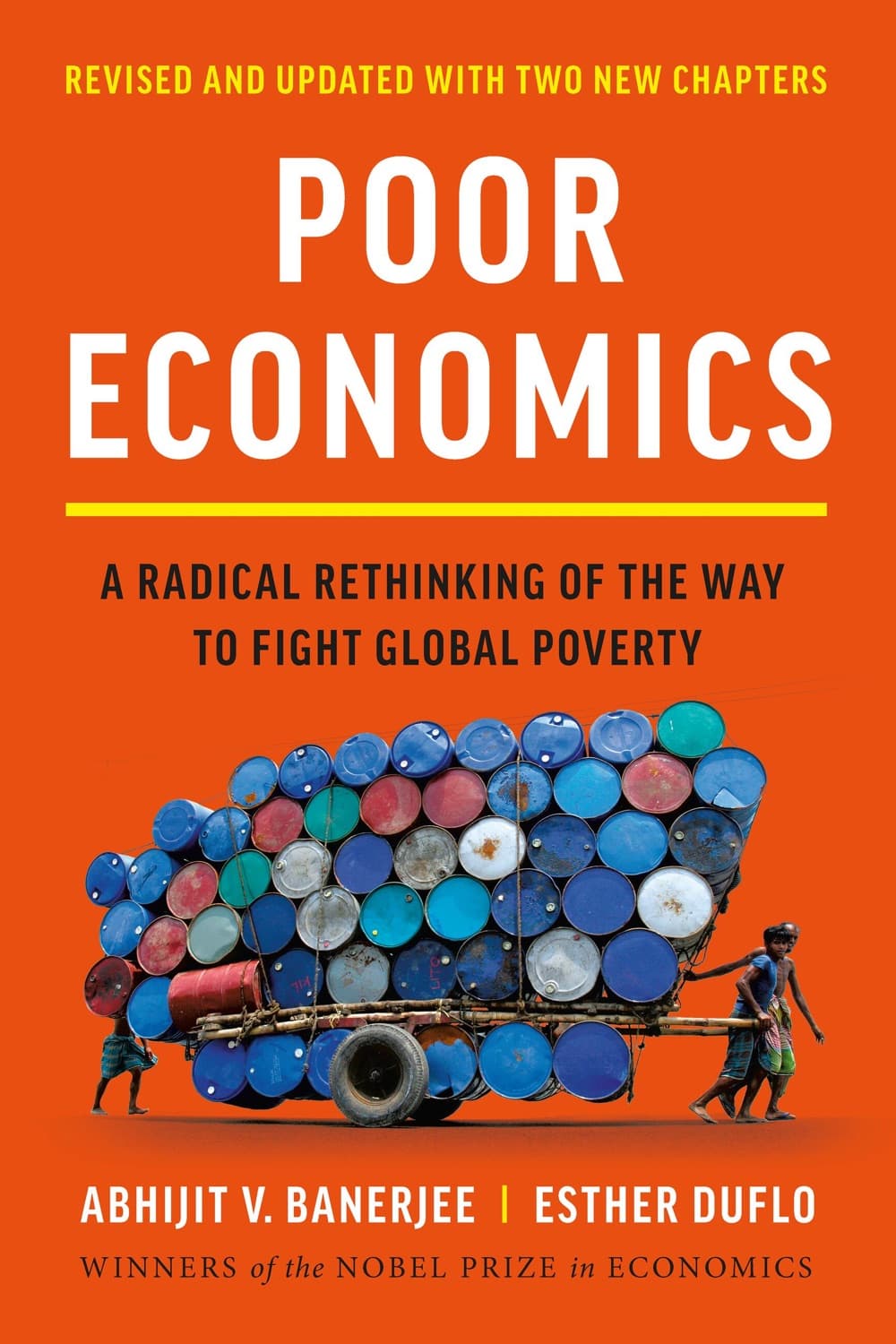
Poor Economics
Abhijit V. Banerjee, Esther Duflo
Two economists run field experiments to ask what the poor actually do with a dollar.
Test what works; intuition about the poor often misleads.
Abhijit V. Banerjee and Esther Duflo replace sweeping aid theories with randomized trials on schooling, health, and microcredit. For readers who want evidence over ideology, it shows how small design choices decide whether a program works.
Development as Freedom
Amartya Sen
Poverty is recast not as low income but as the absence of real choices.
Poverty is lost freedom, not just low income.
Amartya Sen argues that development means expanding the freedoms people have reason to value, from health to political voice. It suits readers ready to rethink what poverty even is, and reframes the goal as capability rather than cash.
The Great Escape
Angus Deaton
Humanity's long escape from sickness and want, and the gaps it left behind.
Progress and inequality are produced by the same process.
Angus Deaton traces how some nations and people pulled ahead in health and wealth while others stalled. It is for readers who want the long historical arc, and it weighs whether foreign aid speeds the escape or stalls it.
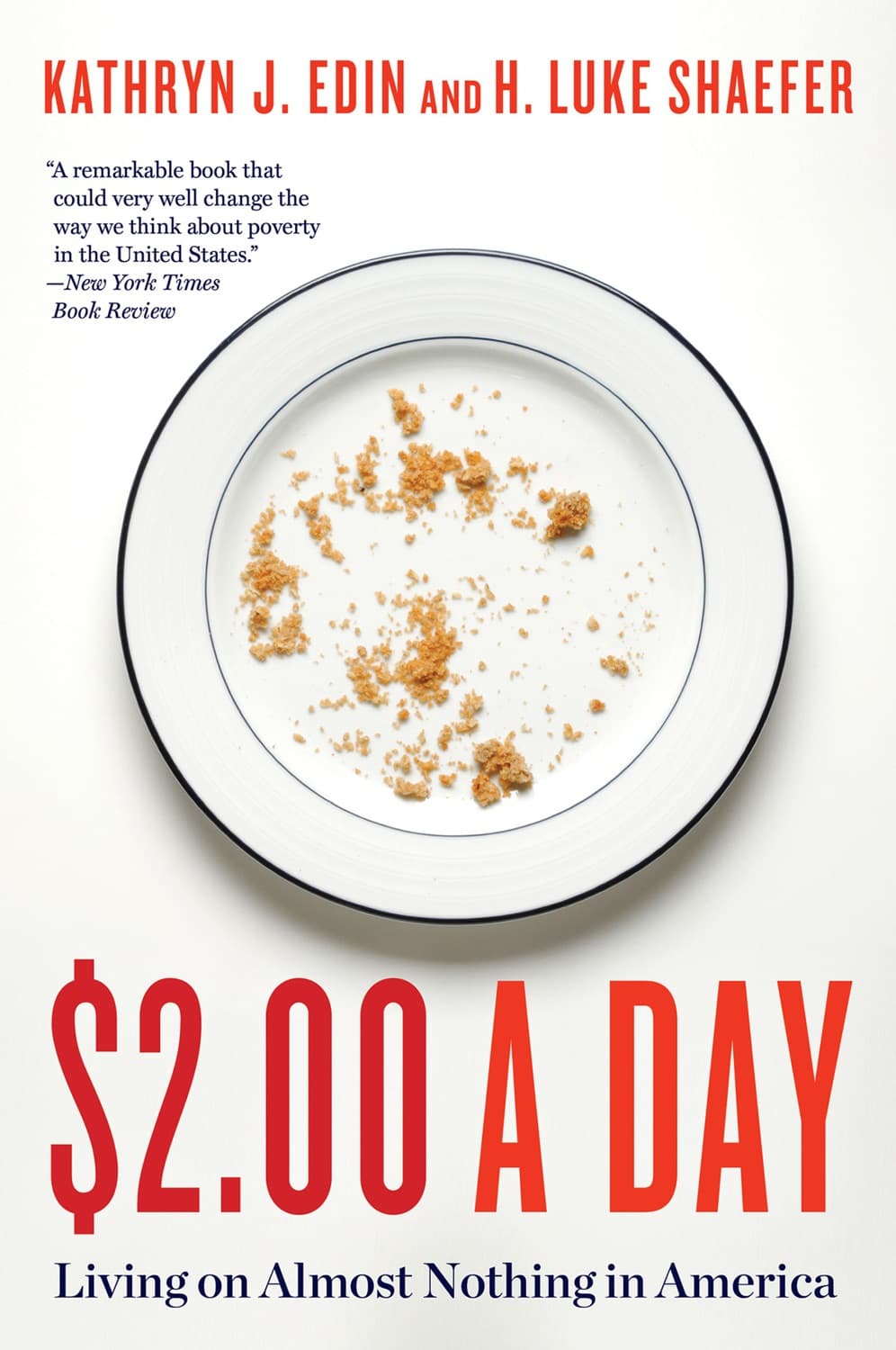
$2.00 a Day
Kathryn Edin, H. Luke Shaefer
A growing number of American families survive on almost no cash at all.
Welfare reform pushed many families into near cashlessness.
Kathryn Edin and H. Luke Shaefer follow households living on under two dollars a day per person after welfare reform reshaped the safety net. It pairs reporting with data for readers tracking how policy creates deep poverty.
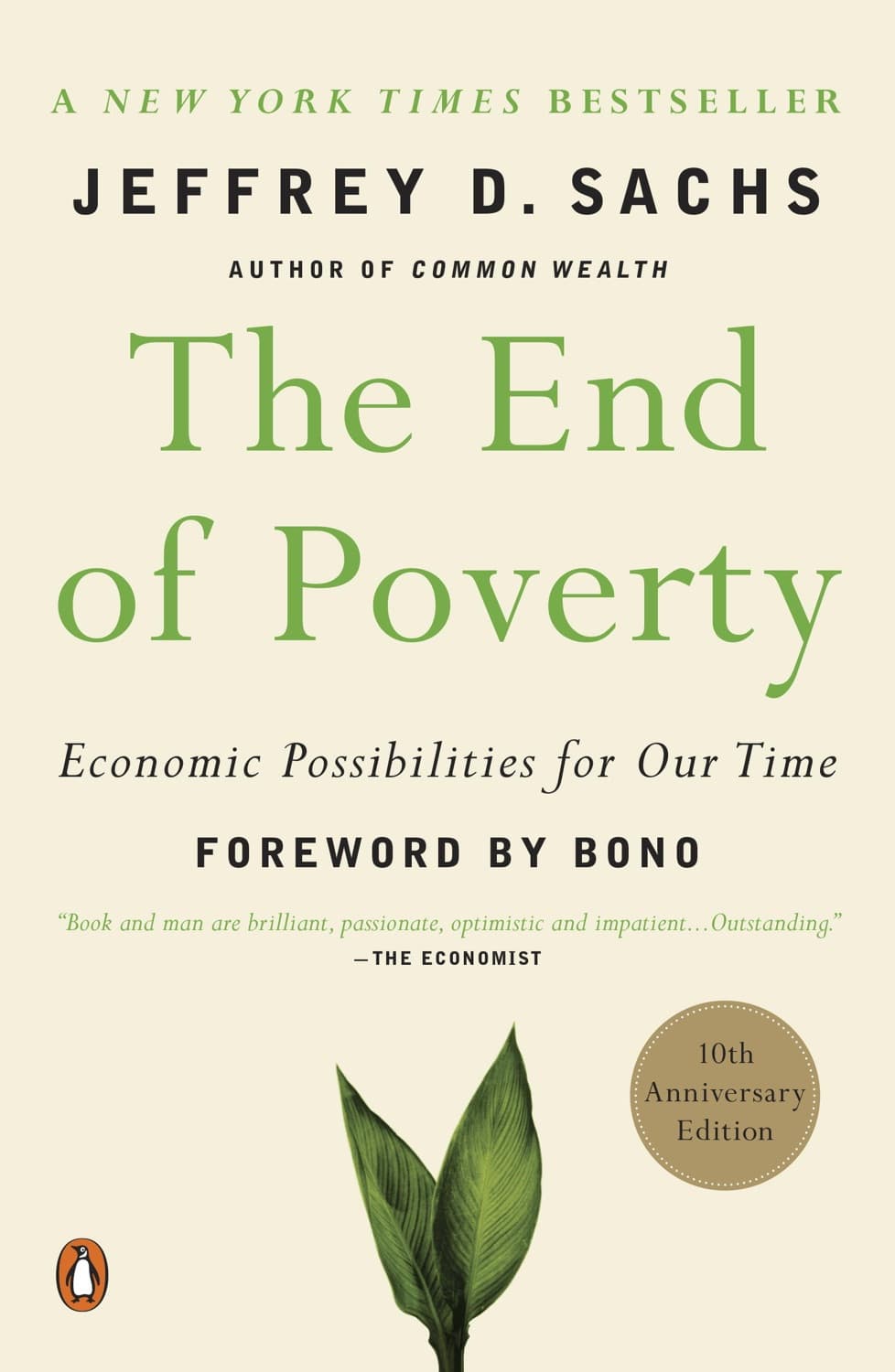
The End of Poverty
Jeffrey D. Sachs
An economist lays out a plan to end extreme poverty within a generation.
Targeted investment can lift nations out of the poverty trap.
Jeffrey D. Sachs makes the case for targeted aid and investment to lift the poorest countries past a development trap. It gives readers the ambitious, contested pro-aid argument that later evidence-focused books push back against.
Test what works; intuition about the poor often misleads.
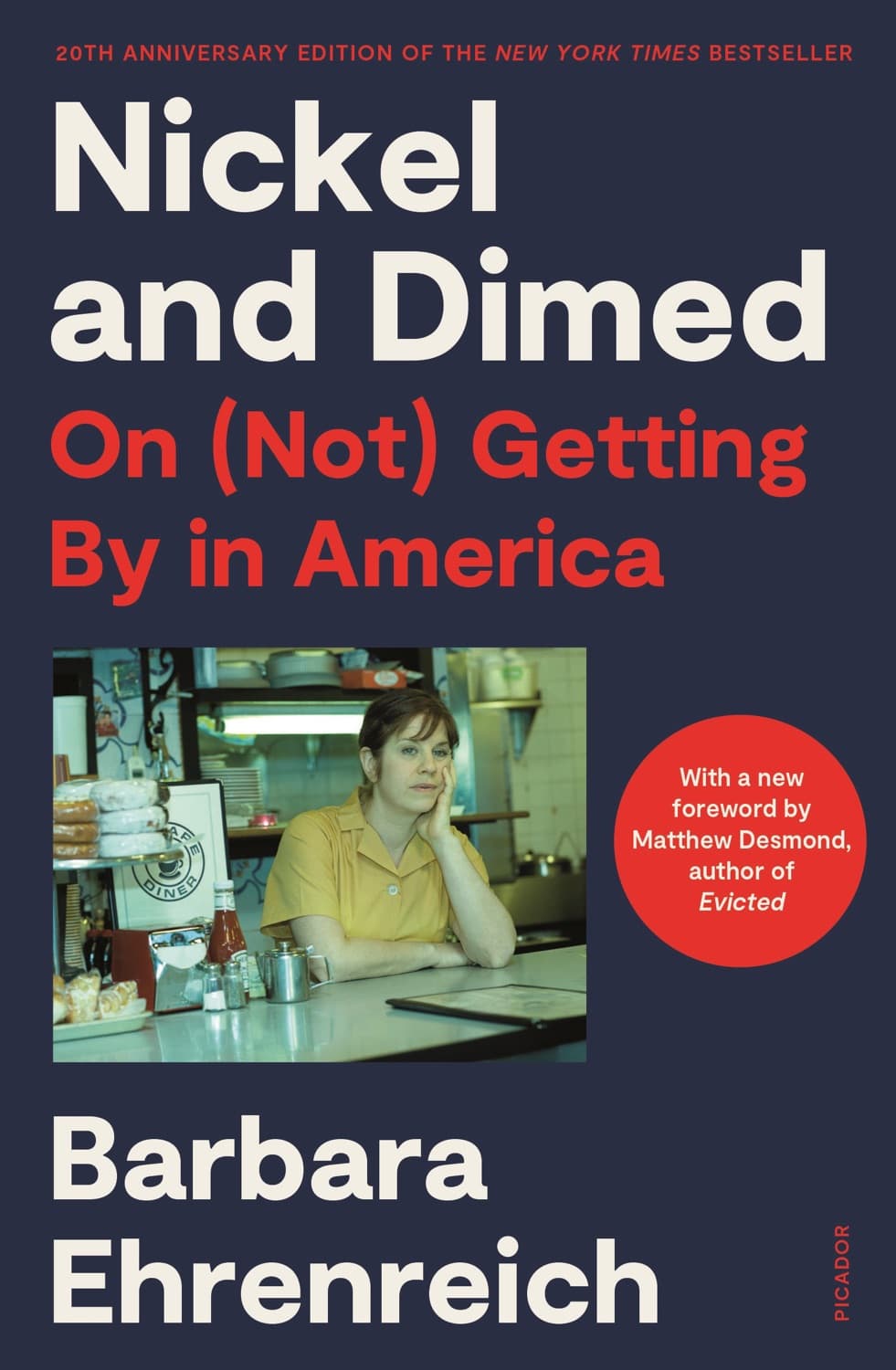
Nickel and Dimed
Barbara Ehrenreich
A writer takes low-wage jobs to see if you can actually live on them.
Low-wage work often costs more to do than it pays.
Barbara Ehrenreich waits tables and cleans houses to test whether minimum-wage work covers rent and food. It is firsthand reporting for readers who want to feel the math of working poverty rather than read it.
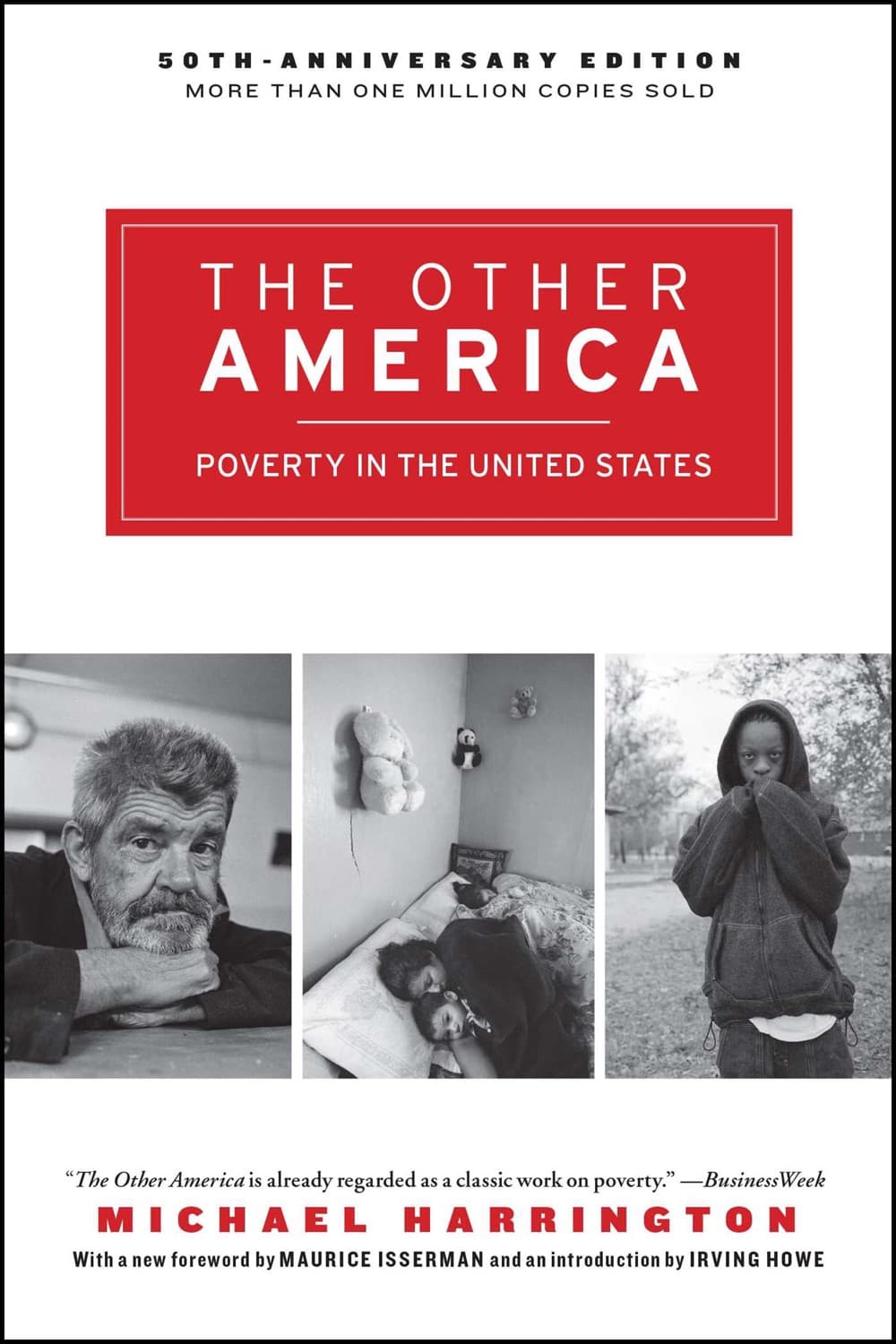
The other America
Michael Harrington
The 1962 book that made invisible American poverty impossible to ignore.
Prosperity can hide poverty in plain sight.
Michael Harrington documented tens of millions of poor Americans hidden behind postwar prosperity. It helped shape the era's anti-poverty debate and remains a starting point for understanding how poverty gets overlooked.
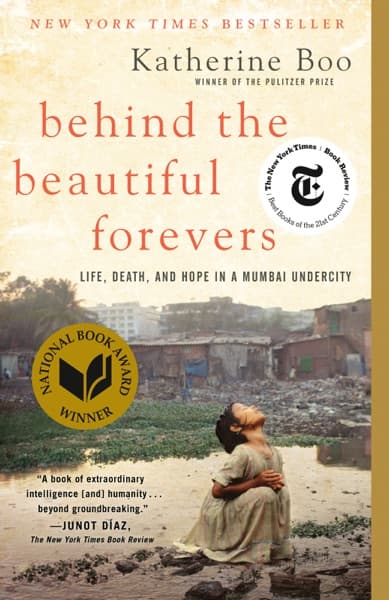
Behind the beautiful forevers
Katherine Boo
Life, scavenging, and ambition in a slum beside the Mumbai airport.
Opportunity and corruption shape who escapes the slum.
Katherine Boo spent years reporting inside one settlement to show how families chase a way up amid corruption and scarcity. It is for readers who want global poverty rendered as individual lives, not statistics.
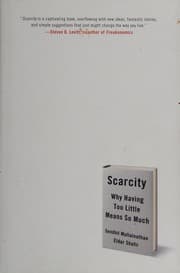
Scarcity
Sendhil Mullainathan, Eldar Shafir
Going without anything, money or time, quietly reshapes how the mind works.
Scarcity taxes the mind and narrows decisions.
Sendhil Mullainathan and Eldar Shafir argue that scarcity itself captures attention and erodes judgment, making poverty self-reinforcing. It is the behavioral lens for readers who want to understand the choices poverty produces.
Can we tailor this list for you?
Type your question in the bar below and the AI will tailor a fresh set of picks just for you.