Best Investigative Books on Serial Killers
Catching a serial killer is slow, methodical work: victimology, crime-scene signatures, pattern analysis, and long interviews with the men who confess. These books come from the profilers and investigators who built the methods, and from the cold-case work that finally closed old files.
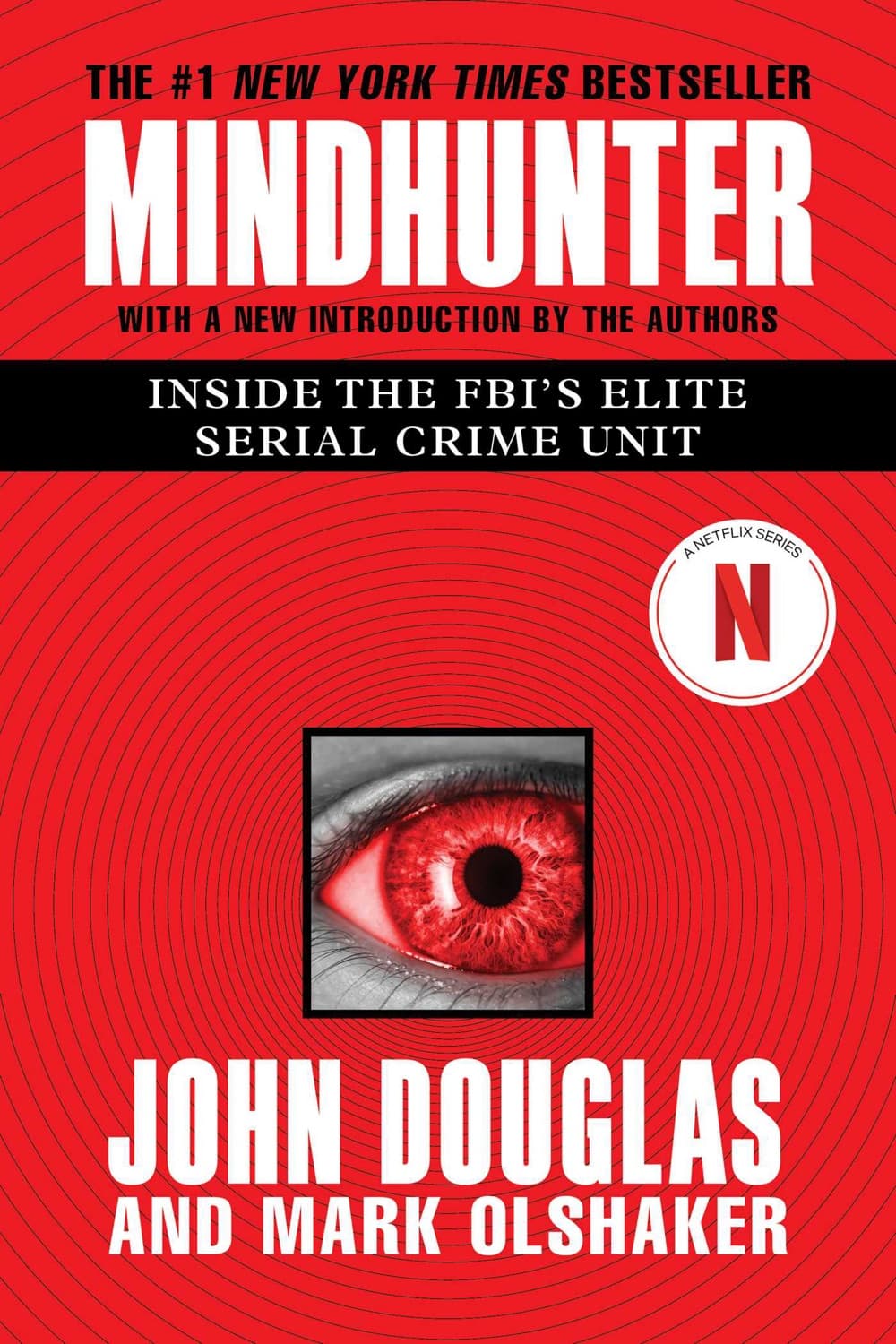
Mindhunter
John E. Douglas, Mark Olshaker
The FBI agent who turned interviews with imprisoned killers into a science of criminal profiling.
Profiling began as structured interviews with caught killers.
Douglas recounts how the Bureau's Behavioral Science Unit learned to read a crime scene for the personality behind it, interviewing Manson, Berkowitz, and Kemper to build the offender profiles still in use. It is the origin story of how investigators think about signature and motive.
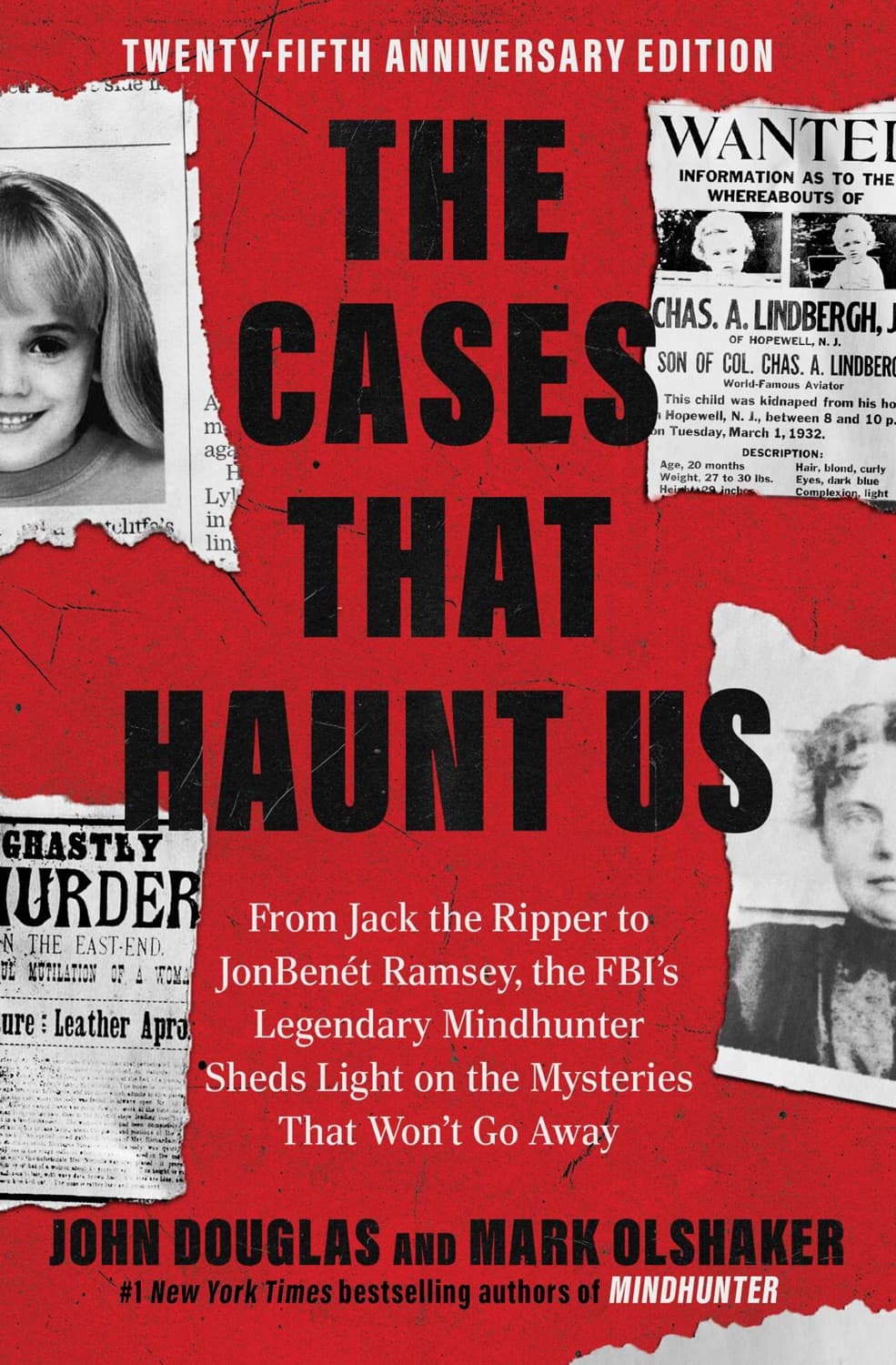
The Cases That Haunt Us
John E. Douglas, Mark Olshaker
Douglas reopens history's most famous unsolved murders with a profiler's eye.
A profiler's method applied to cold, famous cases.
From Jack the Ripper to the Boston Strangler, Douglas applies behavioral analysis to cases that defied their original investigators. The value is methodological: watching a profiler reason from evidence to offender type shows how the discipline actually works.
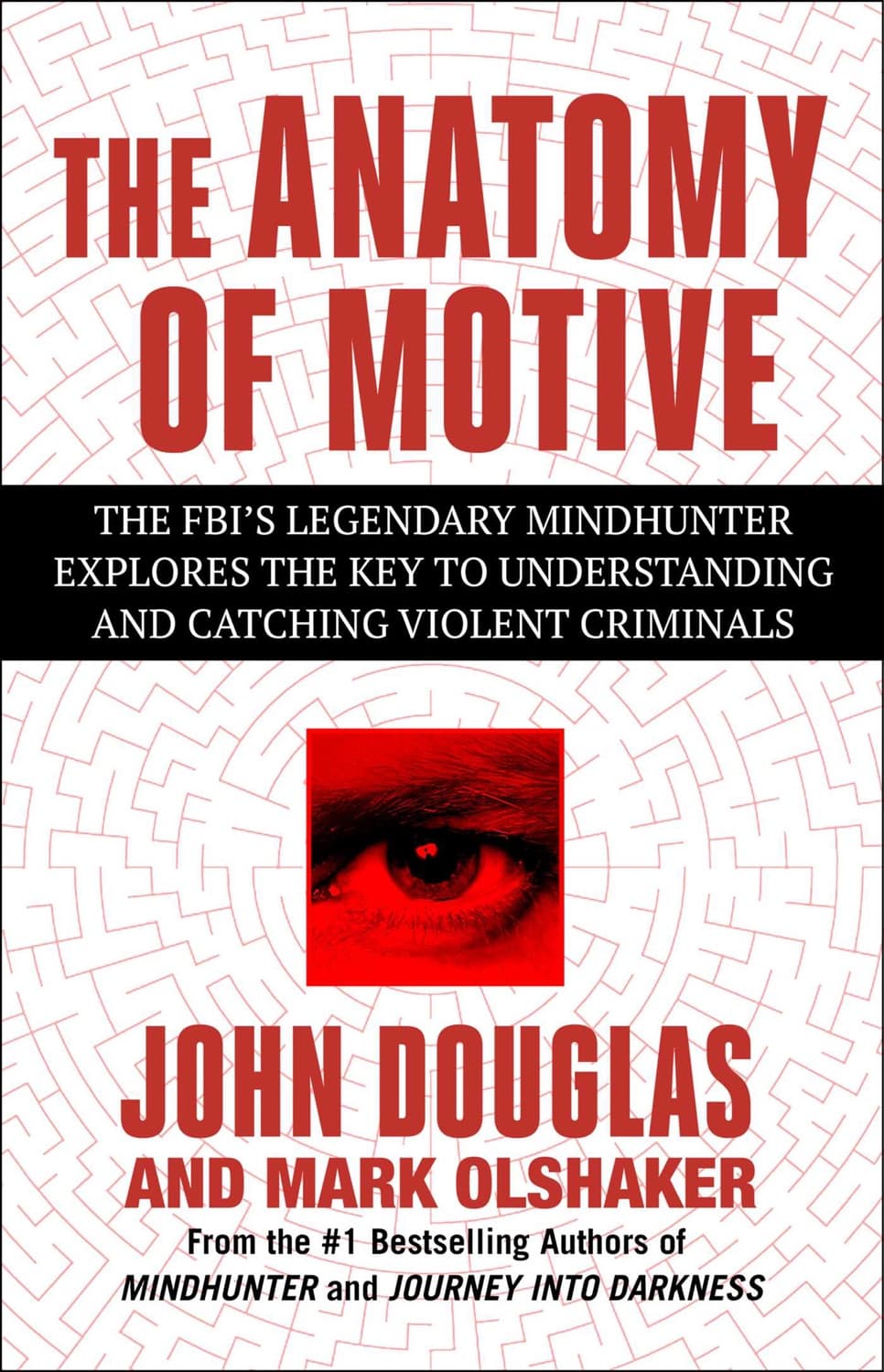
The anatomy of motive
John E. Douglas
Why people kill, organized by the motive behind the act.
Motive, not method, predicts how violence escalates.
Douglas argues that motive is the thread connecting arsonists, bombers, and serial murderers, and that reading it correctly predicts escalation. The book is a framework for understanding intent rather than a catalog of crimes.
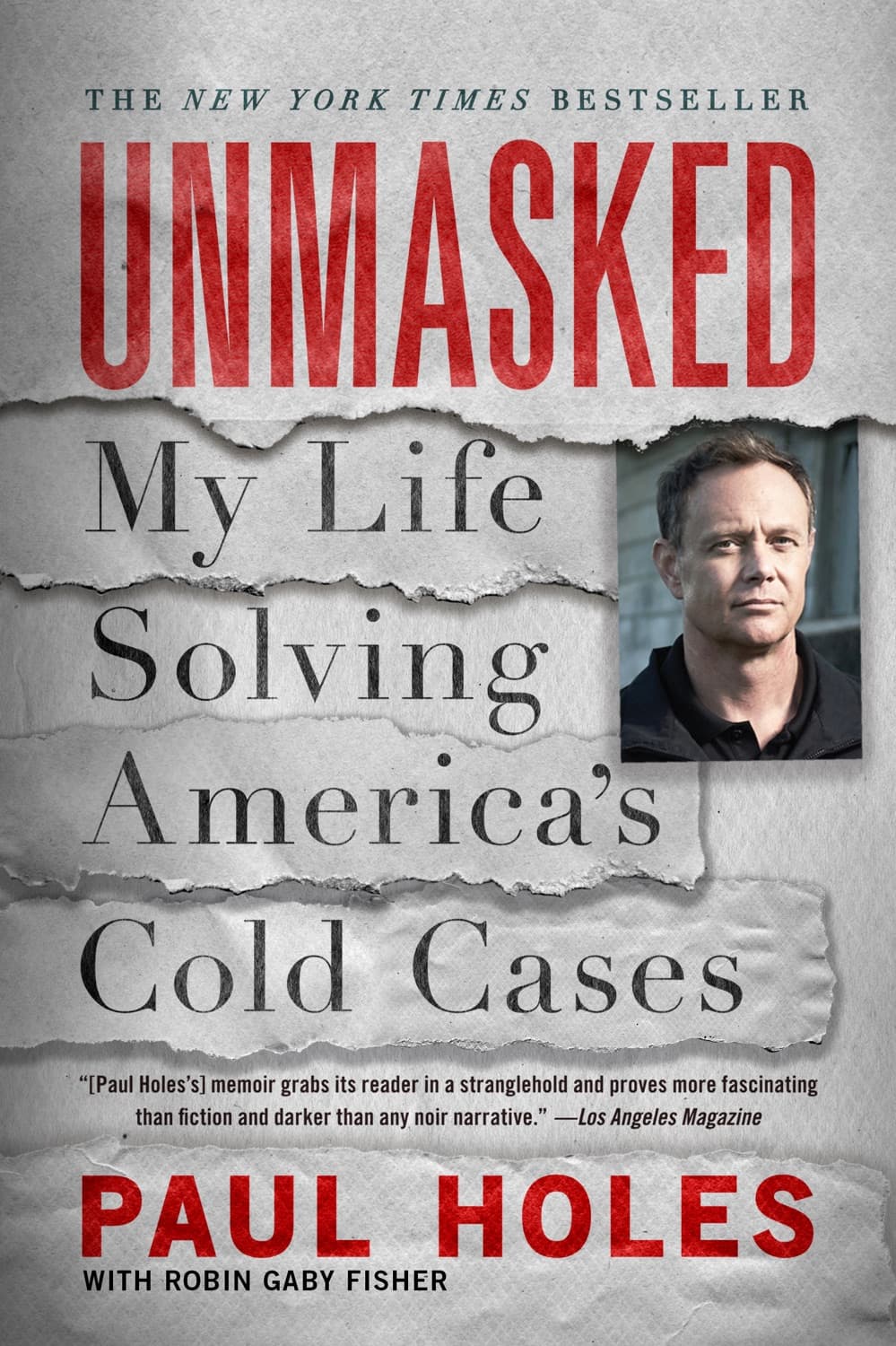
Unmasked
Paul Holes
The cold-case investigator who chased the Golden State Killer for decades.
Genetic genealogy reopened cases everyone had abandoned.
Holes walks through the forensic and genealogical work that finally identified Joseph DeAngelo, including the DNA techniques that reopened dormant cases across the country. It is a working investigator's account of patience, method, and personal cost.
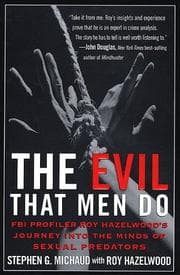
The Evil That Men Do
Stephen G. Michaud, Roy Hazelwood
An FBI profiler on the sexual sadists behind the most calculated crimes.
Ritual at the scene reveals the offender's psychology.
Hazelwood specialized in sexually motivated violence, and this account explains how he reconstructed offenders from the rituals their crimes revealed. It is more clinical than most true crime, focused on pattern over story.
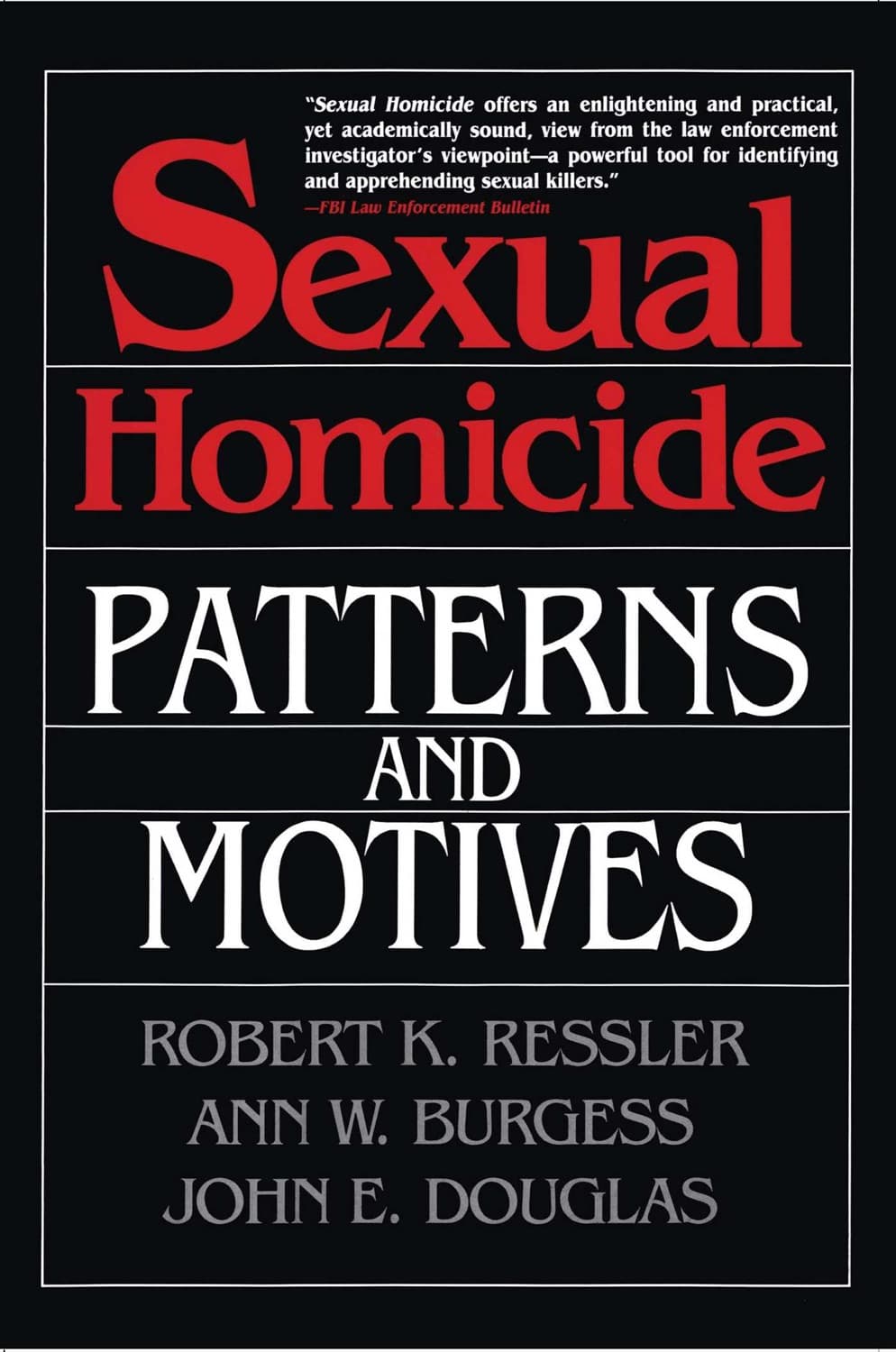
Sexual Homicide
John E. Douglas, Ann W. Burgess, Robert K. Ressler
The original FBI study that split killers into organized and disorganized types.
The study that defined organized versus disorganized offenders.
Built from interviews with thirty-six convicted murderers, this is the research foundation underneath modern profiling. It reads like the academic source the popular books draw on, useful for anyone who wants the data rather than the retelling.
A profiler's method applied to cold, famous cases.
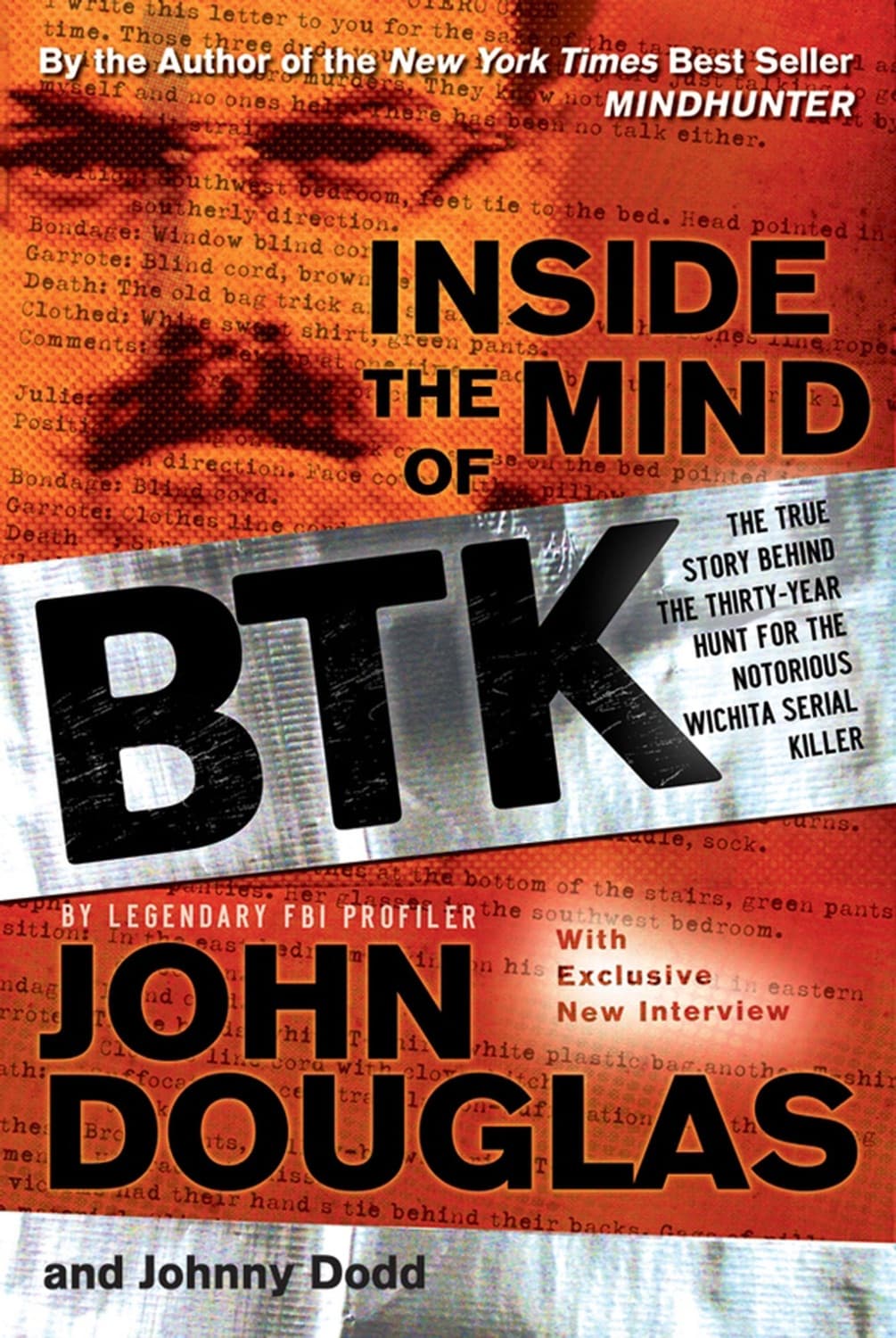
Inside the mind of BTK
John E. Douglas
A single-case profiling study of Dennis Rader, the BTK strangler.
One case, traced from profile to confession.
Douglas profiled BTK during the active investigation and later interviewed Rader at length. Following one case from taunting letters to confession shows profiling tested against a real, eventually known answer.
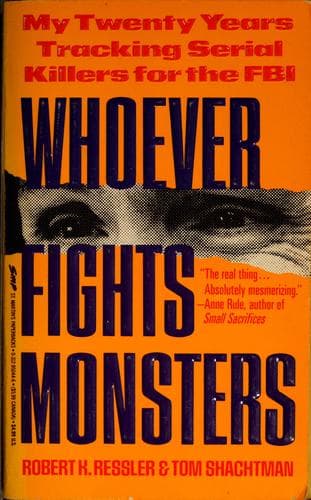
Whoever fights monsters
Robert K. Ressler, Thomas Schachtman
The agent who popularized the term serial killer on building the FBI's database.
The interviews that built the FBI's offender database.
Ressler describes the prison interviews and casework that created the Bureau's systematic approach to repeat murderers. It pairs with the Douglas books as the other founding account of behavioral analysis.
Can we tailor this list for you?
Type your question in the bar below and the AI will tailor a fresh set of picks just for you.