Best Books on Organized Crime
Organized crime runs on loyalty, fear, and money, and the best books on the subject get inside the rooms where deals and murders were decided. This list moves from the American Mafia to Naples, Mexico, and Colombia, pairing insider accounts with the reporters and investigators who chased the syndicates down.
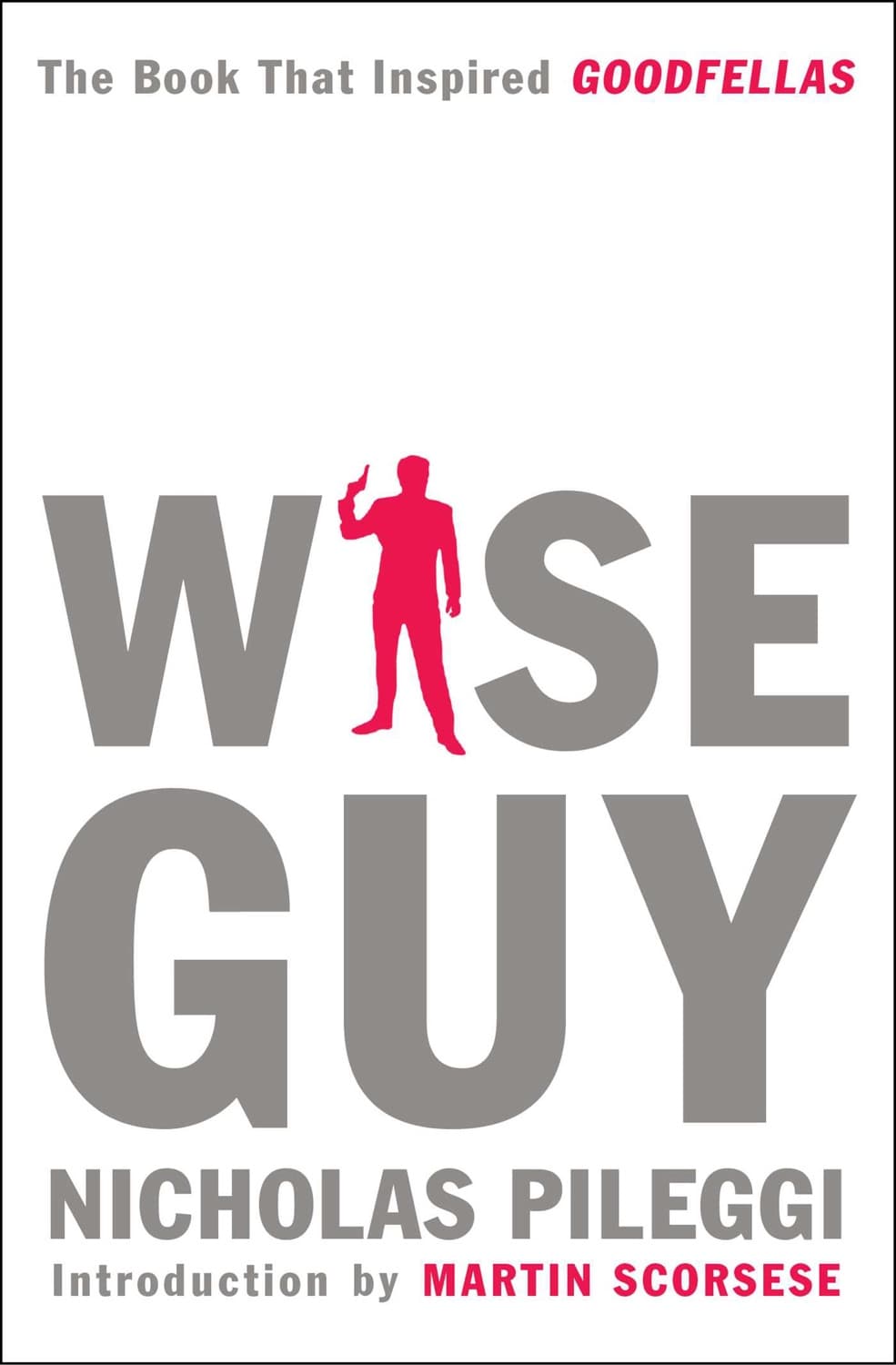
Wiseguy
Nicholas Pileggi
The book that became Goodfellas.
Wiseguys aren't driven by ideology, they're driven by not wanting to work a straight job.
Pileggi's account of mobster turned informant Henry Hill captures the daily texture of Mafia life, the shakedowns, the fear, the boredom between the violence, better than any other book in the genre.
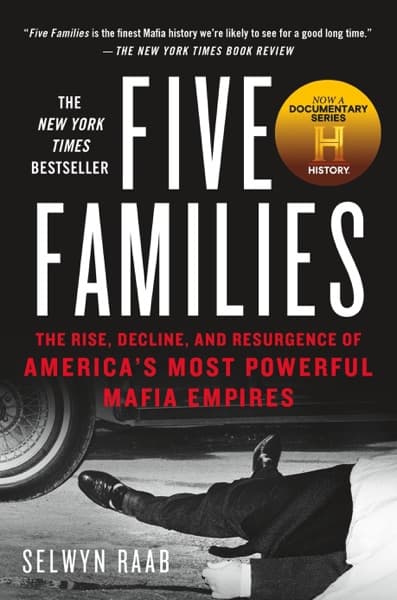
Five Families
Selwyn Raab
The definitive history of the New York Mafia.
The Mafia's decline was administrative, not dramatic. Wiretaps, RICO, and turncoats did more damage than any rival gang ever managed.
Raab, a longtime New York Times crime reporter, traces all five families from Prohibition through the RICO prosecutions that gutted them, using decades of court records and interviews.
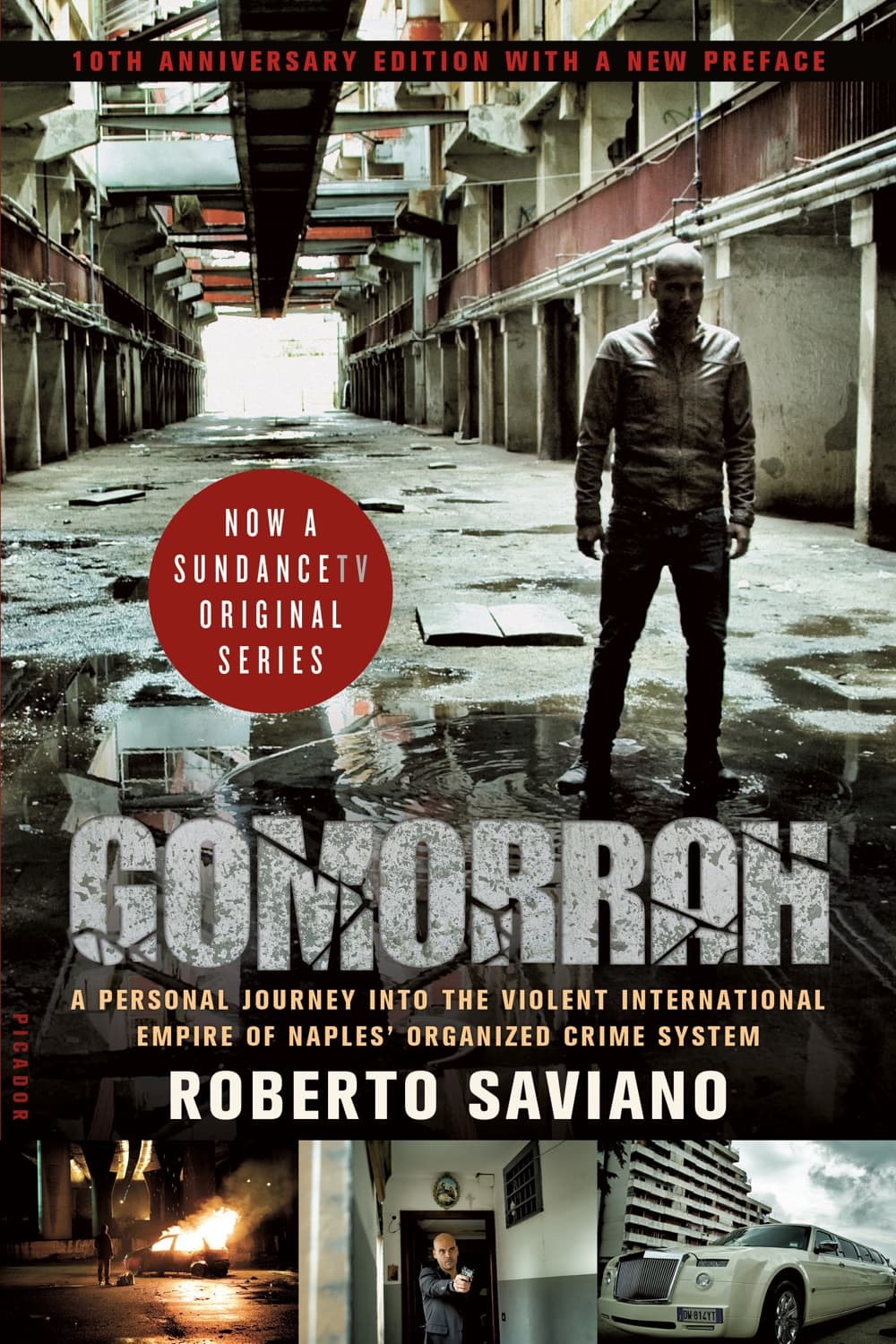
Gomorrah
Roberto Saviano
A reporter who lives under armed guard for writing this.
The Camorra isn't a hierarchy like the American Mafia, it's a loose network of clans that compete as much as they cooperate.
Saviano embedded himself in Naples' Camorra clans, exposing how they control construction, toxic waste dumping, and the counterfeit fashion trade across Europe, at enormous personal risk.
Killing Pablo
Mark Bowden
The manhunt for the world's most wanted man.
Escobar's downfall came from his own rivals, the Cali cartel and the paramilitary group Los Pepes, as much as from any government task force.
Bowden reconstructs the joint US and Colombian operation that tracked Pablo Escobar through Medellin's rooftops, drawing on military records and interviews with the men who ended his life.
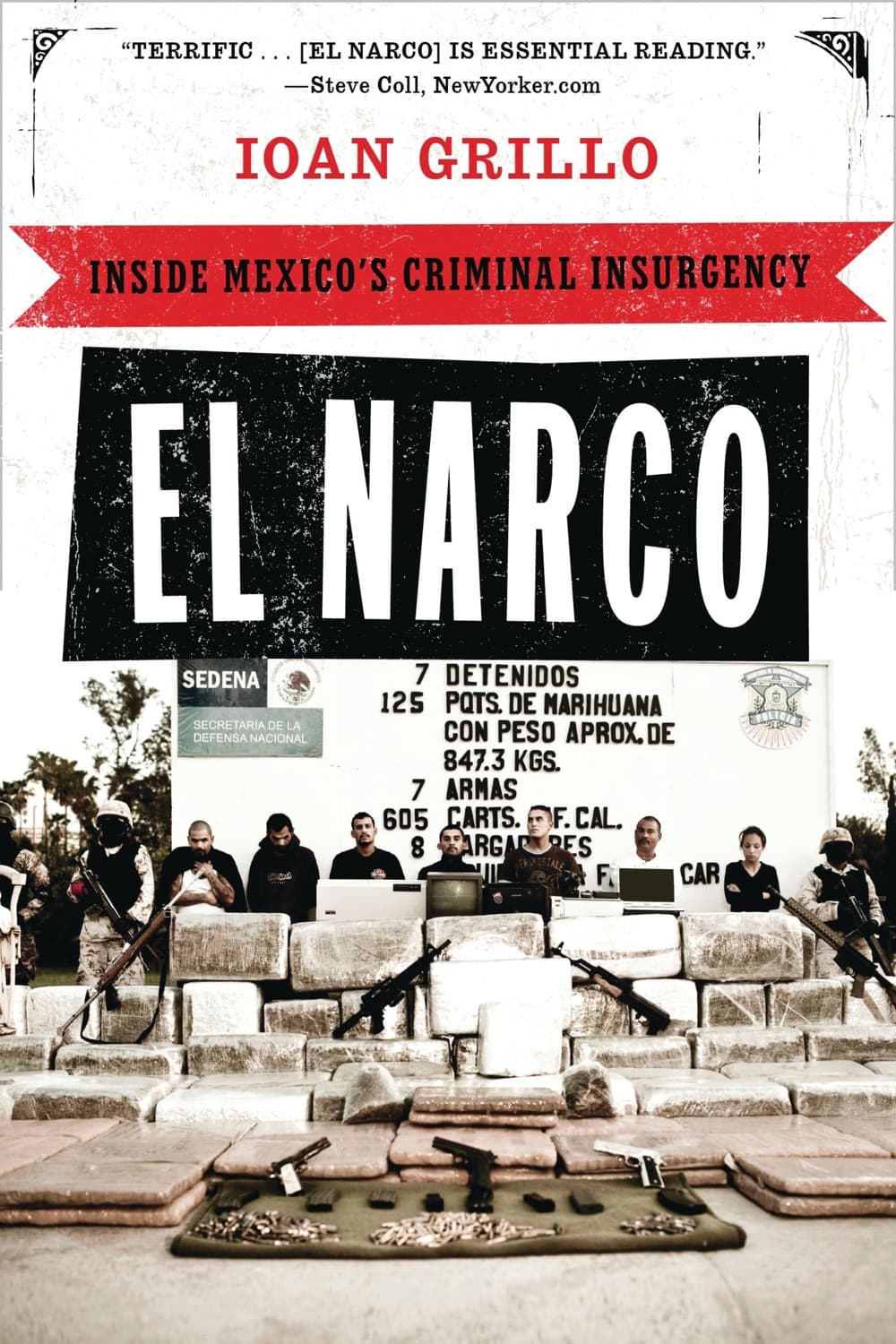
El Narco
Ioan Grillo
How cartels became a criminal insurgency.
Cartel violence escalated sharply after 2006 not because trafficking grew, but because fragmentation created more groups fighting for the same routes.
Grillo, a journalist based in Mexico City, argues the cartels evolved past simple drug trafficking into armed groups that contest territory with the state itself, backed by years of ground level reporting.
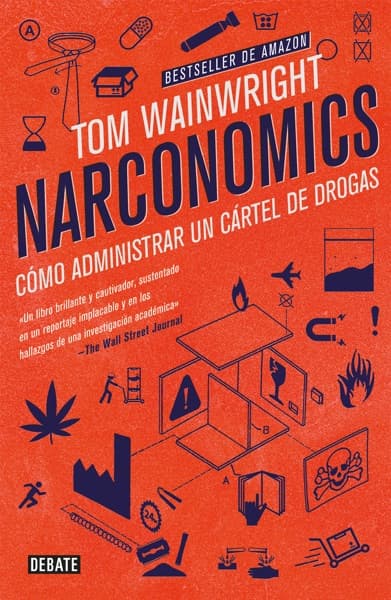
Narconomics
Tom Wainwright
The drug trade explained like a business.
Cartels behave like franchises. Killing a kingpin often just opens a job vacancy other cartels compete to fill.
Wainwright, a former Mexico correspondent for The Economist, applies supply chain and franchise economics to cartels, showing why legalization debates and interdiction strategies keep failing.
The Mafia's decline was administrative, not dramatic. Wiretaps, RICO, and turncoats did more damage than any rival gang ever managed.
McMafia
Misha Glenny
Organized crime as a global industry.
Global organized crime expanded fast after 1989 because deregulation and open borders removed friction for legitimate and criminal commerce alike.
Glenny travels from the former Soviet Union to Nigeria to Japan, showing how the end of the Cold War and deregulation created a genuinely global criminal economy of trafficking and money laundering.
Gang Leader for a Day
Sudhir Venkatesh
A sociologist embeds inside a Chicago gang.
A street gang runs like a franchise business, complete with middle management, wage disputes, and a board that reviews performance.
Venkatesh spent years shadowing a crack gang leader in a Chicago housing project, revealing the gang's business ledgers, community role, and internal politics from the inside.
The Ice Man - Confessions of a Mafia Contract Killer
Philip Carlo
A Mafia hitman confesses on tape.
Kuklinski's cover worked because bosses valued a killer with no crew loyalties, someone hired and paid job by job like a contractor.
Carlo interviewed contract killer Richard Kuklinski for years, producing an unflinching account of a man who worked for multiple crime families while living a double life as a suburban father.
The Valachi Papers
Peter Maas
The informant who forced the FBI to admit the Mafia existed.
Before Valachi testified, J. Edgar Hoover's FBI officially denied that a national Mafia existed at all.
Maas turned Joseph Valachi's 1963 Senate testimony into the first detailed insider account of La Cosa Nostra's rituals and structure, information that reshaped how law enforcement pursued organized crime.
Can we tailor this list for you?
Type your question in the bar below and the AI will tailor a fresh set of picks just for you.