Best Books on the FBI
The FBI's century runs from the Osage murders to Hoover's filing cabinets to the Hanssen mole hunt. Tim Weiner's Enemies, Beverly Gage's G-Man, and David Grann's Killers of the Flower Moon trace how a small federal squad became a surveillance power.
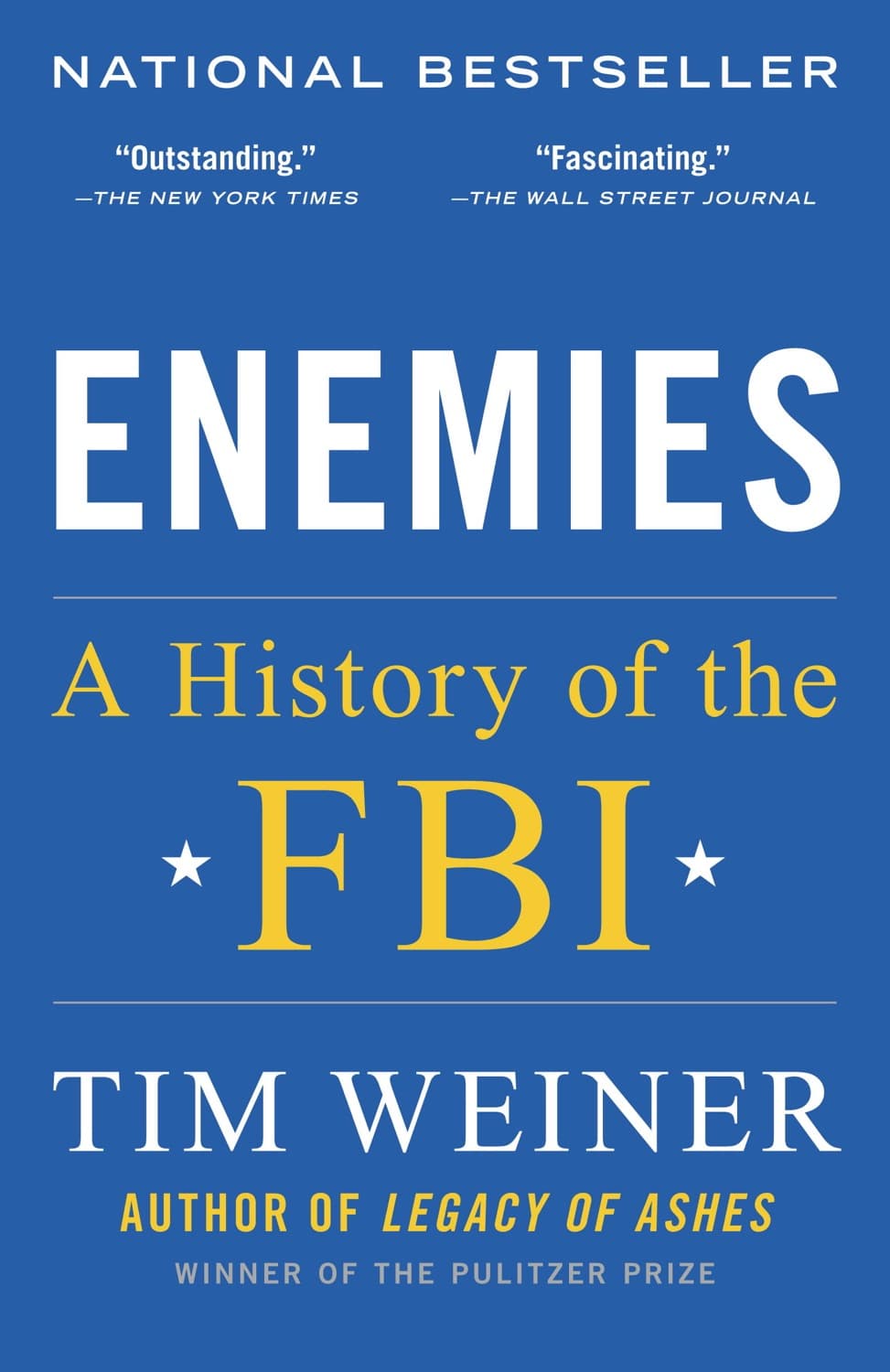
Enemies
Tim Weiner
One volume carries the Bureau from a handful of agents to a national intelligence service.
The FBI grew up fighting secret wars at home.
Tim Weiner traces the FBI as a tool of presidential power, following its surveillance and counterintelligence work across a century of wars and red scares. It teaches the institutional arc, and it suits anyone who wants the whole story before zooming in on a single era.
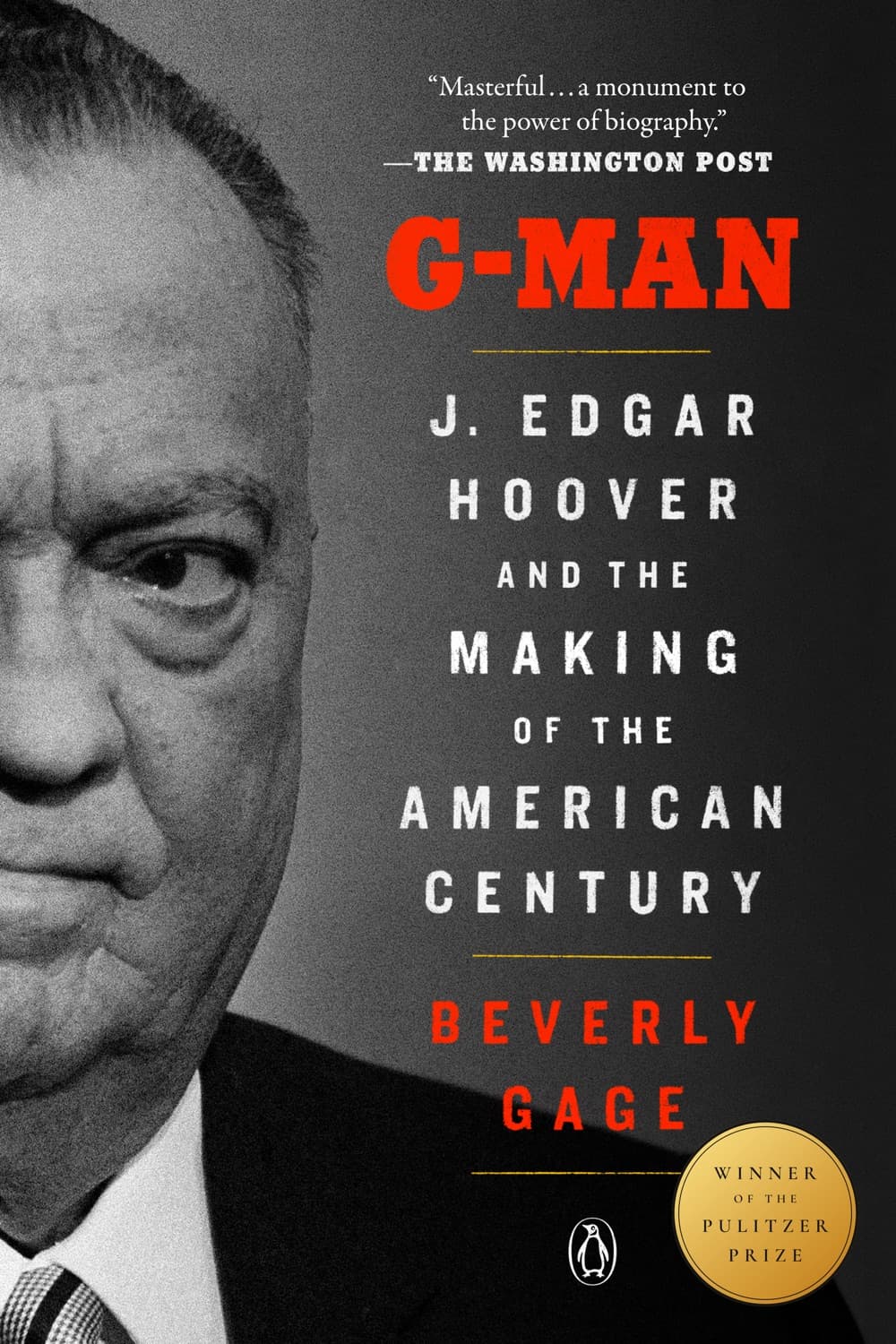
G-Man
Beverly Gage
The man who ran the Bureau for nearly half a century, drawn from his own papers.
Hoover outlasted eight presidents and reported to none.
Beverly Gage reconstructs J. Edgar Hoover's life and the modern surveillance state he built, from his rise in the 1920s to his grip on eight presidents. This Pulitzer-winning biography is for readers who want the institution explained through the figure who shaped it.
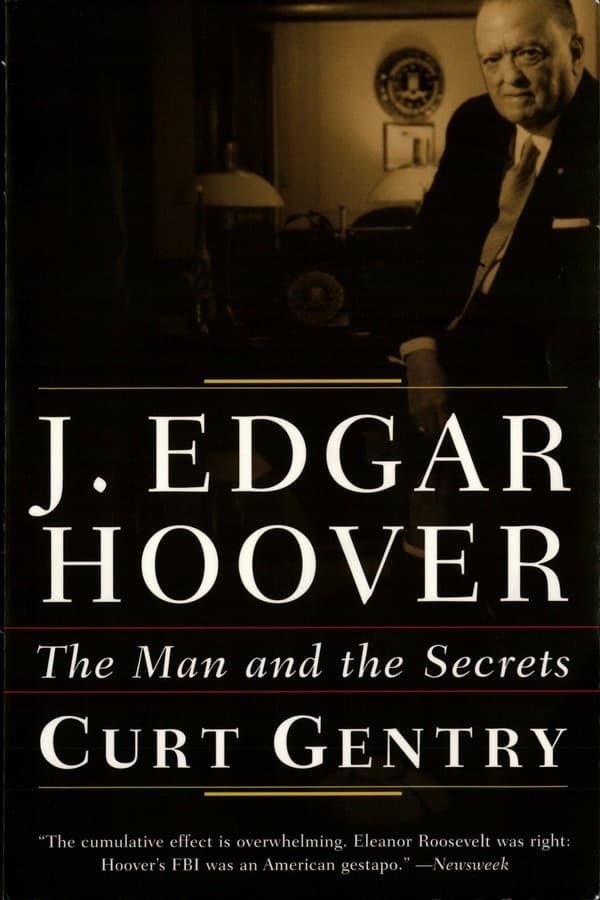
J. Edgar Hoover
Curt Gentry
An earlier portrait of Hoover built from secret files and confidential sources.
Private files were Hoover's real source of leverage.
Curt Gentry covers Hoover's wiretaps, blackmail dossiers, and dealings with presidents and the mob across a long career. It teaches how personal power and Bureau power became hard to separate, and it rewards readers who want a dense, document-driven account.
The FBI
Rhodri Jeffreys-Jones
A concise history that asks why a country wary of police power built a federal one anyway.
America built a federal police force it never quite trusted.
Rhodri Jeffreys-Jones charts the Bureau from 1908 through the war on terror, weighing its record on civil liberties against its mandate. It is a compact, analytical history for readers who want the through-line without a doorstop page count.
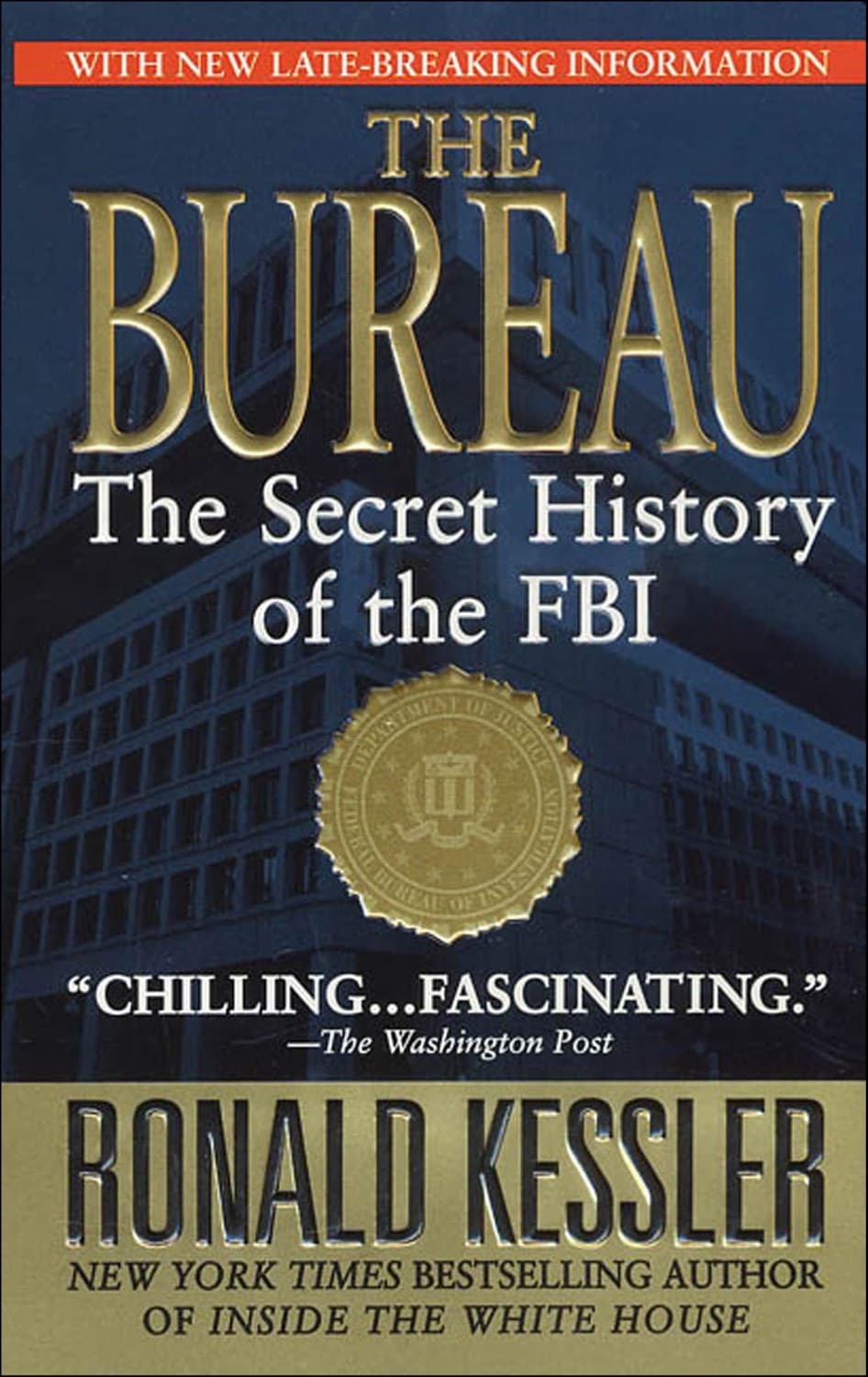
The Bureau
Ronald Kessler
A reporter's tour through the Bureau's culture, scandals, and self-image.
Culture, not just casework, shapes what the Bureau does.
Ronald Kessler draws on interviews with agents and officials to show how the FBI works from the inside, from its triumphs to its institutional failures. It suits readers curious about the organization as a workplace and bureaucracy rather than only a set of cases.
Killers of the Flower Moon
David Grann, Luis Murillo Fort
A string of Osage murders in 1920s Oklahoma became one of the young Bureau's defining cases.
The Bureau made its name on the Osage case.
David Grann reconstructs the killings of Osage people made rich by oil, and the investigation that helped establish the FBI's national reach. It teaches how the early Bureau built its reputation, and it reads as both history and crime narrative.
Hoover outlasted eight presidents and reported to none.
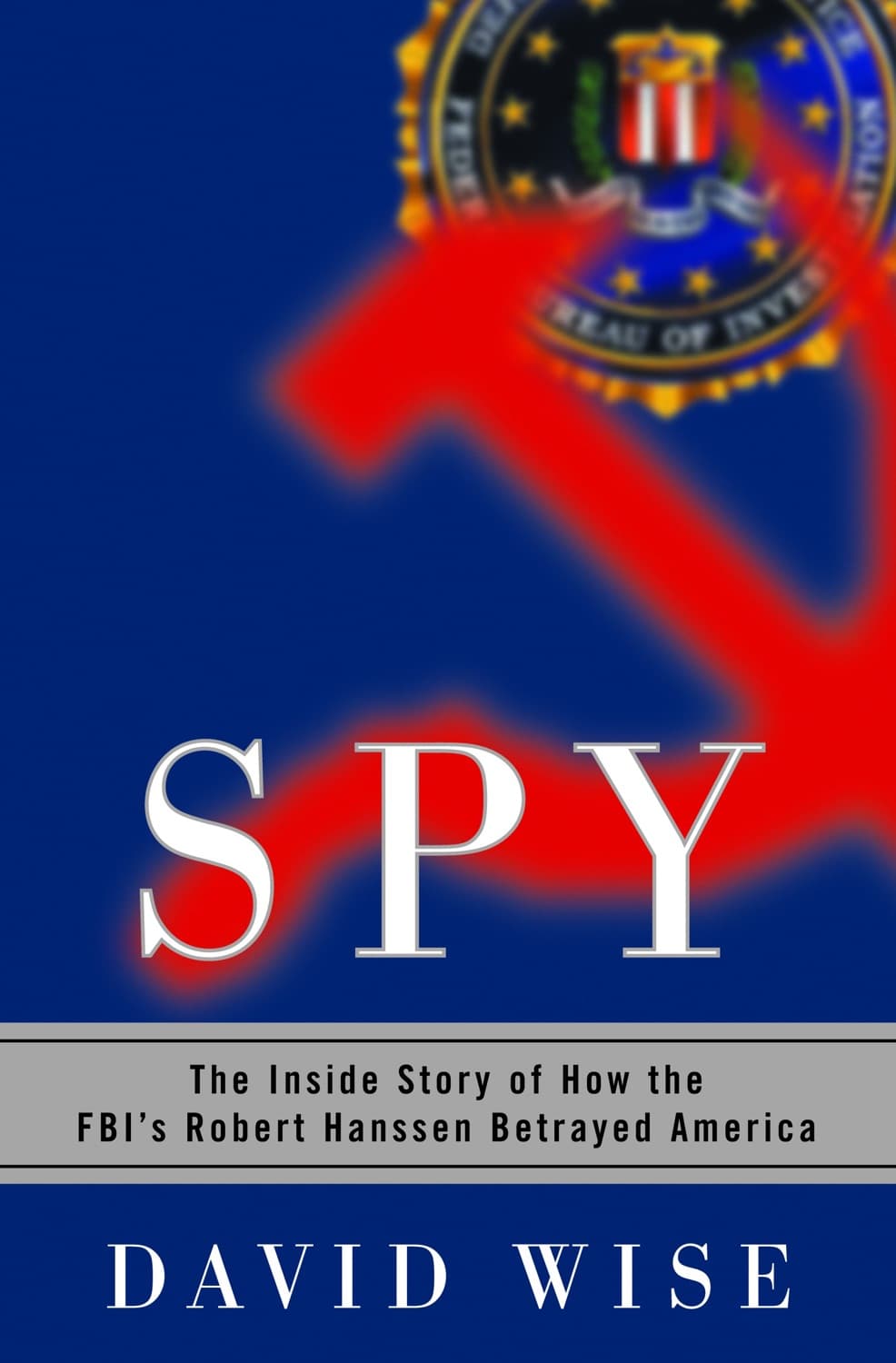
Spy
David Wise
For two decades an FBI agent sold his country's secrets to Moscow from inside counterintelligence.
The hardest mole to catch wears your own badge.
David Wise lays out the Robert Hanssen case, how he spied undetected and how the Bureau finally caught one of its own. It teaches how counterintelligence and internal mole hunts actually work, and it is for readers drawn to the spy-versus-spy side of the FBI.
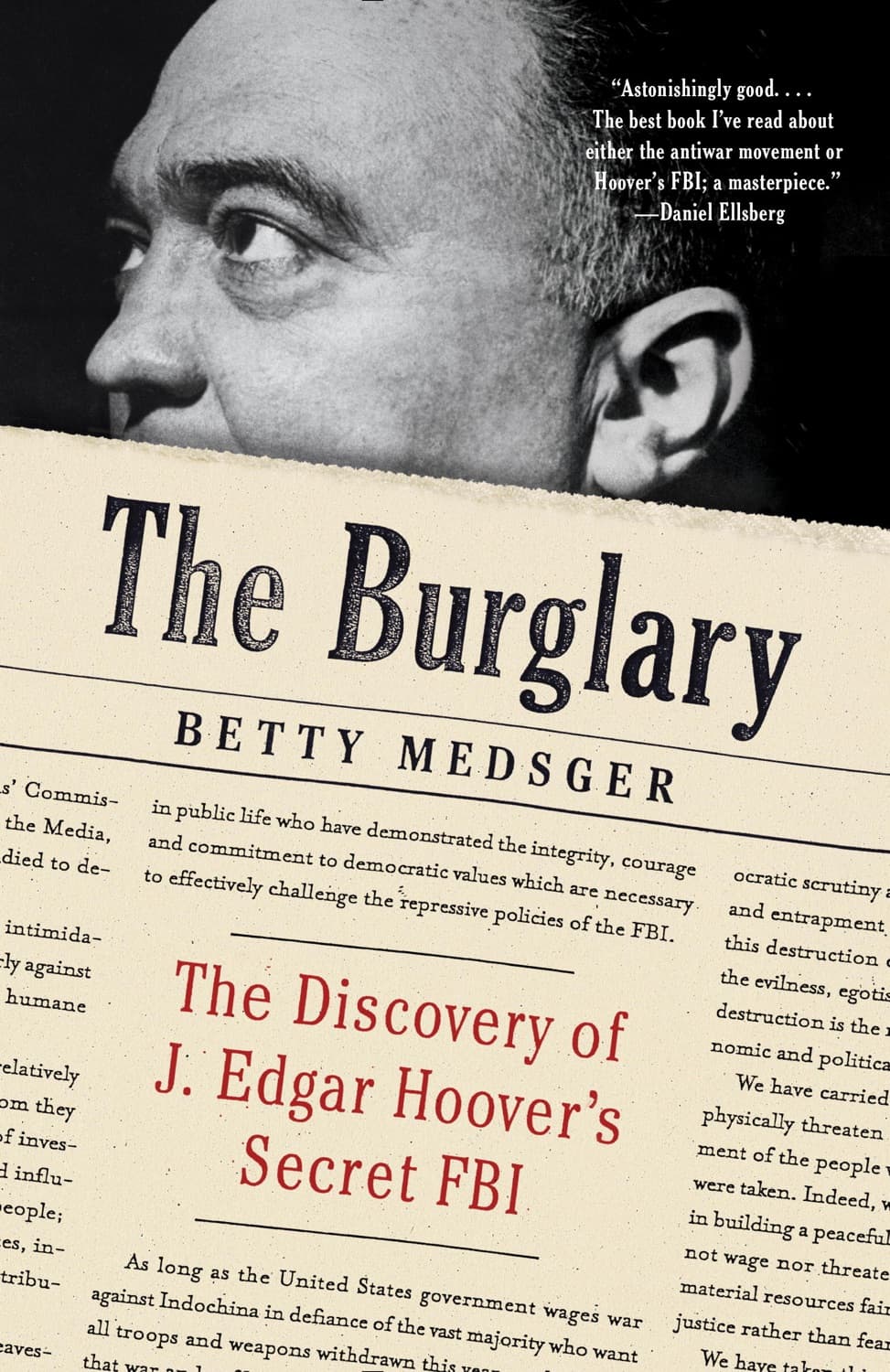
The Burglary
Betty Medsger
In 1971 activists broke into an FBI office and walked out with the files that exposed COINTELPRO.
One break-in revealed the FBI's secret war on dissent.
Betty Medsger tells the story of the burglars who stole documents revealing the Bureau's secret program against dissidents, and what those papers changed. It teaches how much of Hoover's hidden FBI only came to light by accident, and it suits readers interested in surveillance and accountability.
From the Secret Files of J. Edgar Hoover
Athan Theoharis
The Bureau's own paper trail, read by a historian who spent years prying it loose.
The files say more than any memoir admits.
Athan Theoharis assembles Hoover-era documents on wiretaps, break-ins, and political files into a guided reader. It teaches what the records themselves say rather than what memoirs claim, and it is for readers who want the primary sources behind the histories.
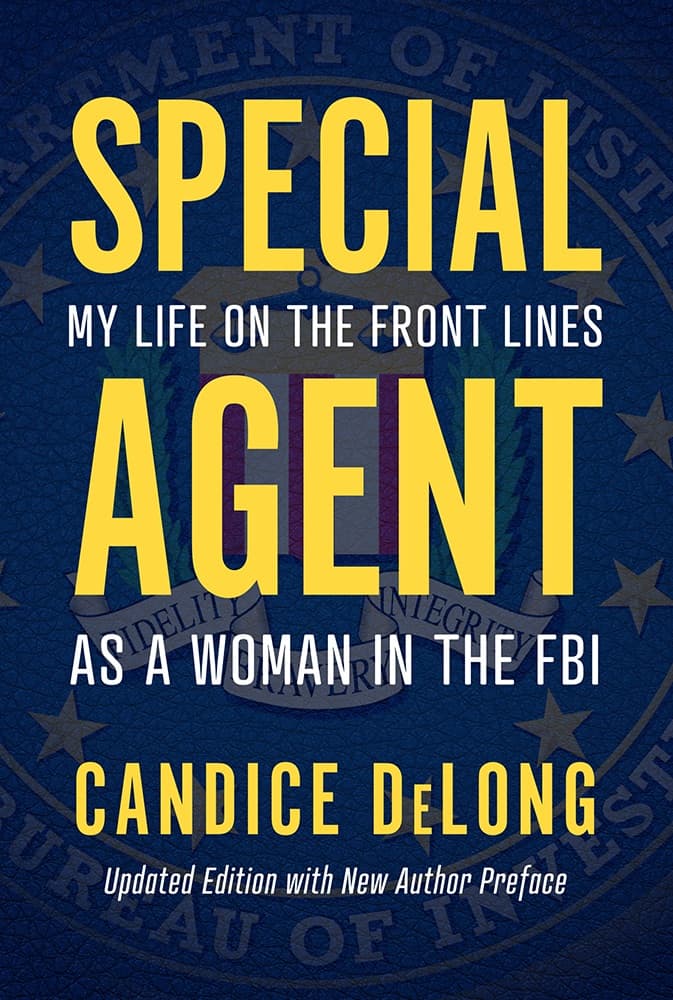
Special Agent
Candice DeLong
A field agent works profiling, undercover stings, and the Unabomber case from the front lines.
The casework looks nothing like the headlines.
Candice DeLong recounts a career as one of the early women in the FBI, from Chicago casework to high-profile investigations. It teaches what daily agent work and profiling feel like up close, and it suits readers who want a ground-level view rather than institutional history.
Can we tailor this list for you?
Type your question in the bar below and the AI will tailor a fresh set of picks just for you.