Best Books on Poisoners & Silent Killers
Poisoners and silent killers, explained through landmark true-crime: Deborah Blum’s The poisoner's handbook anchors the science and the cases, while Graham Young takes center stage in The Secret Poisoner. You’ll read the same deaths with sharper, evidence-first eyes.
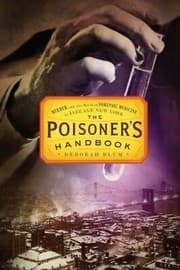
The poisoner's handbook
Deborah Blum
By the end, “silent killing” stops being a vibe and becomes a traceable chain of motives, methods, and detection failures.
Detection advances lag behind new access to toxins
Blum turns poison into a historical system: how toxins were used, misunderstood, and finally investigated. That framing helps when you want poisoners and silent killers to feel concrete instead of sensational.
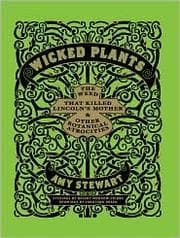
Wicked Plants
Amy Stewart
You’ll start noticing everyday leaves and seeds as if they come with danger labels, not just botany facts.
Many poisons are plants, not laboratory creations
Stewart’s toxic-plant survey makes lethal chemistry feel personal and visual, without needing lab jargon. If you’re drawn to silent killers, it gives the “how it can work” context behind many poisoner stories.
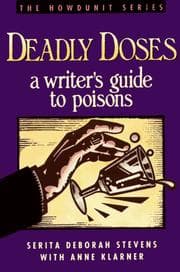
Deadly doses
Serita Stevens
Notorious poisoners stop feeling mysterious and start looking like patterns of opportunity, access, and concealment.
Access plus chemistry beats cleverness alone
Stevens compiles major poison cases into a compendium that connects method to outcome across time. It suits a “poisoners and silent killers” interest because it keeps the focus on the operational realities of covert homicide.
The Case of the Murderous Dr. Cream
Dean Jobb
After Cream, “curiosity” about poison turns into a lesson in how an investigator’s doubts can outlast a killer’s story.
A diagnosis needs corroboration, not just resemblance
Jobb’s narrative approach makes the courtroom and the investigation feel like a contest of evidence, not character sketches. For readers who like silent killers, it highlights the practical friction between what poisons do and what people notice.
The Secret Poisoner
Linda Stratmann
You finish Graham Young’s story with a new suspicion: not just what he used, but how easily trust can be weaponized.
Modern poisoners exploit slow, uncertain detection
Stratmann centers a modern poisoner while grounding the account in investigative logic and the modern limits of detection. That combination fits the silent-killer fascination because it shows why these cases can take so long to crystallize.
Can we tailor this list for you?
Type your question in the bar below and the AI will tailor a fresh set of picks just for you.