Best Books on Arsonists
Arson narratives that linger after the last page: Norman Maclean in Young Men and Fire, Patricia Cornwell in Point of origin, and Faith McNulty in The burning bed. Each turns “fire-setting” into motive, method, and consequence you cannot unsee.
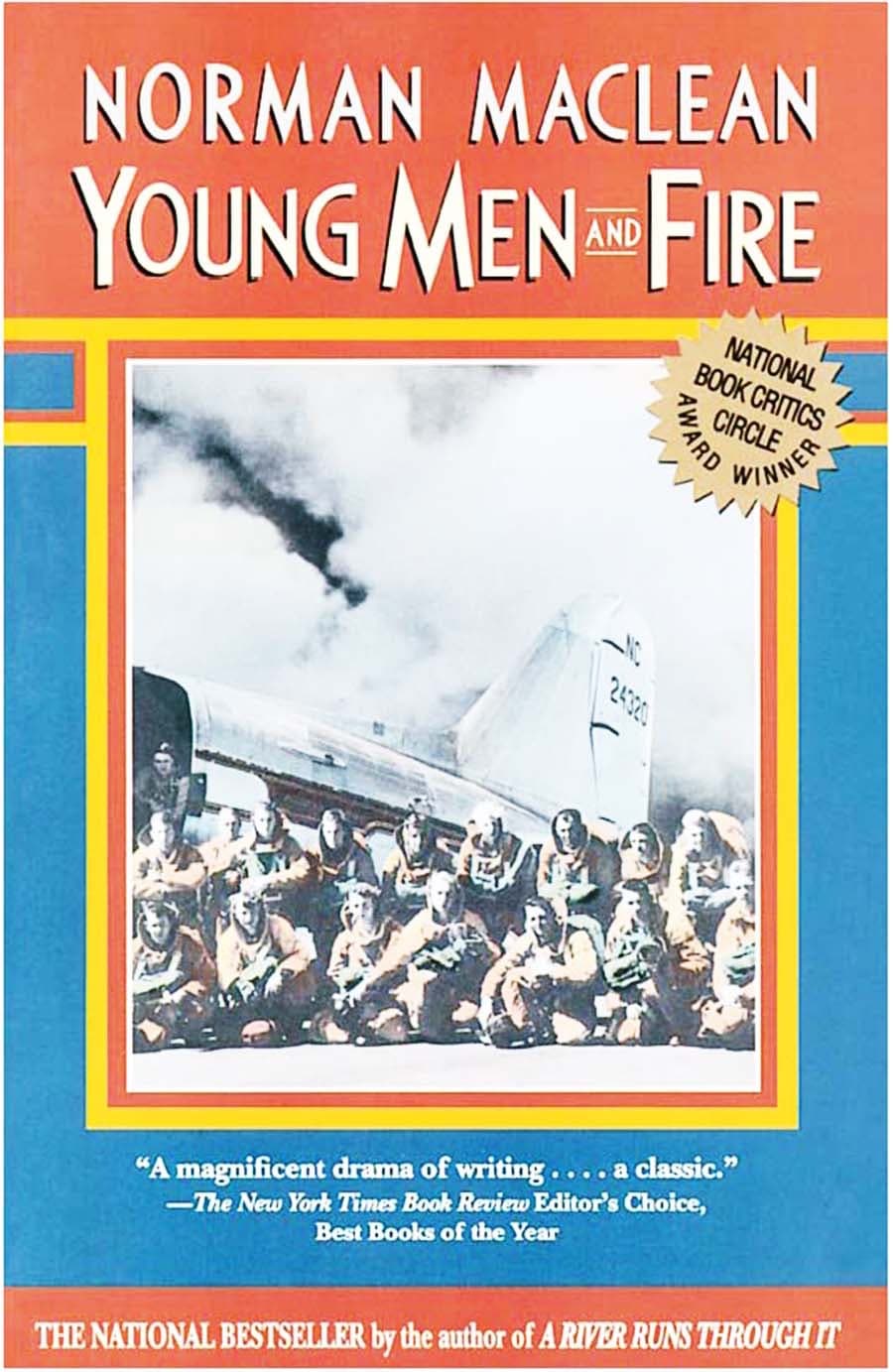
Young Men and Fire
Norman Maclean
After the fire, the real story becomes a chain of human choices: pride, misjudgment, and what a single set can ignite far beyond the flame line.
Fire multiplies small decisions into catastrophic outcomes.
Maclean treats fire-setting and wildfire behavior as a moral and practical system, not a mystery to be solved. For arson reading, it shifts you from fascination to consequence: how intent collides with weather, terrain, and escalation.
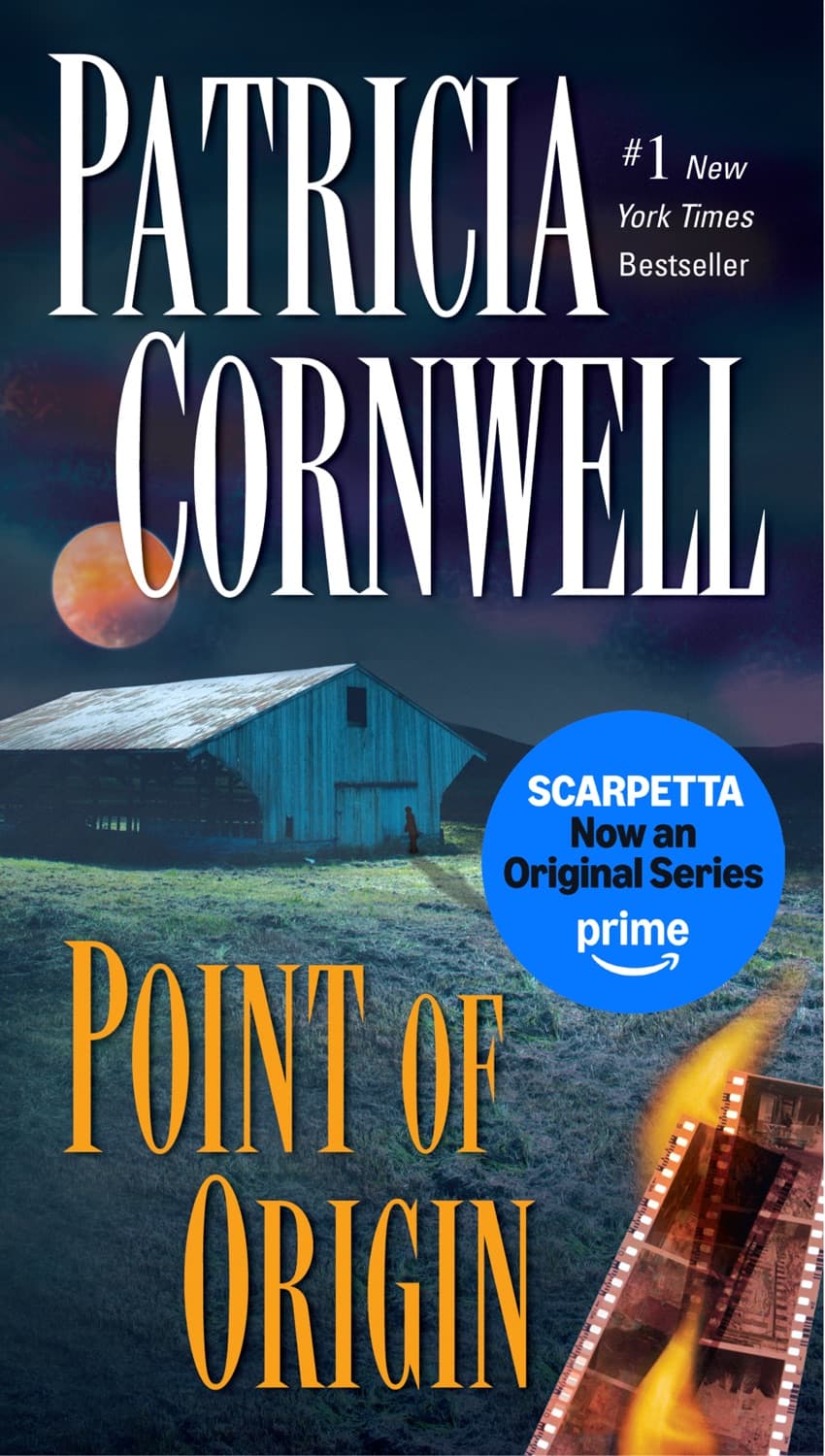
Point of origin
Patricia Cornwell
An arson investigation becomes a forensic chess match where the most decisive evidence is often what the fire tries hardest to destroy.
Forensics often reads what the fire leaves behind.
Cornwell builds around the logic of serial arson and the discipline of working a case through motive, pattern, and method. If you want “best books about Arsonists” with an investigator mindset, this one trains your attention on how professionals infer intent from damage.
The burning bed
Faith McNulty
A true-crime arson case turns intimate life into a pressure cooker where fire is both act and accusation.
Arson can be used as both weapon and narrative.
McNulty makes the arson central without detaching it from the human relationship that shaped the violence. For arsonists as characters of motive, it reframes the spark as a byproduct of coercion, fear, and escalation.
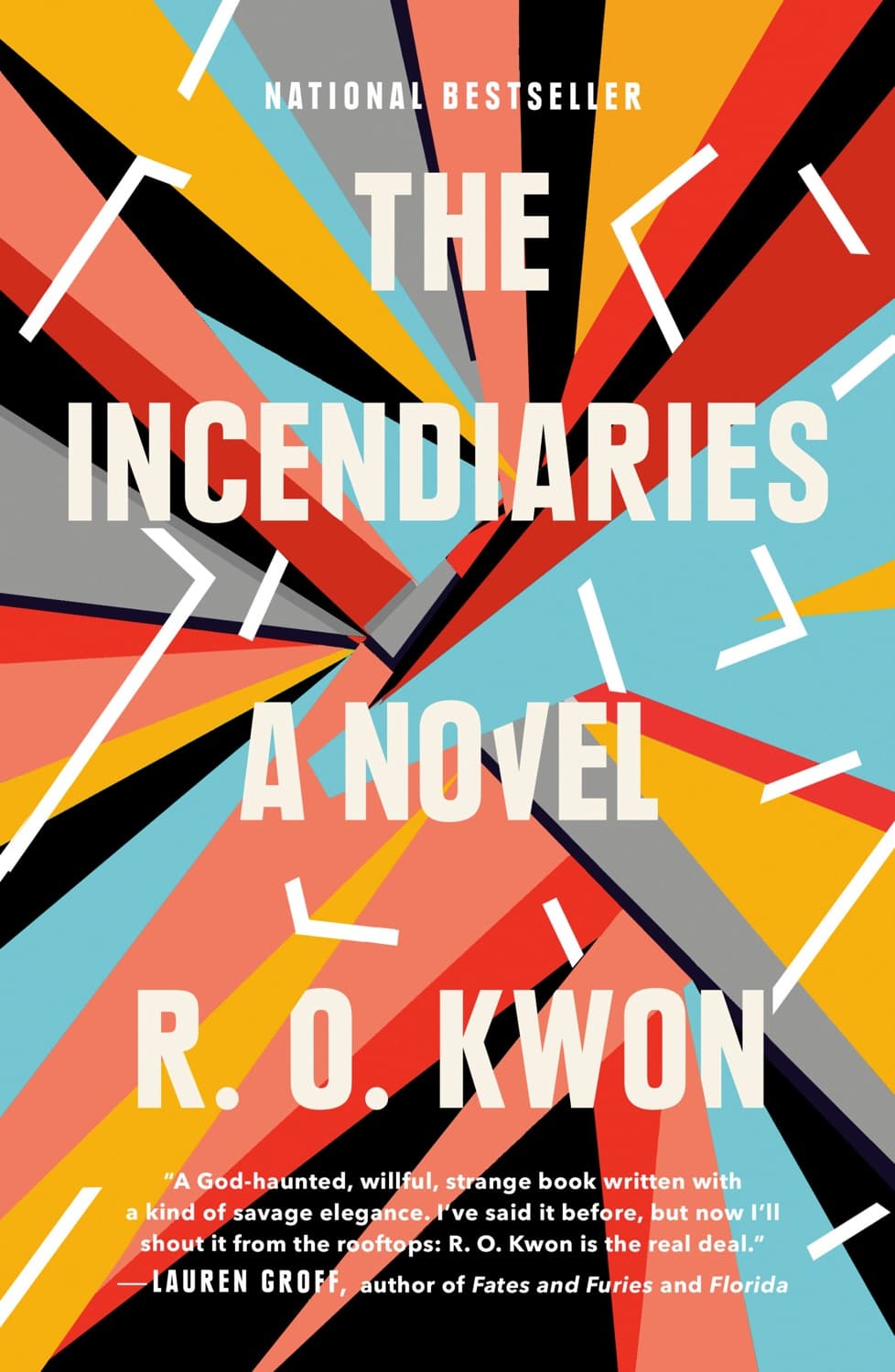
The incendiaries
R. O. Kwon
Revenge becomes ideology: arson shifts from crime to ritual, and the novel interrogates how radical stories recruit your hands.
Ideology can turn fire-setting into a belief practice.
Kwon explores arson through radicalization and the psychological seduction of “meaning” in destruction. If your interest in arsonists is the mind behind the act, this adds a troubling lens: belief systems that make violence feel coherent.
Ordinary Thunderstorms
William Boyd
A fugitive on the move makes arson part of a larger pattern: the plot keeps asking what it costs to keep changing identities.
Arson can be a tactic within a broader self-defense strategy.
Boyd uses an arsonist thread inside a tense narrative of evasion and reinvention. For “best books about Arsonists,” it widens the frame from the fire itself to the psychology of concealment and the pressures that sustain it.
The Burning Air
Erin Kelly
When the mystery hinges on fire, the real question becomes whether the person near the flames is a mastermind, a victim, or both.
In arson thrillers, proximity can be the most misleading clue.
Kelly’s psychological thriller treats arson as both evidence and emotion, threading motive through relationships and misdirection. If you want a gripping read that still keeps “why the fire” at the center, this one sharpens that focus.
Can we tailor this list for you?
Type your question in the bar below and the AI will tailor a fresh set of picks just for you.