Best Books for Aspiring Startup Product Managers
Ten books for product managers at a startup, written for the stage where the product, the market, and the team are all uncertain at once. Heavy on discovery, validation, and the patience to find product-market fit before you scale.
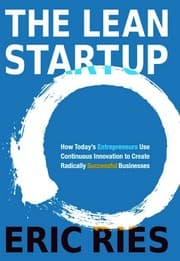
The Lean Startup
Eric Ries
The book that gave Silicon Valley its current vocabulary, MVP, build-measure-learn, validated learning, pivot, for better and for worse.
The only way to win is to learn faster than anyone else.
The source of build-measure-learn and the MVP. For a startup PM the durable idea under the dated jargon is Ries's unit of progress: validated learning beats shipped code when nearly everything about the business is still a guess.
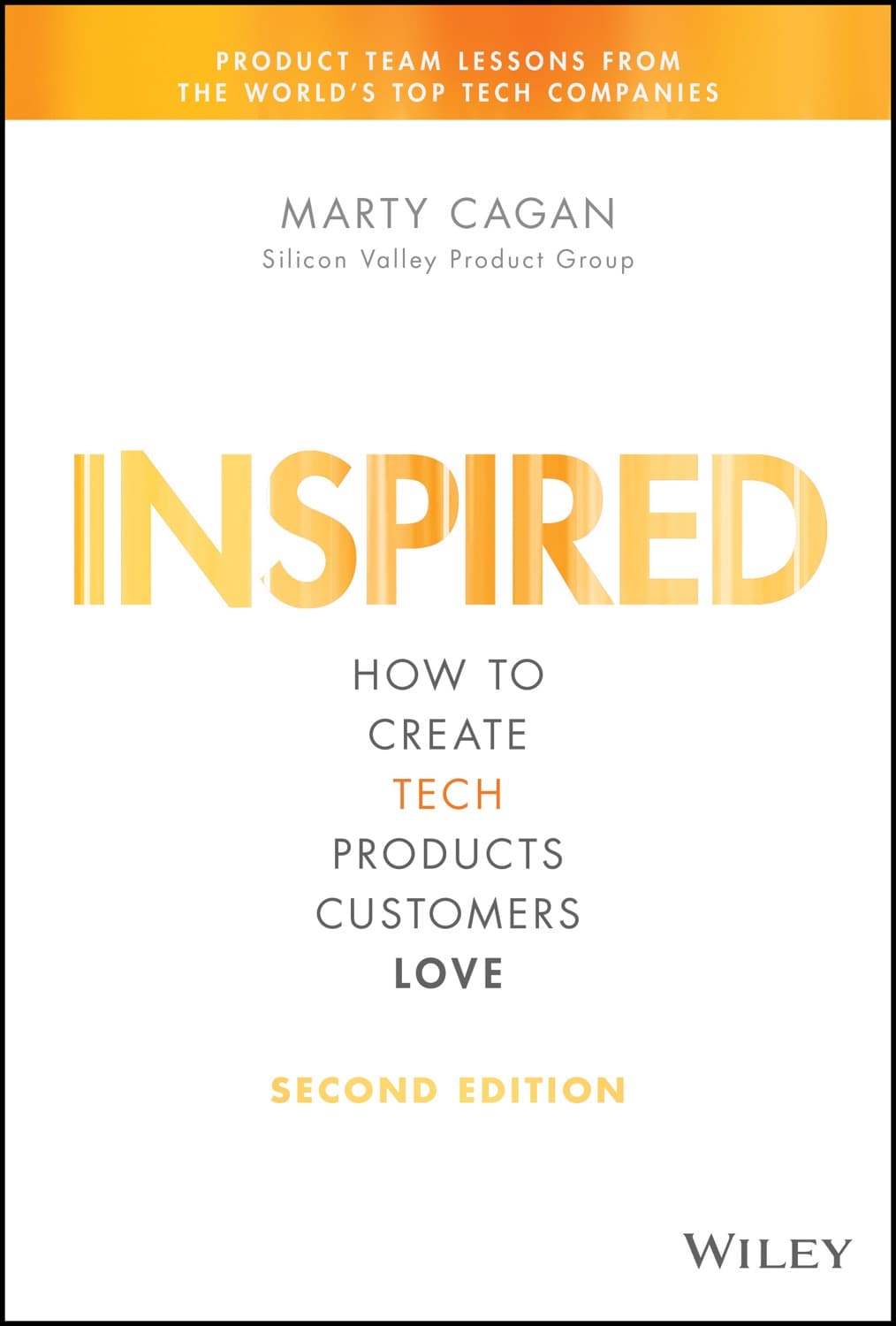
Inspired
Marty Cagan
The product-management bible, what a great PM actually does on a Tuesday afternoon, told by the man who hired and trained more of them than anyone alive.
Product is not about delivering features. It's about delivering outcomes.
For a founding or early PM, this is the argument for spending scarce time on discovery before you commit engineers. Cagan's distinction between feature factories and real product teams matters most when you get one shot at product-market fit and no budget to build the wrong thing twice.
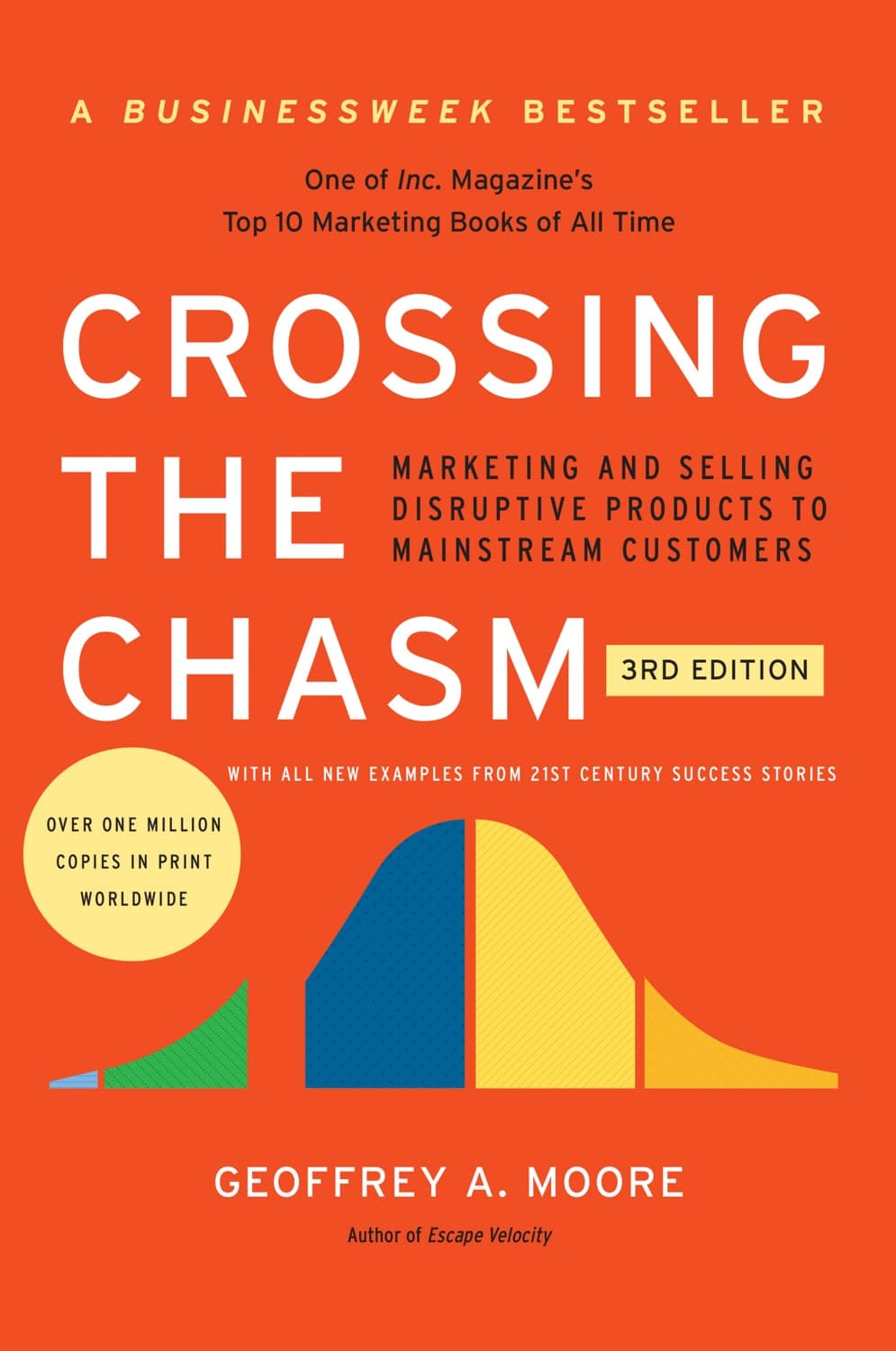
Crossing the Chasm
Geoffrey A. Moore
Why early traction with enthusiasts almost never translates to mainstream adoption, and the marketing/product moves that survive the gap.
The mainstream market doesn't want what the early market wanted. It wants something safer that looks like a complete solution.
Moore wrote this in 1991 for B2B tech founders, and three decades later it's still the canonical book on the technology-adoption lifecycle. The chasm, between visionaries and pragmatists, is where most products die. He walks through bowling-pin segmentation, whole-product thinking, and the strategic patience required to land a beachhead market before going broader. If you've ever wondered why a product loved by early users somehow can't grow, this book is the answer.
Continuous Discovery Habits
Teresa Torres
A weekly cadence for customer discovery that PMs can actually keep up, opportunity-solution trees, assumption tests, and the discipline of small steady habits.
Continuous discovery is a habit, not a project, a small interview every week beats a big study every quarter.
At a startup there is no dedicated research function, so discovery has to be a habit the PM keeps personally. Torres's weekly cadence and assumption tests are built for exactly that, finding real signal fast without a heavyweight process to maintain.
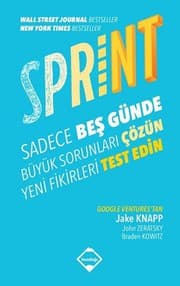
Sprint
Jake Knapp, John Zeratsky, Braden Kowitz
The five-day design-sprint process that Google Ventures used to test ideas before building them, now adopted by thousands of teams.
The way to make better decisions is to make them with data you didn't have yesterday.
Knapp invented the design sprint at Google to compress months of decisions into a single week. The book is the operating manual: Monday for the problem, Friday for the user test, with structured exercises that produce alignment without endless meetings. Worth reading even if you never run a sprint, the underlying ideas about decision-making and prototyping land in any planning context.
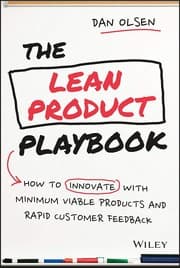
The Lean Product Playbook
Dan Olsen
The most actionable book on finding product-market fit, six steps, with worksheets, that walk you from problem to MVP.
Most products fail because the team built the wrong thing well, not because they built the right thing badly.
Olsen's Product-Market Fit Pyramid is the most usable map for the one thing a startup PM has to get right. Six concrete steps from target user to MVP, with worksheets, built for teams that need fit fast and cannot afford to wander toward it.
Product is not about delivering features. It's about delivering outcomes.
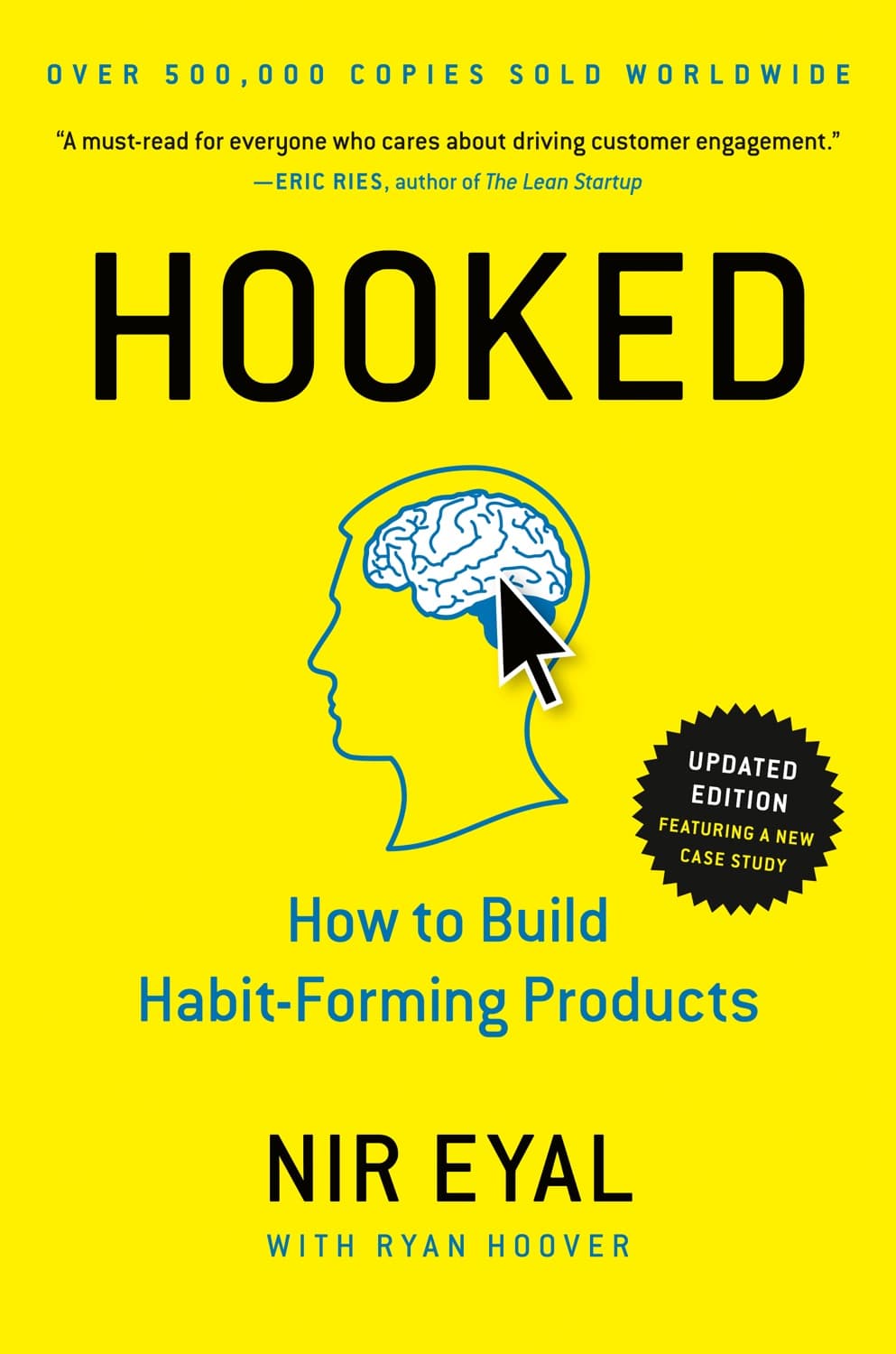
Hooked
Nir Eyal
The psychology and engineering of habit-forming products, trigger, action, variable reward, investment, applied with disturbing precision.
Variable reward is what turns a feature into a habit. Predictability is what kills it.
Eyal's Hook Model is the framework behind most of the consumer products in your phone, for better or worse. The book is short, well-organized, and refuses to pretend that habit design is morally neutral, there's a full chapter on the ethics. If you're building consumer software and don't know why retention curves bend the way they do, this is the canonical starting point.
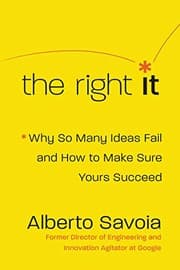
The Right It
Alberto Savoia
The pretotyping handbook, fake-door tests, mechanical-Turk MVPs, and how to know whether anyone wants your idea before you build it.
Most ideas fail not in execution, but in being the wrong idea executed well.
Savoia coined pretotyping at Google after watching too many well-engineered products die from no demand. The book argues that most failed startups built the wrong it (the idea) rather than building it wrong (the execution), and offers a dozen cheap, fast tests to find out which one you have. The complement to Lean Startup's MVP, earlier, cheaper, and often more honest.
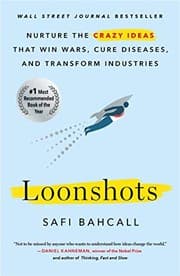
Loonshots: How to Nurture the Crazy Ideas That Win Wars, Cure Diseases, and Transform Industries
Safi Bahcall
A physicist-turned-CEO uses phase transitions to explain why some companies kill their breakthrough ideas and others nurture them, and how to be the second kind.
The structure of the team eats the strategy of the team. Change the structure first.
Bahcall mixes science, business history, and a unique framework, the structure of an organization governs whether it can sustain loonshots (wild early-stage ideas) alongside franchise products (steady cash). The case studies, Vannevar Bush, James Bond, the Vasa warship, are unexpectedly clarifying, and the structural argument is the most original I've seen for why innovation withers in scale-ups.
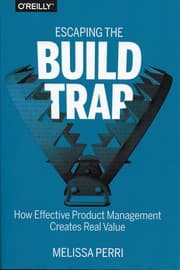
Escaping the Build Trap
Melissa Perri
Why most product teams ship a lot and learn nothing, and how to climb back out toward outcomes that actually matter.
Shipping is not progress. Output is not outcome. The build trap is mistaking the first for the second.
Early companies confuse motion for progress. Perri's diagnosis of output-obsessed teams, and her case for organizing around outcomes, helps a startup PM avoid building a fast feature factory before there is even product-market fit to scale.
Can we tailor this list for you?
Type your question in the bar below and the AI will tailor a fresh set of picks just for you.