Best Books for First-Time Managers
The leap to managing people is its own craft, and these books teach it: Julie Zhuo's The Making of a Manager on finding your footing, Kim Scott's Radical Candor on honest feedback, and L. David Marquet's Turn the Ship Around! on handing over real ownership.
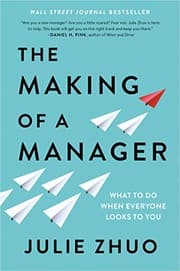
The Making of a Manager
Julie Zhuo
You learn to treat your first-team dilemmas like engineering problems: clarify the goal, choose the right meeting, then calibrate decisions with your team.
Ask: what decision should happen here?
Zhuo translates high-performing tech leadership into practical habits you can apply immediately, not theory about “leadership.” For first-time managers, the shift is from trying to be the smartest person to designing the conditions where others can do great work.
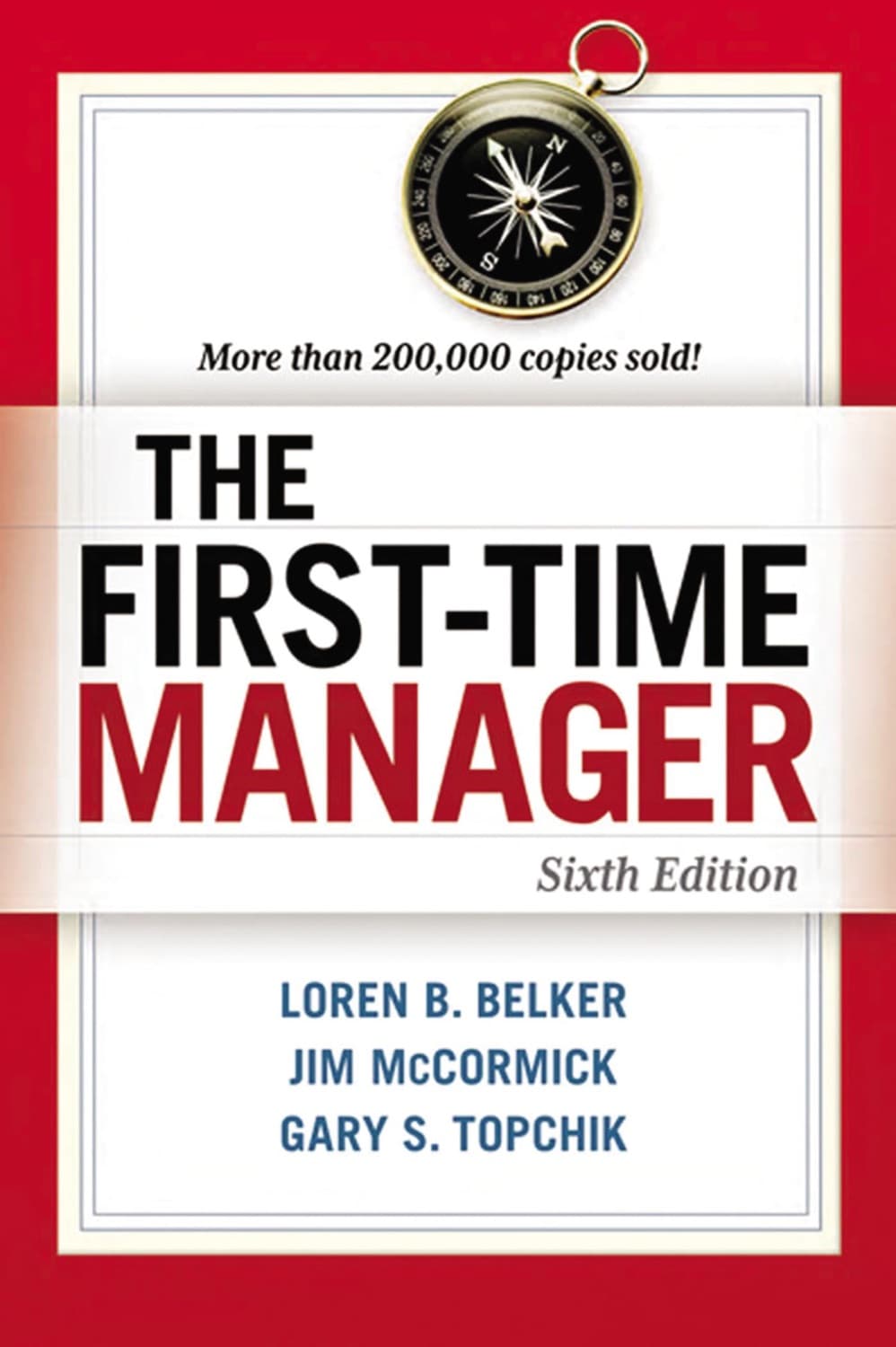
The First-Time Manager
Loren B. BELKER, Jim MCCORMICK, Gary S. TOPCHIK
It walks you through the everyday moments that derail new managers: when to coach, when to document, and when to escalate.
Document decisions to protect clarity.
This is a nuts-and-bolts handbook for real supervisory situations, so you are not left improvising when authority, conflict, or performance issues show up. It matters for first-time managers because it normalizes the messy middle: you learn procedures for common problems before you face the biggest surprises.
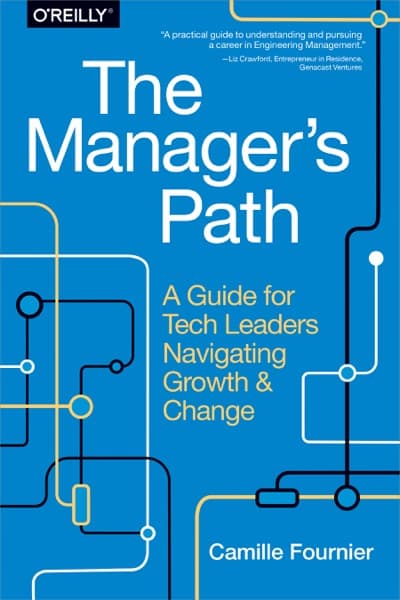
The Manager's Path
Camille Fournier
You get a leadership ladder where each step changes what “good” looks like: from managing tasks to managing outcomes and then managing systems.
Match your leadership to your level.
Fournier gives a progression map that helps new managers stop judging themselves by the wrong standard. That is especially useful when you feel pulled between execution and people leadership: the book teaches how responsibilities evolve as your role matures.

Radical Candor: Fully Revised & Updated Edition
Kim Scott
You build trust by pairing care with candor, so feedback becomes a relationship habit instead of a once-a-year event.
Care personally, challenge directly.
Scott’s framework turns feedback and accountability into a repeatable practice, including how to talk when you feel nervous or guilty. For first-time managers, this matters because learning to be direct without becoming harsh is often the difference between compliance and real performance.
The New One Minute Manager
Ken Blanchard, Spencer Johnson, M.D.
It reframes management as three fast rhythms: set clear goals, give quick feedback, and follow up on progress.
Catch people doing right fast.
Because it is brief and habit-focused, it helps new managers practice expectation-setting and coaching without overthinking. When you are new, the biggest risk is inconsistency: this book gives you a repeatable cadence to keep your team aligned.
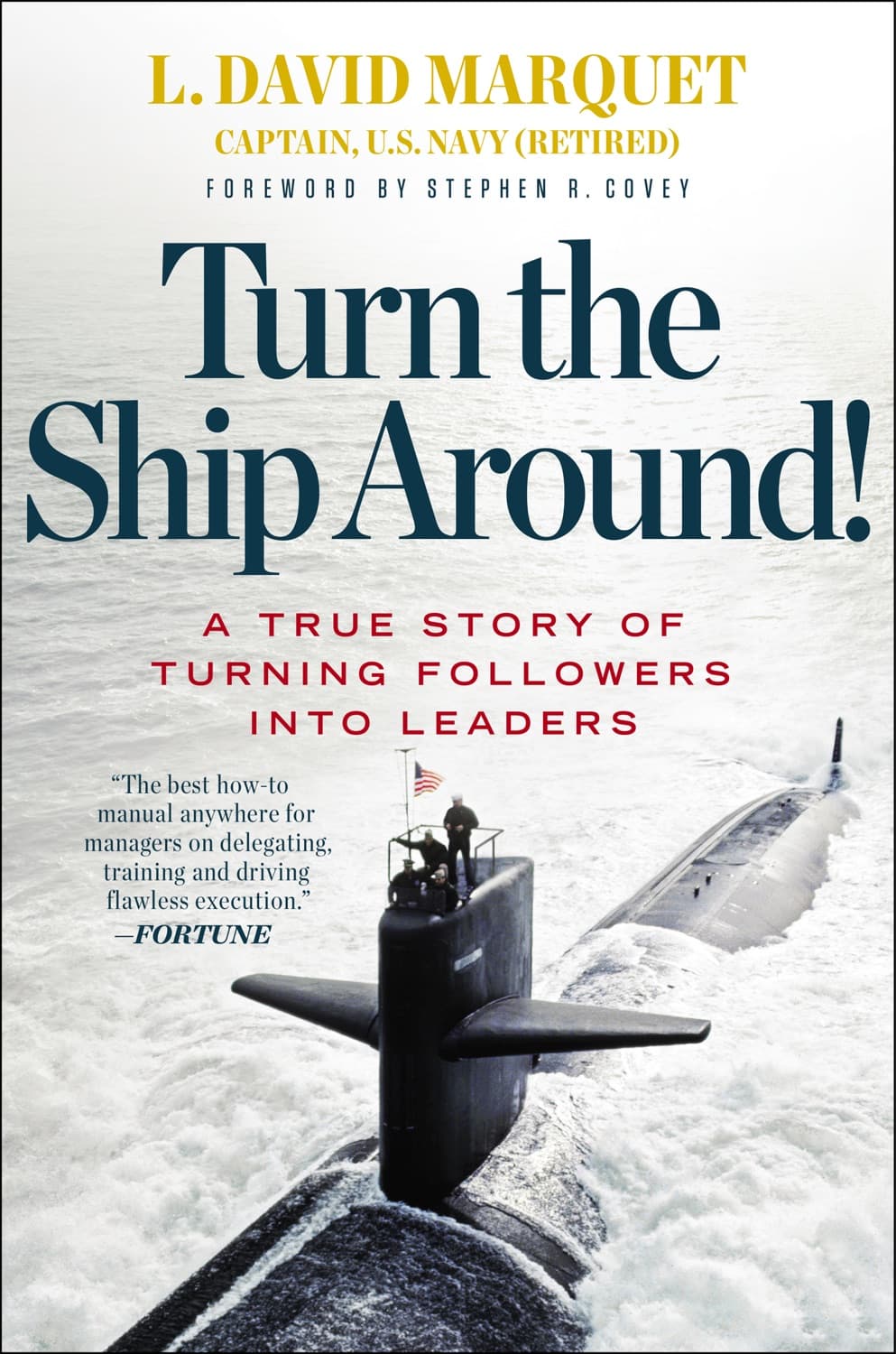
Turn the Ship Around!: A True Story of Turning Followers into Leaders
L. David Marquet, Stephen R. Covey
You replace top-down commands with leaders who ask, think, and take responsibility, because fear of failure shrinks when people can act.
Give people freedom to fail well.
Marquet offers an alternative to command-and-control instincts, showing how empowerment changes decision-making behavior. For first-time managers, the payoff is learning how to delegate authority in a way that creates ownership, not confusion.
Document decisions to protect clarity.
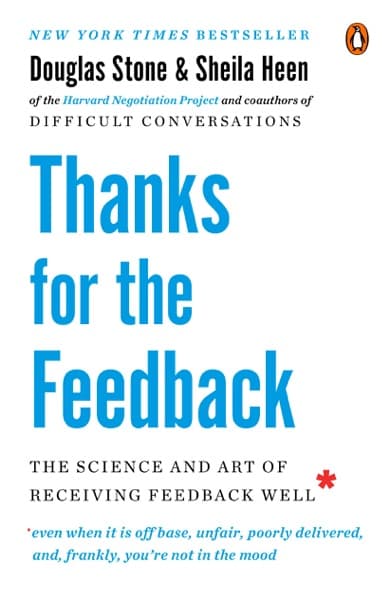
Thanks for the Feedback
Douglas Stone, Sheila Heen
It teaches you to separate three different “voices” inside feedback: truth, feeling, and identity.
Feedback is three parts: truth, feelings, identity.
New managers often react defensively because they hear feedback as a verdict on who they are. This book helps you process feedback as information plus emotion, so you can respond with clarity and actually improve.
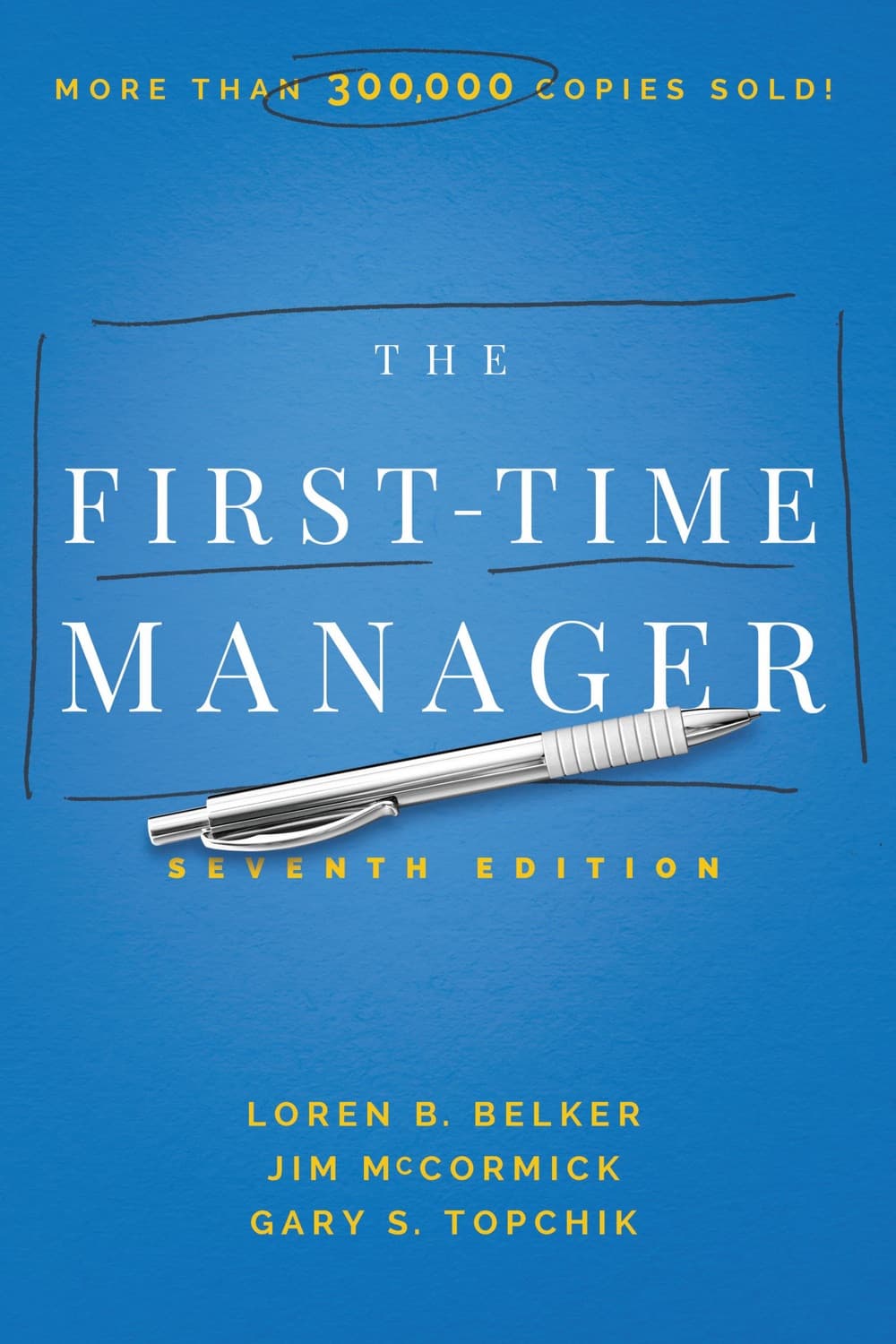
The First-Time Manager
Jim McCormick
It emphasizes the brand-new manager’s core job: building execution through people, not just completing tasks.
Expectations beat reminders.
McCormick’s approach helps you handle the day-to-day realities: setting expectations, managing performance, and keeping communication crisp. For first-time managers, it matters because your early effectiveness comes from systems of follow-through, not charisma.
Can we tailor this list for you?
Type your question in the bar below and the AI will tailor a fresh set of picks just for you.