Best Books for AI and ML Product Managers
Product management for the AI era, from Chip Huyen on how foundation models actually ship to Marty Cagan's Inspired on the craft that outlasts any model. Ten books covering AI engineering, the economics of prediction, and discovery habits that hold up when the model can talk.
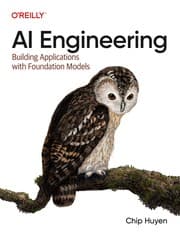
AI Engineering
Chip Huyen
Stanford lecturer and ML platform engineer Chip Huyen on building applications on top of foundation models, evaluation, deployment, cost, and the parts vendors don't tell you.
Most AI product failures aren't model failures, they're evaluation failures.
The most current, least hyped book on shipping AI products. Huyen ran ML platforms at Snorkel AI and Voltron Data before writing this; the chapters on evaluation and inference cost are particularly clarifying for PMs trying to scope an AI feature without learning the hard way that latency and unit economics break before quality does. Practical, technical without being overwhelming, and the first book to recommend to a PM moving into the AI/ML space.
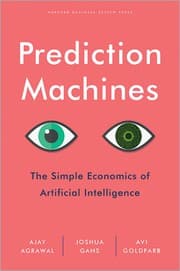
Prediction Machines
Ajay Agrawal, Joshua Gans, Avi Goldfarb
Three economists from Toronto's Creative Destruction Lab reframe AI as a drop in the cost of one specific thing: prediction.
AI lowers the cost of prediction. Strategy is figuring out what else then becomes valuable, and what becomes worthless.
The economists' lens cuts through the hype: when prediction gets cheap, you predict more, complementary inputs (data, judgment, action) become more valuable, and certain decisions get unbundled into machine and human halves. The book gives PMs working on AI features a vocabulary for explaining strategy to non-technical executives without pretending to know how the model works. Short, structured, durable.
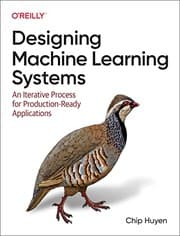
Designing Machine Learning Systems
Chip Huyen
How ML systems actually get built in production, data pipelines, training-serving skew, monitoring, versioning, all the parts academic ML papers skip.
Production ML is 90% infrastructure and 10% modeling. Most failures live in the 90%.
Huyen's earlier and more technical book, but readable enough for any PM who needs to understand what their ML team is actually fighting. The chapter on data distribution shifts in production explains a class of failure most PMs encounter without ever having vocabulary for. Pair with AI Engineering for full coverage of the ML product stack.
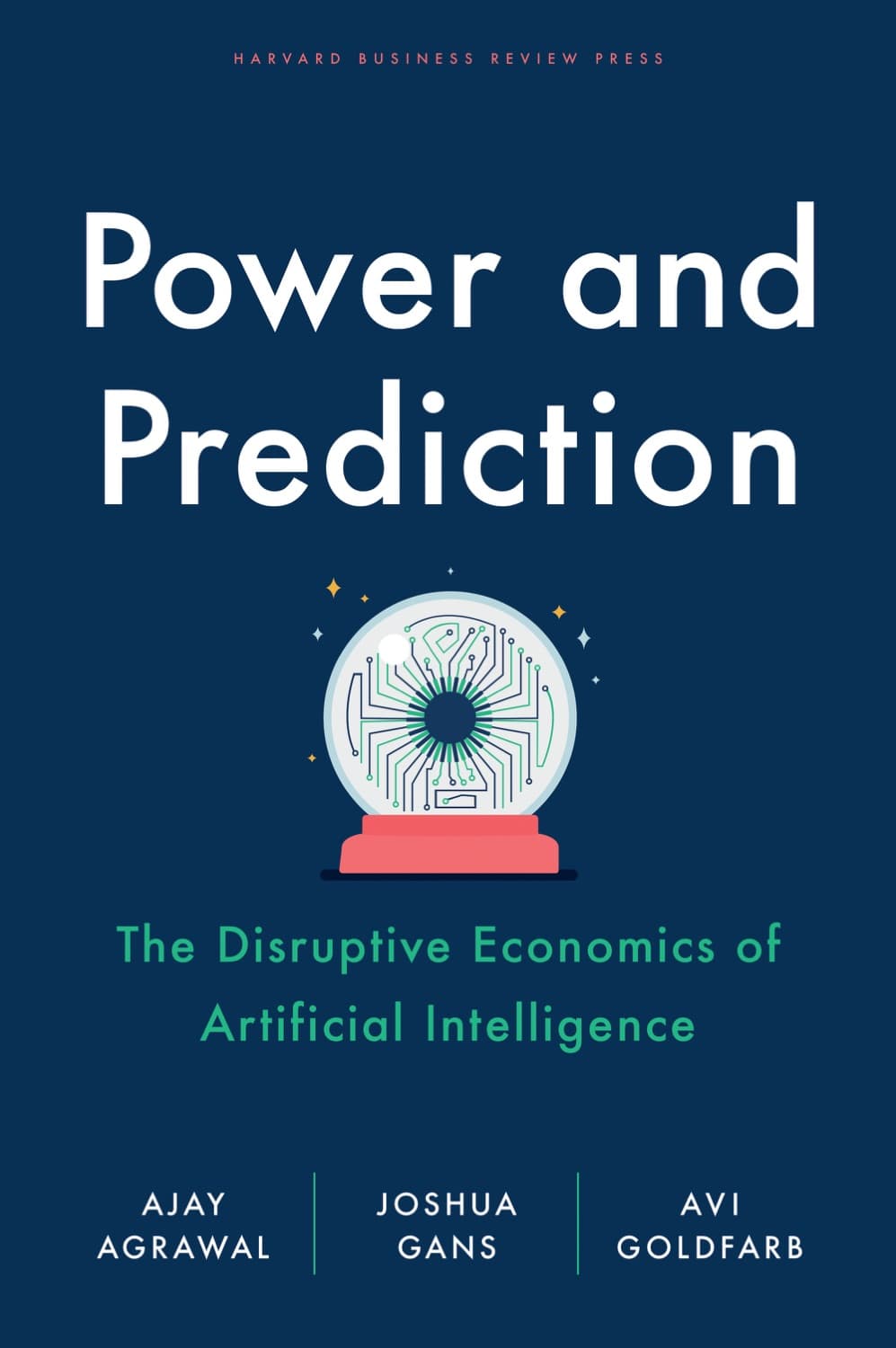
Power and Prediction
Ajay Agrawal, Joshua Gans, Avi Goldfarb
The follow-up to Prediction Machines, about the system-level redesign that happens when AI moves from point-tools to full decision systems.
The transformative AI products won't be the ones that automate tasks. They'll be the ones that let you redesign the system around new economics.
Agrawal, Gans, and Goldfarb argue that the real disruption from AI isn't replacing individual tasks but unbundling and rebundling whole workflows. The framework, point solutions, application solutions, system solutions, is exactly what PMs need to think about whether the AI feature on their roadmap is incremental or a real platform shift. The strategic complement to AI Engineering's tactical depth.
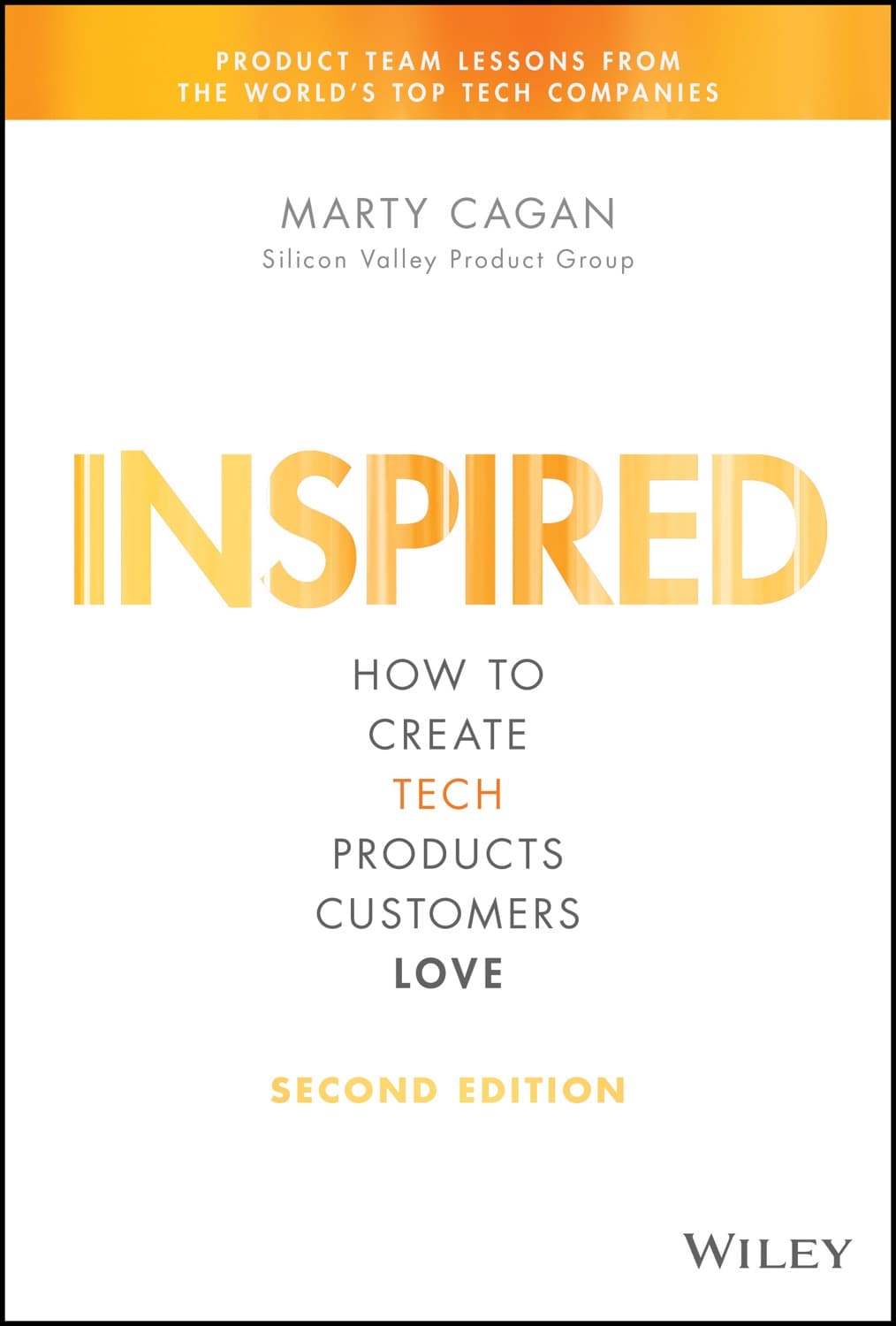
Inspired
Marty Cagan
The product-management bible, what a great PM actually does on a Tuesday afternoon, told by the man who hired and trained more of them than anyone alive.
Product is not about delivering features. It's about delivering outcomes.
Cagan's split between teams that ship features and teams that solve problems gets sharper when the solution is a model whose behavior you cannot fully specify in advance. It gives the AI and ML PM the framing to resist roadmap promises about capabilities that depend on data you do not have yet, and to keep discovery ahead of delivery.
Continuous Discovery Habits
Teresa Torres
A weekly cadence for customer discovery that PMs can actually keep up, opportunity-solution trees, assumption tests, and the discipline of small steady habits.
Continuous discovery is a habit, not a project, a small interview every week beats a big study every quarter.
AI and ML teams often skip customer contact because the work feels purely technical. Torres's habit of small continuous user touchpoints is the corrective: it keeps an ML PM testing whether the model actually solves a user's problem, not just whether an offline metric moved.
AI lowers the cost of prediction. Strategy is figuring out what else then becomes valuable, and what becomes worthless.
Escaping the Build Trap
Melissa Perri
Why most product teams ship a lot and learn nothing, and how to climb back out toward outcomes that actually matter.
Shipping is not progress. Output is not outcome. The build trap is mistaking the first for the second.
ML teams fall into the build trap hardest, measuring model accuracy while no one asks whether the feature changed a user's outcome. Perri's outcomes-over-output argument is the antidote for an AI PM tempted to count shipped models as progress.
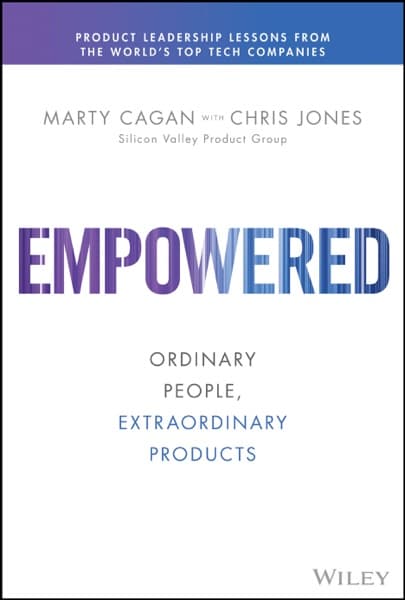
Empowered
Marty Cagan
Cagan's follow-up, about the leaders and structures that let great product teams exist in the first place.
Most companies have product teams in name only. They have feature teams pretending.
Where Inspired is for the PM, Empowered is for the people above the PM. Cagan and Chris Jones examine why most companies' product teams are stuck doing feature work for stakeholders, and what it takes to actually build the kind of organization where empowered teams can solve problems instead of executing tickets. The most useful book on this list for senior PMs trying to fix the org around them.
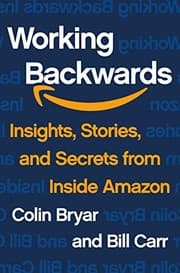
Working Backwards
Colin Bryar, Bill Carr
Two Amazon insiders open the playbook, PR/FAQ documents, six-pagers, the Bar Raiser hiring loop, and the rituals behind the company's product machine.
If you can't write a one-page press release that excites a customer, you don't have a product worth building.
Bryar and Bill Carr were inside Amazon during the explosive years and lived under Bezos's specific operating system. The chapter on the PR/FAQ, write the launch announcement before writing a line of code, is alone worth the book, and the long story of how Kindle, Prime, and AWS were actually built is the best behind-the-curtain account of big-company product work in print.
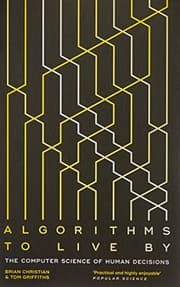
Algorithms to Live By
Brian Christian, Tom Griffiths
A computer scientist and a journalist take computer-science algorithms, sorting, scheduling, caching, exploration vs. exploitation, and apply them to everyday decisions.
The 37% rule: spend the first 37% of your search looking, and commit to the best option you've seen after that.
Christian and Griffiths turn the kind of thinking PMs do at work into the same kind of thinking they should be doing about meetings, inboxes, and life choices. The chapter on explore/exploit is genuinely useful in product prioritization (and in deciding whether to try a new restaurant). One of the most quietly enjoyable books on this list, and the rare one that gets more interesting on a reread.
Can we tailor this list for you?
Type your question in the bar below and the AI will tailor a fresh set of picks just for you.