Best Books on Political Philosophy
Political philosophy spans Plato’s justice and the state to Rawls’ fairness. These classics share one thread: turning power into a question of moral legitimacy and civic order.
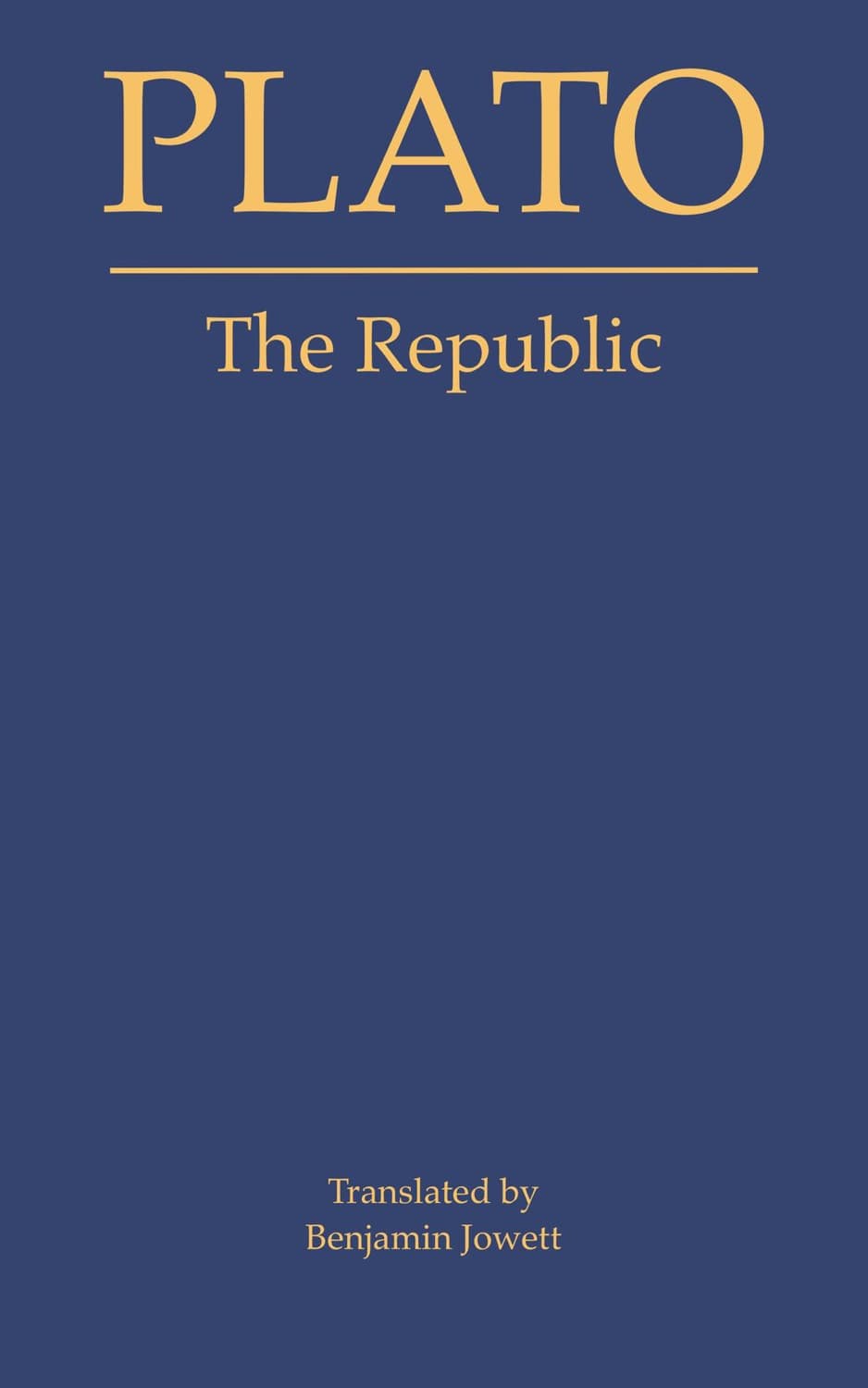
The Republic/ Plato
Plato
After The Republic, politics feels less like events and more like a test of the soul’s justice.
Justice in the city mirrors justice in the person.
Plato builds political order from a moral diagnosis, linking what a city is to what its people are becoming. That makes it a foundational entry point for anyone trying to understand political legitimacy, not just governance mechanics.
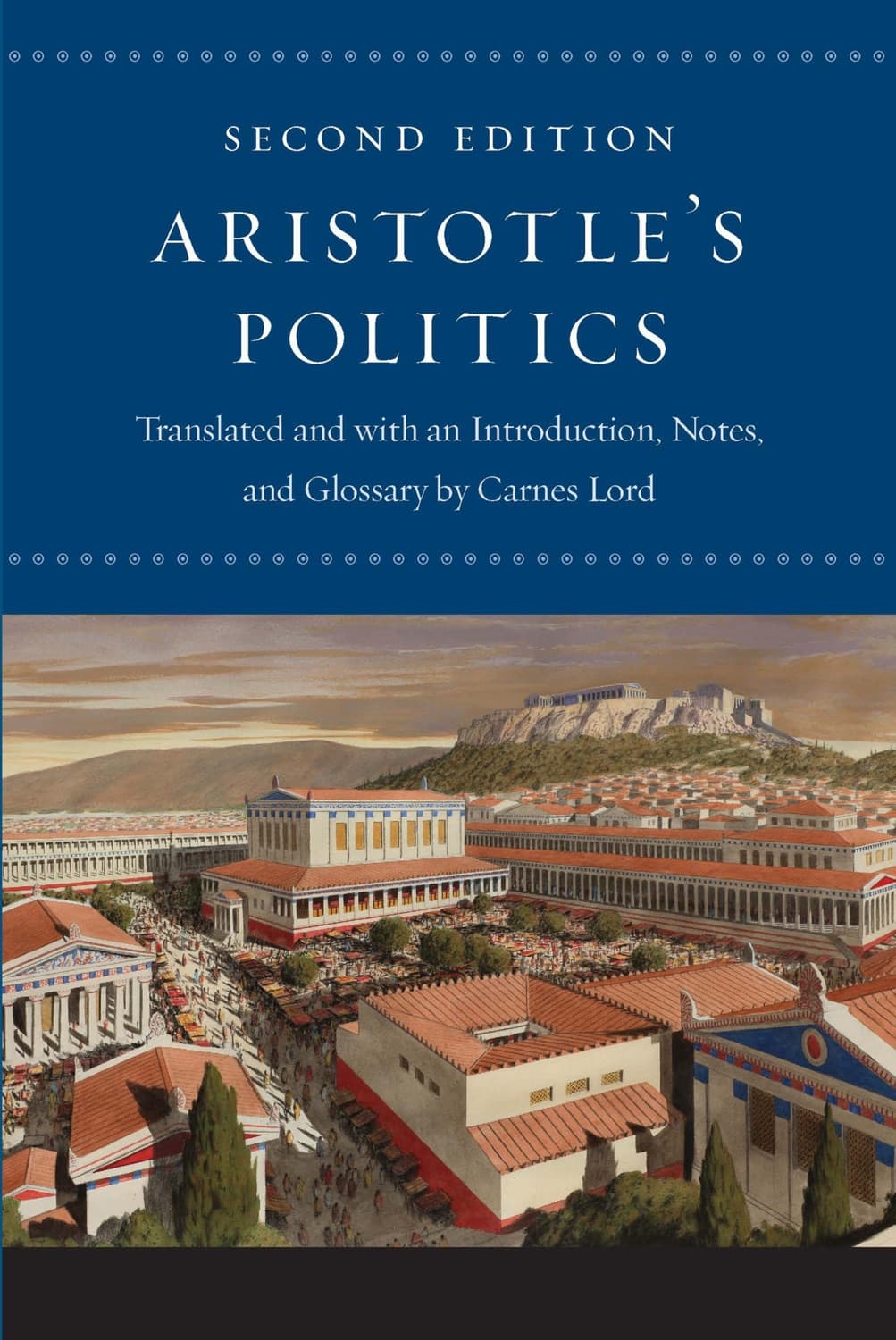
Politics
Aristotle
Politics turns constitutions into living experiments: every form of rule has a distinctive aim and failure mode.
Best regime depends on how people can realistically live.
Aristotle’s approach is systematic, grounded in civic practice, and attentive to citizenship as a way of life. It fits political philosophy seekers who want arguments about states that account for human motives and institutional trade-offs.

Leviathan
Thomas Hobbes
Hobbes reframes freedom as something you construct through authority, not something you start with.
The social contract authorizes a sovereign.
Leviathan tackles why conflict erupts and what it takes to end it, anchoring political order in sovereignty and fear of disorder. It is especially useful when you want a hard-edged account of legitimacy under conditions of mistrust.
Locke: Two Treatises of Government Student Edition
John Locke
Locke makes rights the starting point, then treats government as a trustee with enforceable limits.
Consent creates legitimate government power.
Two Treatises argues for natural rights, consent, and rebellion as a last-resort check on power. It suits readers who want political philosophy tied to legitimacy through authorization, not tradition or raw force.
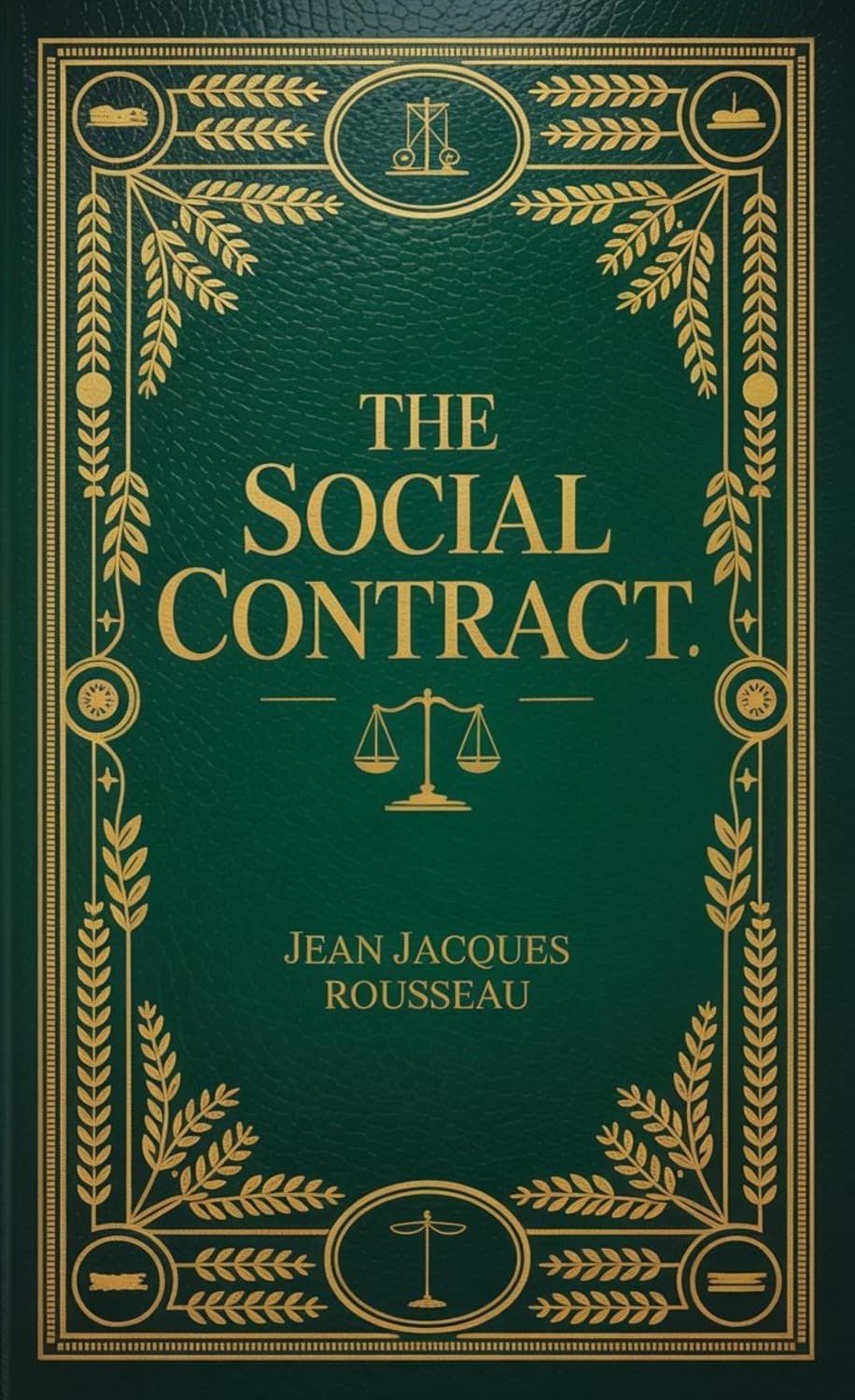
The Social Contract
Jean-Jacques Rousseau
Rousseau moves sovereignty from rulers to the people, with freedom defined by collective self-rule.
Freedom means obedience to self-given laws.
The Social Contract pushes beyond consent-as-approval toward a theory of popular sovereignty where laws express the general will. It matters for political philosophy readers who want to understand how freedom can survive the existence of political authority.

On Liberty
John Stuart Mill
After On Liberty, the state’s right to interfere has to pass an argument about harm, not morality or custom.
The harm principle limits state interference.
Mill’s liberalism is crisp and practical: it defends individuality, free speech, and a principled limit on coercion. It fits anyone seeking political philosophy that directly shapes how pluralism and dissent should be handled.
Best regime depends on how people can realistically live.
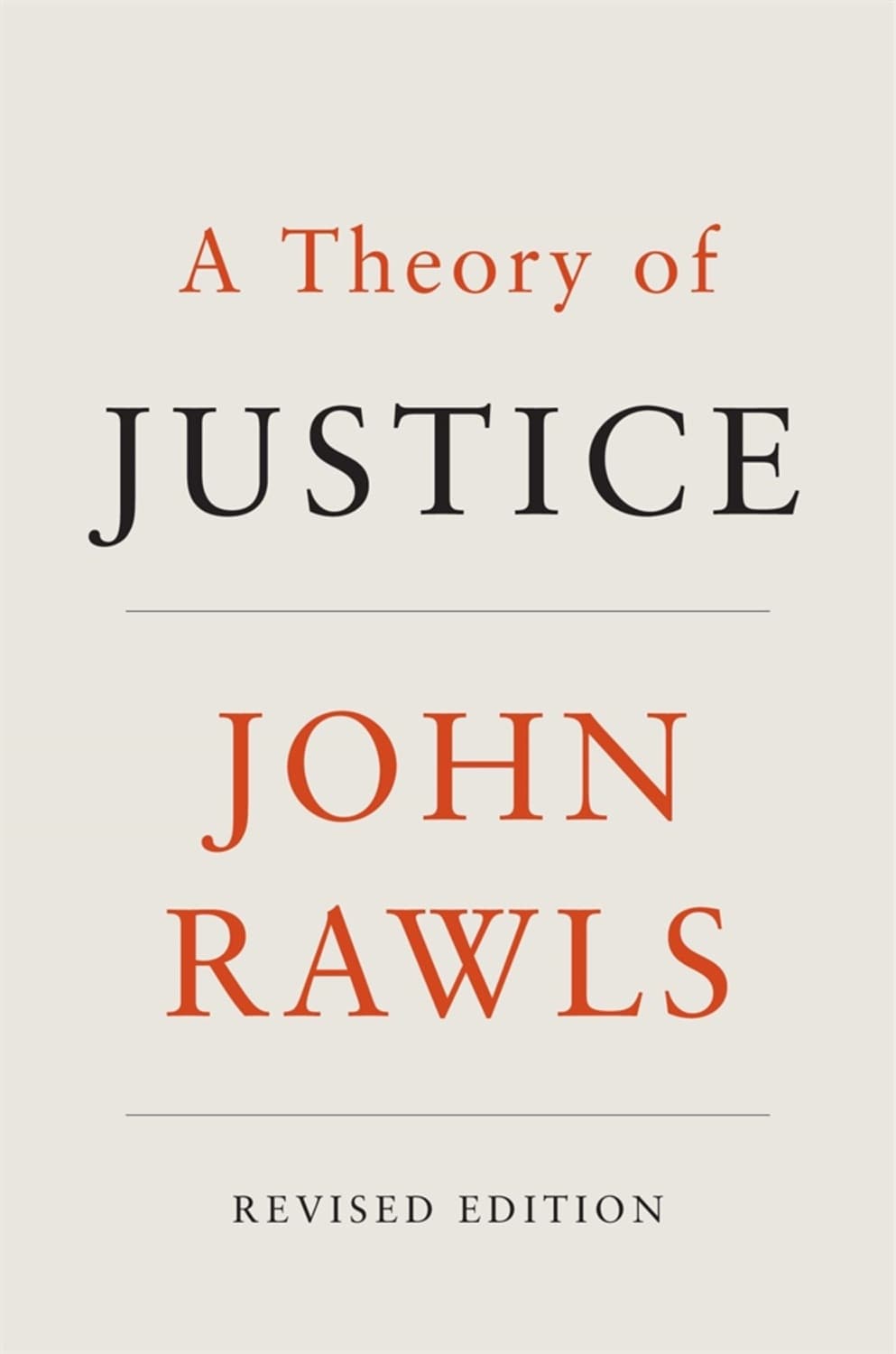
A theory of justice
John Rawls
Rawls teaches you to ask what justice would look like if no one knew their place in society.
Original position: choose principles under the veil of ignorance.
A theory of justice turns fairness into a method, not just an ideal, using arguments about original position and fairness among citizens. If you want political philosophy that explains legitimacy through consent-like reasoning under moral constraints, this is the centerpiece.
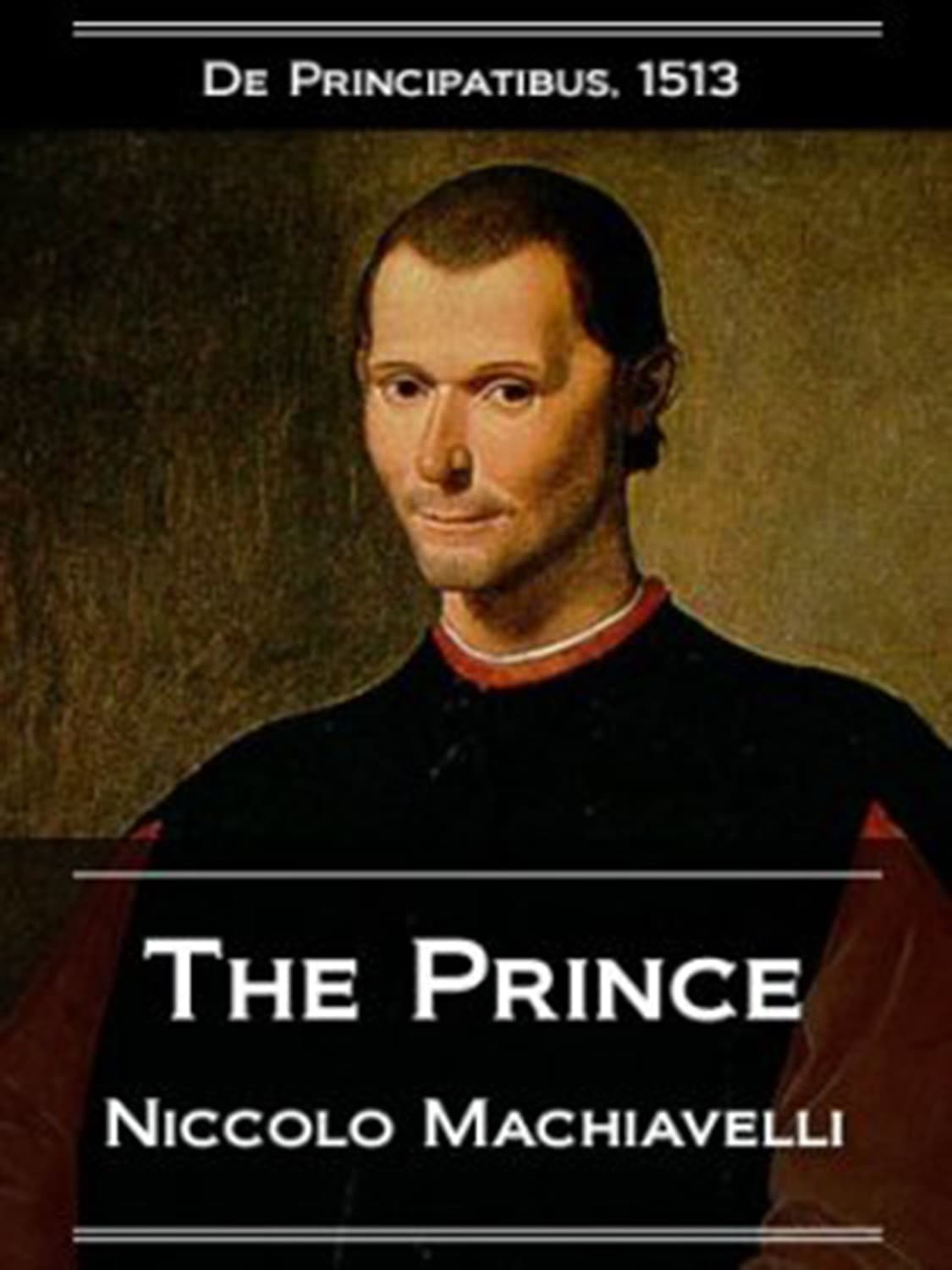
The Prince
Niccolò Machiavelli
The Prince forces you to treat power as a craft, where political virtue is measured by effectiveness.
Better to be feared than loved, if you cannot be both.
Machiavelli clarifies how rulers actually survive pressures of fear, fortune, and conflict. It is useful for political philosophy readers who want realism about rule, plus a contrast to moralized theories of legitimacy.
Can we tailor this list for you?
Type your question in the bar below and the AI will tailor a fresh set of picks just for you.