Best Books on Existentialism
Existentialism, distilled through Sartre, Camus, Kierkegaard, and Nietzsche: you get the felt problem of freedom and meaning, not just definitions. Start with their rival lenses on anxiety, choice, and the absurd.

Being and Nothingness
Jean-Paul Sartre
Finish with Sartre’s verdict: you are not a thing, you are an ongoing project that makes meaning by choosing.
Bad faith is self-deception through role-playing.
Sartre turns existentialism into a rigorous account of consciousness, bad faith, and how nothingness shows up in lived experience. That makes it ideal if you want existentialism to feel practical: your choices are not moral decorations, they are the structure of your selfhood.
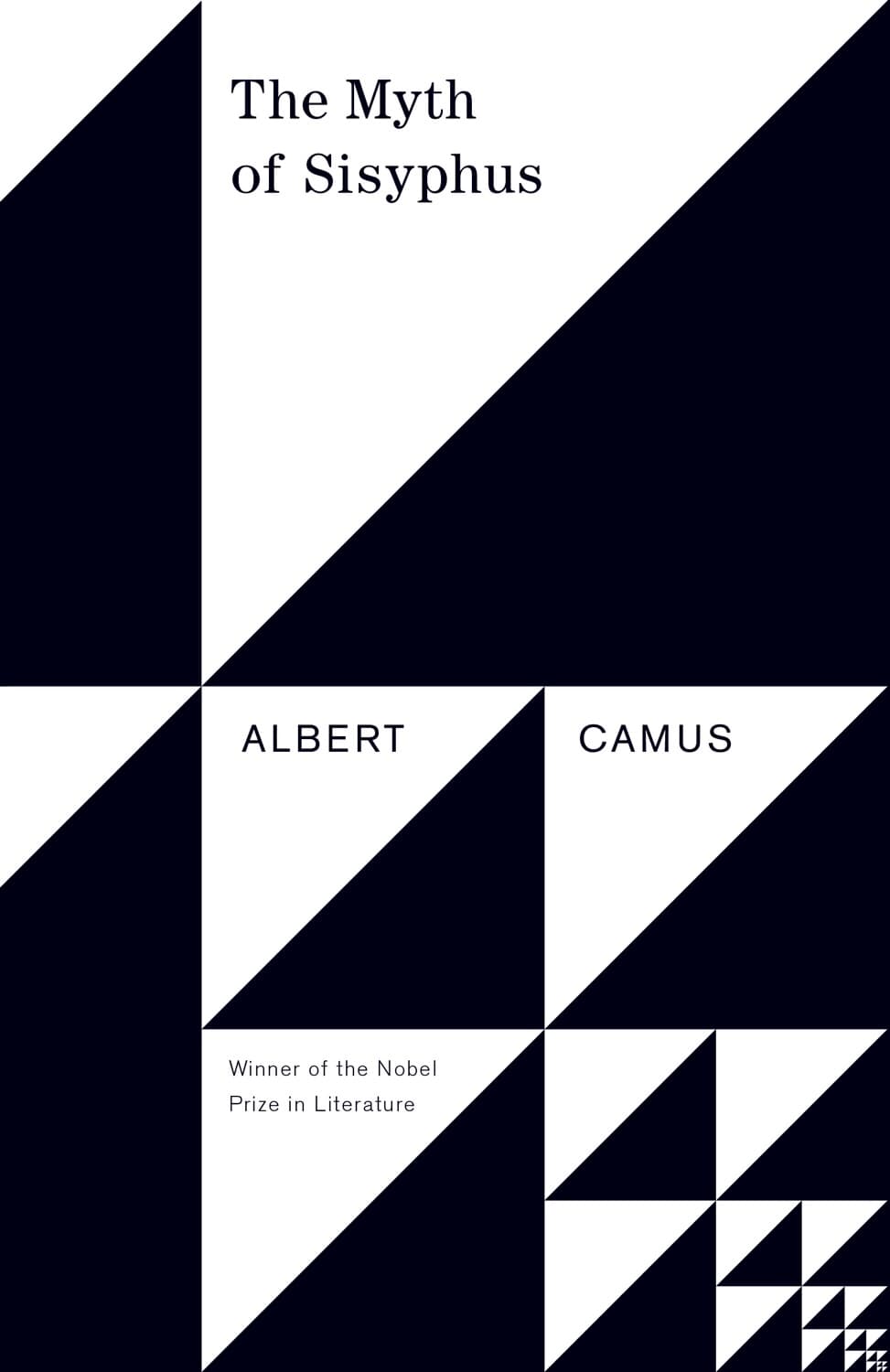
The Myth of Sisyphus and Other Essays
Albert Camus
Camus replaces “finding meaning” with a braver claim: you can live without ultimate answers and still stay awake.
Absurd life calls for revolt, not resignation.
These essays press the absurd into clarity, then explore what “revolt” and creative honesty look like when the universe will not justify your hope. If you are drawn to existentialism’s emotional edge, Camus offers a way to respond without surrendering your intensity.
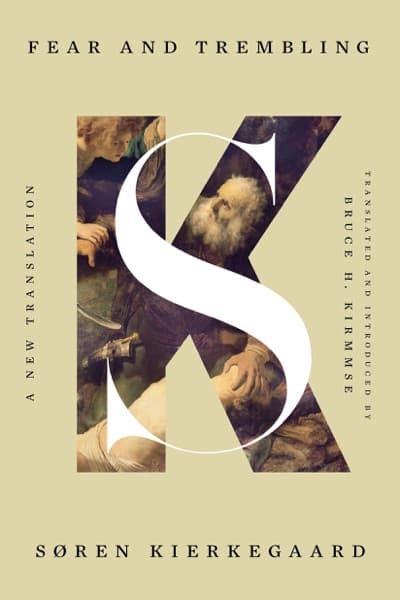
Fear and trembling
Søren Kierkegaard
Kierkegaard makes faith feel less like belief and more like a terrifying leap taken under inward constraint.
Subjectivity is truth’s arena.
Rather than treating existential anxiety as abstract, Kierkegaard grounds it in choice, risk, and the tension between ethical rules and personal commitment. That matters if you want existentialism to sharpen into an experience: how fear and responsibility can coexist.
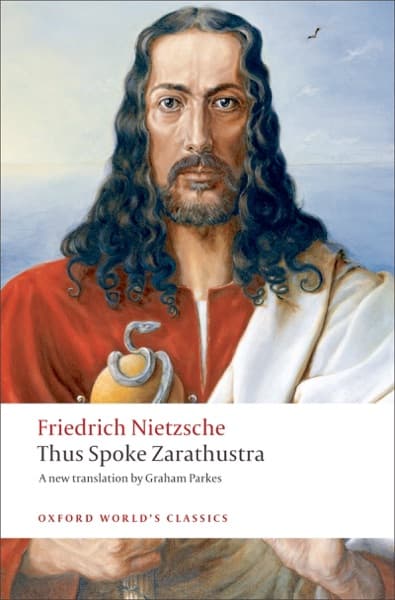
Thus Spoke Zarathustra
Friedrich Nietzsche
Nietzsche’s work changes the goal: stop asking for permission from old values and start forging them.
Become who you are by overcoming yourself.
This is existentialism’s precursor energy in mythic form: self-overcoming, the revaluation of meaning, and the demand to create rather than inherit. If you want a more radical, identity-transforming angle, Nietzsche gives you the pressure to become author of your own standards.
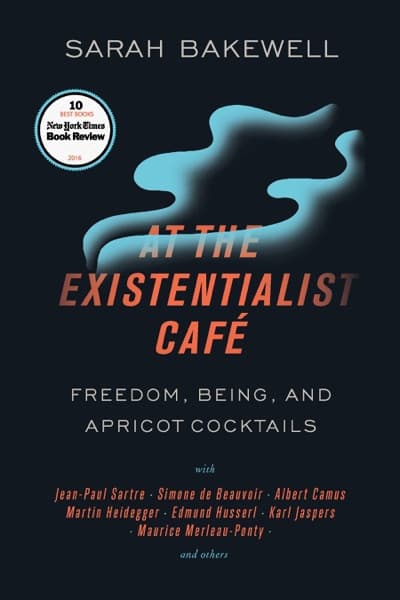
At the Existentialist Café
Sarah Bakewell
After the last page, the big names of existentialism feel like people arguing in real time, not distant doctrines.
Existentialism is a conversation, not a single system.
Bakewell maps the movement through stories and context, helping the ideas land without turning them into a dry syllabus. It fits if existentialism feels intimidating and you want an accessible on-ramp to the questions Sartre, Camus, and Kierkegaard wrestle with at full intensity.
Can we tailor this list for you?
Type your question in the bar below and the AI will tailor a fresh set of picks just for you.