Best Books Similar to The Man Who Solved the Market
Renaissance-style quant thinking, from Jim Simons to the broader math-and-trading ecosystem: Scott Patterson’s The Quants and Thorp’s A man for all markets share the same obsession with repeatable signals and disciplined research.
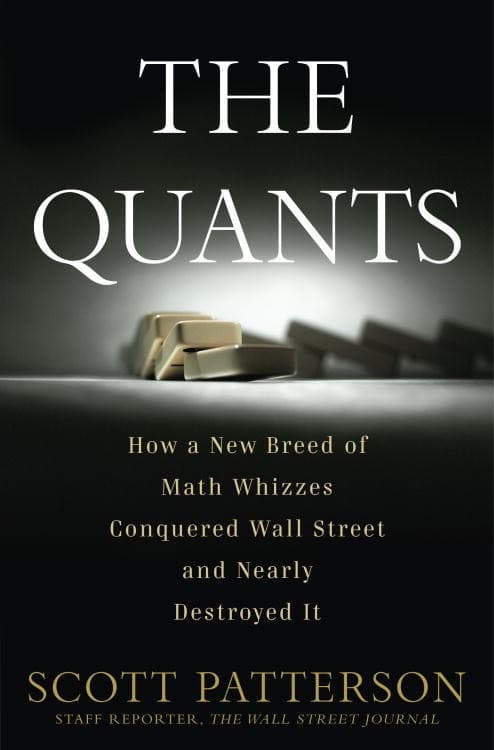
The Quants
Scott Patterson
After finishing The Quants, “quants” stops meaning a type of person and starts meaning a research workflow that turns data into bets under pressure.
Markets reward process: research beats prediction bravado
Patterson builds a vivid culture around quant firms and how strategies survive scrutiny. It matches the Renaissance vibe by spotlighting the institutional habits behind model-driven investing rather than mystique.
More Money Than God
Sebastian Mallaby
More Money Than God shows hedge funds evolving from clever odds to large-scale hypothesis engines, where governance and risk discipline decide what lives.
Risk control and incentives shape outcomes as much as models
Mallaby’s history places quant investing inside the rise of the modern hedge-fund machine. That context helps you see why Renaissance-style work is as much about institutions and incentives as it is about math.
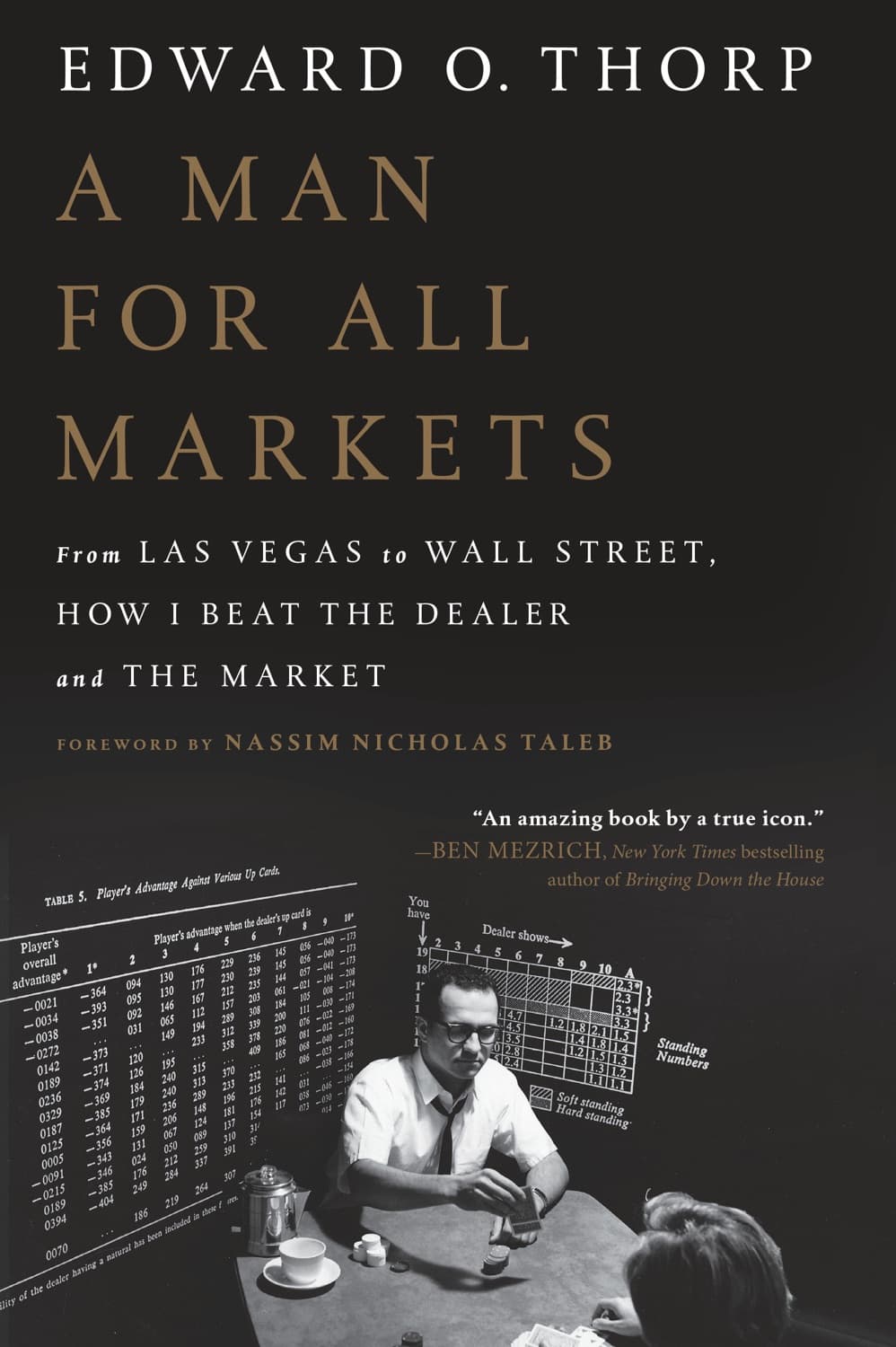
A man for all markets
Edward O. Thorp
A man for all markets replaces “genius trader” with a concrete toolkit: measure reality, find a mispricing, then scale with rules.
Build strategy from uncertainty, not certainty
Thorp’s memoir reads like applied research philosophy, bridging probability, strategy building, and the practical limits of models. For a Jim Simons fan, it’s a foundational precursor that explains how this kind of investing thinks before it trades.
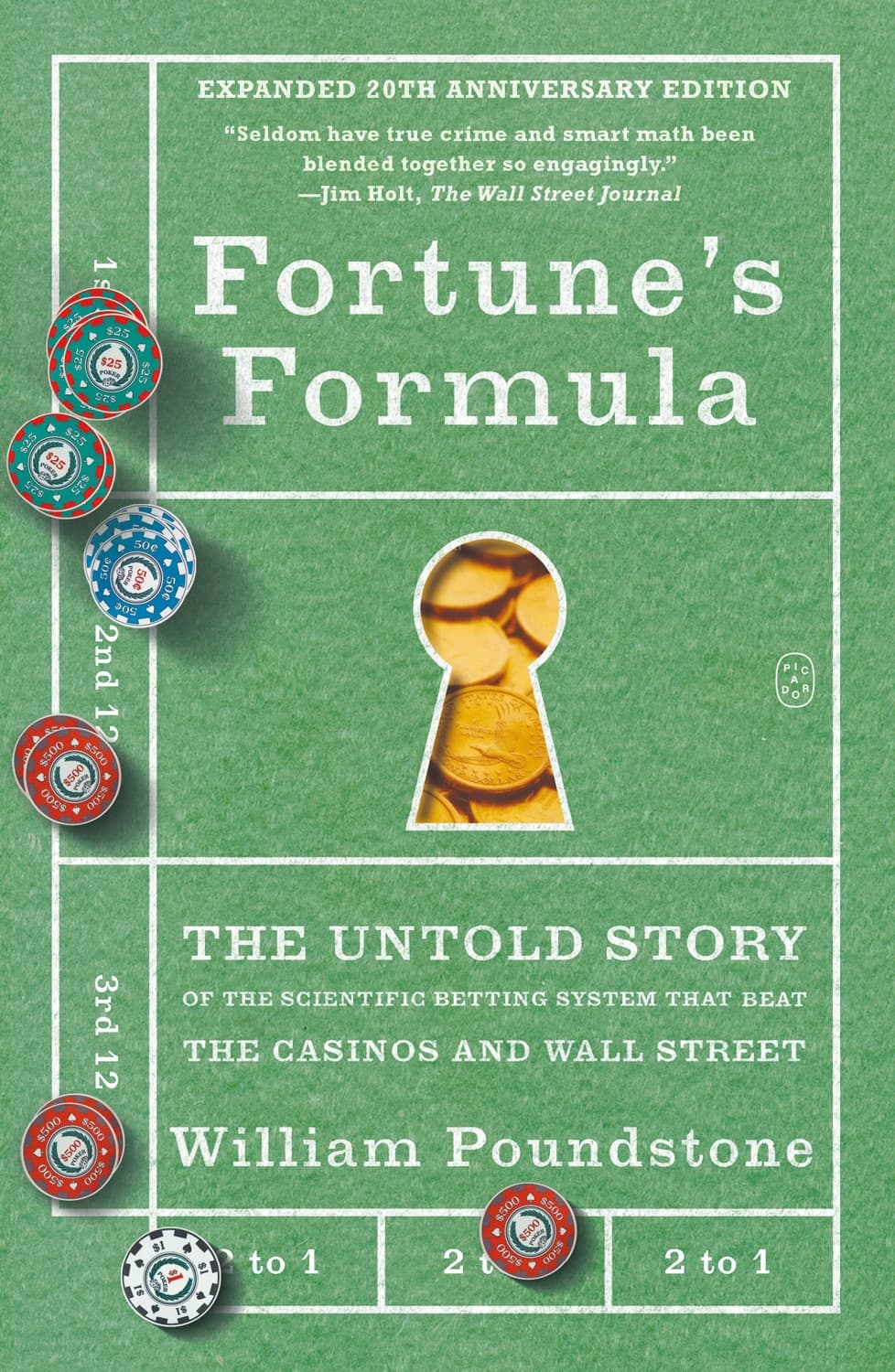
Fortune's Formula
William Poundstone
Fortune's Formula turns winning at betting into a rigorous study of probability, credibility, and when numbers lie.
Probability without calibration becomes story-telling
Poundstone traces the origin ideas behind mathematical betting and modern quant finance in a way that’s easy to carry into trading research. It helps you sharpen the “why does this work” mindset that Renaissance-style practitioners rely on.
Finding Alphas
Igor Tulchinsky
Finding Alphas makes systematic investing feel like an operator’s job: identify, model, test, and operationalize what survives noise.
Alpha is what remains after rigorous testing
Tulchinsky brings a practitioner lens from systematic investing leadership, focusing on what needs to be true for signals to hold up. That maps well to Renaissance-style research culture where robustness matters more than cleverness.
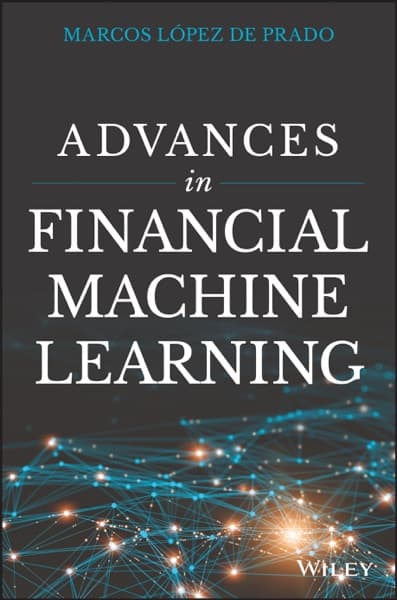
Advances in Financial Machine Learning
Marcos Lopez de Prado
After Advances in Financial Machine Learning, “backtest results” becomes a hypothesis you must stress-test, not a verdict you celebrate.
Overfitting is the default risk of data mining
Lopez de Prado is deeply focused on the failure modes that plague quant research, including leakage and overfitting. For a Jim Simons or Renaissance reader, it strengthens the scientific discipline behind systematic signal discovery.
Can we tailor this list for you?
Type your question in the bar below and the AI will tailor a fresh set of picks just for you.