Best Books on How to Get Rich Fast
Getting rich is hard, and getting rich fast is harder still. Most overnight fortunes rest on years of invisible work or plain luck. This shelf skips the schemes and gathers the books that explain how real wealth actually compounds: through ownership, leverage, and businesses that scale faster than any salary can.
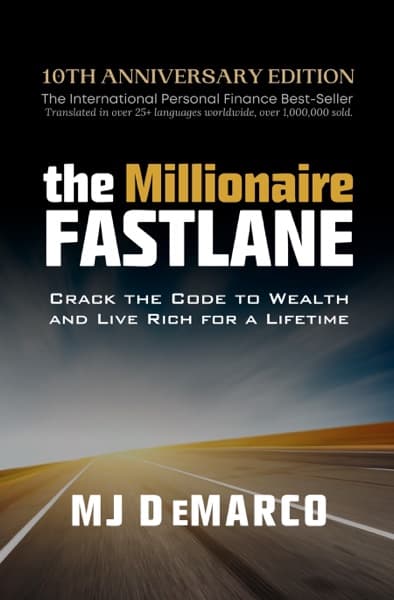
The Millionaire Fastlane
MJ DeMarco
The case against getting rich slowly, from someone who did it fast.
His five commandments (need, entry, control, scale, time) are a checklist for whether a venture can actually make you rich or just buy you another job.
DeMarco attacks the save-for-forty-years playbook and argues that real speed comes from building a business that serves millions, controlling its price, and owning the asset rather than trading hours for a paycheck.
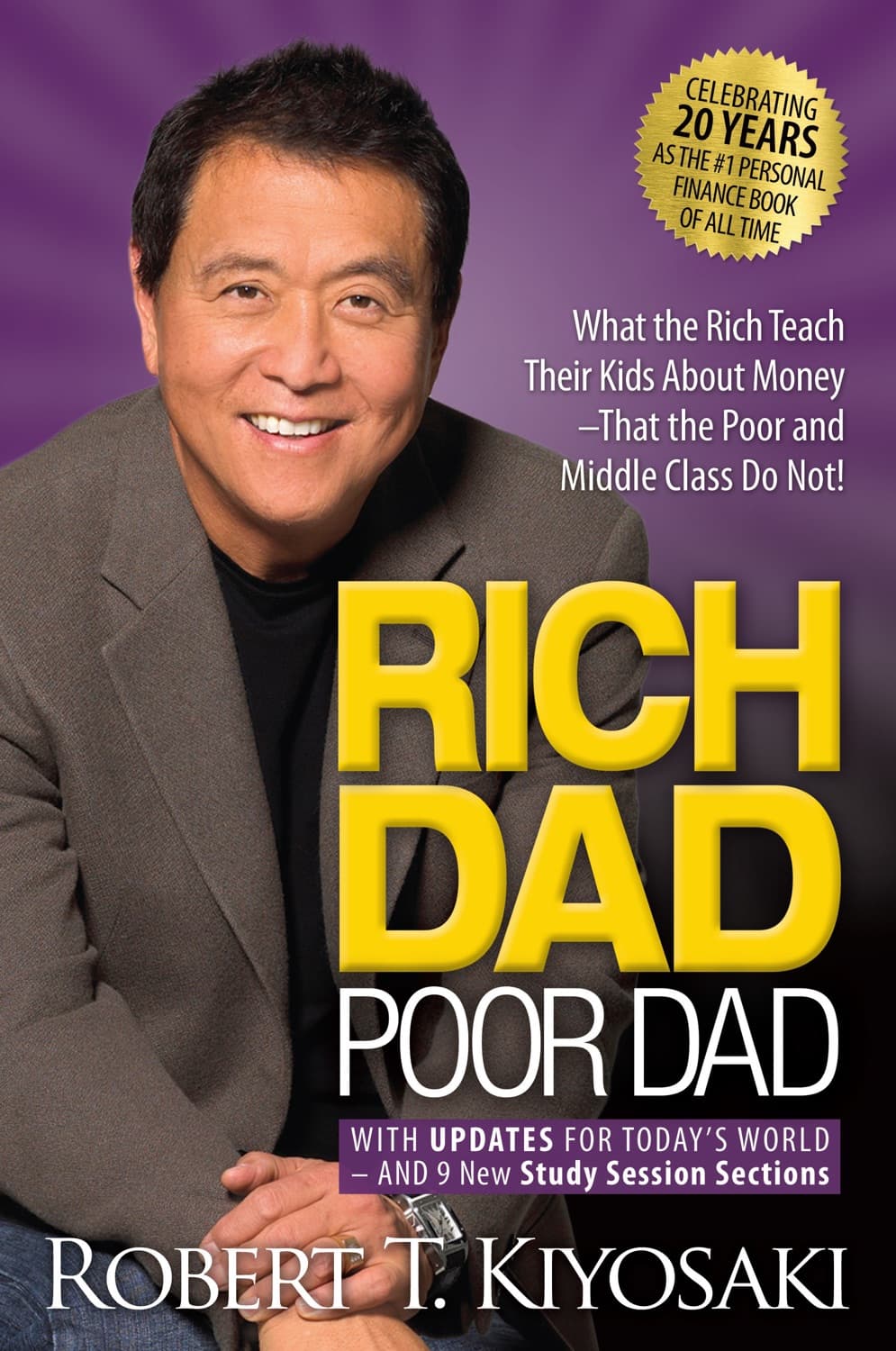
Rich Dad Poor Dad - What the Rich Teach Their Kids About Money
Robert T. Kiyosaki
The book that taught a generation to buy assets, not liabilities.
The distinction that sticks: an asset puts money in your pocket, a liability takes it out, and most people spend their lives buying liabilities they mistake for assets.
Kiyosaki contrasts his two father figures to reframe wealth as cash-flowing assets you acquire, arguing that a salary and a mortgage quietly trap you while rental property, businesses, and dividends pay you instead.
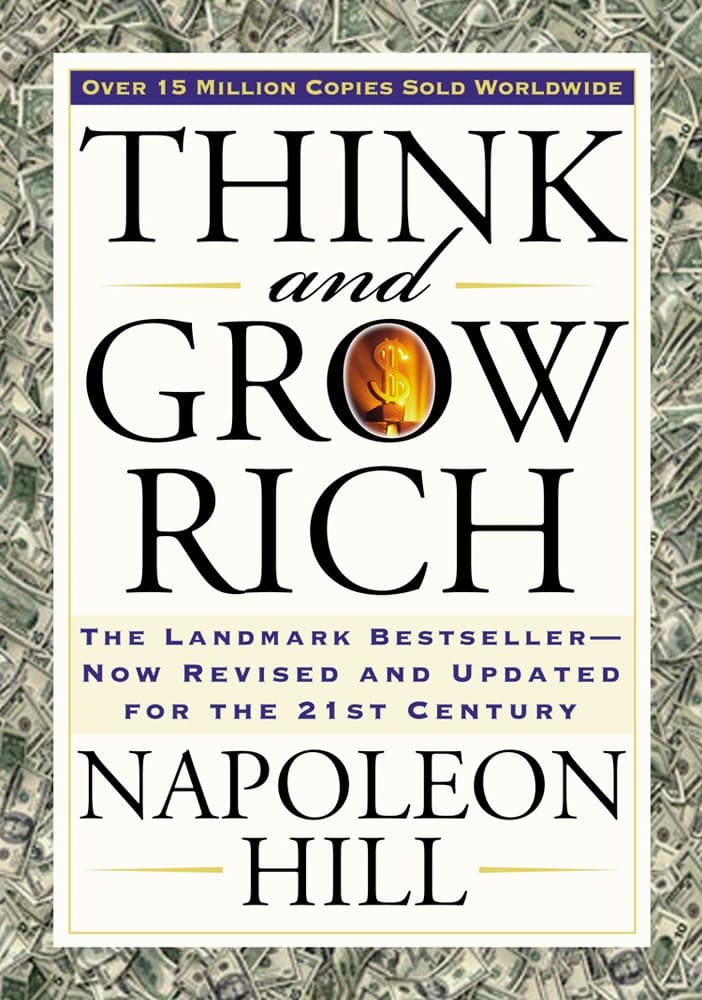
Think and Grow Rich
Napoleon Hill
The original wealth manifesto, distilled from Andrew Carnegie's circle.
Definiteness of purpose means naming the exact sum you want and the date you want it by, then reverse-engineering the plan, not merely wishing to be rich.
Hill studied hundreds of self-made industrialists and argued that riches begin with a burning definite aim, organized planning, and persistence, the mental scaffolding behind almost every get-rich book written since.
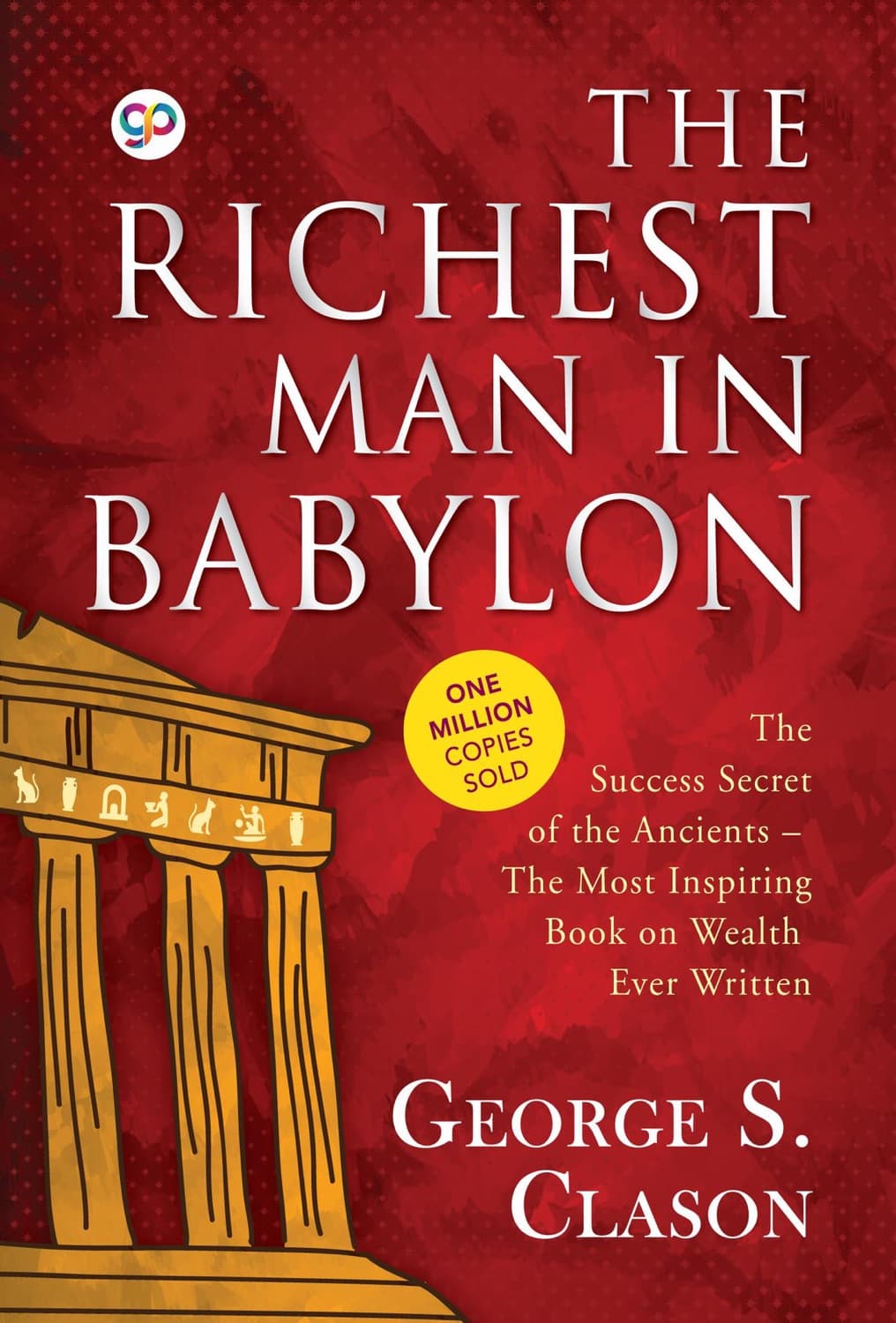
The Richest Man in Babylon
George S. Clason
Ancient parables that make the mechanics of wealth impossible to forget.
Keep at least a tenth of everything you earn before anyone else touches it, and let those savings breed more savings.
Clason wraps timeless rules in Babylonian stories, showing how paying yourself first, controlling expenses, and putting gold to work through investment turn a modest income into a steadily growing fortune.
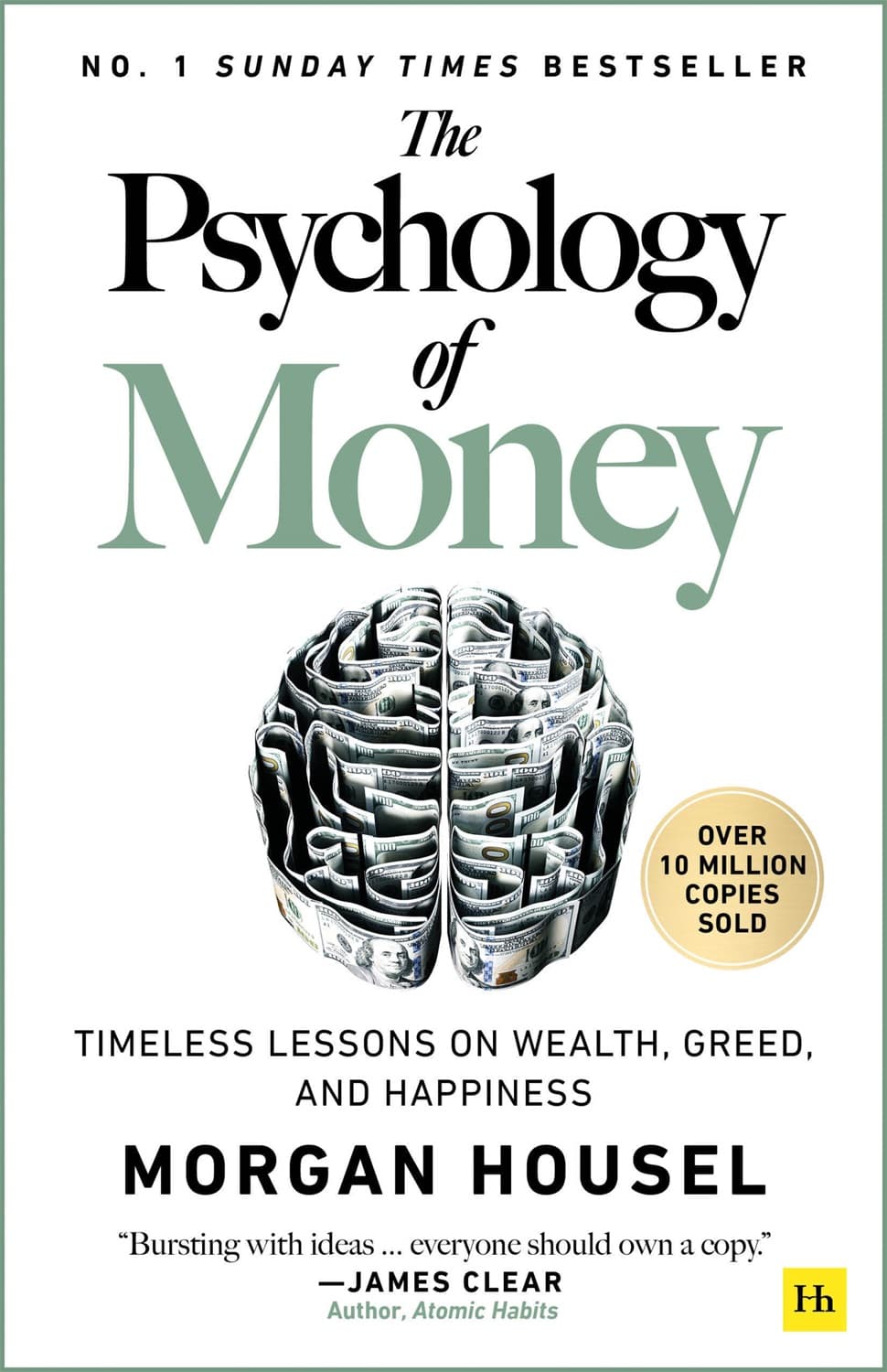
The Psychology of Money
Morgan Housel
Why staying rich is a completely different skill from getting rich.
Getting money and keeping money are opposite skills: one takes optimism and risk, the other takes humility and the fear of giving it all back.
Housel uses short essays to show that wealth is mostly what you choose not to spend, that compounding rewards patience over brilliance, and that many fortunes are destroyed by people who could not stop taking risk after they had already won.
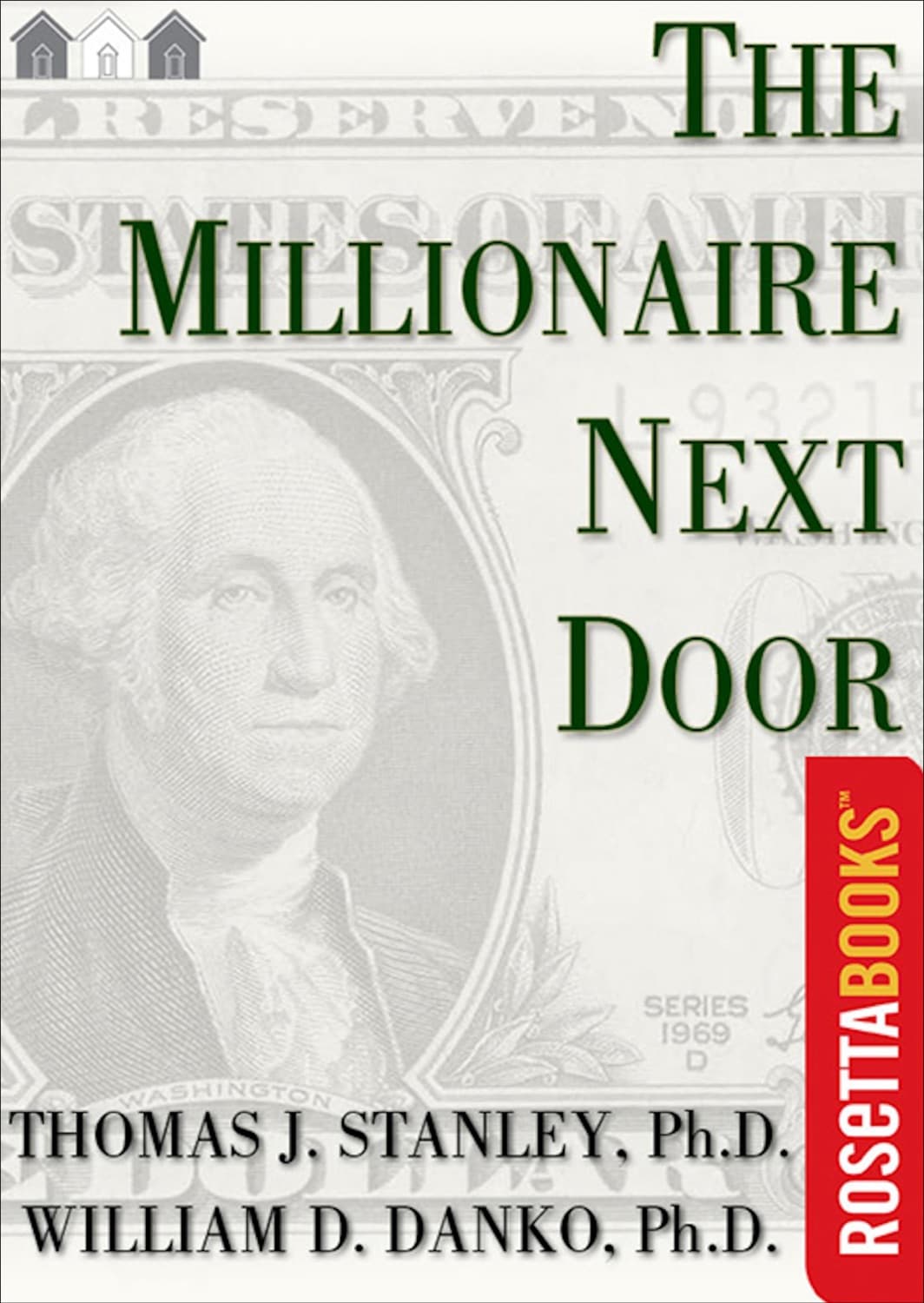
The Millionaire Next Door
Thomas J. Stanley
The research that debunks what a rich person actually looks like.
Most millionaires are first-generation and frugal, while the flashy lifestyle you envy is often financed and one downturn away from collapse.
Stanley and Danko surveyed America's real millionaires and found most drive used cars and live below their means, proving that visible luxury usually signals debt rather than the fast wealth outsiders imagine.
The distinction that sticks: an asset puts money in your pocket, a liability takes it out, and most people spend their lives buying liabilities they mistake for assets.
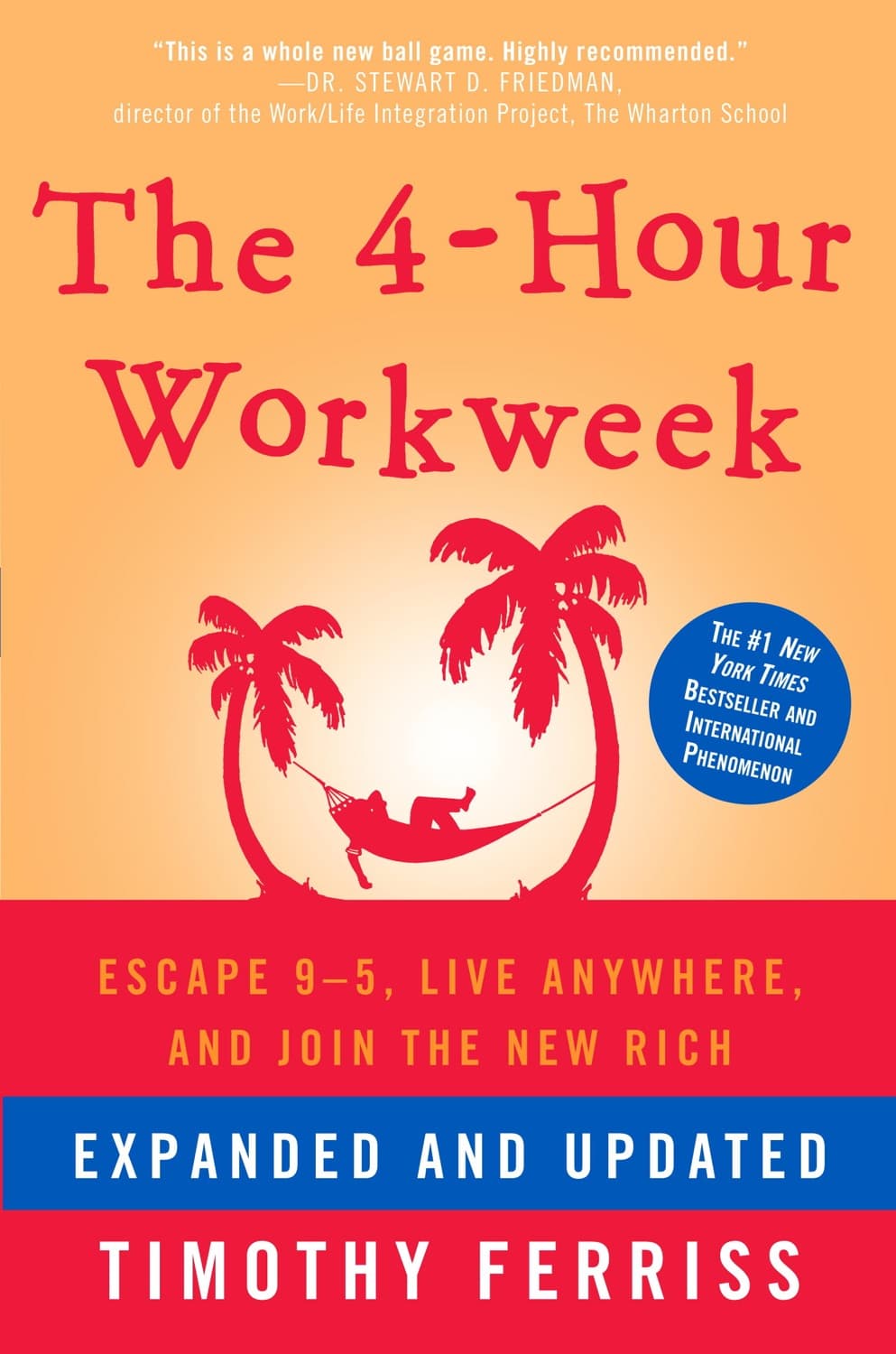
The 4-Hour Work Week
Tim Ferriss
How to engineer income that does not depend on showing up.
Chase freedom of time and location, not just a bigger salary, because a small automated business can out-earn a raise while demanding a fraction of the hours.
Ferriss shows how to build automated muse businesses, outsource the busywork, and design cash flow that arrives whether or not you clock in, collapsing the decades most people wait before they enjoy their money.
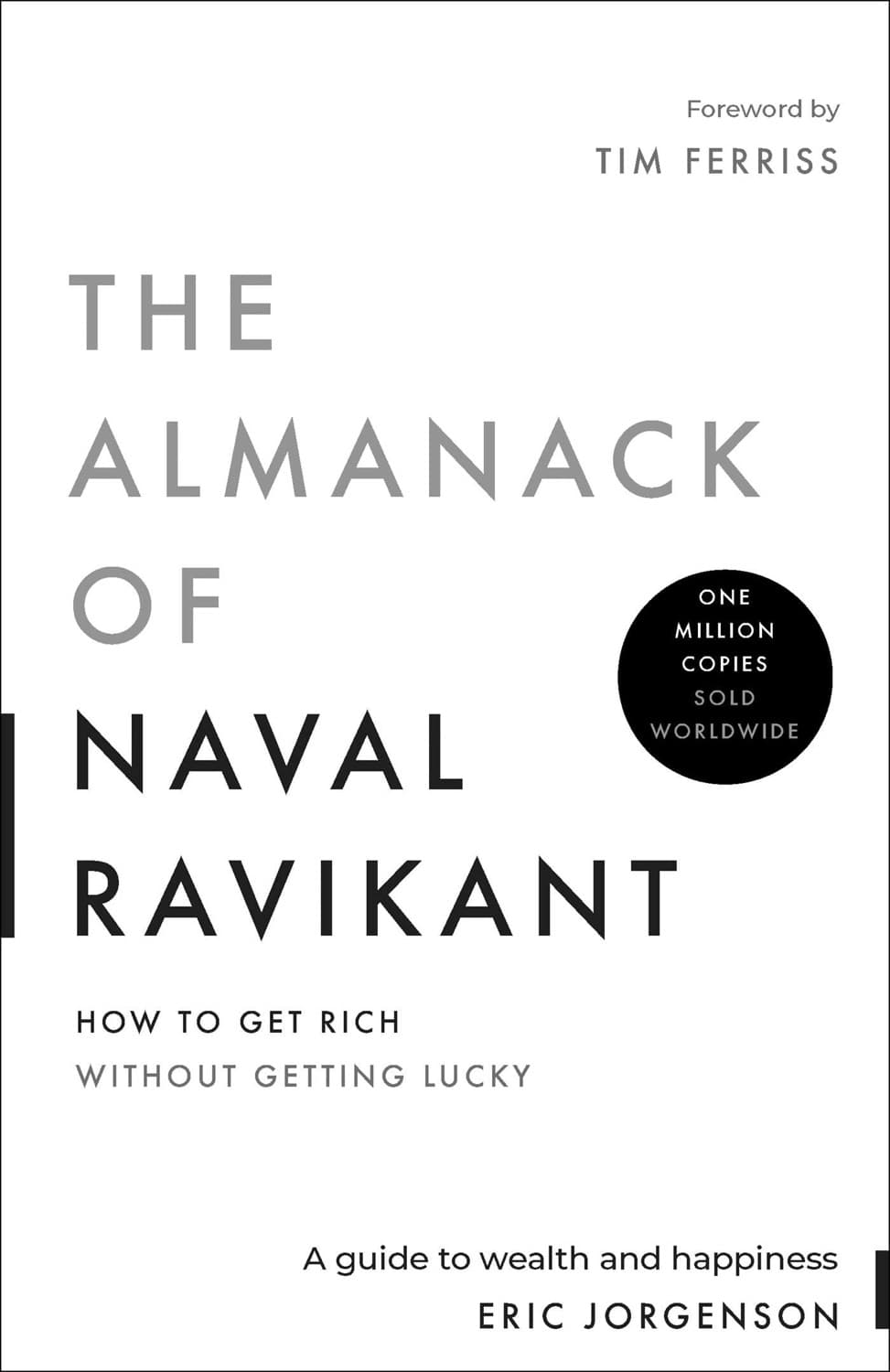
The Almanack of Naval Ravikant
Eric Jorgenson
Wealth through leverage, from tech's most quoted investor.
Seek wealth, not money or status: wealth is assets that earn while you sleep, and the fastest kind is leverage that costs nothing to copy.
Jorgenson organizes Naval Ravikant's writing into a theory of getting rich without luck: build specific knowledge, take equity instead of wages, and use code and media as labor that keeps working while you sleep.
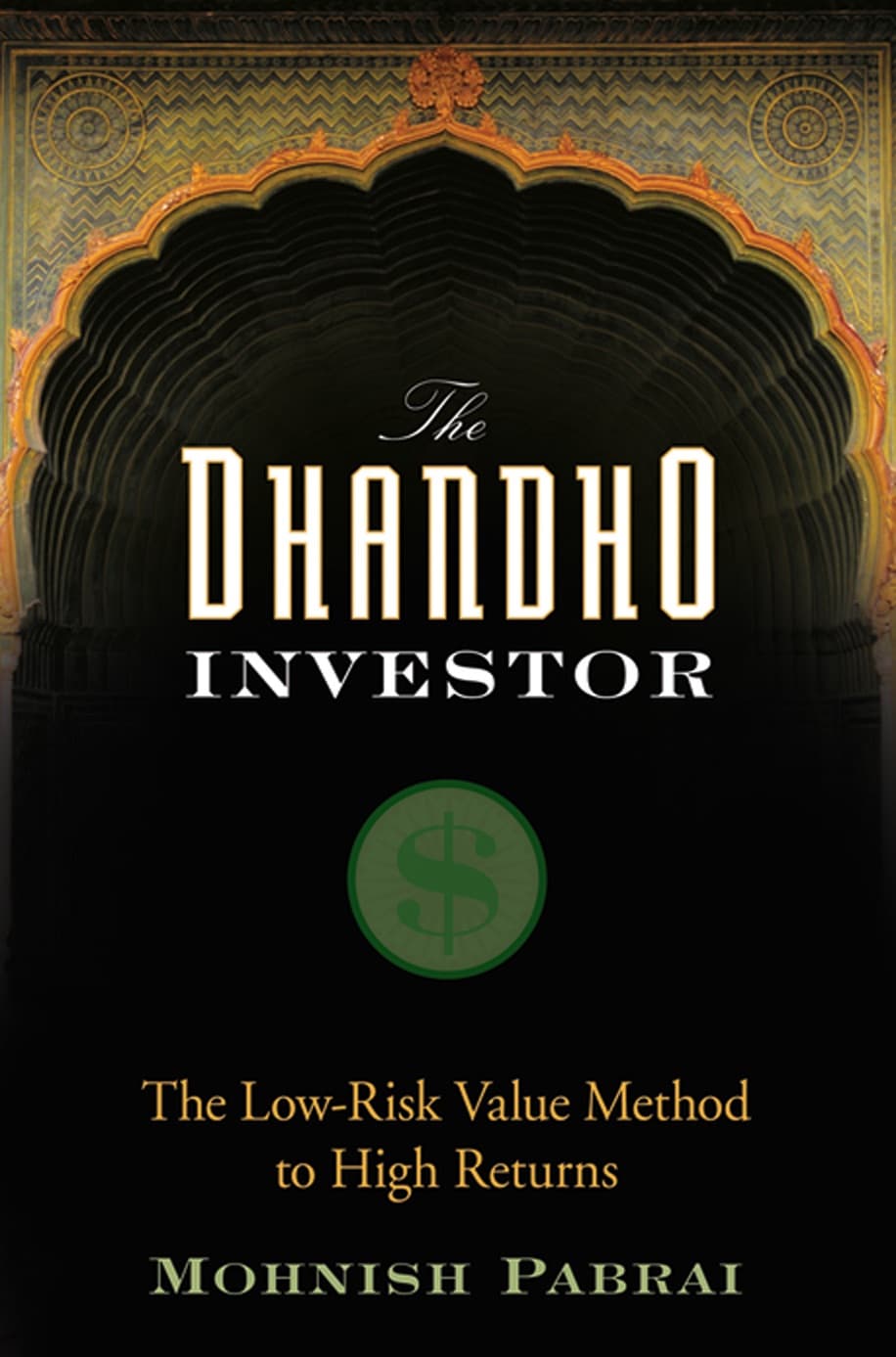
The Dhandho Investor
Mohnish Pabrai
Heads I win, tails I do not lose much.
Look for situations with minimal downside and enormous upside, since a few well-sized asymmetric bets build fortunes faster than steady average returns.
Pabrai adapts the low-risk, high-return playbook of Indian Patel motel owners into an investing framework, hunting for bets where the downside is capped but the upside can multiply the original stake several times over.
Can we tailor this list for you?
Type your question in the bar below and the AI will tailor a fresh set of picks just for you.