Best Books for Algorithmic Traders
Algorithmic trading turns a market view into code: signal, backtest, execution, and risk sizing. These nine books run from Larry Harris on how markets actually fill orders to Marcos Lopez de Prado on machine learning, with the statistical discipline that separates a real edge from an overfit backtest.
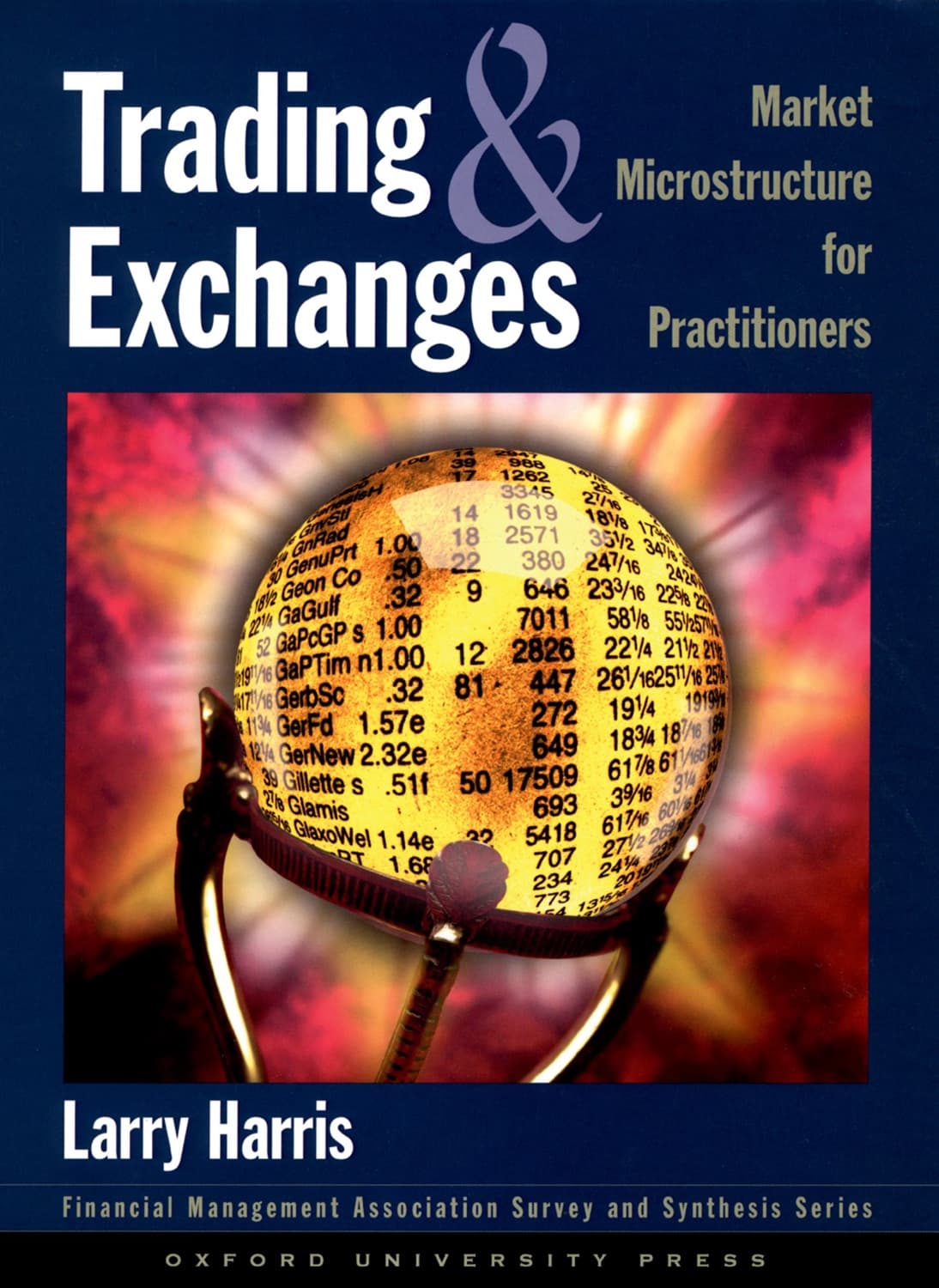
Trading and Exchanges
Larry Harris
The definitive account of how markets actually work under the hood.
Know who you are trading against, and why they will trade with you.
Larry Harris explains order types, liquidity, and the incentives of every player from market makers to informed traders, the ground truth any strategy runs on. Before you automate anything, you need to know who is on the other side of your fill and why. Best for traders who want to understand execution, not just signals.
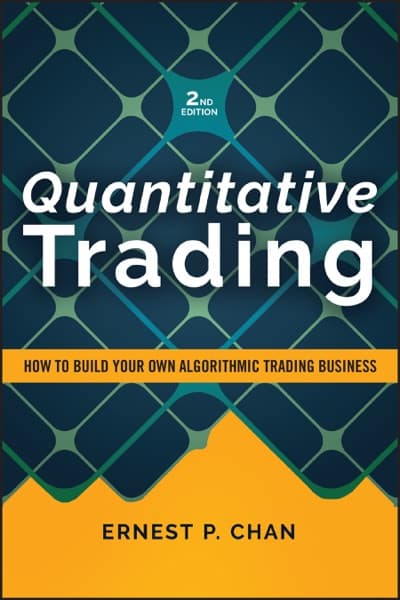
Quantitative Trading
Ernest P. Chan
The practical on-ramp to building your own systematic trading business.
A backtest is a hypothesis, not a promise.
Ernest Chan walks through sourcing a strategy idea, backtesting it honestly, and connecting it to a broker, the full loop for a retail quant. He is candid about survivorship bias, data-snooping, and the gap between a pretty equity curve and live money. Best for the reader taking a first strategy from spreadsheet to production.
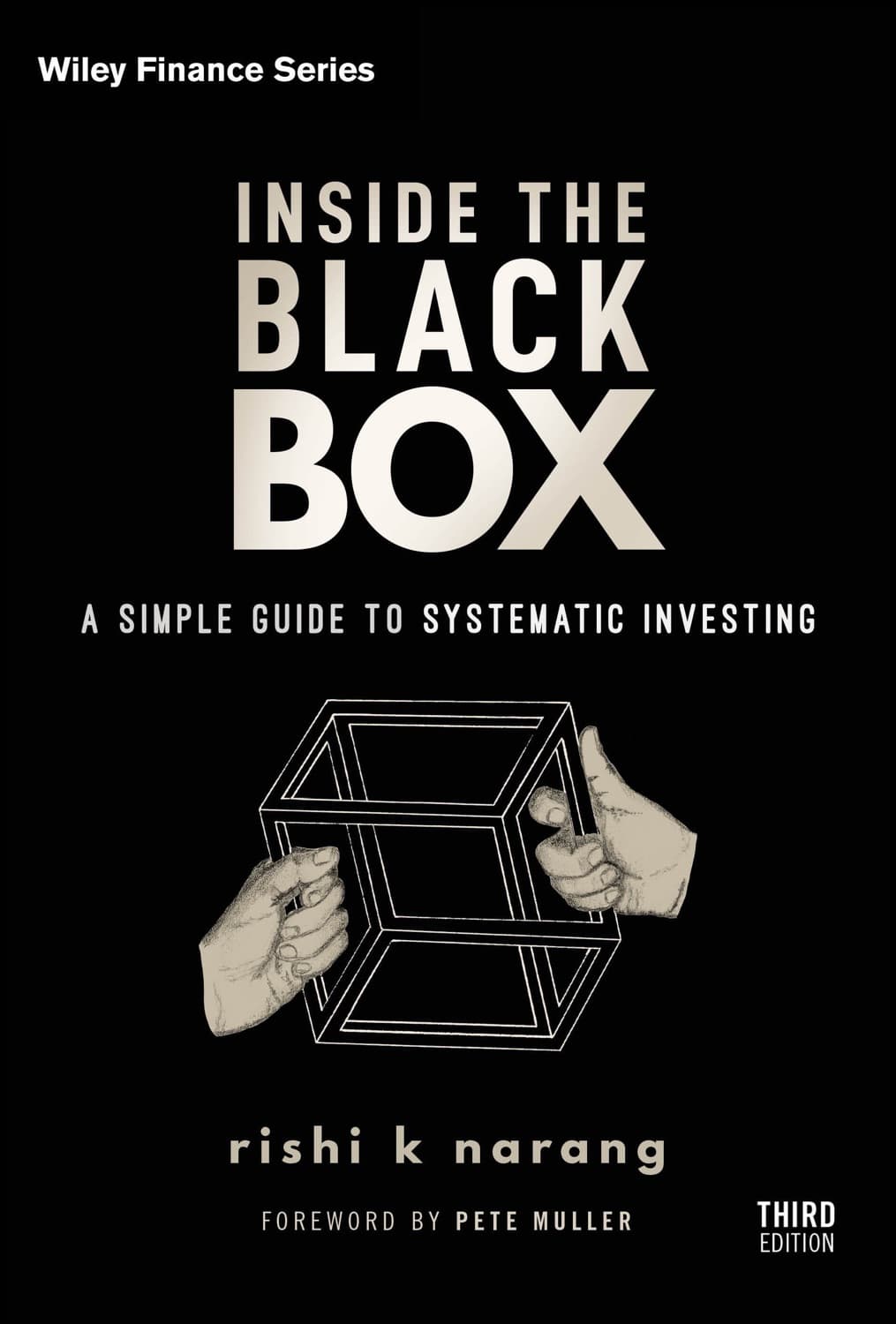
Inside the Black Box
Rishi K. Narang
A jargon-free map of how quant funds are actually built.
The alpha model gets the glory; the risk and cost models keep you solvent.
Rishi Narang breaks a quant strategy into its parts: alpha model, risk model, transaction-cost model, and portfolio construction, so the black box stops being a mystery. He shows why the risk and cost layers, not the flashy alpha, usually decide who survives. Best for anyone evaluating or building a systematic strategy end to end.
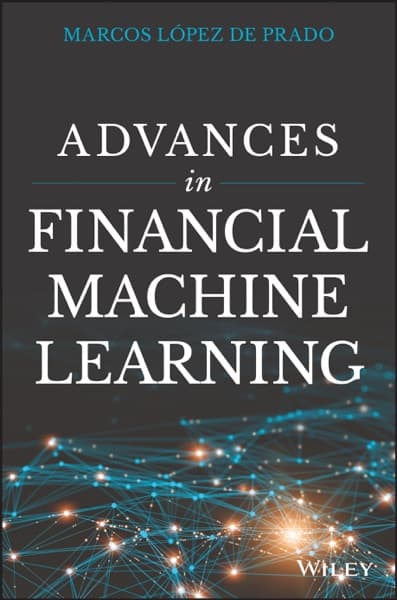
Advances in Financial Machine Learning
Marcos Lopez de Prado
The rigorous case for doing machine learning in markets without fooling yourself.
Most backtests fail live because the researcher quietly tested the same idea a hundred times.
Marcos Lopez de Prado attacks the way most people misapply machine learning to finance, replacing naive train-test splits with purged cross-validation, meta-labeling, and combinatorial backtests. It is dense and code-first, aimed at practitioners who have already been burned by overfit models. Best for quants ready to industrialize their research process.
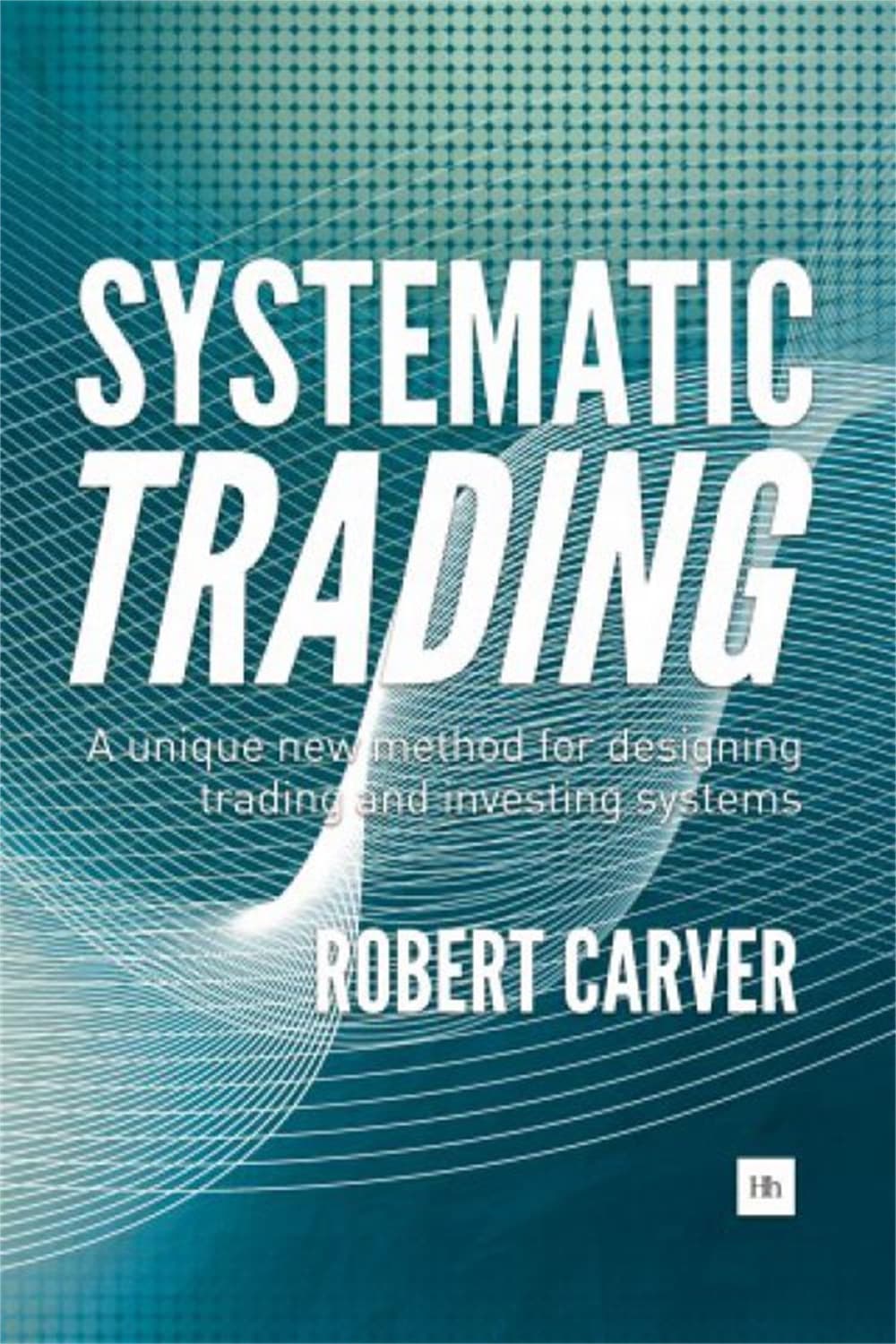
Systematic Trading
Robert Carver
A framework for designing rule-based systems you can actually stick to.
Fewer parameters and smaller bets beat a finely tuned curve.
Robert Carver, a former systematic fund manager, builds a complete approach to position sizing, diversification, and combining simple rules into a coherent portfolio. His emphasis on modest, robust bets over clever fragile ones is a corrective to backtest-chasing. Best for traders who want a durable process rather than a single magic signal.
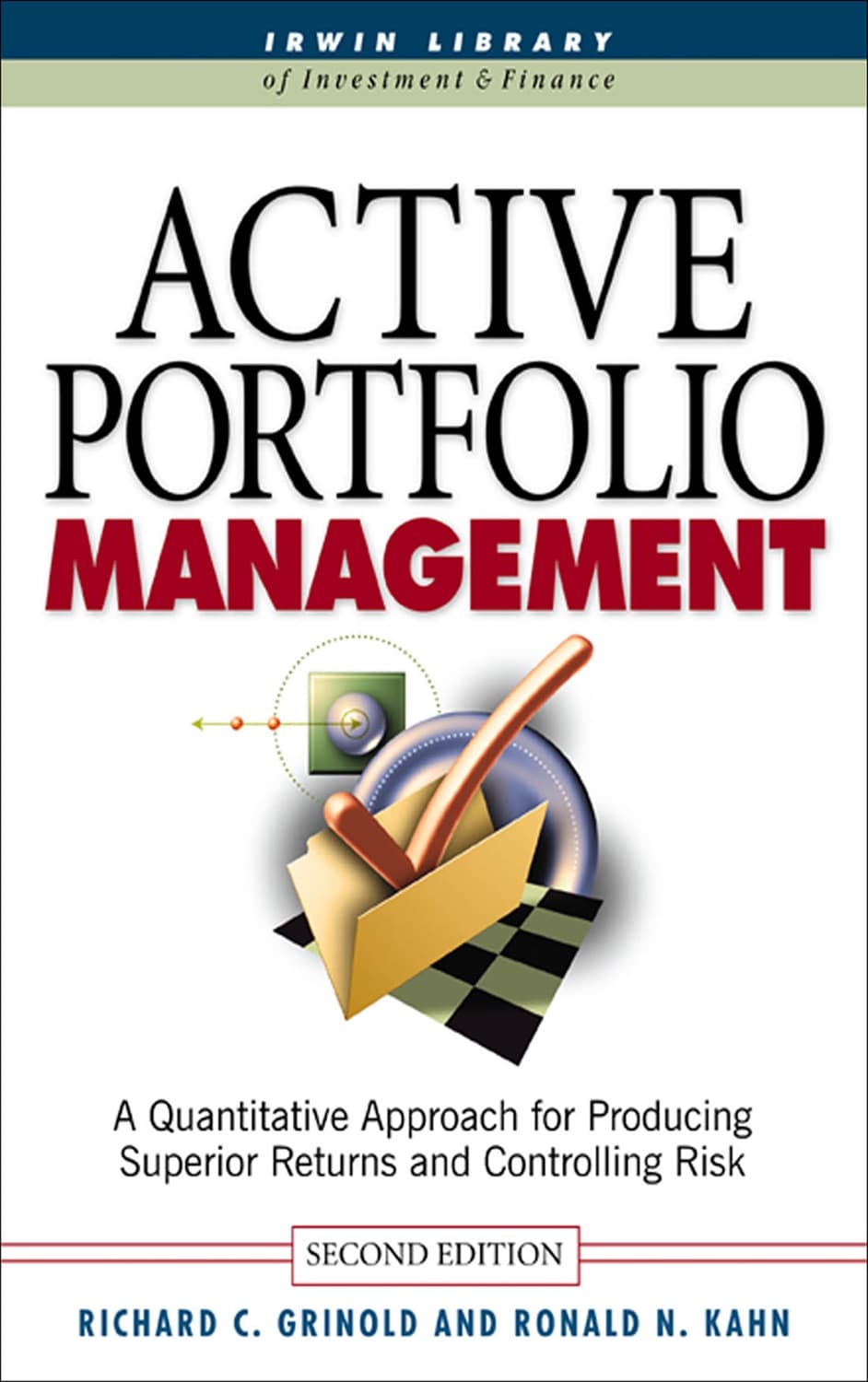
Active Portfolio Management: A Quantitative Approach for Producing Superior Returns and Selecting Superior Returns and Controlling Risk
Richard C. Grinold, Ronald N. Kahn
The quant bible for turning forecasts into optimally sized portfolios.
Your edge equals your skill times the square root of how often you use it.
Grinold and Kahn formalize how much a signal is worth through the information ratio and the fundamental law of active management, linking skill, breadth, and returns. It is the theoretical backbone under most institutional systematic investing. Best for readers who want the math connecting a raw forecast to a sized position.
A backtest is a hypothesis, not a promise.
Evidence-Based Technical Analysis
David Aronson
The book that puts trading rules through a real statistical wringer.
Test enough rules and randomness will hand you a winner that means nothing.
David Aronson applies hypothesis testing and Monte Carlo methods to technical rules, showing how data-mining bias manufactures edges that vanish out of sample. It is the antidote to every backtest that looked too good to be true. Best for the algo trader who wants to tell a genuine signal from statistical noise.
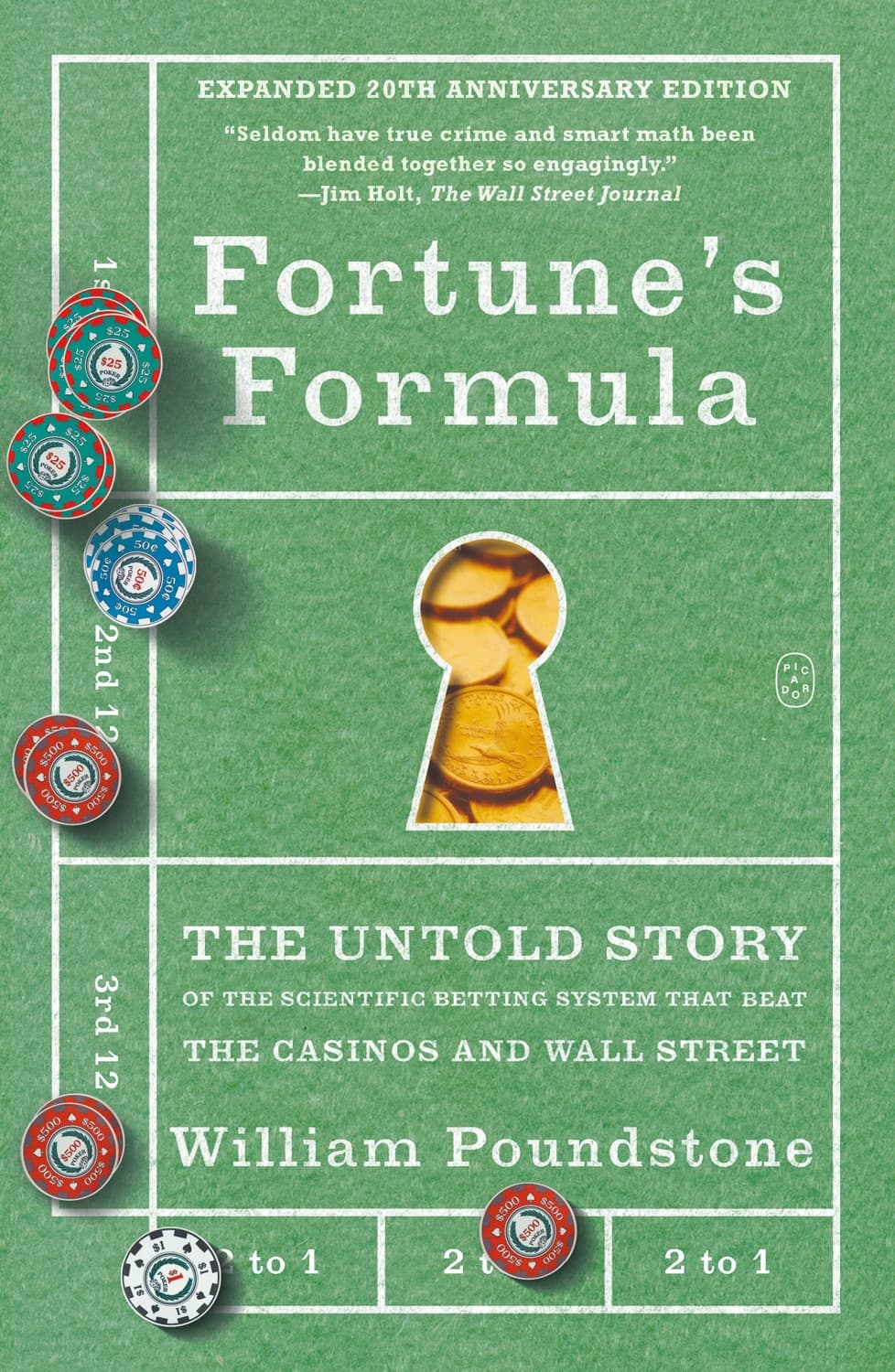
Fortune's Formula
William Poundstone
How information theory and a bet-sizing formula beat the casino and the market.
Getting the direction right means little if you size the bet wrong.
William Poundstone tells the story of the Kelly criterion through Claude Shannon, Ed Thorp, and the gamblers and quants who used it to size bets under uncertainty. It reframes trading as a question of how much to wager, not just what to buy. Best for anyone who has a signal but no disciplined way to bet it.
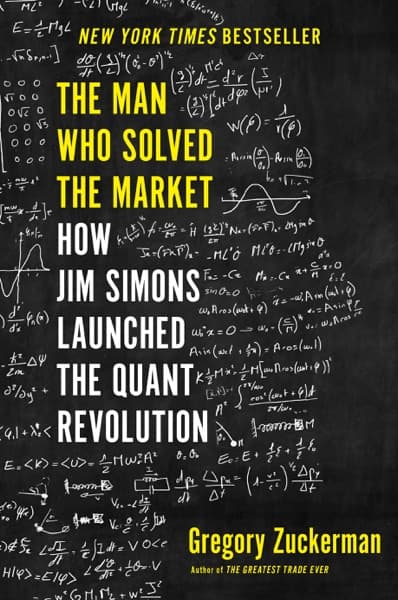
The Man Who Solved the Market
Gregory Zuckerman
The inside story of the most successful quant fund ever built.
The edge was never one signal; it was a culture of finding many small ones.
Gregory Zuckerman reconstructs how Jim Simons and Renaissance Technologies turned obscure mathematics into the Medallion fund's staggering returns. It shows what a true statistical edge, relentless data hygiene, and secrecy look like at the frontier. Best for readers who want the human story behind the machines that now move markets.
Can we tailor this list for you?
Type your question in the bar below and the AI will tailor a fresh set of picks just for you.