Best Books on Crypto Algorithmic Trading
Crypto algorithmic trading needs more than signals: it needs research discipline and market-aware execution. Ernie Chan’s Quantitative Trading and Marcos Lopez de Prado’s Advances in Financial Machine Learning align backtesting rigor with usable strategy design.
Quantitative Trading
Ernie Chan
Quantitative Trading turns strategy ideas into a measurable process: signals, rules, backtests, and execution constraints that prevent hand-wavy trading.
Backtests must include realistic costs and slippage.
It teaches the full workflow of systematic trading, not just indicators. That matters for crypto, where noisy data and brittle rules can look profitable until you stress the assumptions.
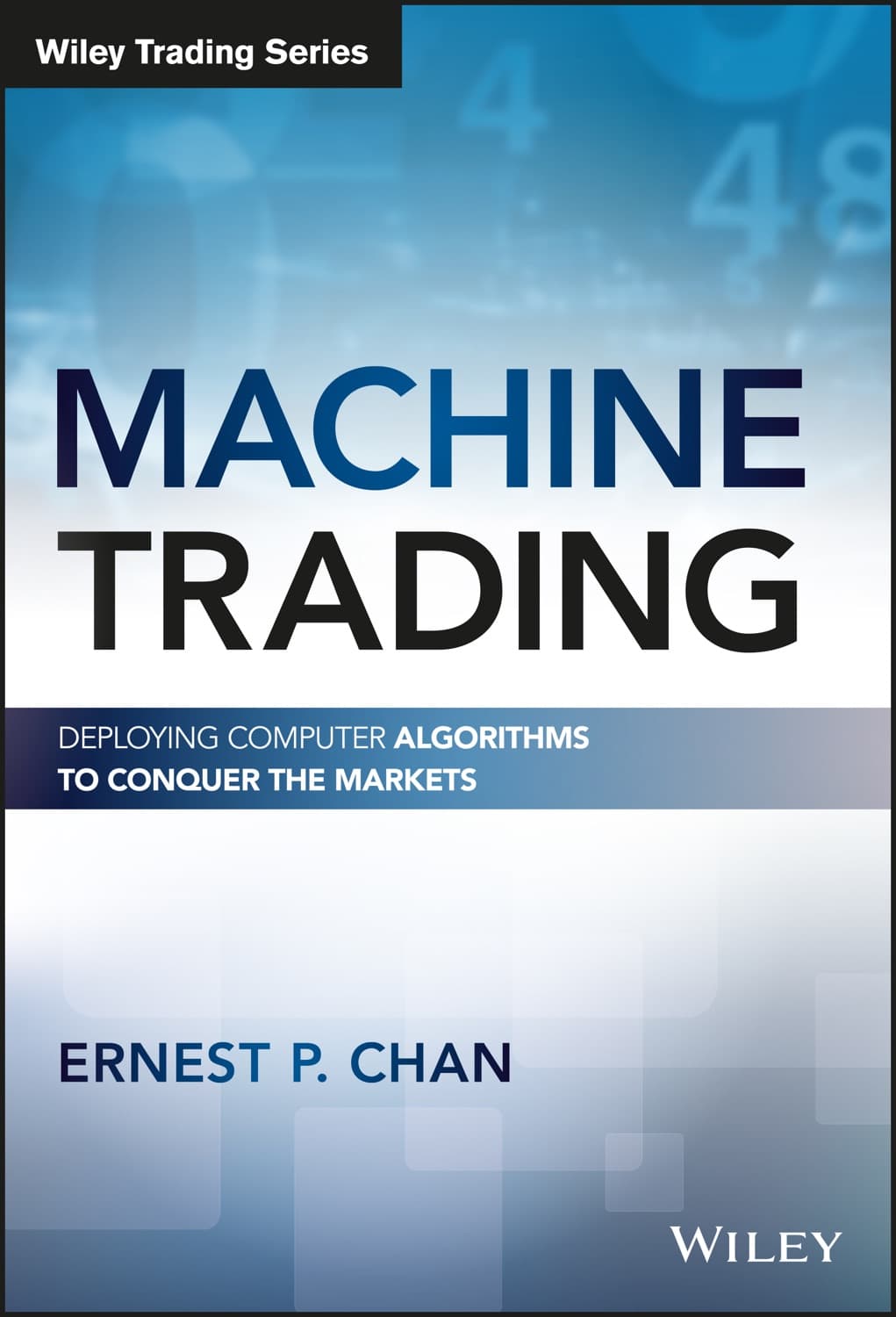
Machine Trading
Ernest P. Chan
Machine Trading pushes you to write trading models with an engineer’s skepticism: define the system, test it hard, and quantify what survives out of sample.
Separate research, validation, and testing periods.
You get a rigorous approach to turning models into rules, then evaluating them with discipline. For algorithmic crypto trading, the payoff is fewer “looks-good-in-a-notebook” strategies.
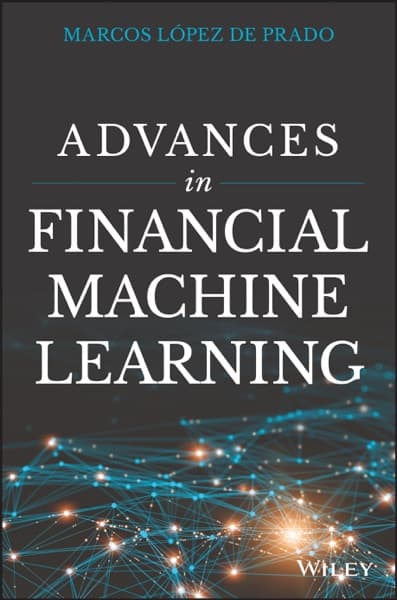
Advances in Financial Machine Learning
Marcos Lopez de Prado
Advances in Financial Machine Learning reframes backtesting as a statistical problem, making leakage, mis-specified labels, and overfitting easier to diagnose.
Use Purged K-Fold to stop information leakage.
It offers the modern toolkit for signal research and robust evaluation, centered on how time-series testing can fail. That lens is crucial when crypto backtests tempt you with patterns that cannot hold up.
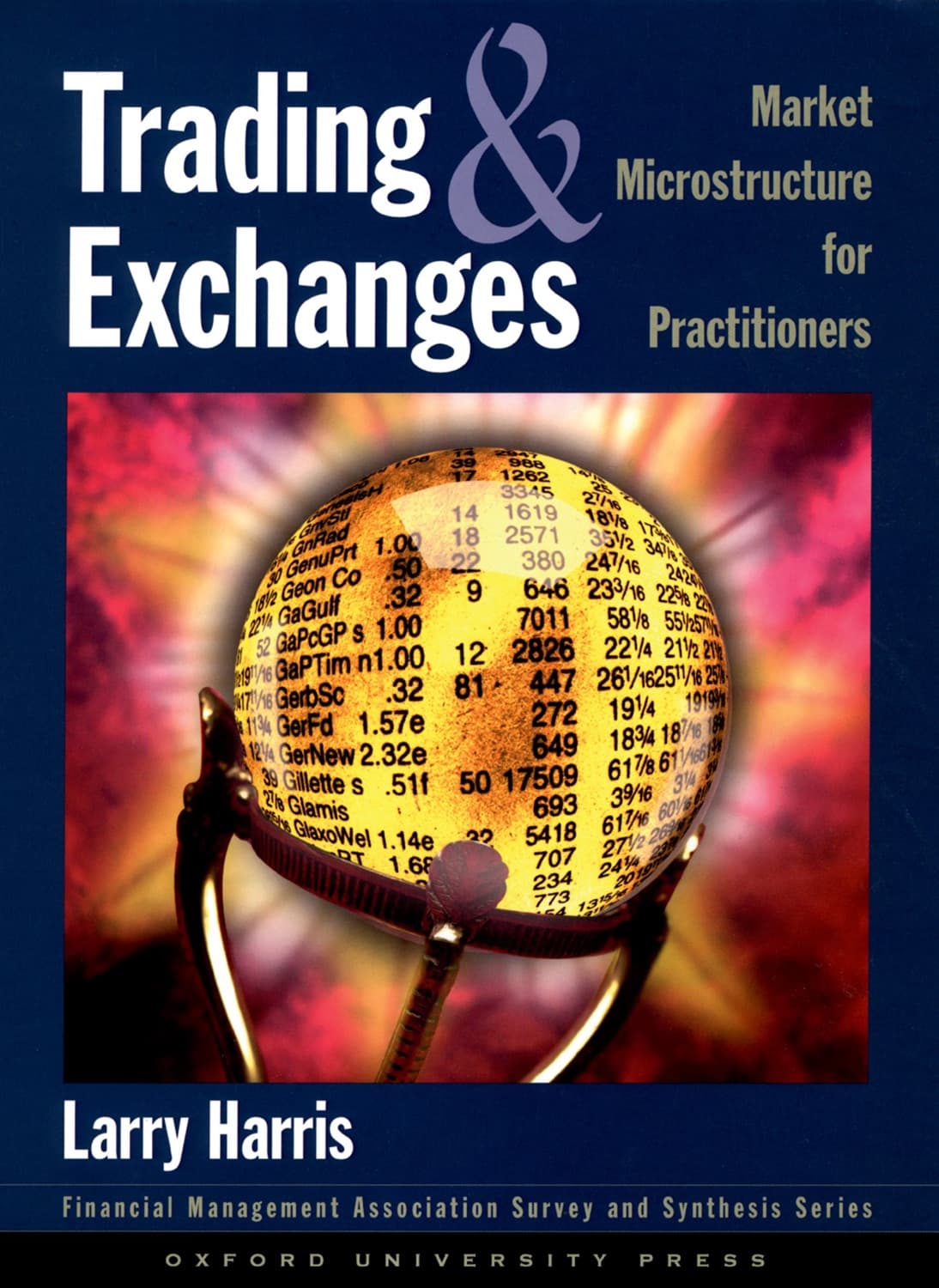
Trading and Exchanges
Larry Harris
Trading and Exchanges explains why markets move the way they do at the micro level, so your strategy stops ignoring liquidity, spreads, and execution frictions.
Market impact depends on trading urgency and order size.
Crypto execution is still constrained by order book behavior, liquidity, and transaction costs. This book grounds the “how trading actually happens” part that converts model returns into real performance.
Python for Algorithmic Trading
Yves Hilpisch
Python for Algorithmic Trading helps you connect data, modeling, and trading logic in one implementation path rather than treating backtests as spreadsheets.
Build reusable data pipelines for consistent experiments.
It’s a practical bridge from quantitative ideas to code you can actually run and iterate. For crypto algorithmic trading, that reduces the gap between research prototypes and repeatable systems.
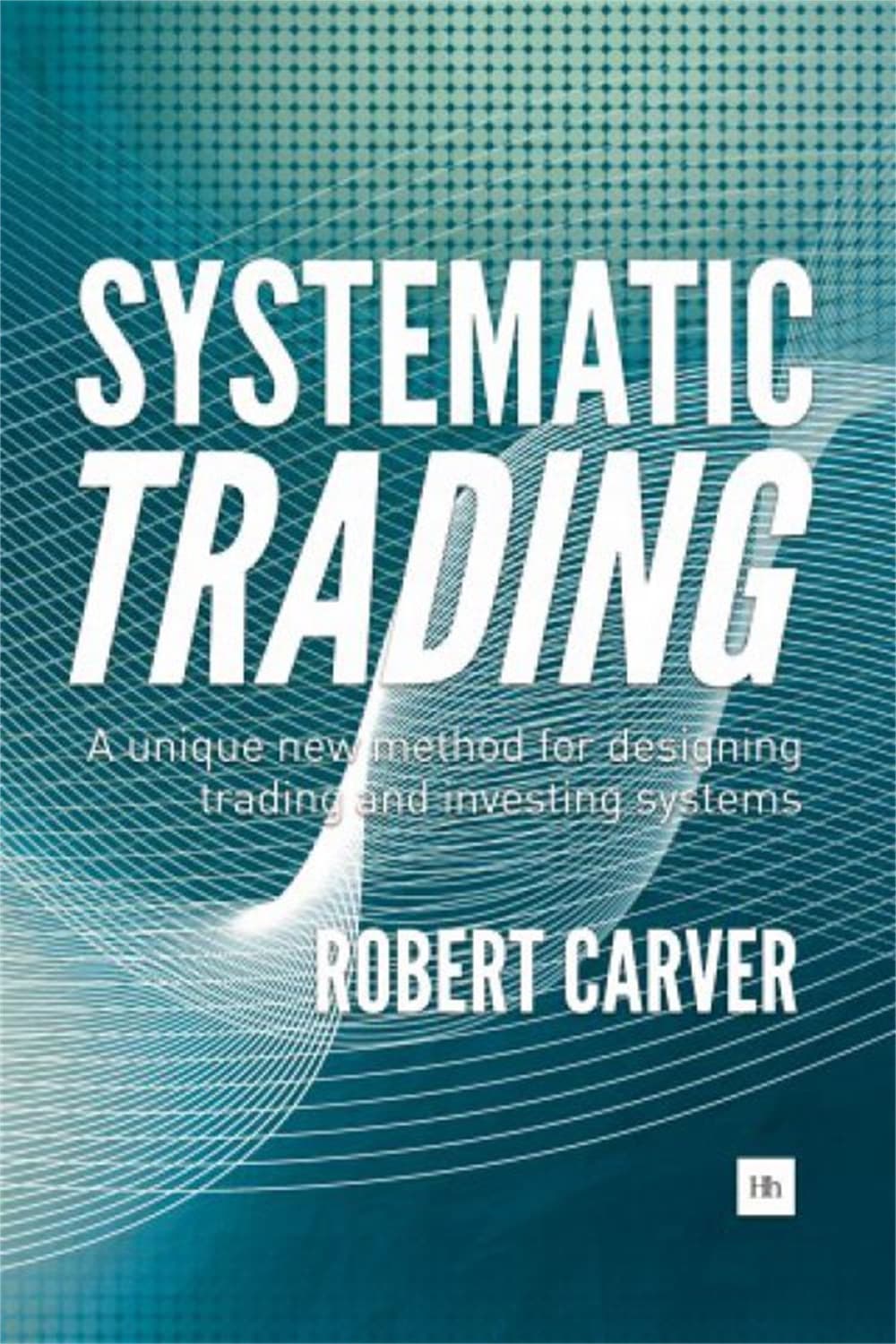
Systematic Trading
Robert Carver
Systematic Trading teaches risk and portfolio construction as first-class citizens, not an afterthought to signal research.
Risk sizing drives long-run stability.
Carver’s framework helps you size risk across strategies and manage the drawdown behavior you will inevitably face. In crypto, where volatility and regime shifts are common, that portfolio lens can matter more than any single signal.
Can we tailor this list for you?
Type your question in the bar below and the AI will tailor a fresh set of picks just for you.