Best Books on Macroeconomics
Macroeconomics is the study of the whole system: growth, inflation, unemployment, money, and the debts that tie them together. These books move from the founding arguments that still divide economists to clear-eyed accounts of crises, central banks, and long-run growth, so the daily headlines start to make sense.
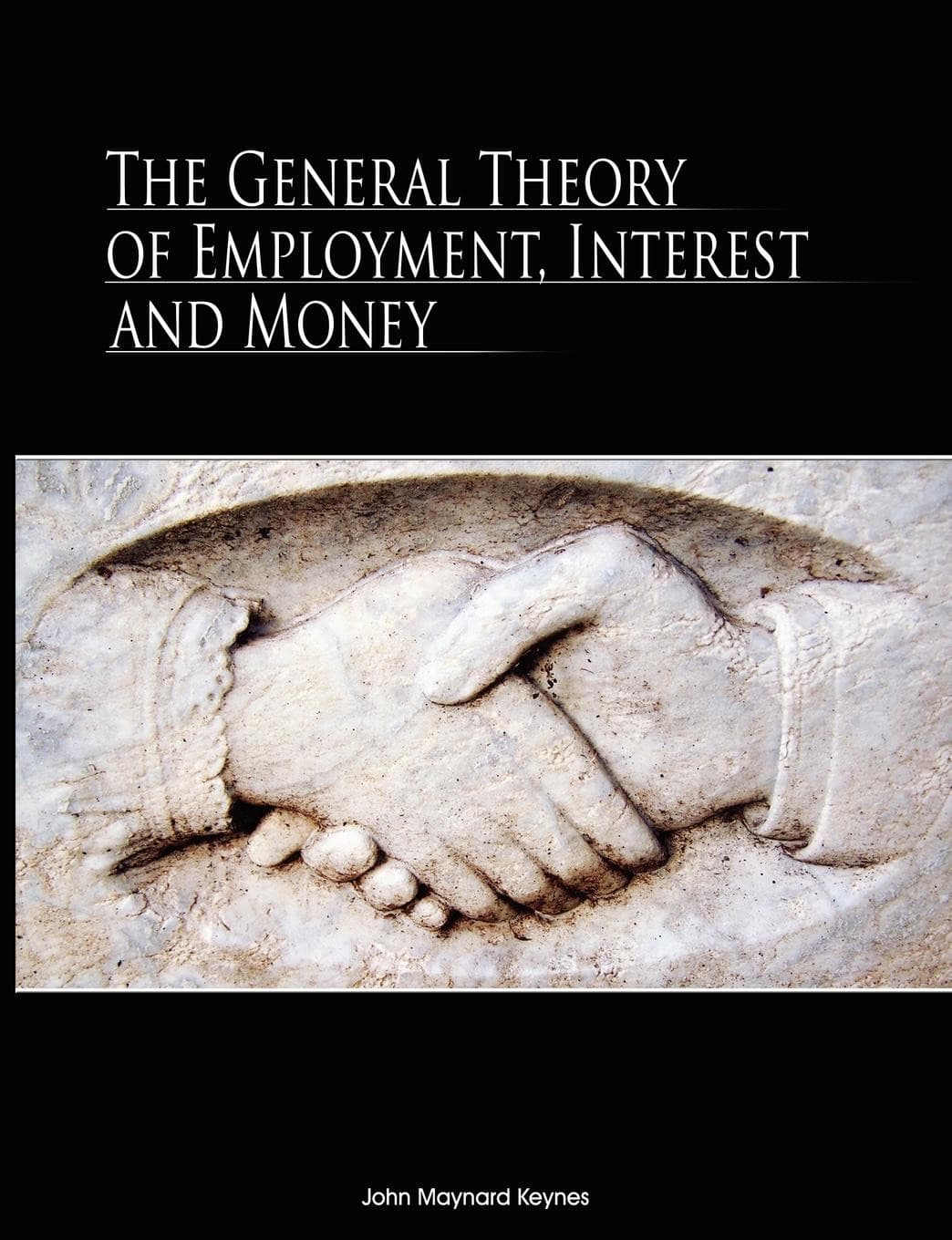
The General Theory of Employment, Interest, and Money
John Maynard Keynes
The book that invented macroeconomics as a discipline.
Total demand, not just prices and wages, decides whether an economy sits at full employment.
Keynes argued that economies can get stuck below full employment and that government spending can pull them out, an idea that reshaped how every modern government responds to recessions.

A Monetary History of the United States, 1867-1960
Milton Friedman, Anna Jacobson Schwartz
The monetarist case that money supply drives the whole economy.
The Depression deepened because the Fed let the money supply collapse by a third.
Friedman and Schwartz trace a century of American data to argue the Great Depression was a monetary failure the Federal Reserve could have prevented, the counterweight to the Keynesian story.
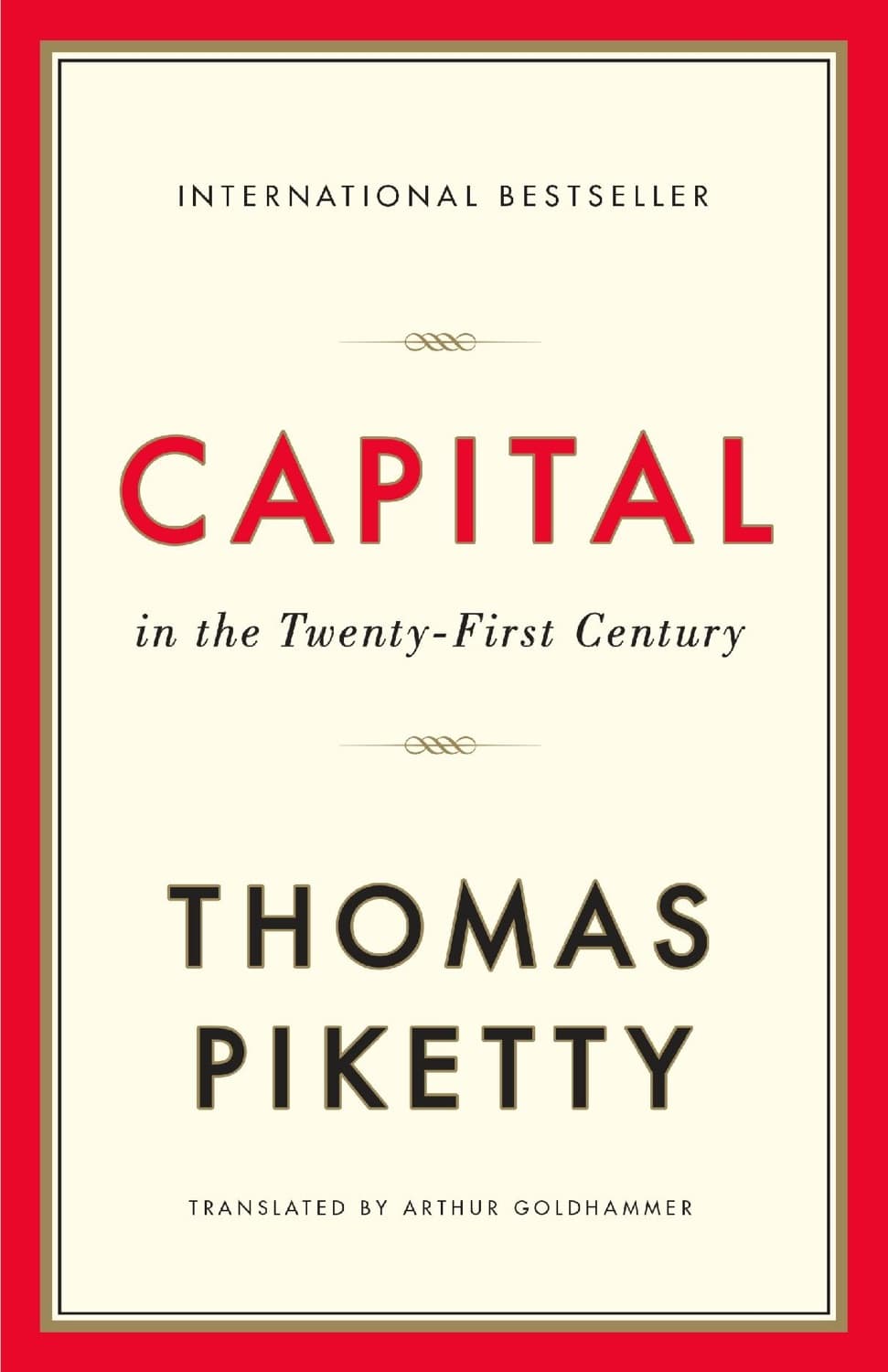
Capital in the Twenty-First Century
Thomas Piketty
A data-driven argument about why wealth concentrates over time.
When returns on wealth exceed growth, inherited capital pulls ahead of earned income.
Piketty assembled centuries of tax records to show that returns on capital tend to outrun economic growth, making inequality a structural feature of capitalism rather than an accident.
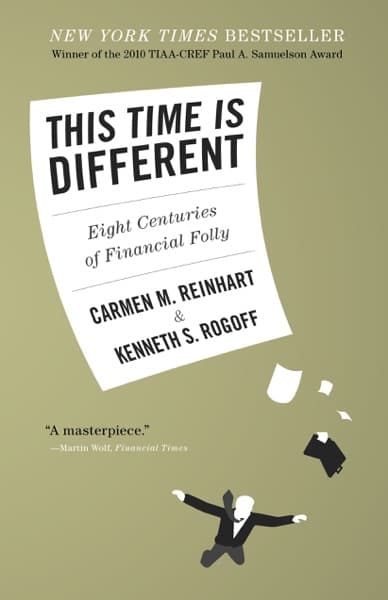
This Time Is Different
Carmen M. Reinhart, Kenneth S. Rogoff
Eight centuries of debt crises that all rhymed.
Every boom convinces people the old rules of debt no longer apply, and they always do.
Reinhart and Rogoff catalog defaults and banking panics across dozens of countries to show that the belief 'this time is different' precedes almost every financial collapse.
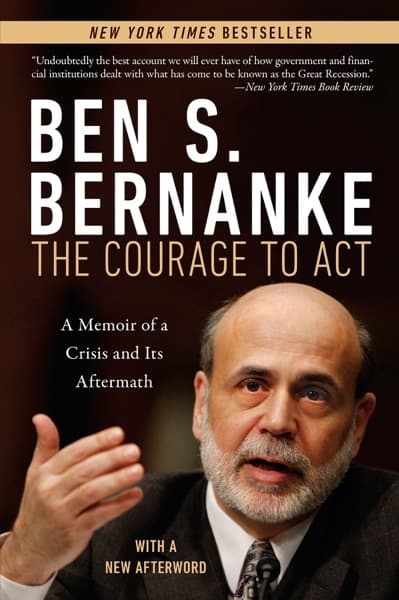
The Courage to Act
Ben S. Bernanke
Fighting the 2008 crash from inside the Federal Reserve.
A central bank's real weapon in a panic is its willingness to lend without limit.
Bernanke, a scholar of the Great Depression who then chaired the Fed through 2008, explains the improvised tools central banks reached for when the financial system nearly stopped.
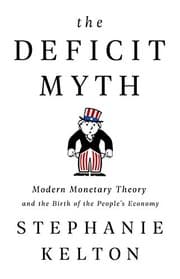
The Deficit Myth
Stephanie Kelton
The heterodox case that a currency issuer is not like a household.
For a country that issues its own money, the limit on spending is inflation, not the deficit.
Kelton lays out Modern Monetary Theory, arguing that governments printing their own currency face inflation rather than bankruptcy as the true constraint on spending.
The Depression deepened because the Fed let the money supply collapse by a third.
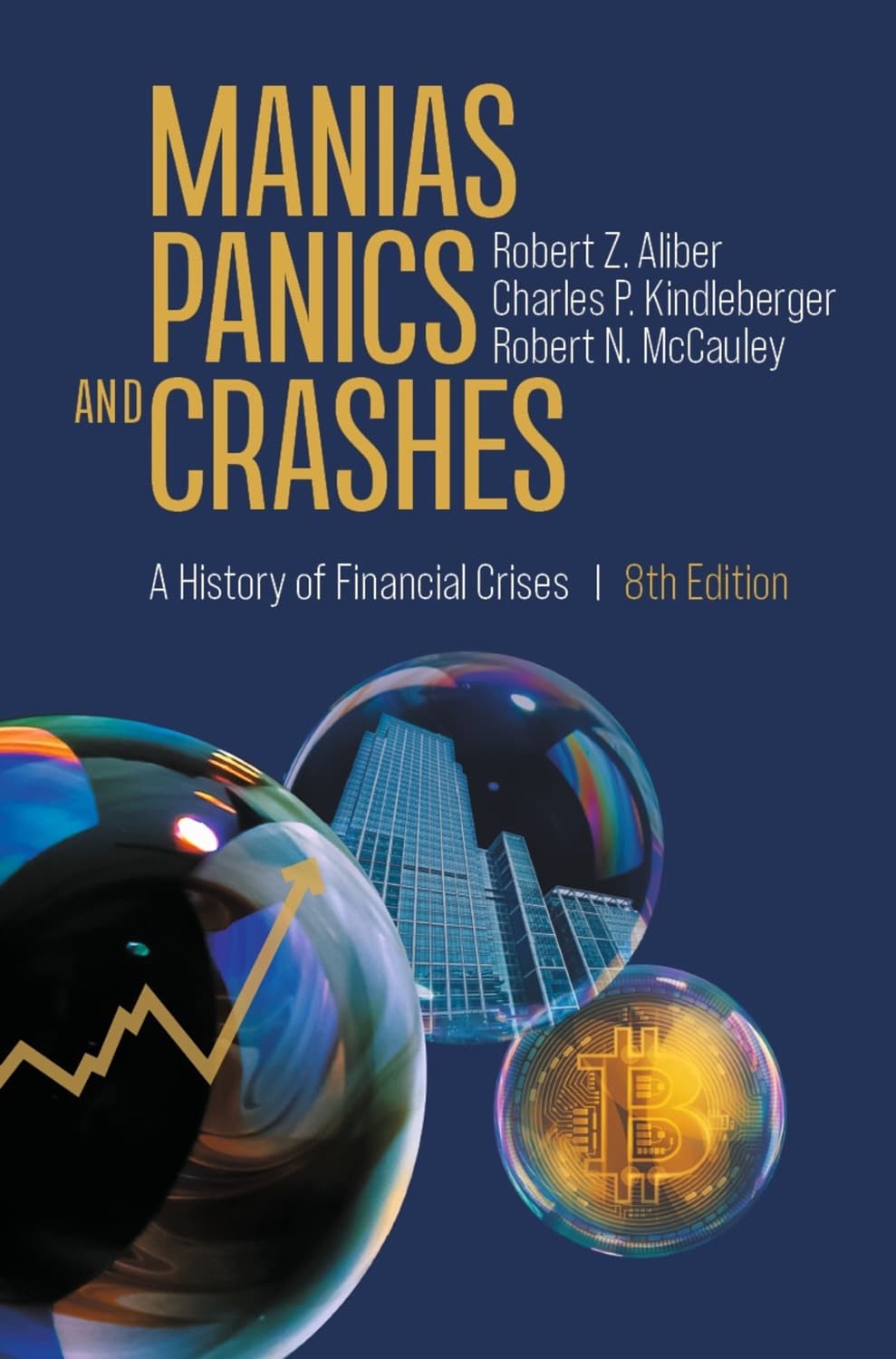
Manias, Panics and Crashes
Charles P. Kindleberger
The anatomy of how financial bubbles inflate and burst.
Cheap credit is the fuel that turns ordinary optimism into a speculative mania.
Kindleberger turns the recurring pattern of speculation, credit, and collapse into a general model, making sense of everything from tulips to the housing bubble.
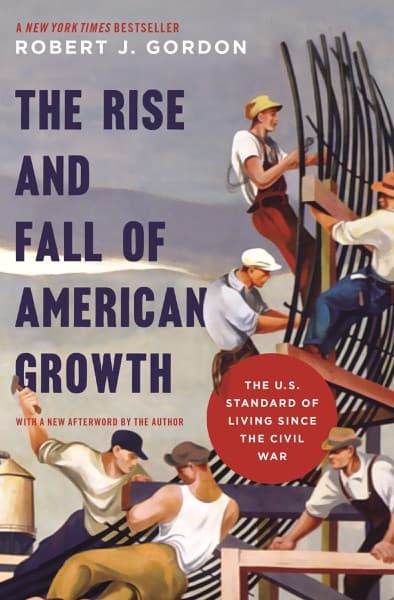
The Rise and Fall of American Growth
Robert J. Gordon
Why the extraordinary growth of the last century may not return.
The great growth century rode inventions that can only transform daily life once.
Gordon argues that the productivity leap from 1870 to 1970 came from once-only revolutions like electricity and sanitation, and that recent innovation has not matched it.
Can we tailor this list for you?
Type your question in the bar below and the AI will tailor a fresh set of picks just for you.