Best Non-Quant Books Every Algorithmic Trader Should Read
Non-quant trading wisdom from Daniel Kahneman’s Thinking, Fast and Slow and Nassim Nicholas Taleb’s Fooled by randomness: build a trader’s judgment around uncertainty, luck, and crowd behavior, not models. The shared thread is decision-making under real market noise.

Thinking, Fast and Slow
Daniel Kahneman
After Kahneman, you will treat every trading decision as a battle between fast intuition and slow reality checks, not a single reasoned judgment.
Identify bias sources: anchoring, availability, loss aversion
This book sharpens how cognitive biases, overconfidence, and framing errors creep into forecasting and risk-taking. For non-quant trading, it gives a practical mental hygiene layer for building process around the places your thinking routinely fails.
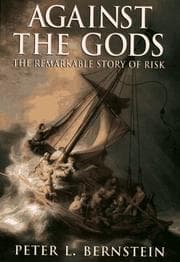
Against the gods
Peter L. Bernstein
Bernstein traces how probability thinking replaced superstition, turning uncertainty from fate into a tool markets can actually manage.
Risk is measurable uncertainty, not just randomness
Instead of formulas-first finance, it builds an intellectual history of risk, probability, and the changing meaning of “uncertainty.” That makes it ideal for algorithmic traders who want a non-quant foundation for why risk models work, and where they stop.
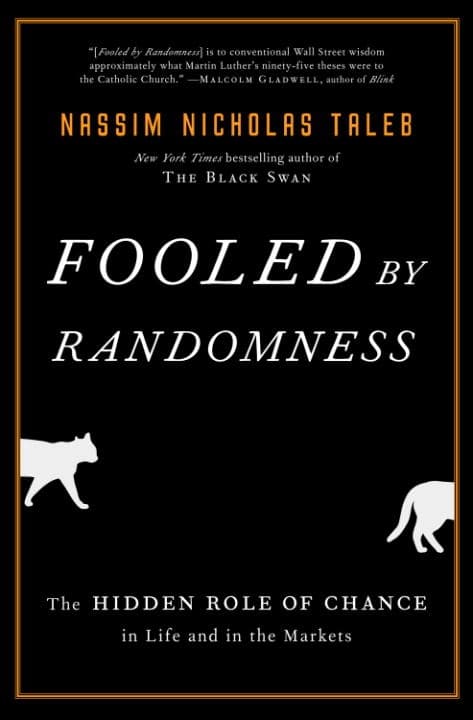
Fooled by randomness
Nassim Nicholas Taleb
Taleb reframes apparent skill as statistical illusion, forcing you to separate luck, variance, and genuine edge.
Distinguish skill from variance before trusting results
Trading is a laboratory of noisy outcomes, and this book explains the mental errors that cause people to believe stories after streaks. For algorithmic traders, the payoff is a clearer standard for evaluating performance and tolerating unlucky periods without inventing explanations.
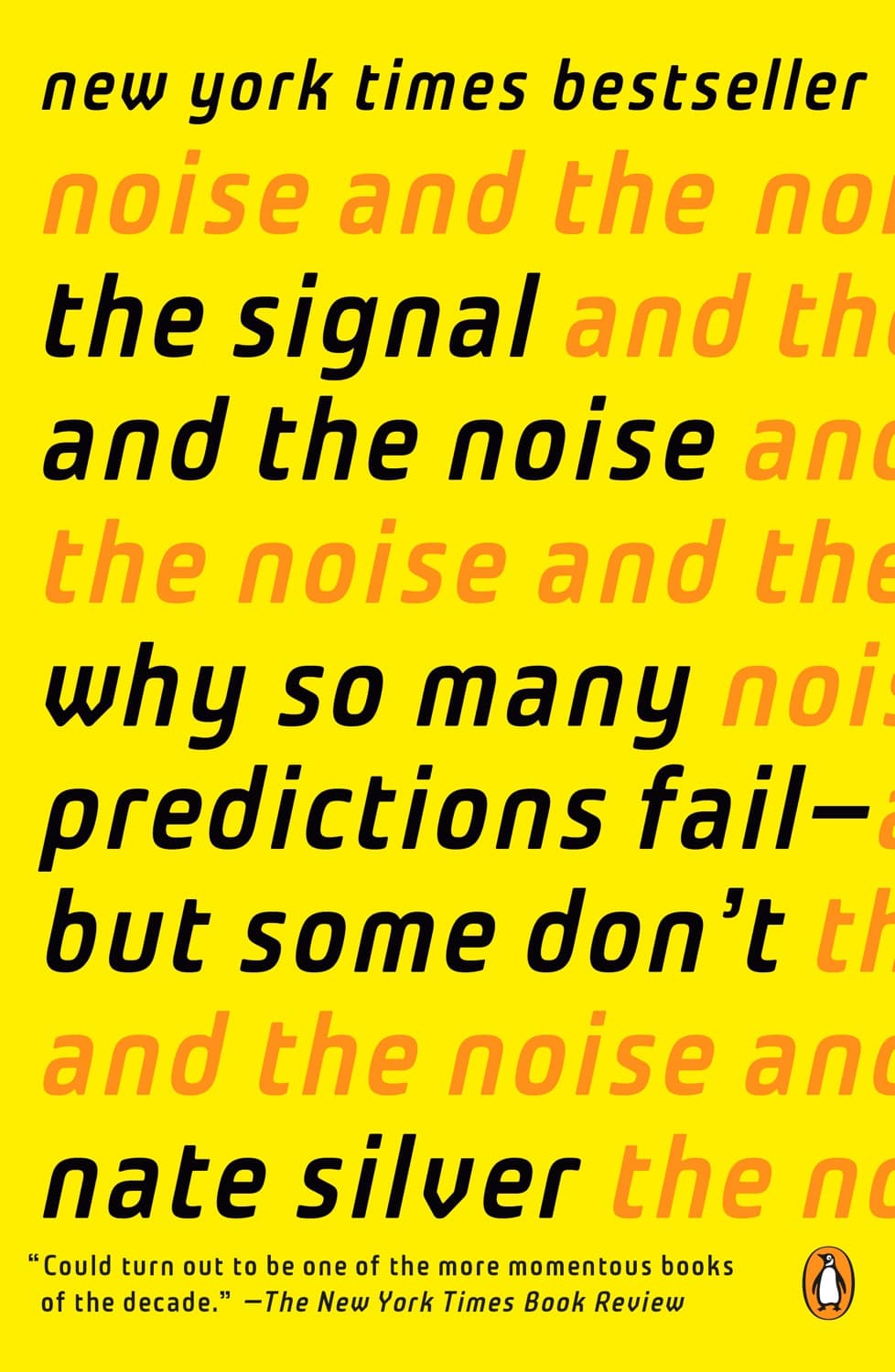
The Signal and the Noise
Nate Silver
Silver teaches you to demand a better explanation than your confidence, because most real-world patterns collapse when you test them against noise.
Base your confidence on the signal-to-noise ratio
You get a non-mathematical toolkit for prediction under uncertainty and for judging evidence strength. That directly supports non-quant trading judgment: when to trust a signal, when to doubt it, and how to avoid mistaking correlation for meaning.
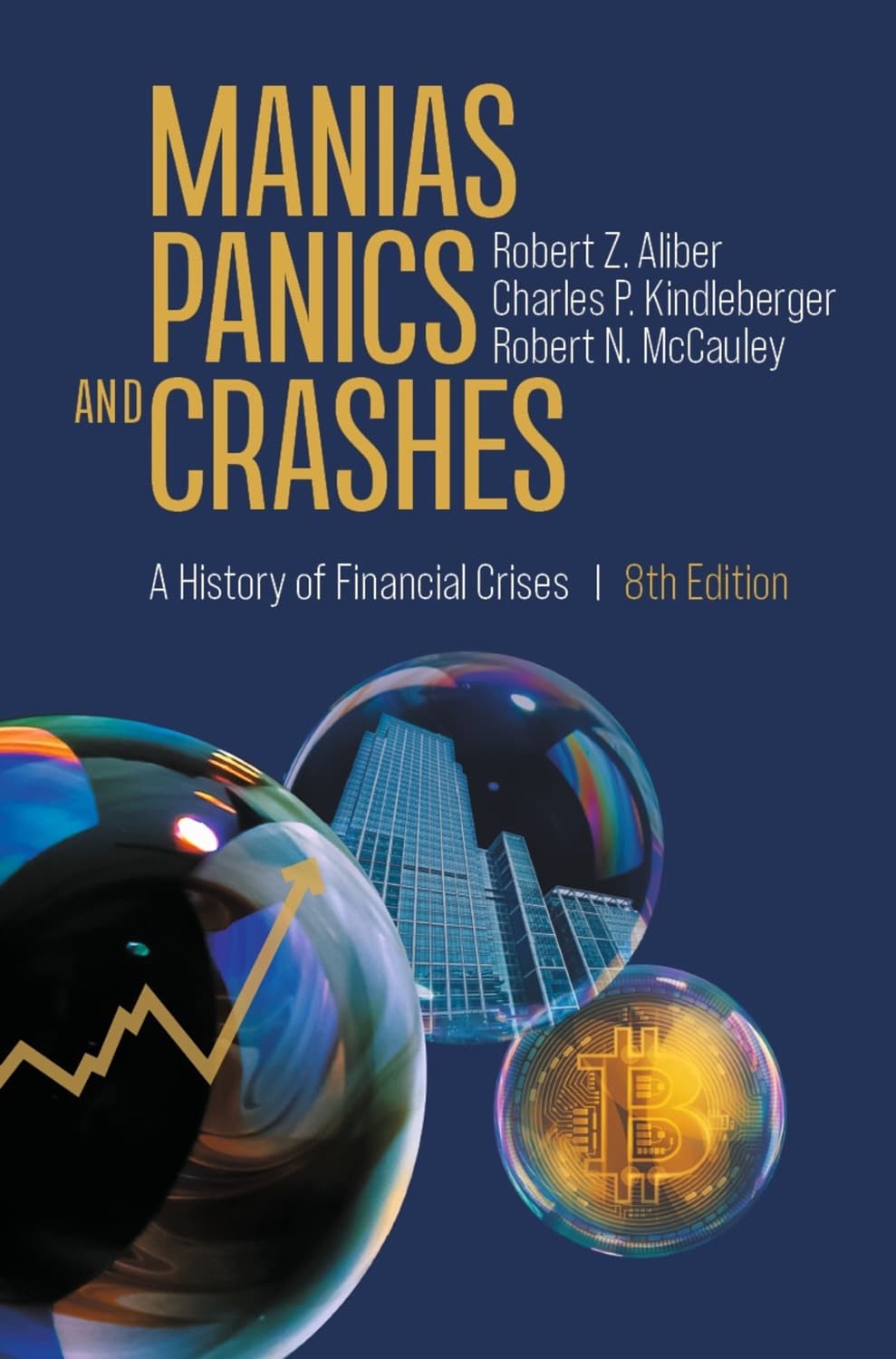
Manias, Panics and Crashes
Charles P. Kindleberger
Kindleberger shows crises repeat with recognizable ingredients: speculation, overreach, fear, and the failure of stabilizing forces.
Crisis rhythm: mania, panic, then crash
This is a market practitioner’s map of how collective behavior turns liquidity and credit into cascading price action. For algorithmic traders relying on signals, it helps you anticipate regime shifts where models and heuristics often stop behaving.
The Misbehavior of Markets
Benoit Mandelbrot, Richard L Hudson
Mandelbrot and Hudson argue that market behavior often follows heavy tails and roughness, not smooth assumptions your intuition was trained on.
Return distributions can be heavy-tailed, not normal
Rather than “more math,” the book challenges the worldview that makes standard risk talk feel comforting while underestimating extremes. For non-quant traders, it’s a disciplined way to think about why rare events matter and why volatility models can miss the dangerous part.
Risk is measurable uncertainty, not just randomness
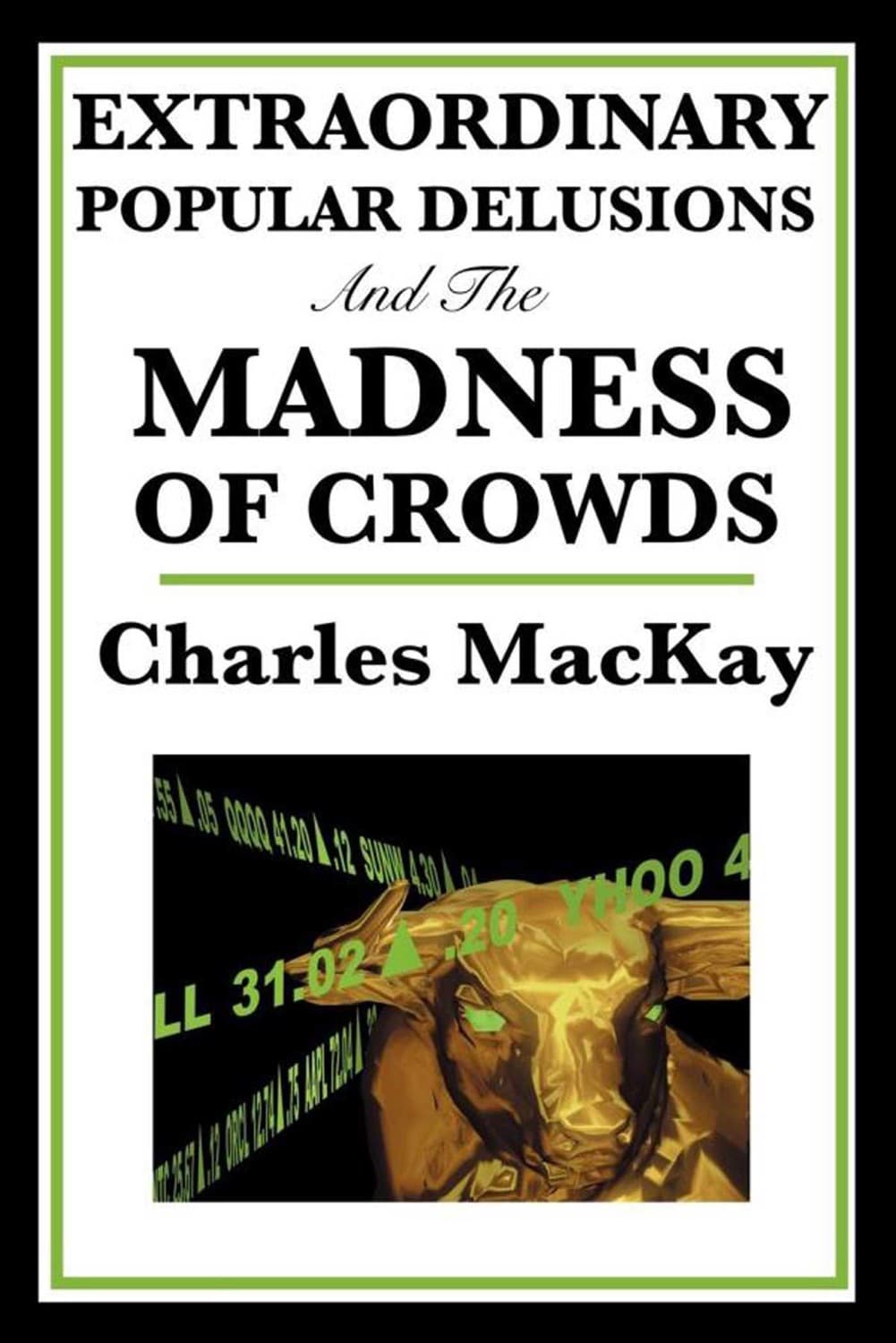
Extraordinary Popular Delusions and the Madness of Crowds
Charles Mackay
Mackay catalogs how crowds synchronize their beliefs, turning speculation into conviction long before outcomes justify it.
Crowd conviction grows from stories, not evidence
This classic explains the psychology of manias without pretending you can silence it with clever reasoning. For algorithmic traders, it reframes bull and bear runs as mass belief processes you can respect in your risk controls and expectations.
Can we tailor this list for you?
Type your question in the bar below and the AI will tailor a fresh set of picks just for you.