How Old Money Behaves: Books on Quiet Wealth, Class, and Legacy
Old money rarely announces itself. The mark of inherited wealth is less what it buys than what it withholds: muted clothes, quiet schools, a reflex against discussing money. These books trace how the established rich preserve capital, raise heirs, signal status through understatement, and sometimes lose it all anyway.
Old Money
Nelson Aldrich
An insider's anatomy of the American old-money class and its quiet codes.
Old money's deepest taboo is not poverty but display; the surest sign of arrival is having nothing left to prove.
Aldrich, born into the world he dissects, explains why inherited wealth treats money as a vulgar subject and builds identity around schools, summer places, and restraint rather than spending.
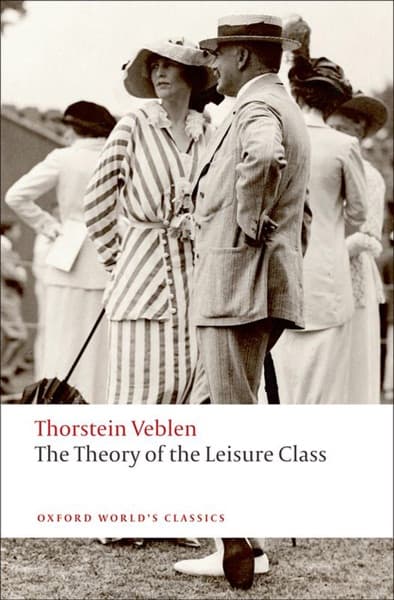
The Theory of the Leisure Class
Thorstein Veblen
The 1899 classic that named conspicuous consumption and the leisure class.
Status is performed through what looks effortless; the leisure class proves its standing by appearing not to work for it.
Veblen showed that the established rich signal rank through visible waste and idleness, the very behavior old money later learned to hide, which makes this the theory every later book argues with.
Class
Paul Fussell, Martim de Avillez
A witty field study of the American status system, top to bottom.
The higher the class, the more it avoids the loud logos and bright newness that announce money trying too hard.
Fussell decodes how the upper class signals itself through understatement, worn fabrics, and indifference to trends, drawing the sharp line between inherited taste and new-money striving.
Family Wealth
James E. Hughes, Jr.
The stewardship handbook behind serious multigenerational family wealth.
Wealth that lasts is governed like an institution; families who treat heirs as stakeholders rather than recipients break the three-generation curse.
Hughes reframes a fortune as human and intellectual capital, not just financial, and lays out the governance, communication, and heir preparation that keep families from spending themselves back to zero.
The Millionaire Next Door
Thomas J. Stanley
The research that proved most real wealth lives quietly and frugally.
Income is not wealth; the people who look rich are often spending it, while the people building it look unremarkable.
Stanley and Danko's data shows the genuinely wealthy drive used cars and live below their means, while 'economic outpatient care' to adult children quietly erodes the next generation's drive.

Fortune's children
Arthur T. Vanderbilt II
How the Vanderbilts burned through the largest fortune in America.
Within seventy years no Vanderbilt was among America's richest; the mansions became monuments to a fortune nobody was taught to keep.
Vanderbilt traces his own family's slide from the richest household in the country to a generation that died with little, a case study in display, rivalry, and heirs raised only to spend.
Status is performed through what looks effortless; the leisure class proves its standing by appearing not to work for it.

The Rockefellers: An American Dynasty
Peter Collier, David Horowitz
A dynasty that institutionalized its wealth instead of squandering it.
The Rockefellers endured by professionalizing the family: shared trusts and philanthropy gave heirs a purpose larger than consumption.
Collier and Horowitz follow five generations as the Rockefellers turned a ruthless fortune into foundations, trusts, and a family office, the deliberate counterexample to the Vanderbilt collapse.
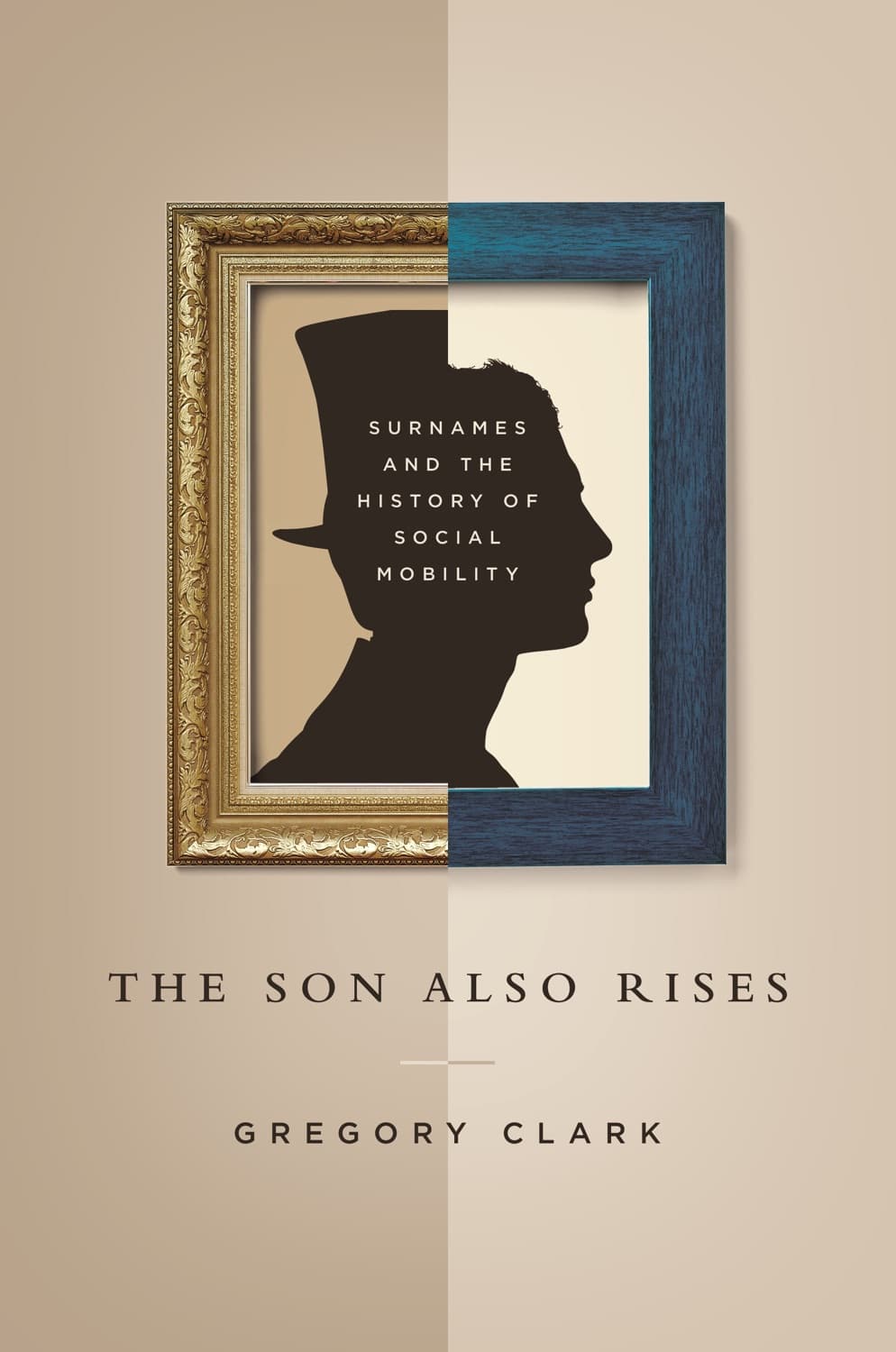
The Son Also Rises
Gregory Clark
Surname data showing elite families persist for centuries.
Mobility is much slower than official statistics suggest; an elite family's advantage can take ten or more generations to fully fade.
Clark tracks rare surnames across generations and countries and finds status regresses to the mean far slower than anyone expected, evidence that elite advantage is unusually sticky.
Watching the English
Kate Fox
An anthropologist decodes the class signals hidden in English behavior.
Among the English upper class, visible effort and new money read as the same mistake; real status performs ease and a little wear.
Fox reads accents, house styles, and table manners as class markers and shows the English upper class signaling through deliberate shabbiness and a near-allergy to anything that tries too hard.
Can we tailor this list for you?
Type your question in the bar below and the AI will tailor a fresh set of picks just for you.