Best Books on Russian Mob
Russian Mob reading that stays grounded in evidence: McMafia by Misha Glenny maps networks beyond stereotypes, while Putin's Kleptocracy by Karen Dawisha links crime to state power so the story holds together.
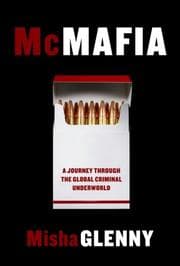
McMafia
Misha Glenny
By the end of McMafia, Russian organized crime stops being a distant menace and starts looking like an international business with logistics, partners, and pressure points.
Look for “global networks,” not isolated bosses.
Glenny traces how post-Soviet networks spread and professionalize across borders, giving you a map of actors and mechanisms instead of just lurid anecdotes. That lens fits the “Russian Mob” topic while keeping the focus on how the machinery actually works.
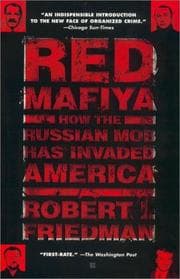
Red Mafiya
Robert I. Friedman
Red Mafiya makes the rise of Russian crime feel like it was written into the transition itself, with institutions reshaping profit and protection.
Transition chaos creates criminal opportunity structures.
Friedman offers a classic investigative arc on how organized crime grew alongside post-Soviet upheaval. If you want the Russian Mob explained historically, not just operationally, this supplies that origin story.
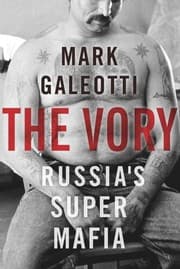
The Vory
Mark Galeotti
The Vory turns “mafia” into a system: codes, hierarchies, and culture that explain behavior even when headlines change.
Codes and legitimacy drive enforcement inside networks.
Galeotti blends history and the lived logic of Russian criminal networks so you can interpret names, roles, and incentives. It matches the Russian Mob interest with a specifically modern, network-and-culture approach.
Comrade Criminal
Stephen Handelman
Comrade Criminal reframes post-Soviet street crime as something with roots in Soviet institutions, not just in lawlessness after 1991.
Soviet legacies can outlive the Soviet state.
Handelman’s account traces continuity and transformation, which helps you see why Russian organized crime looks different from other mafia traditions. For Russian Mob readers, the payoff is a deeper causal thread back into the Soviet era.
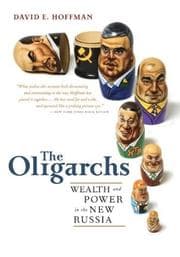
The Oligarchs
David E Hoffman
The Oligarchs shows how power, theft, and coercion braided together until money became leverage and leverage became protection.
Follow the privatization logic to see the corruption engine.
Hoffman supplies the elite context around criminalized wealth, which is often where Russian Mob stories actually intersect. If your question is why the Russian Mob gains traction, this book explains the surrounding power ecosystem.
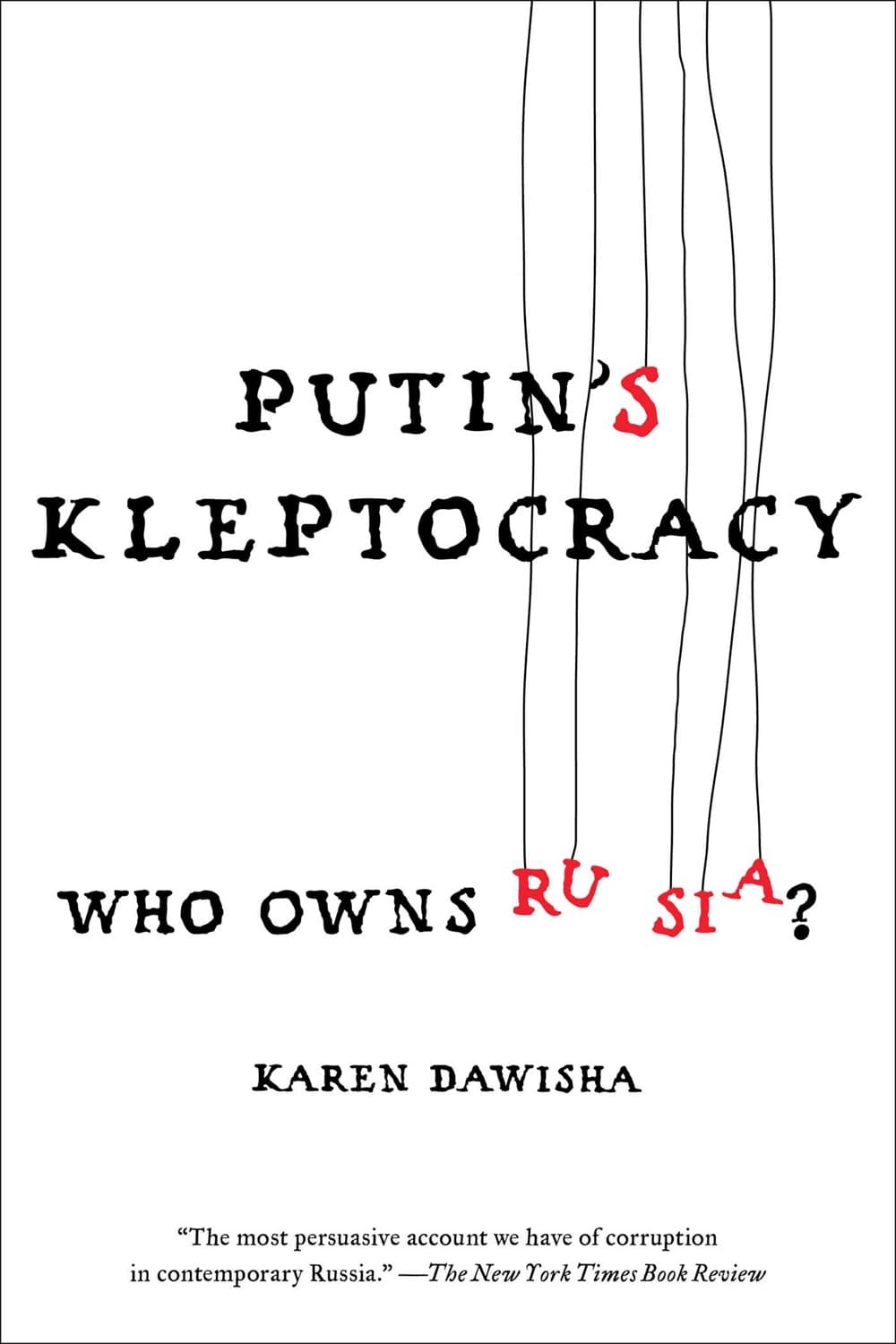
Putin's Kleptocracy
Karen Dawisha
After Putin's Kleptocracy, “mafia” reads less like a separate underworld and more like a governing style built from state leverage.
State-crime overlap can be structural, not incidental.
Dawisha’s core contribution is tying organized crime dynamics to state structures, institutions, and patronage. That makes it especially relevant if you want the Russian Mob explained as part of a broader system rather than an isolated criminal subculture.
Transition chaos creates criminal opportunity structures.
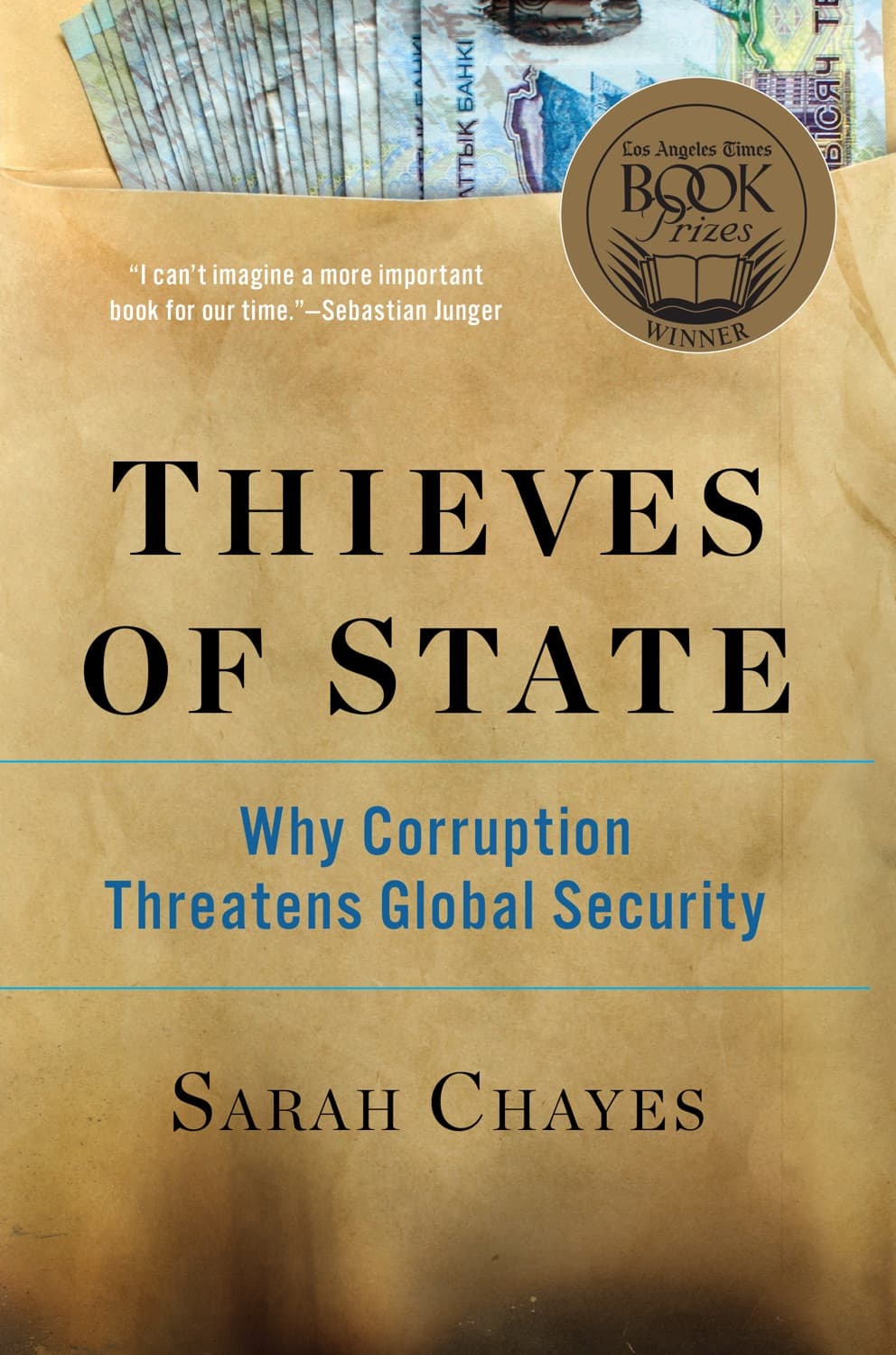
Thieves of State
Sarah Chayes
Thieves of State changes the frame from “criminals doing crime” to a public system that tolerates, recruits, and profits from criminal methods.
Corruption thrives when it becomes administration.
Chayes focuses on corruption and governance mechanics in a way that stays readable while still being specific. If you want the state-crime nexus behind the Russian Mob without drowning in factional detail, this one is unusually clear.
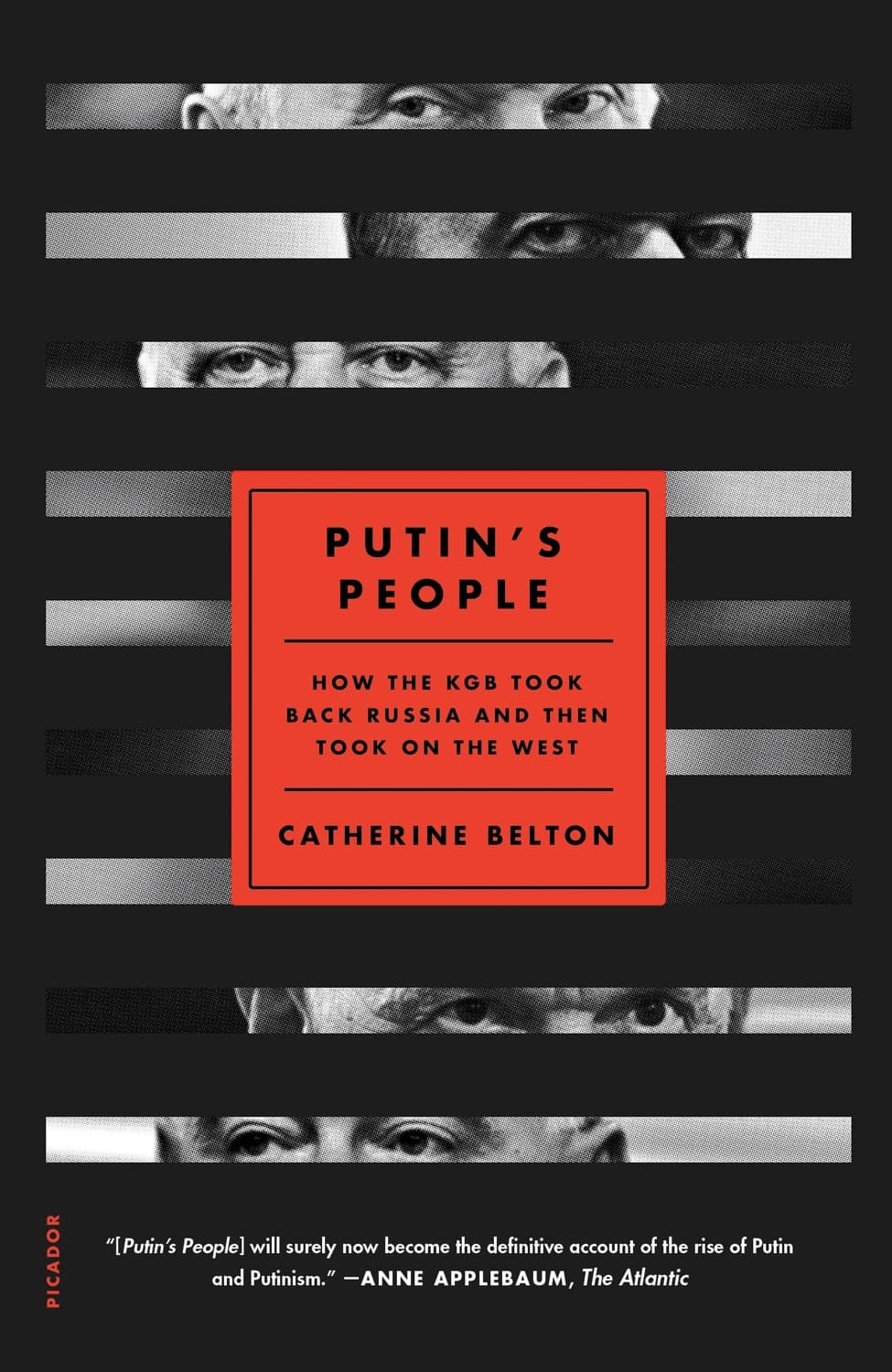
Putin’s People: How the KGB Took Back Russia and then Took on the West
Catherine Belton
Putin’s People makes the lines between security services, oligarchs, and organized crime feel like one continuous political economy.
The security services shaped the post-Soviet elite supply chain.
Belton investigates how security networks and elite wealth overlap, giving you a sharper understanding of why “Russian Mob” and “power” often share the same cast of characters. It fits readers who want context that connects the Russian Mob to the mechanics of rule.
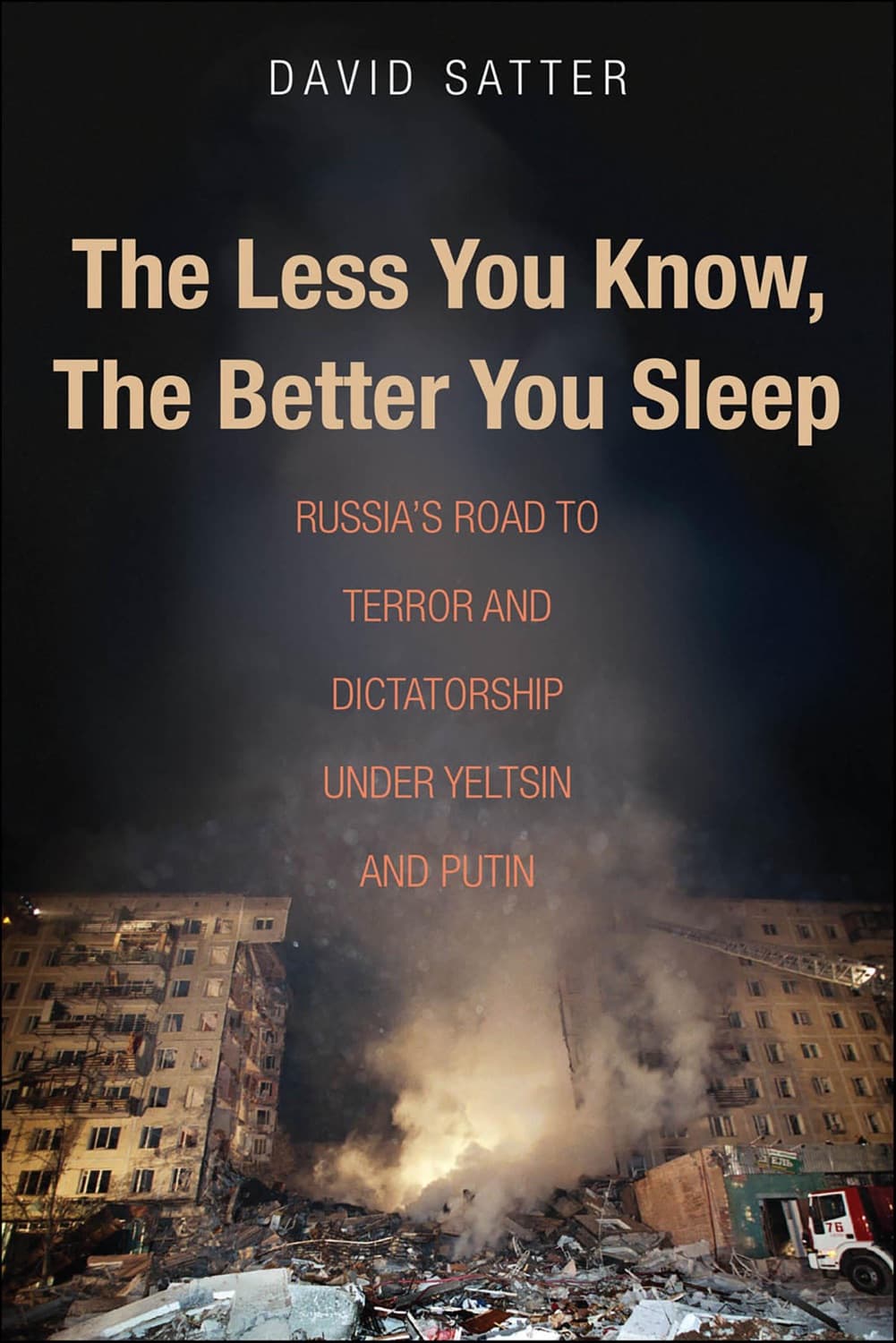
The Less You Know, the Better You Sleep
David Satter
This book makes uncertainty feel like a weapon: silence, manipulation, and selective truth become the conditions under which crime and power operate.
Information control enables power to stay unaccountable.
Satter’s reporting captures how post-Soviet realities shaped public life where organized crime intersected with politics and commerce. For Russian Mob reading, it adds the lived social atmosphere that explains how networks persist.
Can we tailor this list for you?
Type your question in the bar below and the AI will tailor a fresh set of picks just for you.