Best Books on Italian Mafia
For Italian Mafia history and power: John Dickie’s Cosa Nostra and Alexander Stille’s Excellent Cadavers map how criminal networks embed in politics, while Gambetta’s The Sicilian Mafia explains the protection logic that makes it endure.
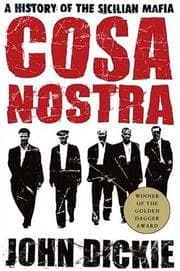
Cosa Nostra
John Dickie, Dickie, John
By the end, “Mafia” reads less like a myth and more like a system of recruitment, violence, and legitimacy that evolved with modern Sicily.
Mafia power blends family ties with political camouflage.
Dickie traces origins through later decades with tight historical cause-and-effect, not just famous cases. It fits Italian Mafia research because it connects structure and history, so you can see how Cosa Nostra became a governing force rather than a collection of criminals.
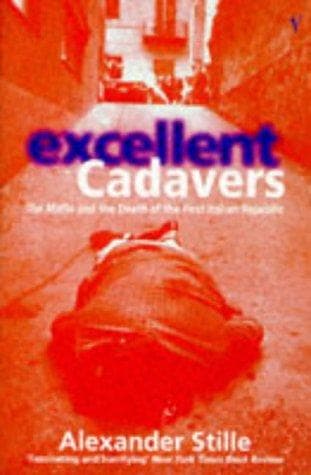
Excellent Cadavers
Alexander Stille
Excellent Cadavers turns anti-Mafia prosecutions into a spotlight on the Mafia’s reach inside institutions.
Prosecutions fail when politics shields networks.
Stille shows how investigators collide with intimidation, patronage, and political pressure, revealing why cases stall or detonate. For your Mafia topic, it gives the “how it stays protected” angle alongside the crimes.
The Sicilian Mafia
Diego Gambetta
You finish with a new lens: the Mafia as a private protection market where fear is the business model.
Protection arrangements run on credibility and enforcement.
Gambetta explains the operating logic behind extortion and enforcement, including why communities may tolerate or rely on it. If you want to understand Italian Mafia beyond headlines, this provides the framework that makes events make structural sense.
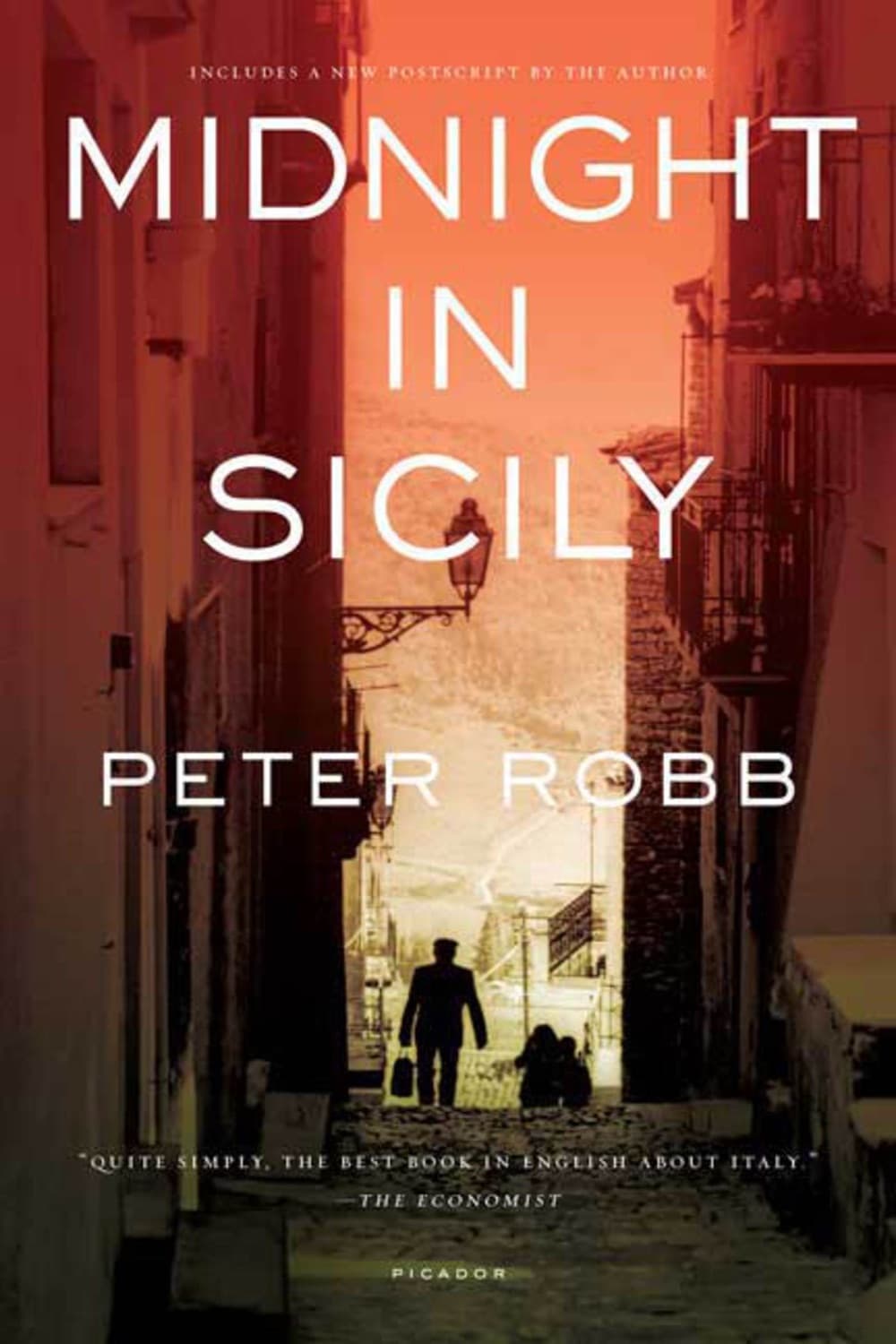
Midnight in Sicily
Peter Robb
Midnight in Sicily makes Sicily feel like the Mafia’s ecosystem, where culture and politics don’t just surround crime, they help it reproduce.
Mafia entrenchment grows in social and political textures.
Robb’s narrative brings readable context to the relationships among power, identity, and organized violence. It suits Mafia readers who want accessibility without losing the sense of causes, not just outcomes.
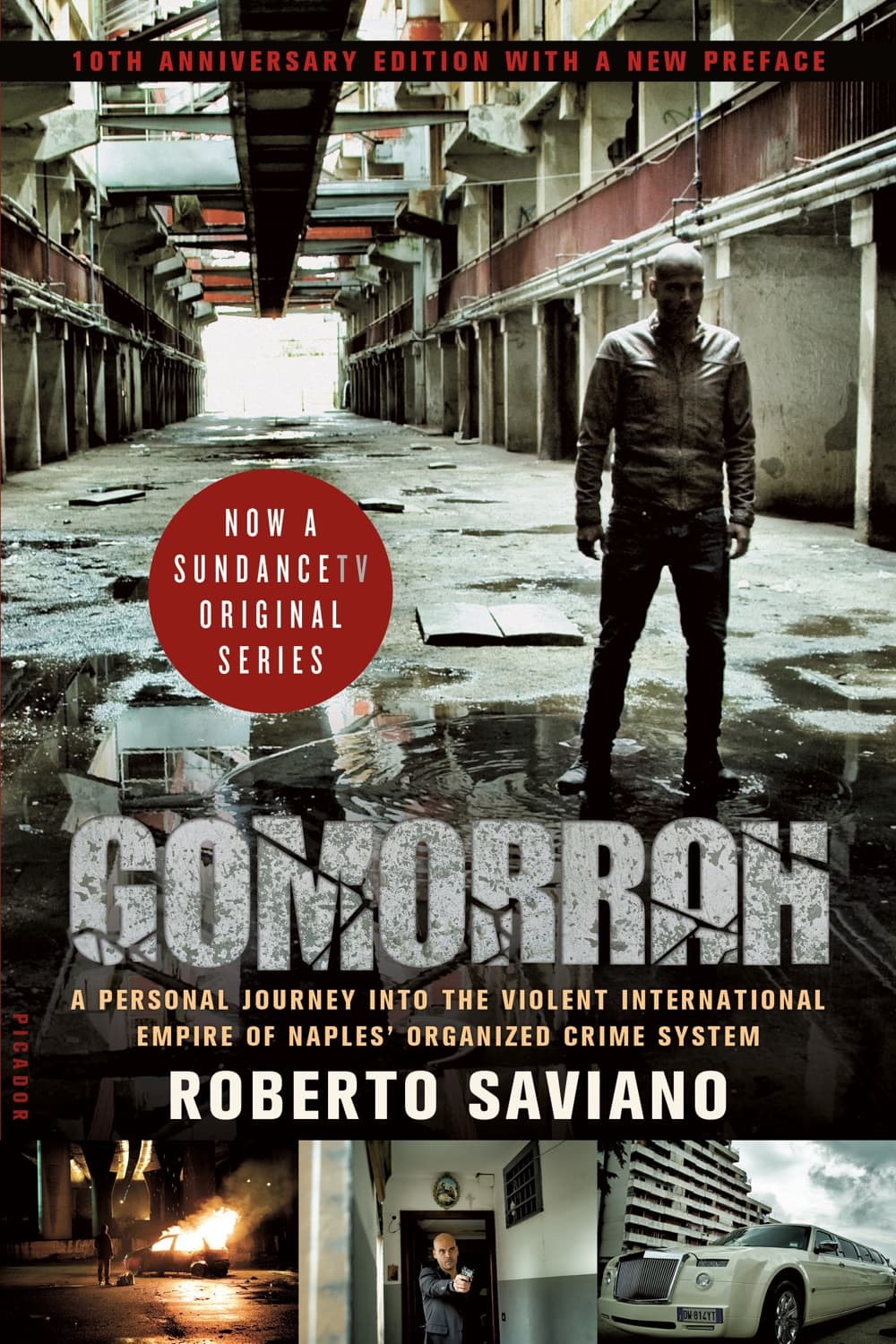
Gomorrah
Roberto Saviano
Gomorrah leaves you understanding how an entertainment-sized world exports real violence through logistics, brands, and local rule.
Crime scales through supply chains, not just shootouts.
Saviano’s investigative narrative follows the Camorra’s contemporary machine, showing how criminal profits travel through ordinary systems. For “Italian Mafia,” it widens the focus from Sicily’s Cosa Nostra to the operational feel of the broader Italian underworld.

The honoured society
Norman Lewis, Arturo Peral Santamaría
The honoured society strips away romance and shows how the Sicilian Mafia embeds in everyday governance through respectability and intimidation.
Respectability can be a cover for control.
Lewis and Peral Santamaría offer a foundational journalistic portrait of social roots, giving historical grounding to what “honour” means in Mafia practice. It’s useful for your topic because it explains the human scaffolding around criminal organization.
Can we tailor this list for you?
Type your question in the bar below and the AI will tailor a fresh set of picks just for you.