Best Books on Mexican Cartels
Mexican cartel books that treat violence as a system: Ioan Grillo’s El Narco maps the machinery, while Anabel Hernández’s Narcoland shows how corruption keeps it running.
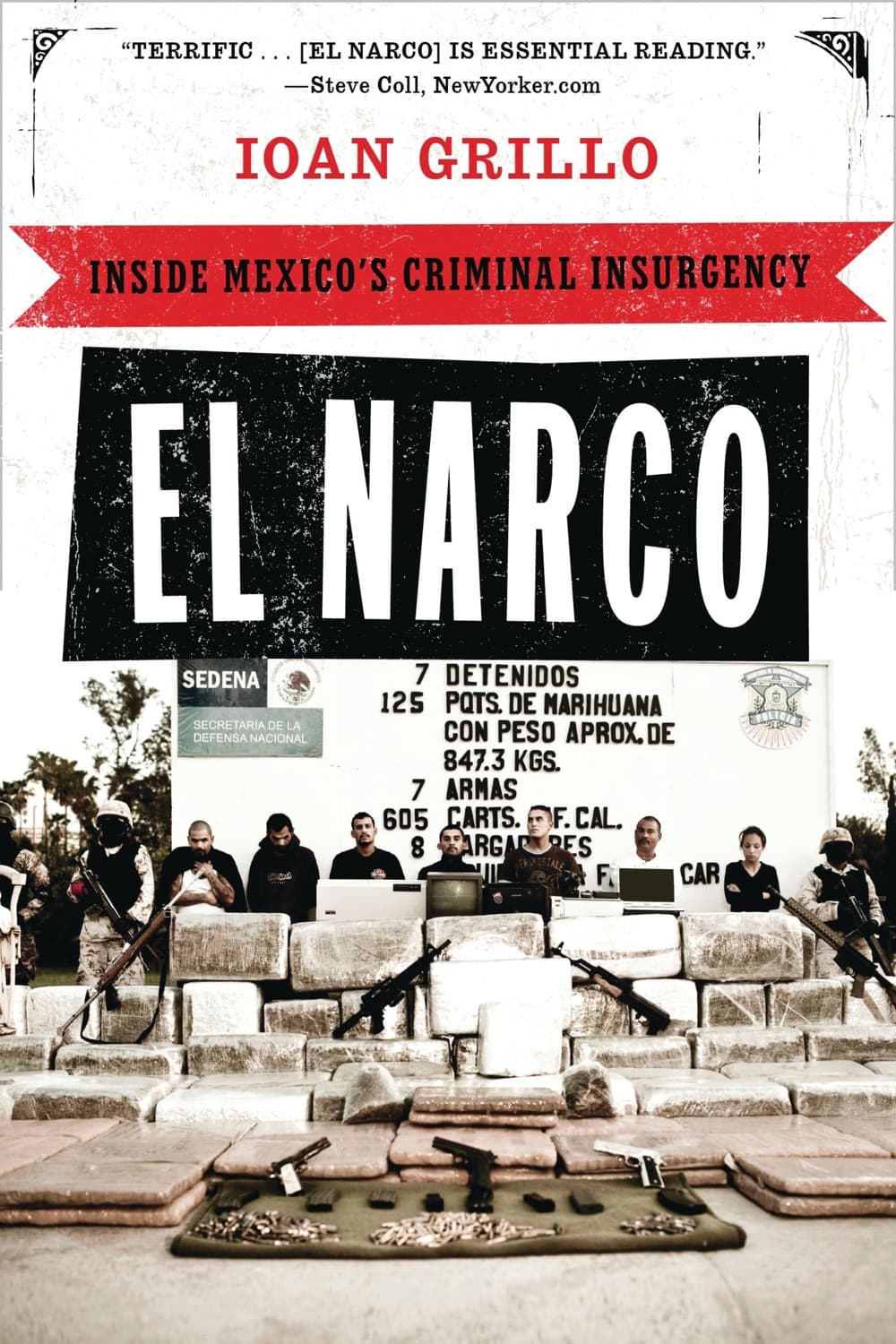
El Narco
Ioan Grillo
By the end of El Narco, cartel violence reads less like chaos and more like an operating model Mexico has learned to live with.
Cartels scale through control of people, not just drugs.
Grillo blends reporting with a timeline of how organizations, routes, and alliances evolved, then connects the dots to political and economic incentives. For your topic, it gives structure to the “how it works” question behind the headlines.
Drug lord
Terrence E. Poppa
Drug lord turns Amado Carrillo Fuentes into a case study in cartel branding, logistics, and power consolidation.
Strategy beats spectacle: logistics and alliances win.
Poppa focuses on leadership and mechanics of cartel rise, letting you see what “cartel power” looks like from inside a single trajectory. It helps your search by grounding Mexican cartel history in one consequential figure and the networks around him.
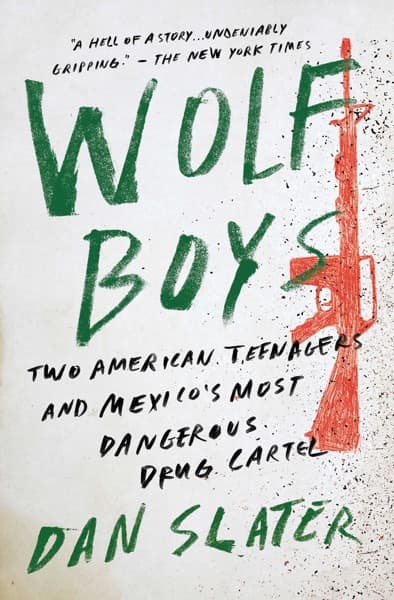
Wolf boys
Dan Slater
Wolf boys makes recruitment feel immediate: cartel work appears as a survival pathway built from fear and opportunity.
Recruitment is the cartel’s supply chain.
Slater’s narrative nonfiction follows the human pipeline into violence, including cross-border consequences. If your interest goes beyond leaders to how cartels reproduce themselves, this reframes cartel dynamics as recruitment and coercion.
Midnight in Mexico
Alfredo Corchado
Midnight in Mexico makes the state seem half-present: institutions try to function while cartel terror reshapes everyday life.
Cartels thrive where the state is inconsistent.
Corchado brings a reporter’s attention to local breakdowns, capturing how cartels exploit gaps between communities and authorities. For Mexican cartels, it’s strong on the fragility of governance that allows violence to expand.
Narcoland
Anabel Hernández
Narcoland forces the realization that cartel power is sustained by paperwork, payoffs, and political cover, not just guns.
Corruption is infrastructure for trafficking.
Hernández’s investigative approach connects cartel activity to entrenched corruption across institutions. For your topic, it clarifies the enabling environment behind Mexican cartel rule, not just the perpetrators.
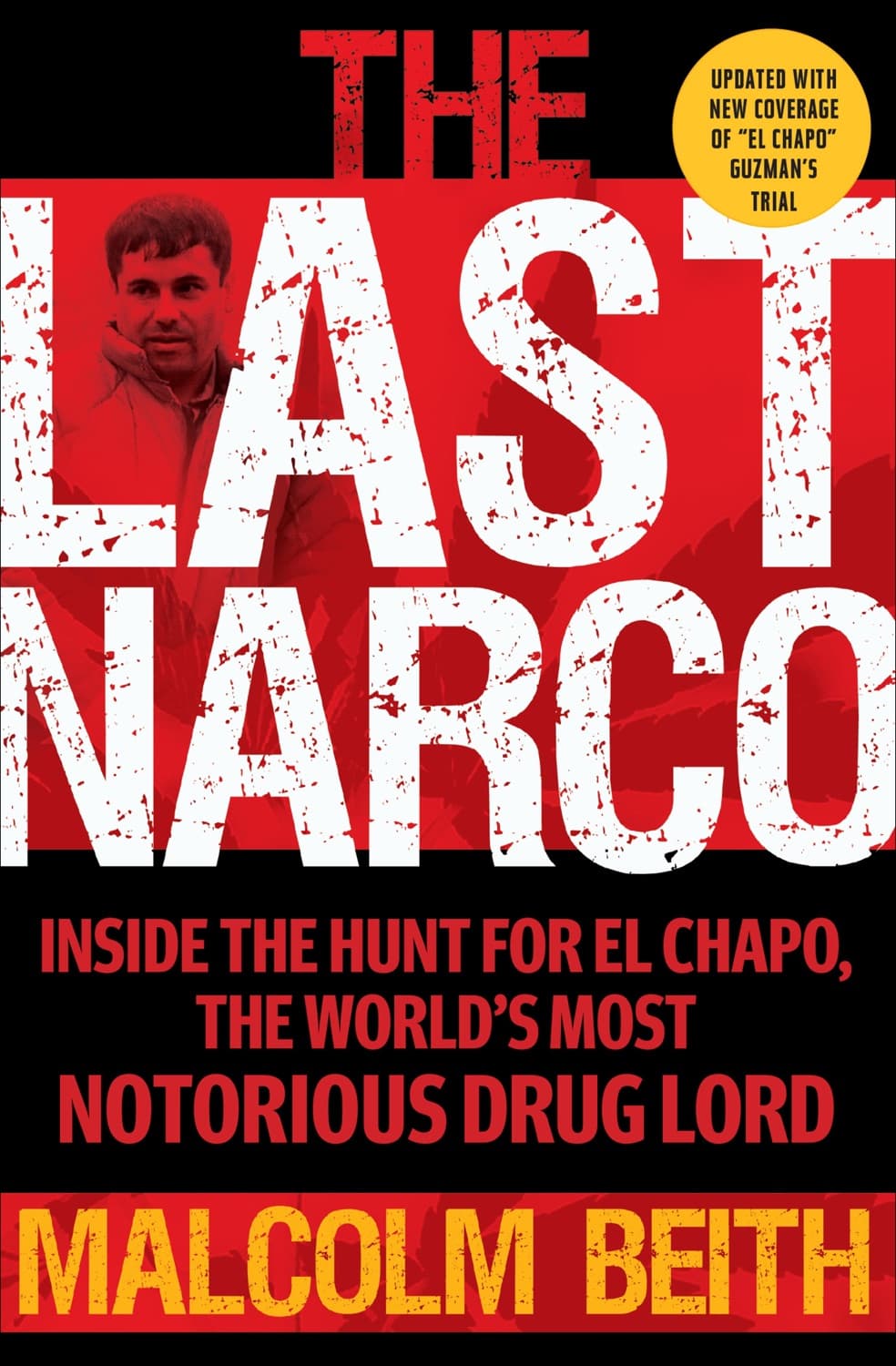
The Last Narco
Malcolm Beith
The Last Narco reframes El Chapo as a builder of networks, where image, deals, and territory matter as much as firepower.
Power comes from network control, not intimidation alone.
Beith’s portrait of Sinaloa’s ascendancy emphasizes how cartel leadership operates through relationships and governance-by-territory. It fits a “Mexican cartels” search that wants biography tied to system-level change.
Strategy beats spectacle: logistics and alliances win.
The Cartel
Don Winslow
After The Cartel, the cartel war feels like a long feedback loop: every crackdown generates new tactics, new markets, and new casualties.
Violence evolves with enforcement pressure.
Winslow’s fiction reads like historical reporting, tracking escalation across Mexico and the United States to show how policy and enforcement reshape the underworld. For your search, it supplies a cinematic but coherent lens on cause and consequence.
A narco history
Carmen Boullosa
A narco history treats drug power as a chapter in Mexico’s political imagination, where institutions and narratives mutate together.
Cartels are political and cultural symptoms, too.
Boullosa steps back to big-picture framing, linking drugs, power, and the ways Mexican institutions are tested and redefined. It broadens your cartel focus beyond organizations to the historical conditions that made them possible.
The Dope
Benjamin T. Smith
The Dope makes Mexican drug trafficking part of a longer story about state formation, borders, and economic incentives.
Institutions shape drug markets over decades.
Smith offers a long-view history that clarifies why certain structures in Mexico and the region kept producing black-market systems. For your topic, it complements the case studies by explaining the deeper forces Mexican cartels plug into.
Can we tailor this list for you?
Type your question in the bar below and the AI will tailor a fresh set of picks just for you.