Best Books on Recessions
Recessions make repeating patterns feel personal. From Kindleberger to Krugman and Reinhart-Rogoff, these books teach the mechanics behind panics and downturns, not just the headlines.
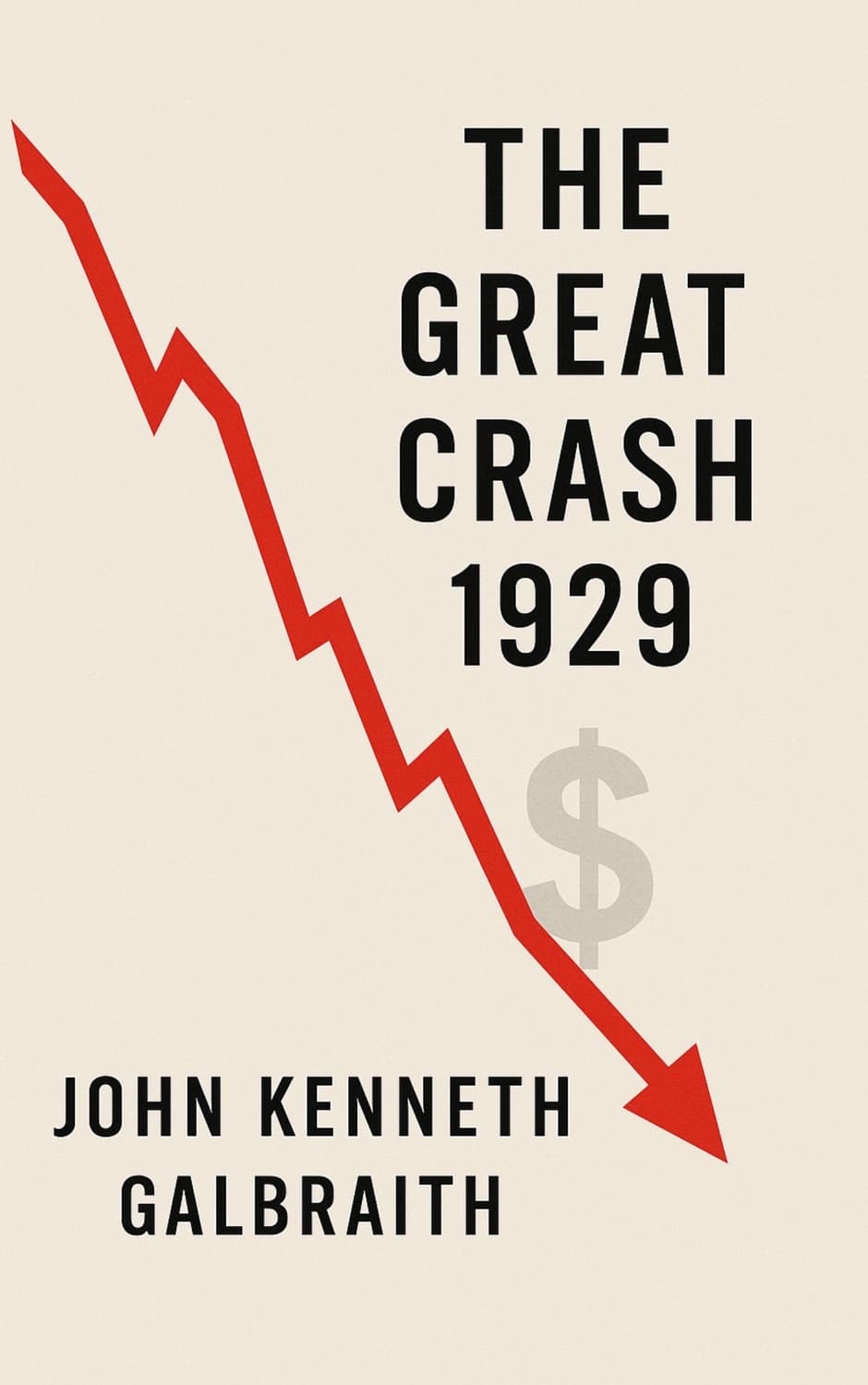
The Great Crash, 1929
John Kenneth Galbraith
The 1929 crash reads like a warning about how policy errors and institutional blindness can turn a downturn into a catastrophe.
The crash is policy plus belief, not just markets.
Galbraith focuses on what broke during the transition from boom to bust, including the incentives and misread signals. It fits a recession-focused search by treating the crash as the moment the economy stopped correcting itself.
The Return of Depression Economics and the Crisis of 2008
Paul R. Krugman
2008 stops looking like an exception once you see how demand collapses can trap economies in depression-like outcomes.
Depressions can be demand-driven traps.
Krugman connects modern recession dynamics to the older logic of depression economics, using the crisis as a test case. If your goal is to understand recession mechanics, this gives you the macro lens to interpret what happens when finance and spending fail together.
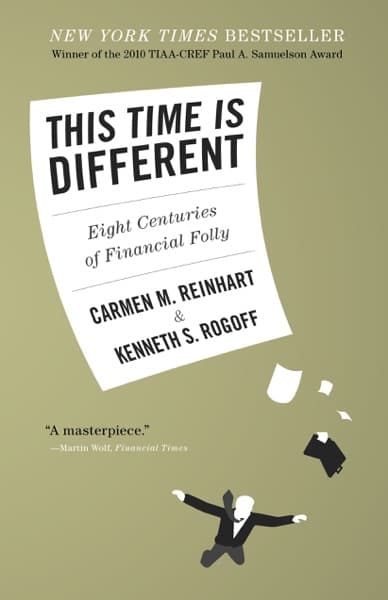
This Time Is Different
Carmen M. Reinhart, Kenneth S. Rogoff
Across countries, recessions rhyme because debt and banking stress keep outsmarting the phrase “this time is different.”
Leverage and banking risk create recurring aftermaths.
Reinhart and Rogoff compile cross-history patterns in crises, defaults, and downturns so you can compare eras instead of memorizing one. It matters for recession research because it builds an empirical baseline for what typically follows financial fragility.
The Great Depression: A Diary
Benjamin Roth
A recession stops being abstract when you watch ordinary days thicken with fear, rationing, and lost work.
Ground truth beats charts for understanding shocks.
Roth’s diary format delivers ground-level texture without losing the broader economic context of the Great Depression. If you want recession books that feel lived-in, this trades theory-only explanations for human evidence.
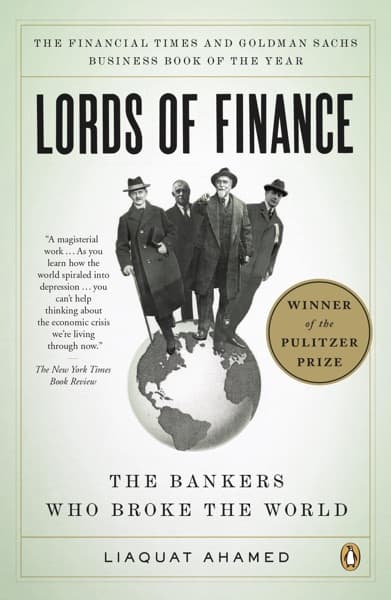
Lords of Finance
Liaquat Ahamed
Recessions intensify when central bankers misdiagnose risk and delay action, even as the system sends louder signals.
Policy delay can deepen financial collapse.
Ahamed follows the people and policy choices behind the collapse period that fed into the depression era. That makes it powerful for a recession-focused search because it ties macro outcomes to decision failures rather than blaming markets alone.
The big short
Michael Lewis, Francisco José Ramos Mena
The 2008 recession becomes a story of models, incentives, and deliberate blindness at scale.
Incentives beat models when everyone profits from risk.
Lewis turns financial engineering into cause-and-effect that you can actually track, showing how structural incentives amplified downturn risk. It fits the “recessions” theme by explaining which mechanisms translated housing stress into broad recession pressure.
Depressions can be demand-driven traps.

A Monetary History of the United States, 1867-1960
Milton Friedman, Anna Jacobson Schwartz
Recessions can be traced through money: when policy lets money contract, the economy bleeds into deeper, longer damage.
Monetary contraction worsens downturns.
Friedman and Schwartz offer the monetary interpretation that treats downswings as partly policy-managed outcomes. For recession study, this is a foundational counterpoint to purely behavioral or purely fiscal explanations.
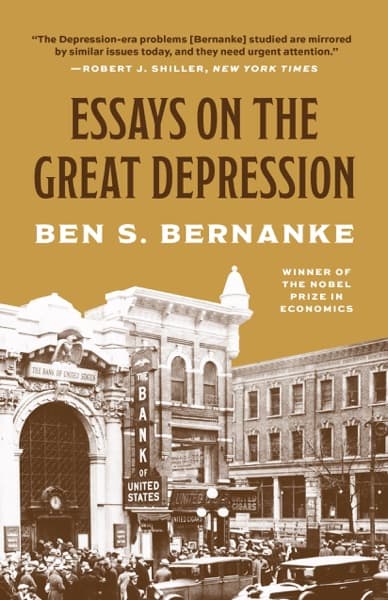
Essays on the Great Depression
Ben Bernanke
Banking collapse can make recession severity stick, turning temporary shocks into lasting economic damage.
Banking failures can prolong recessions.
Bernanke’s essays synthesize the research view linking the financial system’s failures to why recovery stalled. If your goal is to understand what makes recessions persist, this book gives the mechanism, not just the timeline.
Can we tailor this list for you?
Type your question in the bar below and the AI will tailor a fresh set of picks just for you.