Best Books on Economic Growth
Economic growth turns on more than GDP: the classics from Adam Smith to Elhanan Helpman map the mechanics, while Acemoglu and Robinson add the institutions that make growth stick.

The Wealth of Nations
Adam Smith
After finishing Adam Smith, growth reads less like luck and more like a system: incentives, division of labor, and trade turn local work into national prosperity.
Division of labor multiplies output through specialization.
Smith explains how specialization and market exchange can raise productivity without central direction. For economic growth, it gives the original lens for why economies expand when people are free to trade and invest.
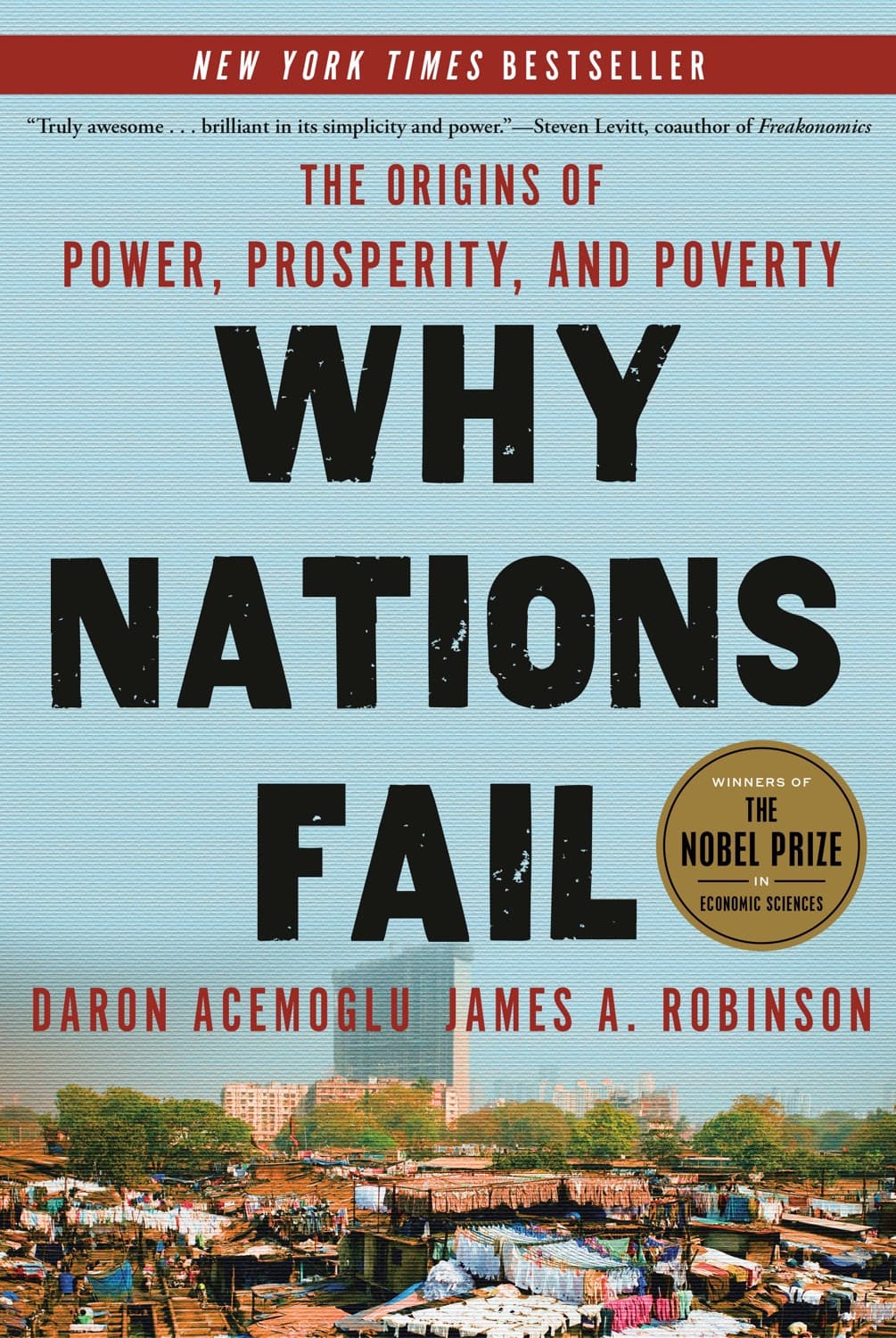
Why Nations Fail
Daron Acemoglu, James A. Robinson
Economic growth stops looking like a development recipe and starts looking like a political deal: when institutions extract, investment and innovation wither.
Inclusive institutions create incentives to invest and innovate.
Acemoglu and Robinson connect long-run prosperity to institutions that shape incentives, security, and market functioning. It matters for growth because it reframes policy debates into questions about power, rules, and credibility.
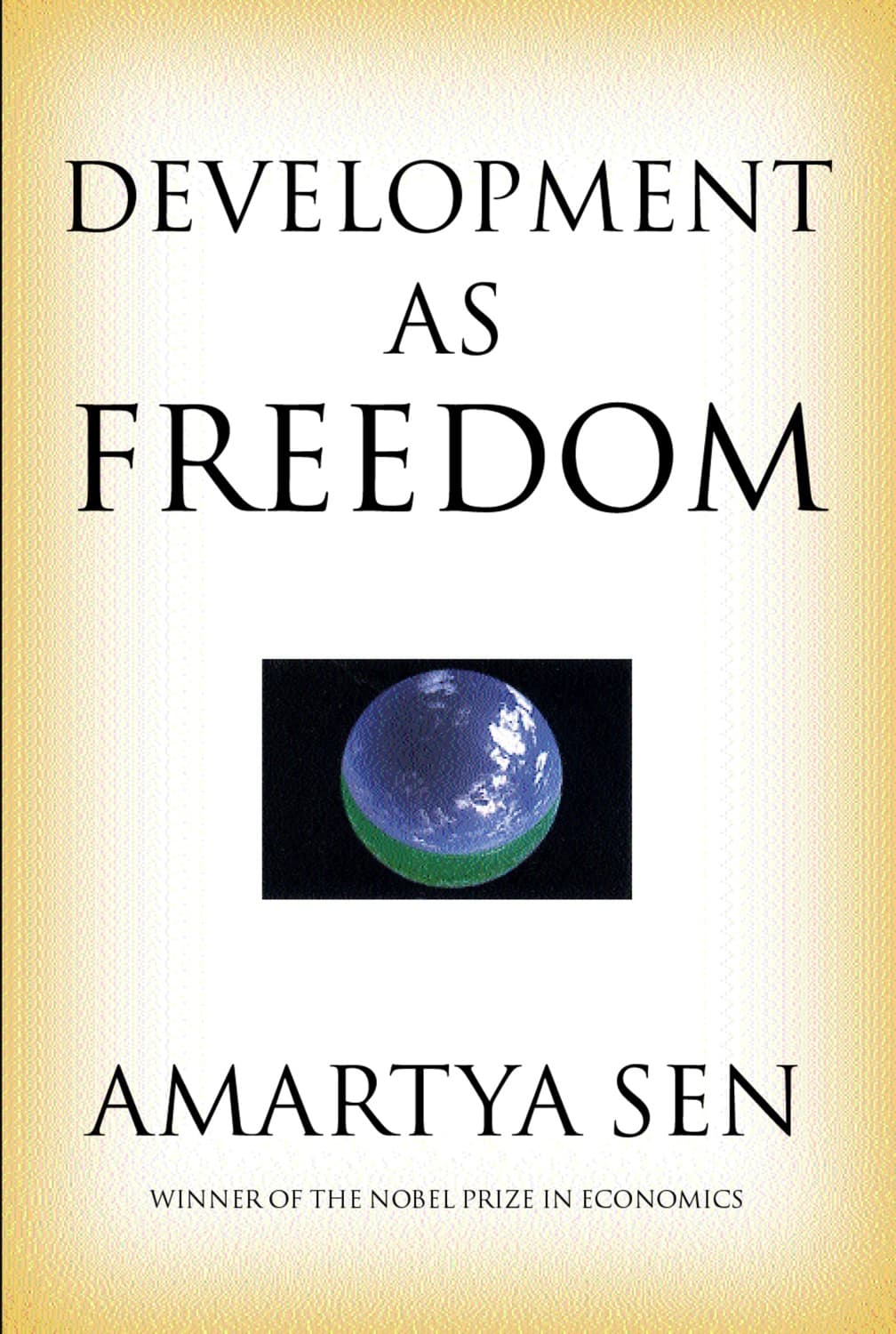
Development as Freedom
Amartya Sen
Growth changes character: it is not only output and rates, but the expansion of real freedoms people can exercise.
Development means expanding capabilities, not just income.
Sen links economic progress to capabilities, rights, and institutions that protect life, health, and participation. For economic growth, it keeps the focus on what progress enables, not just what it measures.

The Great Escape
Angus Deaton
After Deaton, growth reads as a public-health and welfare story as much as an economic one, with inequality and living standards in the same frame.
Health and welfare changes can outpace economic slogans.
Deaton explains the historical forces behind modern prosperity and where the data complicates simple narratives. It matters for growth because it connects macro success to outcomes people actually experience.
The Rise and Fall of American Growth
Robert J. Gordon
Economic growth gets harder to romanticize after Gordon: productivity acceleration is not guaranteed, and demographic plus structural headwinds can change the whole trajectory.
Growth can slow when major headwinds overwhelm innovation.
Gordon offers a rigorous history of productivity, living standards, and the reasons modern growth may slow compared with the past. For growth, it sharpens how you think about drivers that fade, shift, or rebound.
The Wealth and Poverty of Nations
David S. Landes
Economic divergence stops being mysterious after Landes: history, institutions, and culture shape whether societies build productive systems.
Historical pathways shape national industrial outcomes.
Landes surveys why some nations industrialized and others did not, linking prosperity to broad historical forces. For economic growth, it delivers a sweeping explanatory framework that pushes beyond single-factor theories.
Inclusive institutions create incentives to invest and innovate.
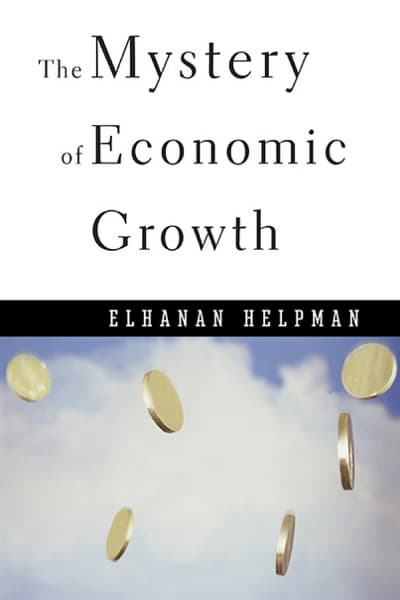
The Mystery of Economic Growth
Elhanan Helpman
Helpman makes growth intelligible as a set of interacting engines: technology, incentives, and trade shape the equilibrium path of economies.
Growth theories differ by how they model technology and incentives.
This book synthesizes the major economic growth theories into a coherent map. If you want a structured mental model of what drives growth and how competing theories differ, this is a clear anchor.
Can we tailor this list for you?
Type your question in the bar below and the AI will tailor a fresh set of picks just for you.