Best Books on Corporate Lawyers
Corporate-law excellence gets its spotlight in books like James B. Stewart’s The Partners and Too Big to Fail by Andrew Ross Sorkin, where deal strategy, ethics, and negotiation pressure show up as lived practice, not legal theory.
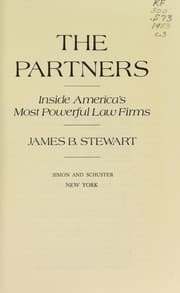
The Partners
James B. Stewart
Stewart’s look at elite Wall Street firms turns corporate law into a system of incentives, where the smartest partners win by controlling risk and relationships.
Partner power runs on risk control and deal access
You see how corporate lawyers actually structure, negotiate, and protect reputations inside the highest-stakes firms. That lens fits corporate-law readers who want how strategy gets made under pressure, not just what rules say.

A civil action
Jonathan Harr
A civil lawsuit becomes a corporate-law mirror: billable hours, discovery leverage, and litigation economics can matter as much as legal merits.
Litigation economics can decide the case
The book treats firm decision-making as an engine, showing how strategy, funding, and timing reshape outcomes. It helps corporate-law readers understand the business side of lawyers when pressure hits and uncertainty grows.
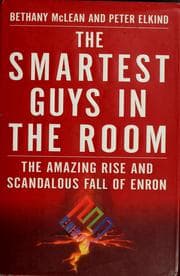
The Smartest Guys in the Room
Bethany McLean, Peter Elkind
Legal and governance blind spots sit behind the fraud, so the story feels less like bad luck and more like a system that failed to question itself.
Incentives beat skepticism when oversight is thin
This corporate scandal case study tracks how firms and advisors interact when incentives reward momentum. For corporate-law readers, it spotlights where lawyerly judgment and oversight can break down in high-risk finance.
Barbarians at the gate
Bryan Burrough, John Helyar
A hostile takeover story reveals how corporate-law mechanics around leverage, terms, and process can steer the outcome before the deal even closes.
Deal terms and process can outrun the headline
The RJR Nabisco narrative makes the law feel tactical: who controls the structure, who frames the strategy, and how lawyers navigate urgency. It fits corporate-law interests focused on deals as negotiations with legal architecture.
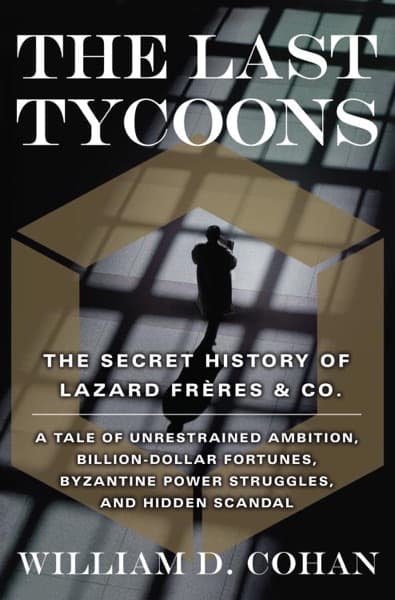
The Last Tycoons
William D. Cohan
Big Wall Street battles hinge on legal engineering as much as ambition, turning corporate finance into a choreography of counsel and contracts.
Legal architecture translates ambition into control
Cohan’s readable history stays close to the mechanisms behind major corporate moves, where lawyers help translate pressure into structure. If you want corporate-law books that explain deal logic through real actors, this lands cleanly.
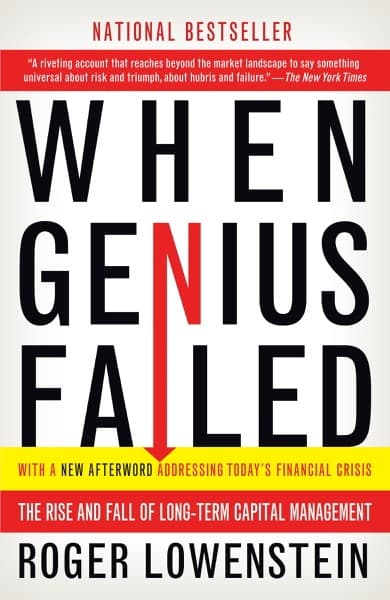
When Genius Failed
Roger Lowenstein, Roger Lowenstein
Long-Term Capital Management’s collapse shows how risk modeling, governance, and legal structuring can fail together, not separately.
Oversight fails when governance stops asking hard questions
The story makes clear that corporate and finance crises often involve advisors and lawyers whose choices shape exposure. For corporate-law readers, it’s a practical warning about where paperwork and oversight do not automatically prevent disaster.
Litigation economics can decide the case
The Predators' Ball
Connie Bruck
Connie Bruck places lawyers in the bloodstream of junk-bond dealmaking, showing how credibility and deal structure feed each other.
Junk-bond momentum runs on legal credibility
This Wall Street account explains how corporate financing can be propelled by counsel-driven narratives and transaction choices. It fits corporate-law readers who want to understand how legal storytelling and structuring enable risk.
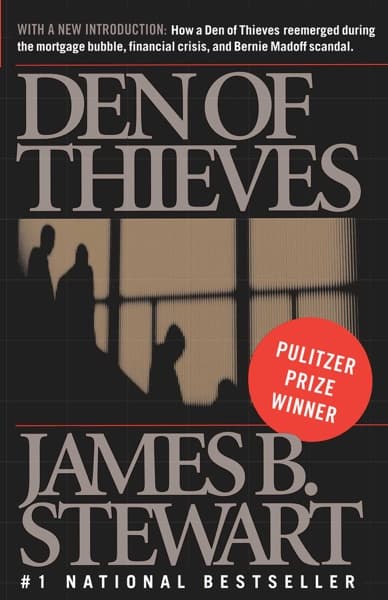
Den of Thieves
James B. Stewart
A corporate-crime narrative that centers insider trading shows how legal strategy, information flow, and enforcement pressure collide.
Insider trading cases turn on information and intent proof
Stewart uses a lawyerly lens on wrongdoing and accountability, making the legal process feel connected to how corporate players think. It’s a strong fit for corporate-law readers drawn to ethics, investigation, and the sharp edges of compliance.
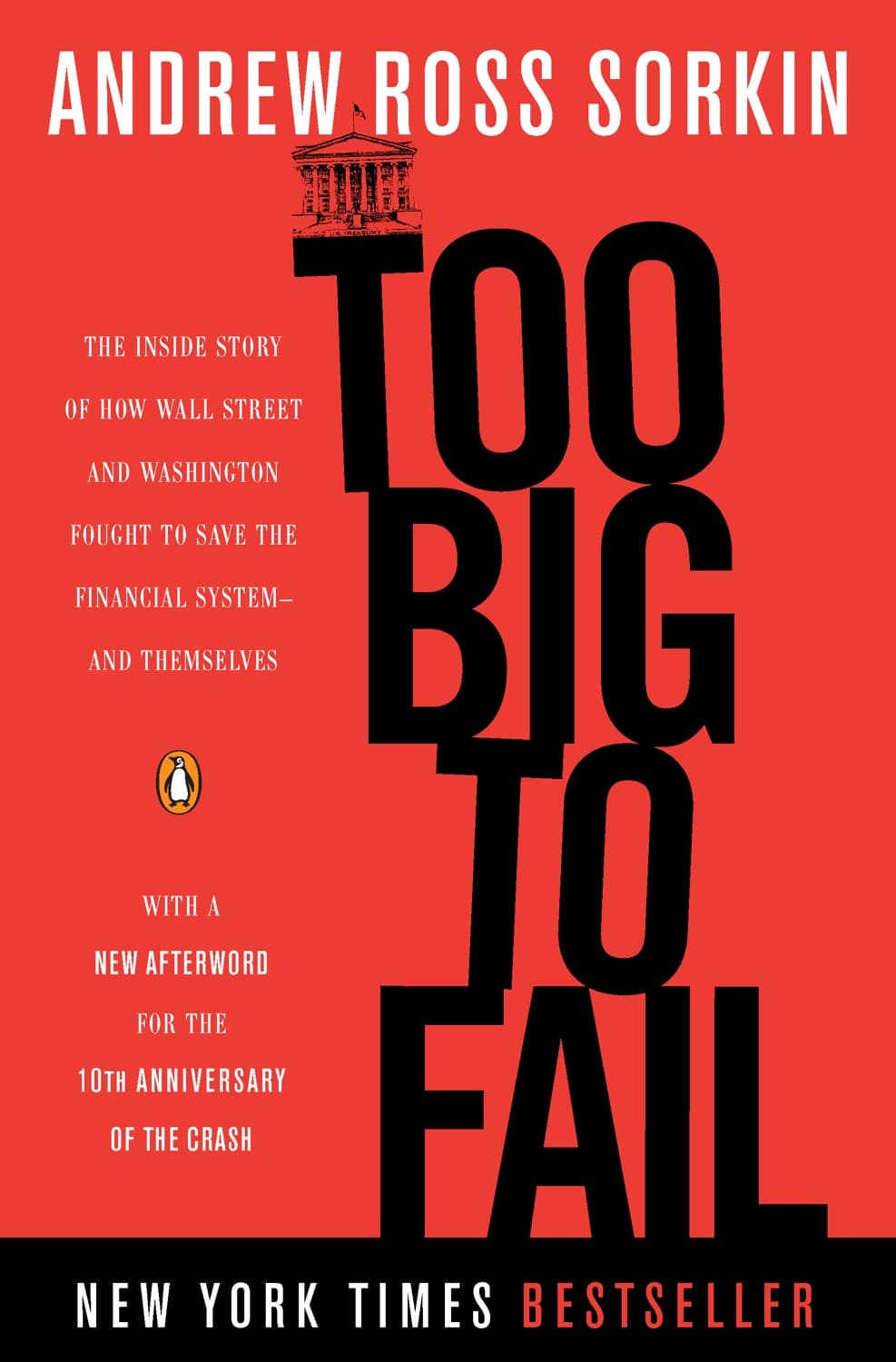
Too Big to Fail
Andrew Ross Sorkin
The 2008 crisis reads like a high-stakes negotiation between corporate actors and their lawyers, where every draft carries real market consequences.
Crisis law is negotiation under political and market constraints
Sorkin follows the decision-making ecosystem around major institutions and the attorneys working the edges of policy and deal terms. For corporate-law readers, it’s ideal when you want crisis lawyering: pragmatism, politics, and fast-moving risk management.
Can we tailor this list for you?
Type your question in the bar below and the AI will tailor a fresh set of picks just for you.