Best Books for 1L Students
1L life has a distinctive kind of pressure: Scott Turow’s One L turns it into lived experience, while Law school confidential and Law School Without Fear translate that stress into method for exams and classes.
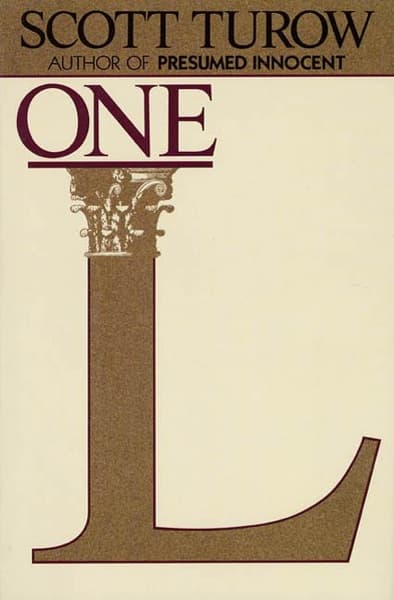
One L
Scott Turow
Finish One L with a sharper sense of what law school culture does to your thinking: not just what you study, but how you learn to endure it.
The 1L year rewards endurance plus strategy.
Turow’s memoir doesn’t flatter the 1L year. It reframes the pressure as a system of incentives and expectations, which helps you plan your time, attention, and study habits without pretending it is easy.
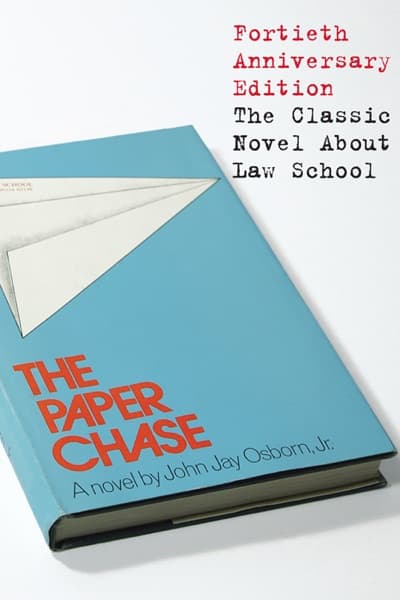
The Paper Chase
John Jay Osborn
After The Paper Chase, the Socratic classroom stops feeling like a mystery and starts feeling like a performance you can learn to survive.
Cold calls reward preparation and composure.
Osborn’s novel captures the pedagogy and fear around cold calls and grading. That lens makes it easier to interpret feedback early, so you don’t confuse intimidation with personal failure.
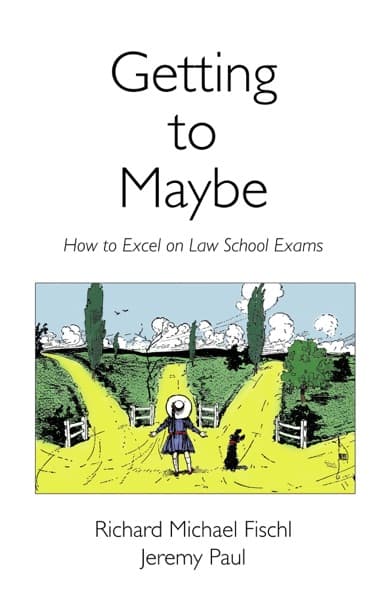
Getting to maybe
Richard Michael Fischl
Getting to maybe changes how you see exam answers: fewer legal facts as storytelling, more logic that mirrors how courts reason.
IRAC is a tool, not the goal: master issue spotting and rule reasoning.
This book’s core contribution is exam thinking, with a focus on how to structure analysis so it reads like the reasoning you want the reader to follow. For a 1L, that matters because grades often hinge on method more than mastery of every detail.
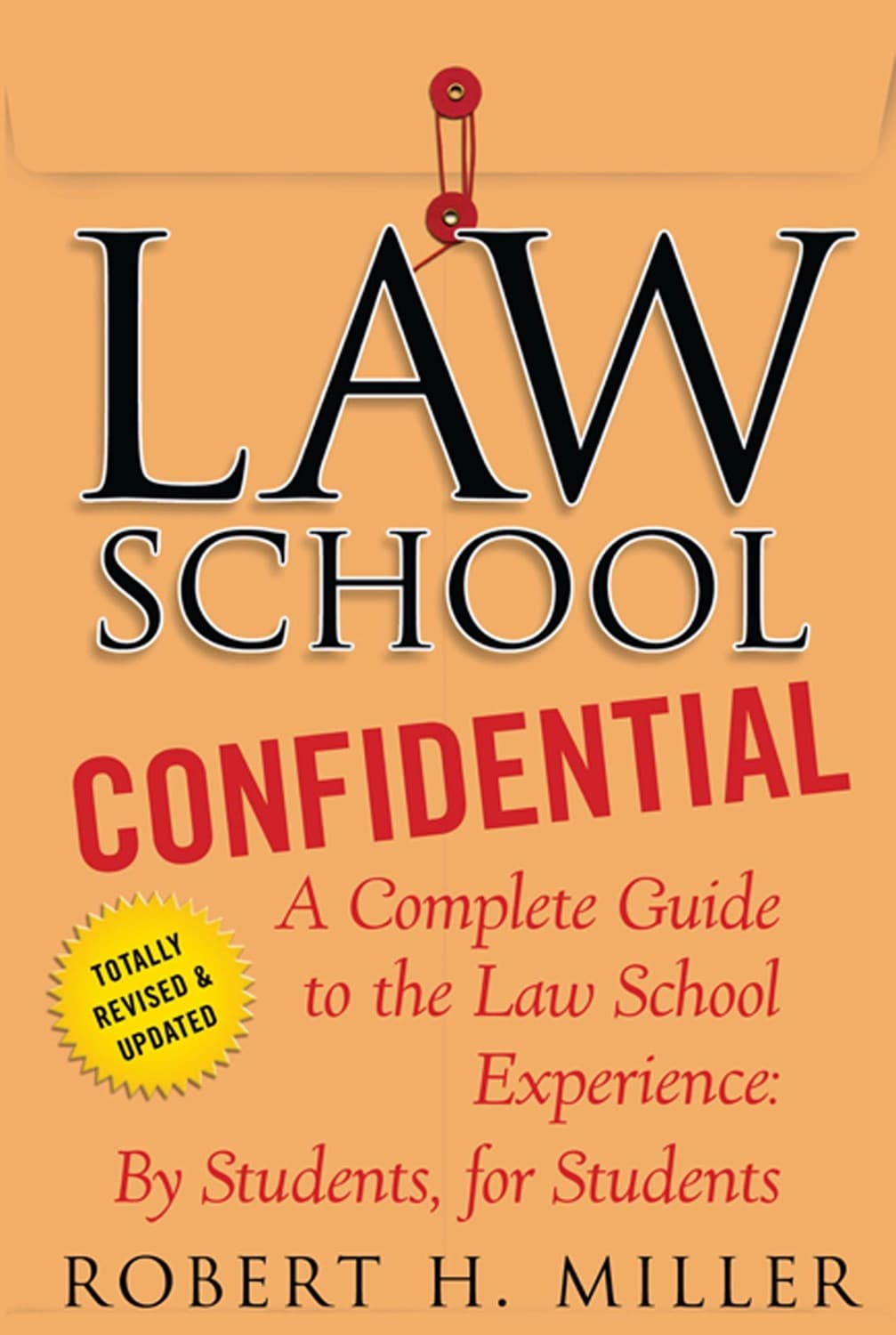
Law school confidential
Robert H. Miller
Law school confidential turns the first-year rulebook into something you can actually use, because it treats grades like a predictable outcome of choices.
Tactical class prep beats last-minute panic.
Miller makes survival actionable: what to do in class, how to prepare, and how to avoid common 1L traps. If you want a practical advantage, it offers a playbook for converting effort into measurable academic results.
Planet law school II
Atticus Falcon
Planet law school II gives you a first-year mindset shift: treat study as a system you tune, not a test you endure.
Make your study plan match professor incentives.
The book leans into tactics for performance in 1L settings, with emphasis on how to handle assignments, readings, and staying aligned with professor expectations. It helps when you feel overwhelmed and need a coherent routine for day-to-day work.
The bramble bush
Karl N. Llewellyn
After The bramble bush, legal reasoning feels less like memorization and more like disciplined analysis of how categories and arguments do their work.
Reasoning clarifies categories, then drives conclusions.
Llewellyn builds an orientation to law school method that supports everything else you do in 1L classes. It matters because exam success depends on spotting structure in the problem, not just recalling rules.
Cold calls reward preparation and composure.
Law School Without Fear
Helene S. Shapo, Marshall S. Shapo
Law School Without Fear replaces panic with process: you learn to approach law school work as learnable skills rather than talent.
Confidence comes from method, not luck.
Shapo and Shapo offer a professor-tested guide that targets how students actually succeed in 1L life. It’s especially useful when you need steadier confidence about reading, outlining, and taking exams.
Can we tailor this list for you?
Type your question in the bar below and the AI will tailor a fresh set of picks just for you.