Best Books on NIMBYism & Zoning Reform
NIMBYism and zoning reform become concrete through books like M. Nolan Gray’s Arbitrary Lines and Shane Phillips’ The Affordable City: they connect exclusionary rules to real housing outcomes and show how reform actually moves.
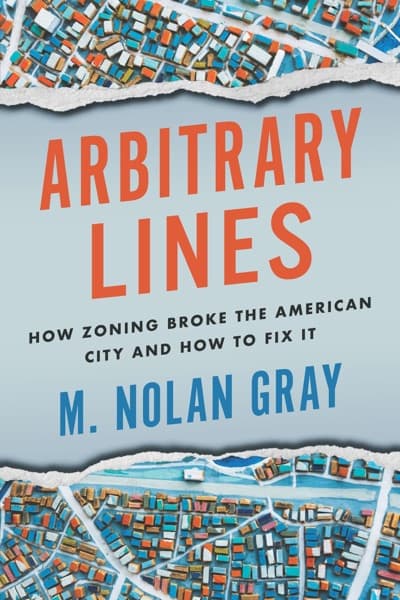
Arbitrary Lines
M. Nolan Gray
Arbitrary Lines turns zoning arguments into a charge-and-response: exclusionary zoning is not tradition, it is a set of discretionary choices with measurable effects.
Zoning is choice disguised as neutrality
Gray’s account is contemporary and reform-minded, focusing on how “neutral” land-use rules become exclusion in practice. For NIMBYism, it gives you a language to criticize the boundary-making mentality without getting lost in slogans.
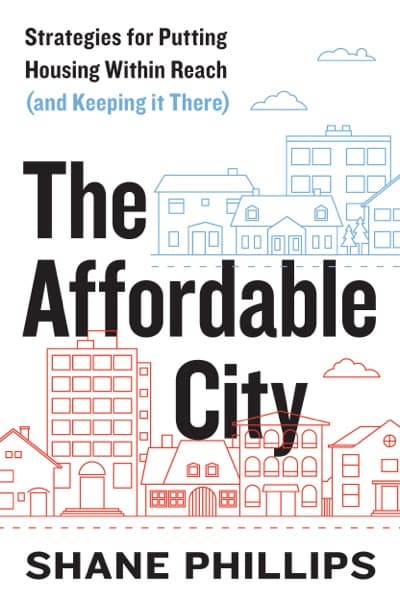
The Affordable City
Shane Phillips
The Affordable City argues that housing affordability is mostly a zoning and supply problem, so the fastest lever is changing what land can actually become.
Affordability tracks supply constraints
Phillips lays out zoning reform as a practical tool kit tied to affordability outcomes, not just a moral critique of NIMBY behavior. It helps when you want reforms that can plausibly be implemented, measured, and defended.
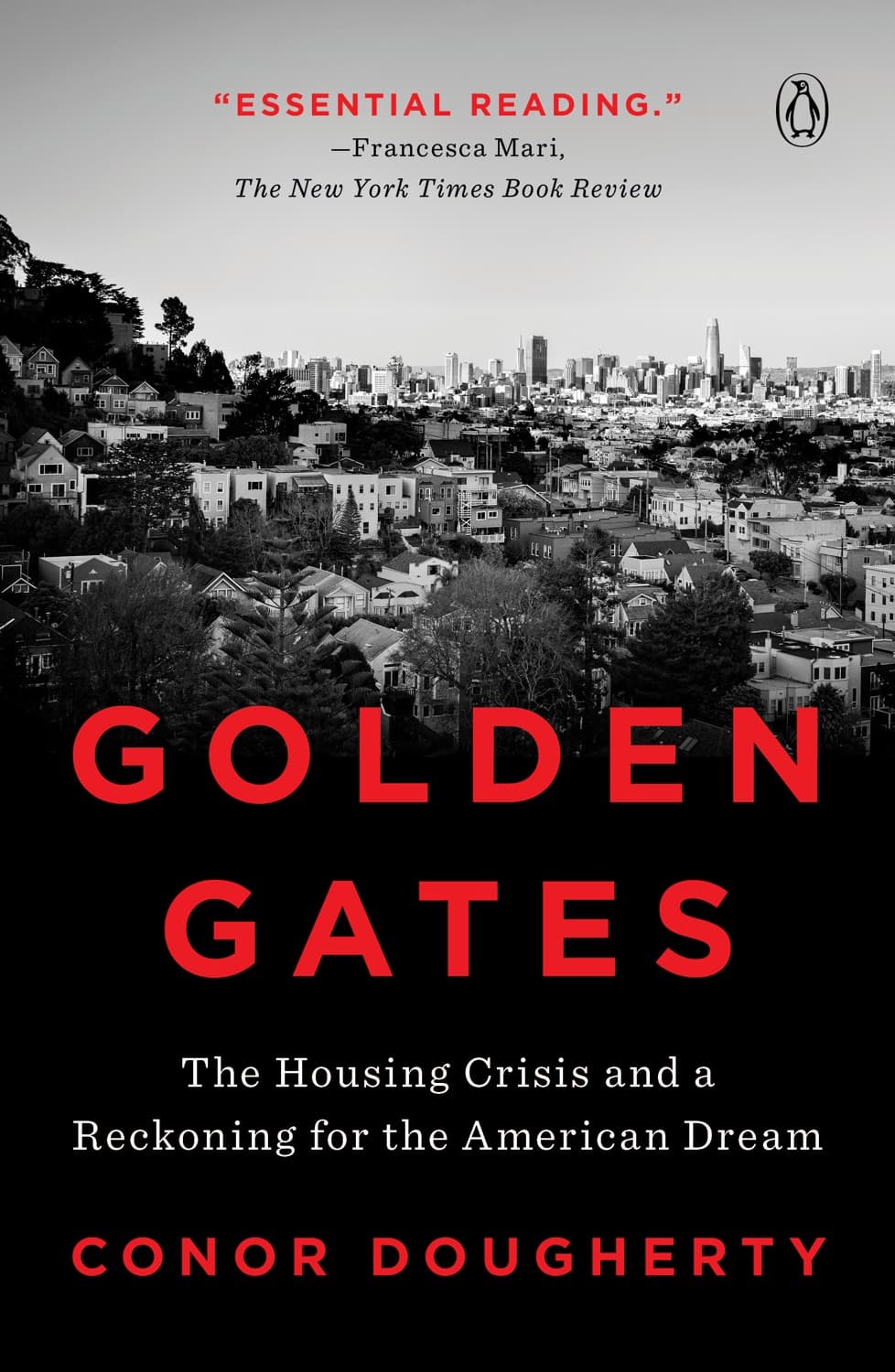
Golden Gates
Conor Dougherty
Golden Gates makes anti-growth politics feel intimate: decisions around housing and development ripple outward until the “neighborhood” story becomes a citywide crisis.
Local vetoes scale into regional scarcity
Dougherty’s narrative history translates zoning and NIMBYism into characters, incentives, and institutional power. It is especially useful when your goal is to persuade people who respond more to story and lived consequences than policy jargon.
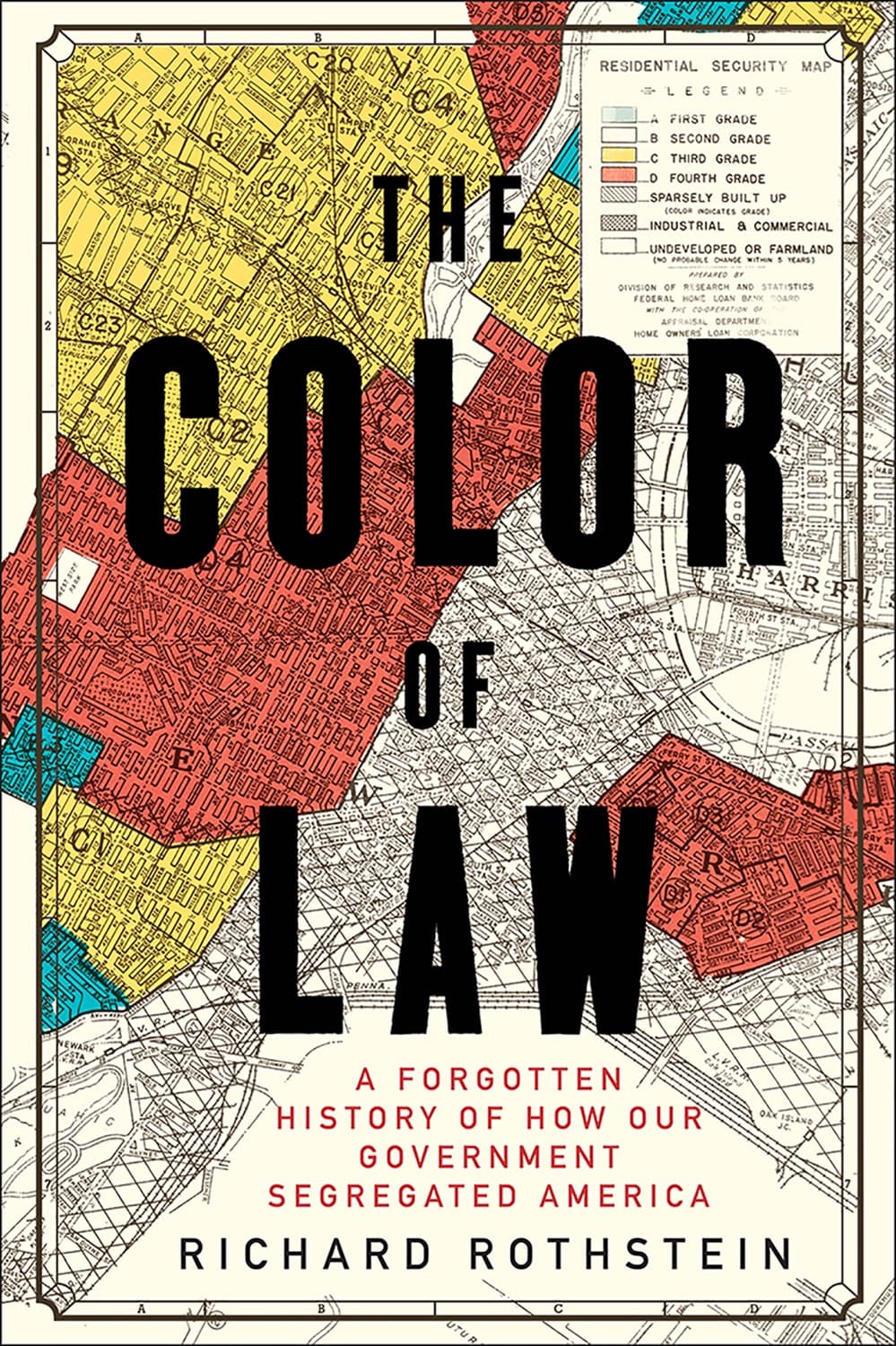
The Color of Law
Richard Rothstein
The Color of Law reframes segregation as engineered policy, not accidental social preference, and zoning is one of the key instruments.
Segregation was enforced by law
For zoning reform, you need the historical mechanism: Rothstein connects land-use rules to segregated housing systems, which clarifies why NIMBYism often protects more than “character.” It supplies durable background that makes reform arguments harder to dismiss as merely contemporary politics.
Zoned in the USA
Sonia A. Hirt
Zoned in the USA explains zoning as a technology of governance: once the rules exist, they manufacture segregation, sprawl, and inequality by design.
Zoning institutionalizes exclusion
Hirt gives you the logic behind American zoning’s rise and the consequences that follow. When tackling NIMBYism, this helps you identify the underlying incentives and assumptions that make reform politically difficult.
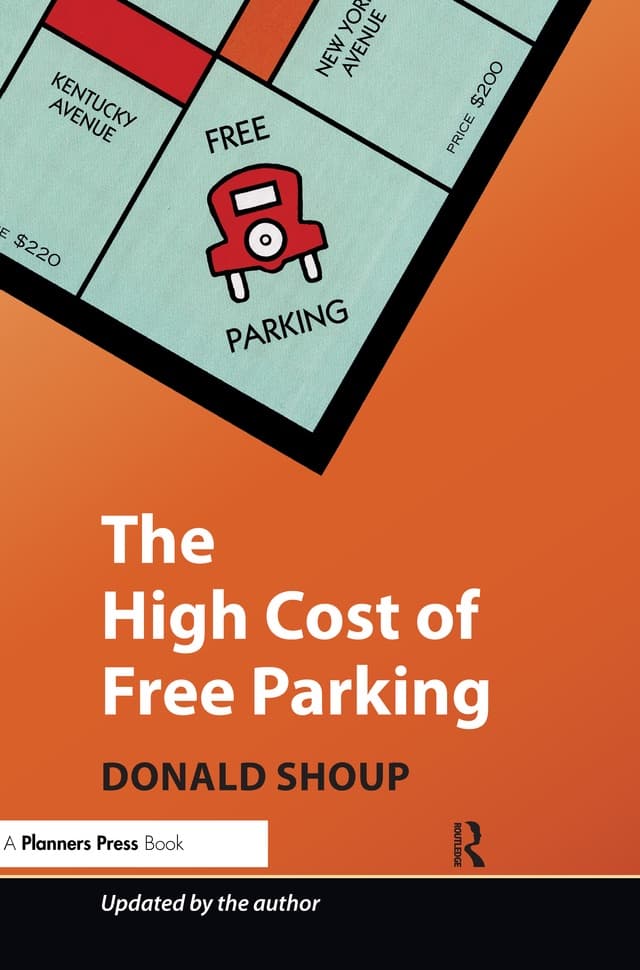
High Cost of Free Parking
Donald Shoup
High Cost of Free Parking claims the parking mandate does more than manage cars: it reshapes land use, enabling sprawl and limiting housing where sites could densify.
Parking minimums distort development
Shoup links zoning-adjacent rules to the housing scarcity story, which makes it a powerful supplement to a straight “zoning code” approach. If NIMBYism shows up as parking pressure, this gives you a sharper technical rebuttal grounded in real behavior and incentives.
Affordability tracks supply constraints
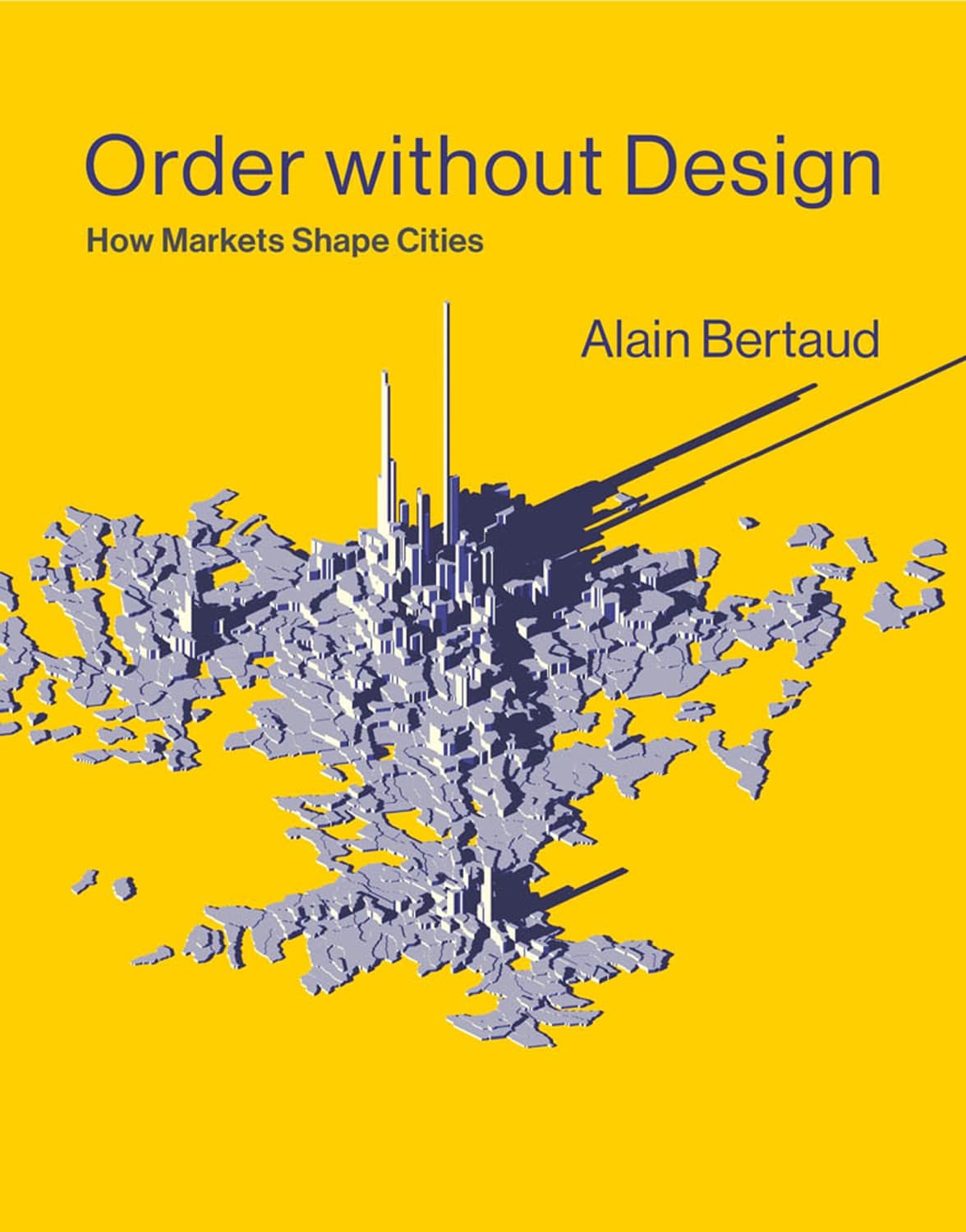
Order without Design
Alain Bertaud
Order without Design defends the idea that cities need flexible land and permissive frameworks, because rigid planning regimes create the chaos they try to prevent.
Prices coordinate land use better than plans
Bertaud offers an urban economics framework often invoked in zoning reform debates: align rules with market signals instead of pretending design can replace price and location. It is a strong way to reframe NIMBYism as a failure of planning assumptions, not only local prejudice.
Fixer-upper
Jenny Schuetz
Fixer-upper treats zoning reform as feasible governance, arguing that many supply bottlenecks persist because reforms are politically engineered to be partial or delayed.
Partial reforms won’t unlock supply
Schuetz blends clarity with policy realism, mapping where zoning supply constraints come from and what remedies actually address them. For NIMBYism, it helps you distinguish performative gestures from changes that loosen the constraints housing affordability depends on.
Can we tailor this list for you?
Type your question in the bar below and the AI will tailor a fresh set of picks just for you.