Best Books on Gentrification
Gentrification studies that feel lived-in: Lance Freeman’s There goes the 'hood grounds the story in block-by-block power, while Matthew Desmond’s Evicted shows displacement as a housing system, not a slogan.
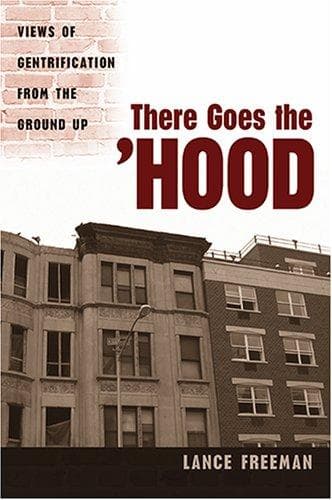
There goes the 'hood
Lance Freeman
Lance Freeman maps gentrification as a struggle over who gets to stay, work, and claim safety in everyday neighborhoods.
Gentrification is shaped by institutions, not just markets
Rather than treating change as a generic economic wave, it follows how local politics, institutions, and residents shape outcomes. That focus makes it a strong anchor when you want to understand gentrification as neighborhood power, not just rent increases.
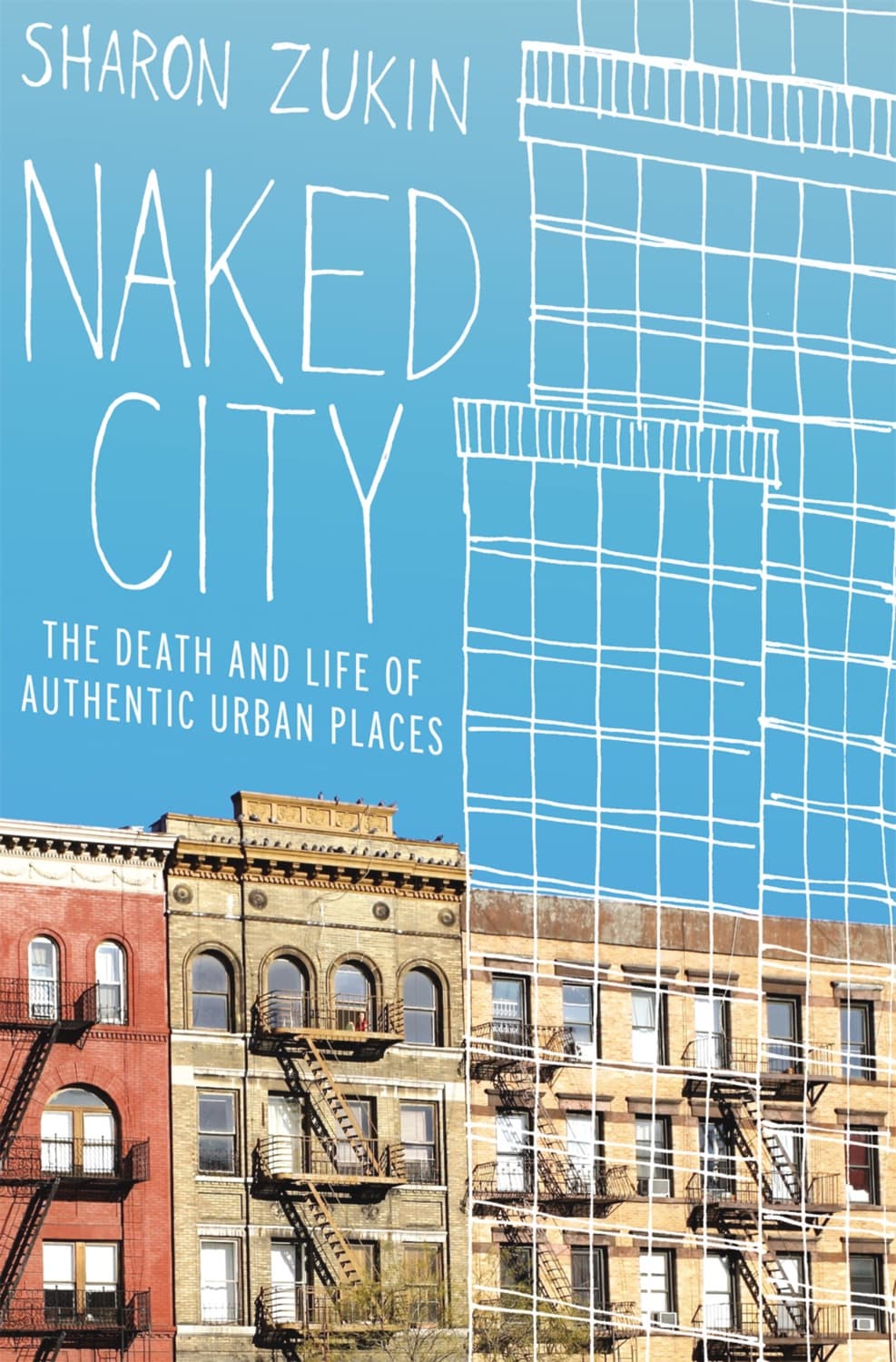
Naked City
Sharon Zukin
Sharon Zukin exposes how “authentic” neighborhoods become a marketing asset, then a justification for redevelopment.
Authenticity can be a tool of redevelopment
It links redevelopment to culture: consumption, aesthetics, and the political power of branding places as real or timeless. If your interest in gentrification includes the feel and stories of a neighborhood, this gives the language for that shift.
Evicted
Matthew Desmond
Evicted shows eviction as a chain reaction: housing instability spreads through households, workplaces, and community ties.
Eviction is not rare: it is systemic
It turns “displacement” from an outcome into a process, making visible the human costs that follow neighborhood change. For gentrification reading, it grounds the debate in what people actually endure when rents and landlords tighten.
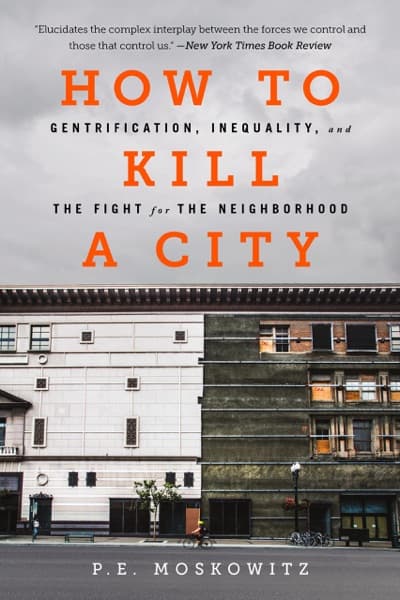
How to Kill a City
Peter Moskowitz
Moskowitz treats gentrification as a policy and capital story, where the battle is over who controls land and public life.
Gentrification follows capital and policy incentives
This book is built to be accessible while staying politically sharp about how redevelopment choices reshape cities. It fits readers who want a clearer, city-by-city explanation of how gentrification accelerates under certain conditions.
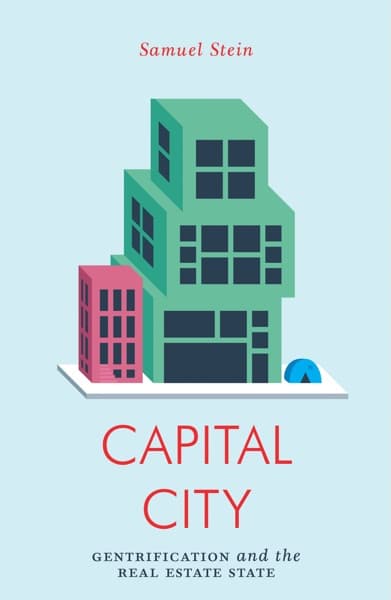
Capital City
Samuel Stein
Capital City argues that gentrification is inseparable from planning: zoning, finance, and real estate turn neighborhoods into projects.
Planning and real estate make gentrification legible
Instead of centering individual “good intentions,” it explains how institutions and maps produce outcomes. That matters when you want gentrification to make sense as a planning and investment machine.
The Death and Life of Great American Cities
Jane Jacobs
Jane Jacobs challenges the idea that redevelopment automatically improves cities by defending the messy logic of real street life.
Sidewalk ecosystems require small-scale diversity
Even though it predates modern gentrification debates, it supplies the arguments behind why so many later critiques focus on displacement of everyday community functions. It is useful when your goal is to understand what gets lost and why urban planners get it wrong.
Authenticity can be a tool of redevelopment
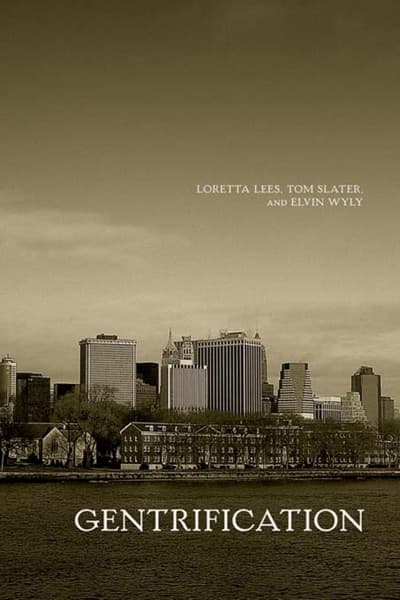
Gentrification
Loretta Lees, Tom Slater, Elvin Wyly
Lees, Slater, and Wyly synthesize gentrification across economics, politics, and inequality into a single set of concepts you can reuse.
Gentrification is multifactorial: capital, policy, and class
This is a scholarly map: it clarifies competing explanations and the consequences people keep arguing about. If your readings so far feel scattered, this helps you connect themes into a coherent framework.
Planet of Slums
Mike Davis
Mike Davis widens the frame: the world’s “slums” are linked to global capital and restructuring, not just local neglect.
Urban inequality connects locally to global capital
While it’s not a narrow gentrification book, the global lens changes how neighborhood change can be understood as part of larger urban transformations. It helps when you want gentrification placed beside broader systems that produce inequality.
Can we tailor this list for you?
Type your question in the bar below and the AI will tailor a fresh set of picks just for you.