Best Books on the Energy Crisis
Energy runs the modern economy and quietly shapes its conflicts, from Daniel Yergin's history of oil in The Prize to Vaclav Smil's hard numbers on power and Saul Griffith's case for electrifying everything. These books cover the systems, the transition, and the geopolitics.
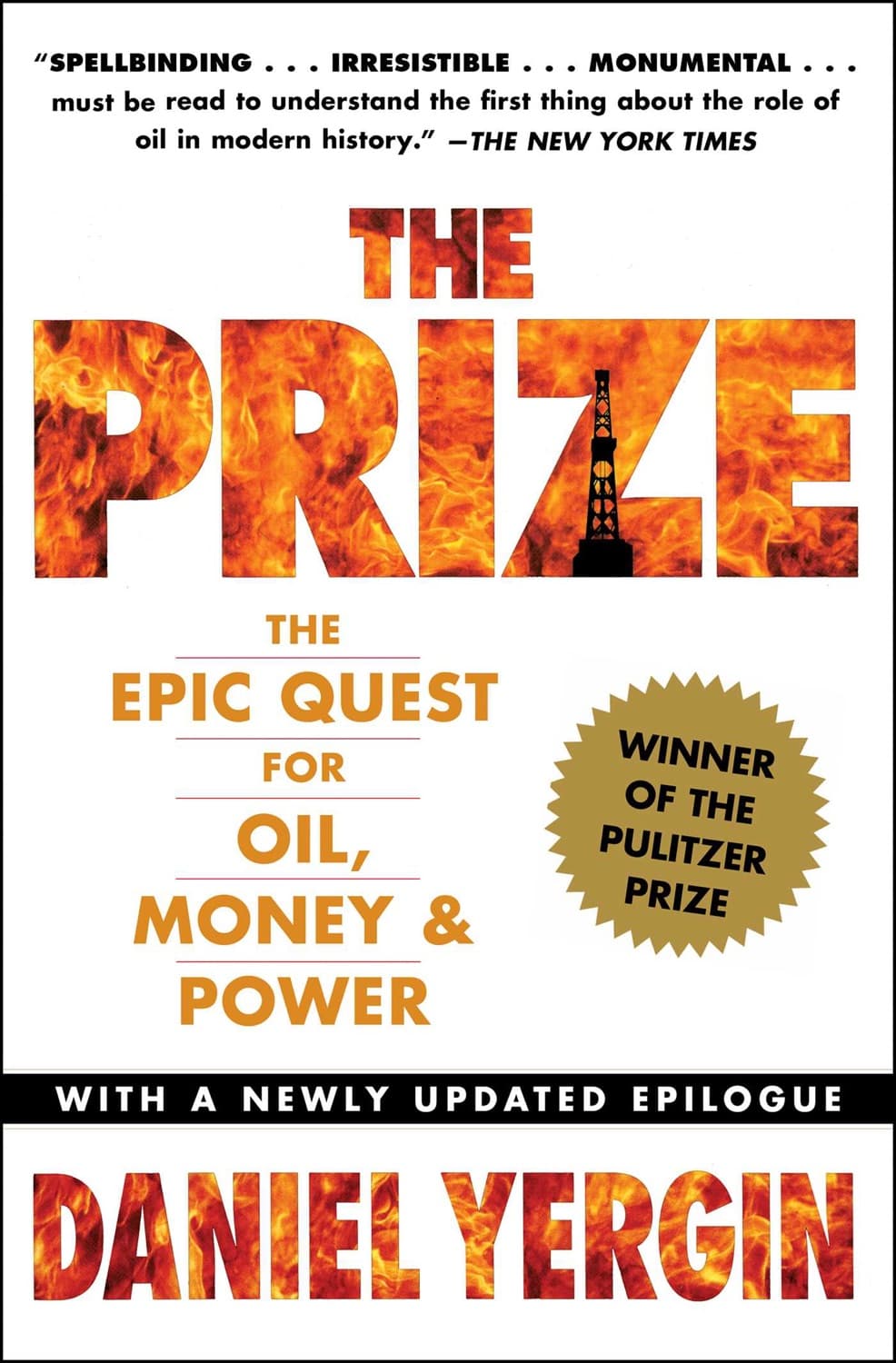
The Prize
Daniel Yergin
A century of oil, told as a story of money, power, and the wars fought over both.
Oil has driven national strategy for over a century.
Daniel Yergin traces the petroleum industry from the first wells to the Gulf War, showing how oil reshaped economies, empires, and statecraft. It is the narrative backbone for understanding why energy and geopolitics are inseparable. Best for readers who want history before theory.
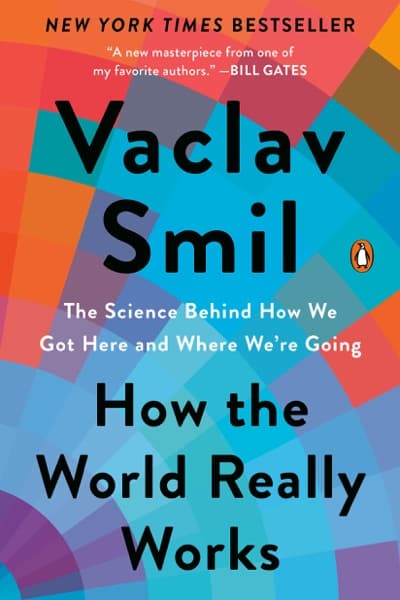
How the World Really Works
Vaclav Smil
The four pillars of modern life run on fossil fuels, and the numbers explain why.
Modern food production runs on fossil energy.
Vaclav Smil shows how ammonia, steel, concrete, and plastics depend on energy that is hard to replace quickly. He is skeptical of easy timelines and grounds every claim in quantities. Best for readers who want a clear-eyed, jargon-free starting point.
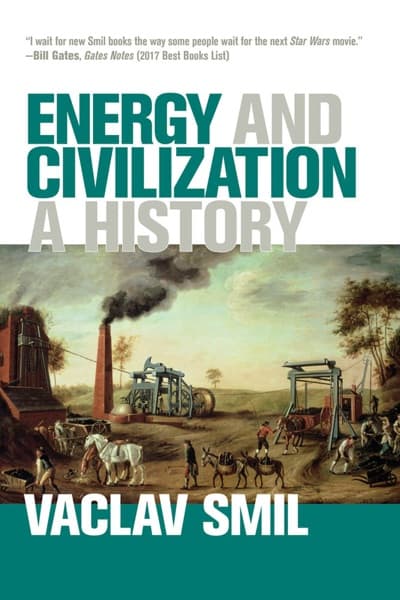
Energy and Civilization
Vaclav Smil
Human history retold through the energy that powered each leap forward.
Every civilization rises on its energy supply.
Vaclav Smil charts the path from muscle and firewood to fossil fuels and electricity, linking energy use to agriculture, cities, and economic growth. It gives the long view that makes today's transition feel less abrupt. Best for readers who want depth over speed.
Sustainable Energy
David J. C. MacKay
A physicist works out, in plain arithmetic, whether clean energy can actually add up.
If everyone does a little, we get a little.
David J. C. MacKay compares energy consumption against what renewables can realistically supply, country by country and source by source. It teaches you to reason about energy in numbers rather than slogans. Best for readers who want to test claims for themselves.
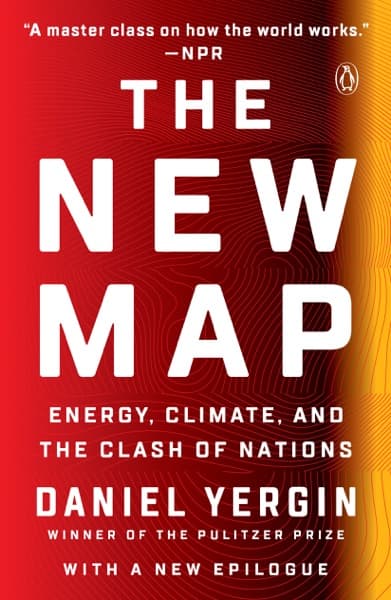
The New Map
Daniel Yergin
Shale, renewables, and great-power rivalry redraw the map of who holds energy leverage.
Shale upended the global balance of energy power.
Daniel Yergin examines how the US shale boom, electric vehicles, and climate policy are shifting power between nations. It connects energy markets to the tensions between the US, Russia, and China. Best for readers who want the current geopolitical picture.
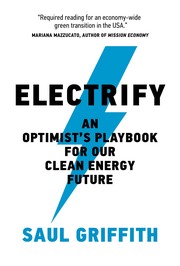
Electrify
Saul Griffith
The fastest path to cutting emissions is to electrify almost everything, starting at home.
Electrify heating, driving, and cooking to cut carbon.
Saul Griffith lays out a practical plan to swap furnaces, cars, and stoves for electric versions powered by clean generation. It is concrete and optimistic about what households and policy can do now. Best for readers who want an action-oriented transition playbook.
Modern food production runs on fossil energy.
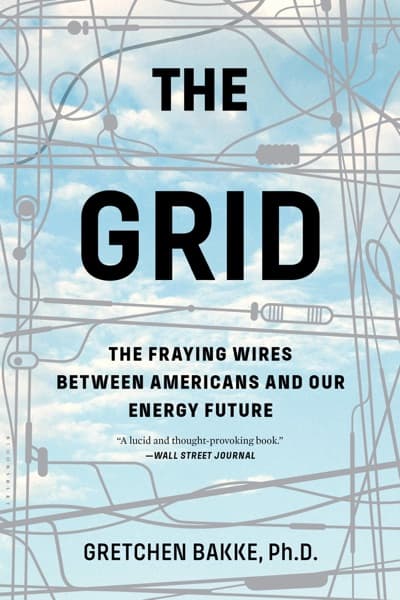
The Grid
Gretchen Bakke
The aging machine that delivers electricity is far more fragile than most people assume.
Renewables need a grid built to handle them.
Gretchen Bakke explains how the American grid was built, why it struggles with renewables, and what modernizing it would take. It makes infrastructure the central character of the energy story. Best for readers curious about why the transition is hard in practice.
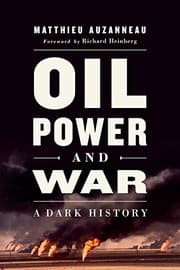
Oil, Power, and War
Matthieu Auzanneau
Two hundred years of oil reframed as the hidden engine of economic growth and crisis.
Cheap oil quietly financed a century of growth.
Matthieu Auzanneau follows oil from its industrial origins to peak-oil debates and financial shocks, arguing that cheap energy underwrote modern prosperity. This translated French history is a less familiar but substantial deep dive. Best for readers who want a critical, long-range account.
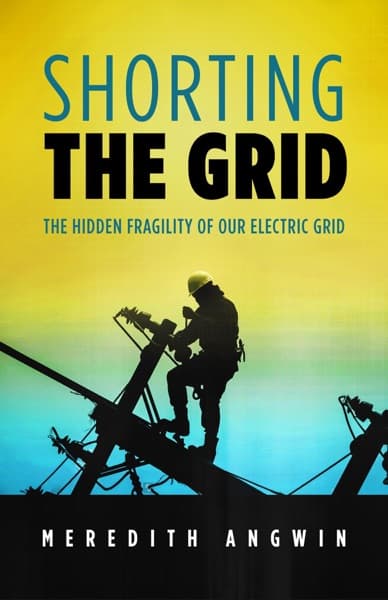
Shorting the Grid
Meredith Angwin
An insider explains why electricity markets, not just power plants, decide whether the lights stay on.
Market design decides whether the grid stays reliable.
Meredith Angwin, a chemist who worked in the power industry, unpacks how deregulated markets and policy choices affect grid reliability. It is a pointed, practitioner's-eye complement to the bigger-picture books. Best for readers who want to understand reliability and market design.
Can we tailor this list for you?
Type your question in the bar below and the AI will tailor a fresh set of picks just for you.