Best Books for Engineering Managers on Technical Debt
Technical debt becomes manageable when you treat architecture and change as leadership decisions: Managing Technical Debt (Kruchten, Ozkaya) anchors the strategy, while Refactoring (Martin Fowler) supplies the safe mechanics.
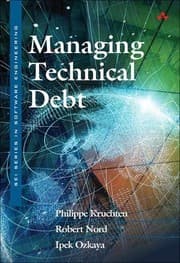
Managing Technical Debt
Philippe Kruchten, Ipek Ozkaya
After reading Managing Technical Debt, “technical debt” stops being a metaphor and becomes a measurable management problem tied to decisions and risk.
Technical debt is managed through explicit tradeoffs and risk.
This book translates technical debt into a way to think, communicate, and trade off options across the lifecycle. For engineering managers, it gives language and structure to turn recurring design shortcuts into an actionable backlog and organizational rhythm.
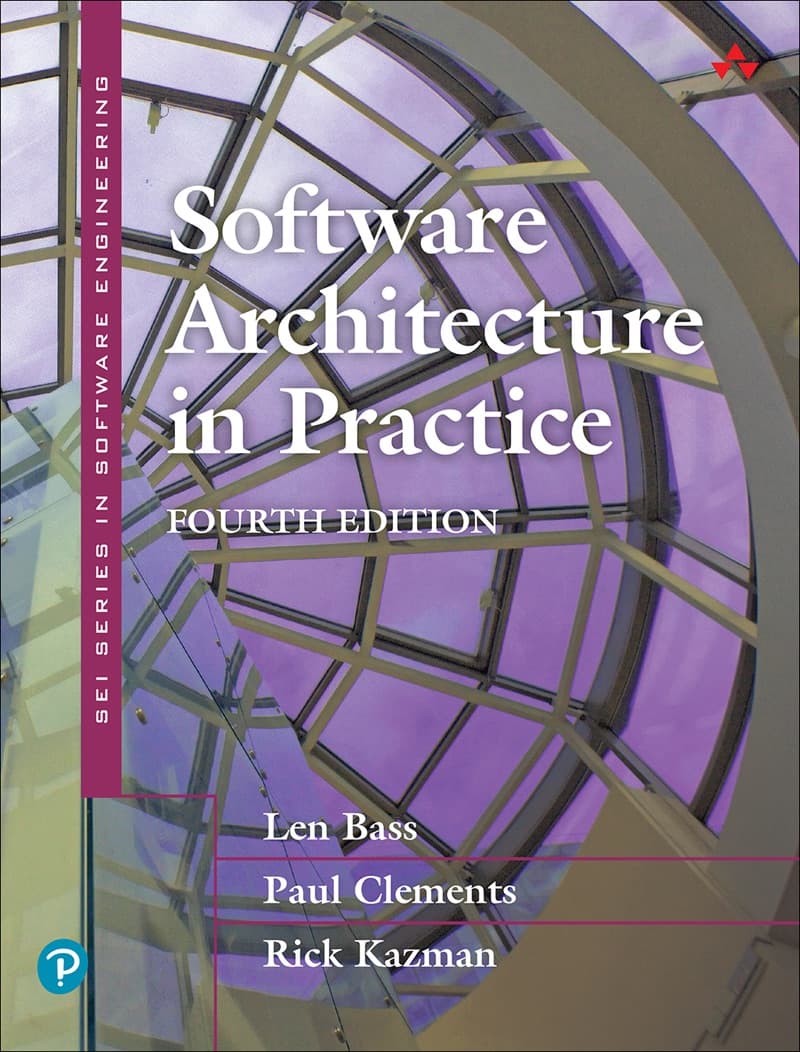
Software Architecture in Practice
Len Bass, Paul Clements, Rick Kazman
Software Architecture in Practice helps you forecast which design choices will accumulate debt by mapping them to quality attributes and scenarios.
Use quality attribute scenarios to drive architecture decisions.
Instead of treating architecture as documentation, it frames architecture decisions as engineering management levers that affect long-term maintainability. That matters when technical debt is already showing up as reliability issues, change resistance, or cost blowups.
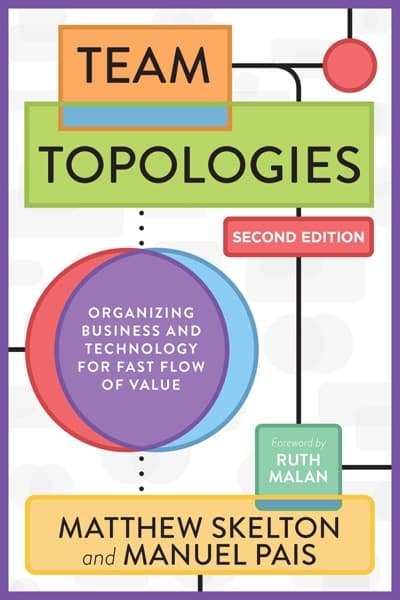
Team Topologies, 2nd Edition
Matthew Skelton, Manuel Pais
Team Topologies gives you a vocabulary for reducing the “friction loops” that constantly generate technical debt.
Conway’s Law: structure teams to shape system architecture.
It helps engineering managers design team interactions so work flows with fewer handoffs and fewer dependency traps. That reduces the conditions where teams repeatedly patch symptoms instead of improving systems.
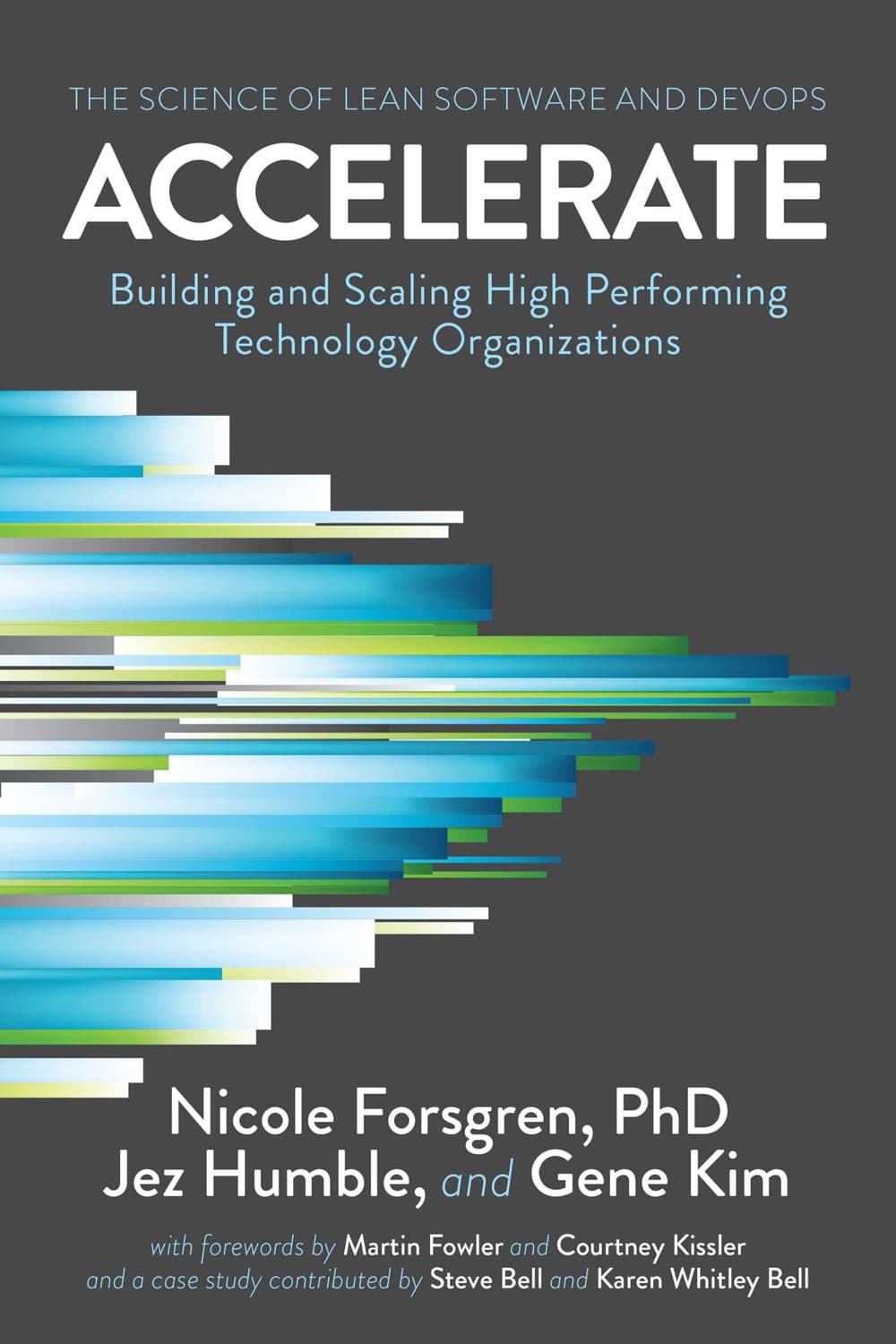
Accelerate
Nicole Forsgren, Jez Humble, Gene Kim
Accelerate reframes technical debt as something influenced by organizational design, not just coding skill.
DevOps practices correlate with improved lead time and reliability.
By linking performance outcomes to engineering practices, it helps engineering managers build delivery systems that can afford to pay down debt safely. The result is a management mindset where speed and quality reinforce each other instead of competing.
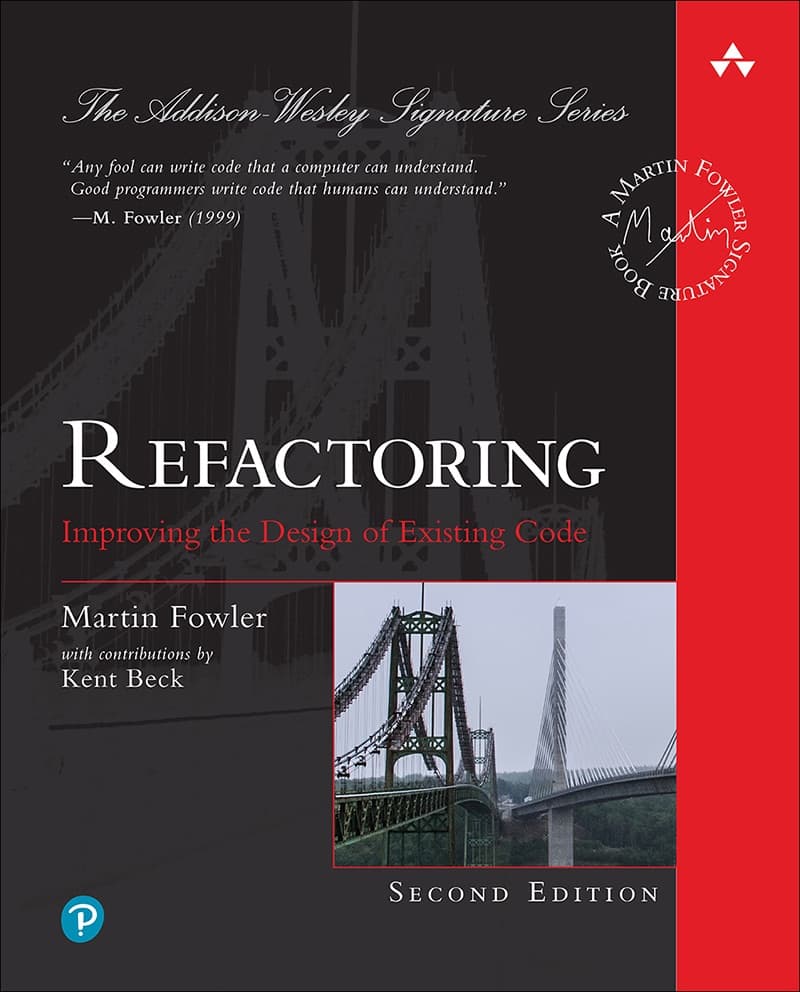
Refactoring
Martin Fowler
Refactoring turns technical debt cleanup into a repeatable craft: small, safe transformations that preserve behavior while improving structure.
Refactor by applying small behavior-preserving changes.
Engineering managers need debt strategies that scale beyond one heroic rewrite. Fowler’s concrete techniques help teams reduce risk during change, which directly supports sustainable debt reduction plans.
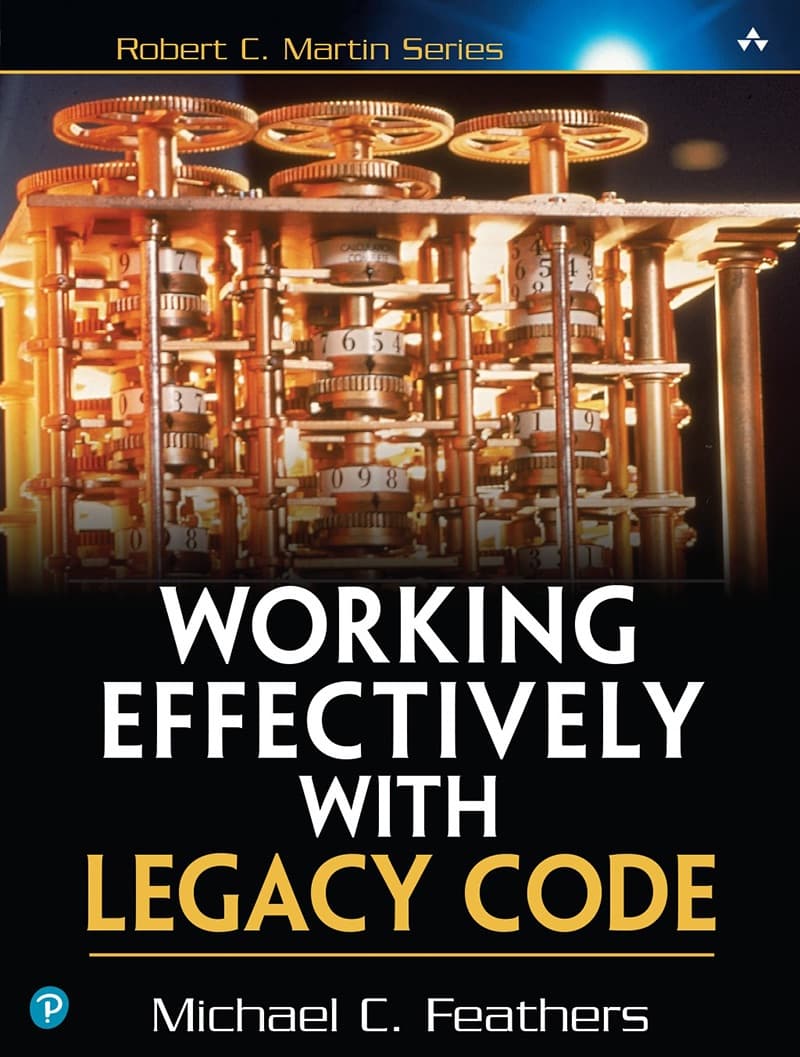
Working Effectively with Legacy Code
Michael Feathers
Working Effectively with Legacy Code teaches you to “buy safety” with tests when the system is resistant to change.
Use characterization tests to enable safe change.
It’s built for inherited, debt-heavy codebases where design is missing or brittle. For engineering managers, it provides practical ways to enable safer refactoring and staged improvements without betting the business on a rewrite.
Use quality attribute scenarios to drive architecture decisions.
Fundamentals of Software Architecture
Mark Richards, Neal Ford
Fundamentals of Software Architecture makes architecture decisions legible, so technical debt becomes a consequence you can reason about.
Choose architecture to optimize the cost of change.
The book connects core architecture concepts to managerial tradeoffs that determine long-term cost of change. It supports engineering managers in guiding teams toward designs that reduce future cleanup work rather than deferring it.

An Elegant Puzzle
Will Larson
An Elegant Puzzle helps you align engineering execution with the system-level constraints that drive where debt accumulates.
Use a systems view to manage constraints and priorities.
It targets engineering management realities: prioritization, coordination, and the difference between local decisions and organizational outcomes. That lens helps managers prevent short-term delivery pressure from turning into long-term technical debt.
Building Evolutionary Architectures
Neal Ford, Rebecca Parsons, Patrick Kua, Pramod Sadalage
Building Evolutionary Architectures shows how to evolve a system without creating new, entrenched debt every time you change it.
Evolve incrementally to avoid locking in harmful debt.
This book gives architecture guidance for long-term change management, which is where technical debt usually gets locked in. For engineering managers, it supports plans that balance safe evolution with reducing accumulation over time.
Can we tailor this list for you?
Type your question in the bar below and the AI will tailor a fresh set of picks just for you.