Best Books for Engineering Managers on System Design
Engineering Managers juggling system design need books that connect architecture tradeoffs to production reality. Kleppmann’s Designing Data-Intensive Applications builds that foundation, and the rest sharpen decisions for reliability and scale.
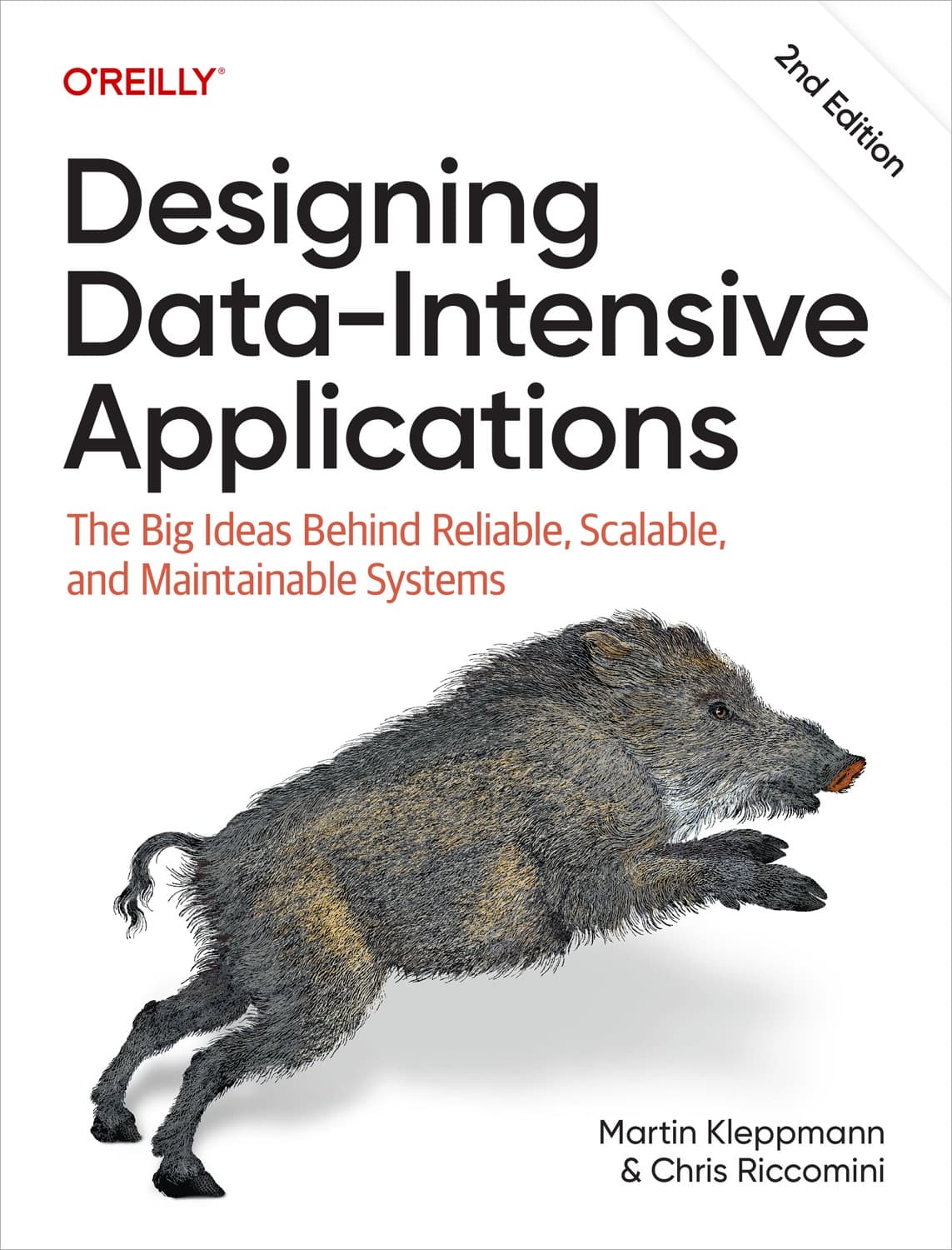
Designing Data-Intensive Applications
Martin Kleppmann
Designs become decisions you can defend: consistency, replication, and partitioning stop being buzzwords and start showing up as concrete failure modes.
Model failures, not just happy paths
Kleppmann turns distributed systems concepts into practical reasoning about tradeoffs: where data goes wrong, and what you choose to optimize. For an engineering manager, this becomes a shared language for architecture reviews and making architectural risk visible early.

Web scalability for startup engineers
Artur Ejsmont
Scaling stops feeling like a series of heroic firefights and starts looking like repeatable bottleneck triage across caching, queues, and databases.
Measure bottlenecks before choosing optimizations
Ejsmont walks through common web scaling patterns and the operational consequences behind them. That matters for engineering managers guiding system design in growth phases, where the right constraint and the right sequence often decide whether teams ship sustainably.
Building Microservices
Sam Newman
Microservices become manageable when you treat boundaries, communications, and change over time as a design system rather than a deployment style.
Service boundaries should optimize for change
Newman emphasizes designing for evolvability, operability, and sensible service boundaries. For engineering managers, the benefit is clearer architectural guardrails and fewer “microservices by default” mistakes that later turn into reliability and ownership problems.
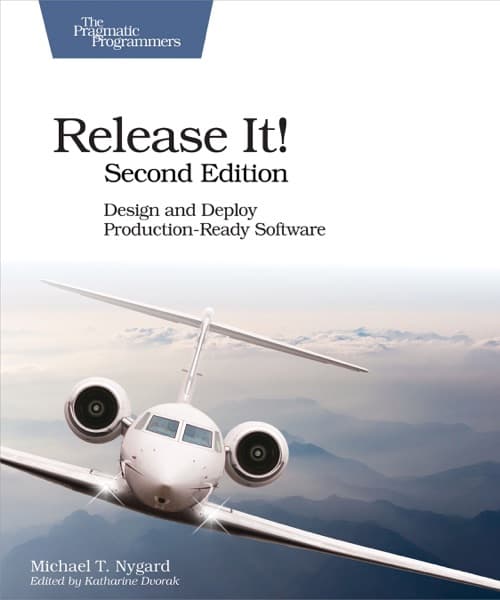
Release It!
Michael T. Nygard
The most stable releases come from building for failure: timeouts, bulkheads, retries, and monitoring are engineering policy, not afterthoughts.
Use timeouts and retries with intention
Nygard grounds reliability in real-world production lessons and the patterns that prevent cascading outages. For system design leadership, this reframes architecture reviews around survivability and operational feedback, not just feature correctness.
Site Reliability Engineering
Betsy Beyer, Chris Jones, Christof Leng, David Huska, Jennifer Petoff, Niall Richard Murphy
Reliability becomes measurable leadership: you manage risk using objectives and feedback loops, not by trusting “best efforts.”
Error budget turns reliability into tradeoffs
This book codifies how to align velocity and reliability through SLOs, error budgets, and ownership practices. For engineering managers, it gives a practical bridge between architecture decisions and how systems behave under real user load and operational constraints.
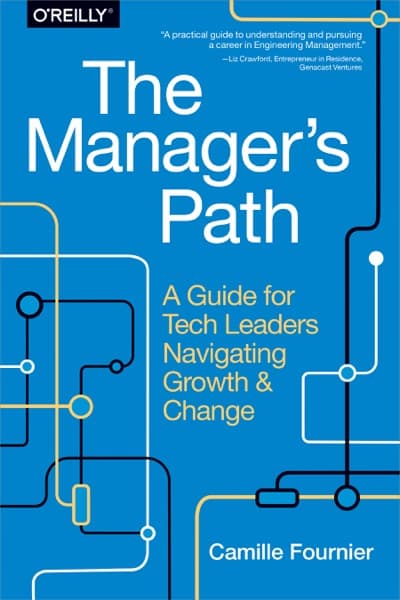
The Manager's Path
Camille Fournier
Technical leadership becomes a job description: you stop being the expert who solves everything and become the manager who raises the system quality of work.
Create systems of accountability for quality
Fournier connects management levels to how people, decision-making, and technical practices evolve. For engineering managers tackling system design, it helps you structure guidance, delegation, and technical review so architecture stewardship improves rather than depends on heroics.
Measure bottlenecks before choosing optimizations
Fundamentals of Software Architecture
Mark Richards, Neal Ford
Architecture discussions become less about preferences and more about choosing among well-defined tradeoffs that can be explained and revisited.
Architecture is about tradeoffs and constraints
Richards and Ford provide a clear architectural reasoning framework for structure and decision-making. That’s especially useful for engineering managers who must guide system design across teams, keeping architecture coherent as requirements, platforms, and ownership change.
The art of scalability
Martin L. Abbott
Scalability is treated as an engineering and organizational capability, not a late-stage optimization for performance trouble.
Scalability requires process and organization
Abbott spans technical patterns and the managerial execution needed to keep systems scaling with teams and processes. For engineering managers, it reinforces how to turn scaling goals into architecture choices, operational discipline, and cross-team coordination.
Systems Performance
Brendan Gregg
Bottlenecks become visible and explainable: performance work turns from guesswork into evidence-driven diagnosis across the stack.
Latency is a symptom; find the resource constraint
Gregg’s performance engineering approach helps managers understand how to reason about latency, resource contention, and measurement. For system design, this supports better architecture choices by validating assumptions with instrumentation and turning performance into a design constraint rather than an emergency.
Can we tailor this list for you?
Type your question in the bar below and the AI will tailor a fresh set of picks just for you.